Great Bernese
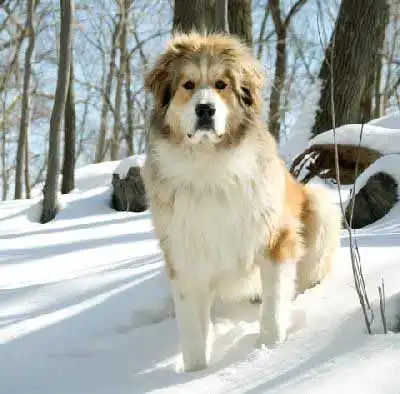
The Great Bernese is an impressive and dignified breed of large dogs known for their composed demeanor. These dogs are quite lively and flourish when surrounded by their families. On average, they live for about 12 years and typically weigh between 70 and 115 pounds. Once they reach maturity, their height ranges from 24 to 28 inches. Their beautiful, long fur showcases a tri-color pattern of white, black, and brown or red, though they can also be found in various shades of beige with markings in badger, gray, reddish-brown, and tan. This remarkable breed is celebrated for its gentle temperament and serene nature, yet it remains relatively rare. While both parent breeds are recognized by the American Kennel Club, the Great Bernese itself has not received that distinction.
Breed Origin
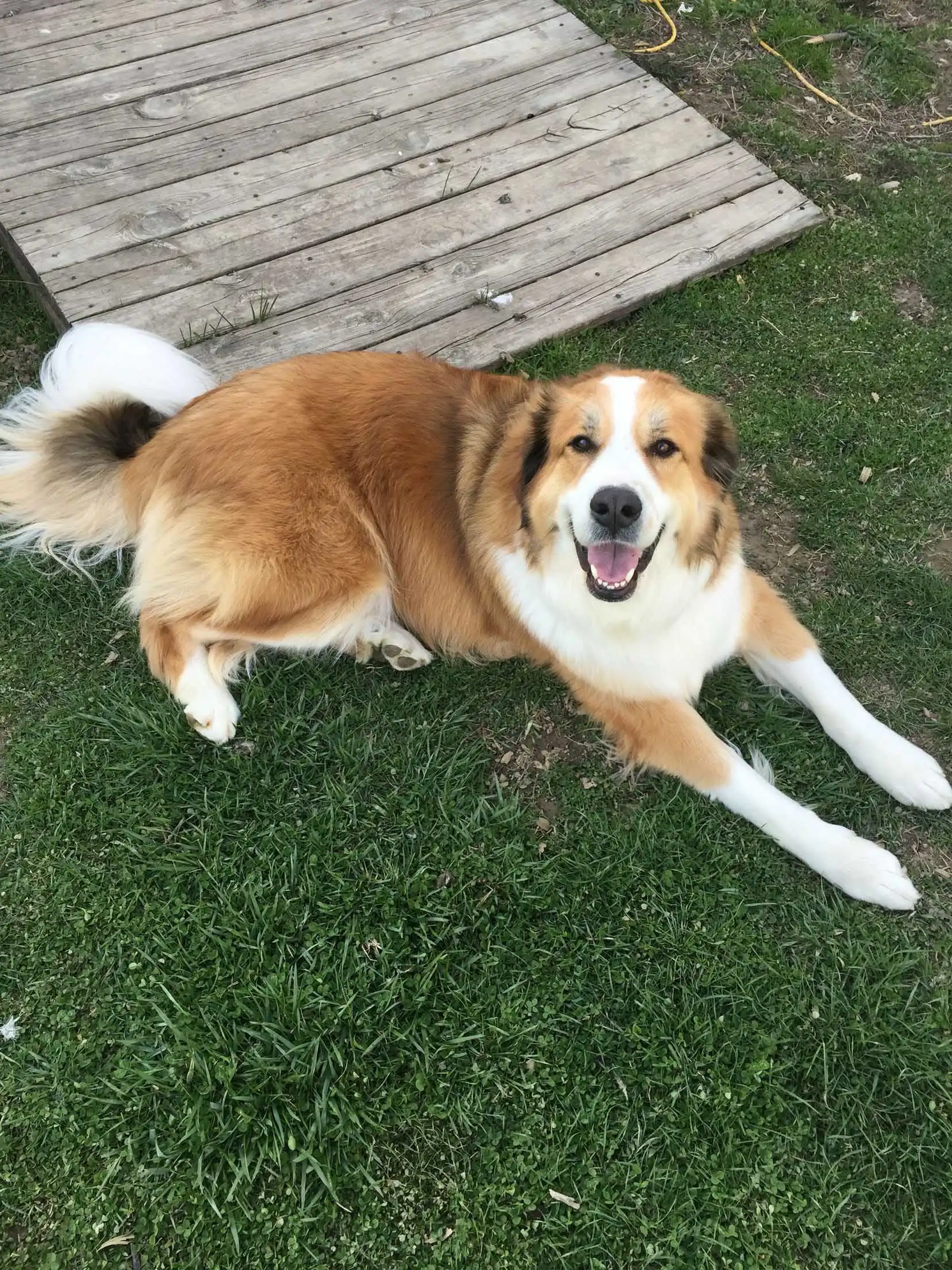
The Great Bernese takes its name from its parent breeds: the Bernese Mountain Dog and the Great Pyrenees, both of which have intriguing and storied backgrounds. The Great Pyrenees, which shares a close lineage with the Kuvasz, is thought to have been present in Europe since the Bronze Age. This distinguished breed is believed to have originated in Central Asia or Siberia before migrating to the Pyrenees Mountains, located between France and Spain. Initially bred for herding sheep, the Great Pyrenees later became known as the royal dog of France, serving as a guardian for the French nobility. In North America, both Canada and the United States began importing the Great Pyrenees for crossbreeding with other large breeds, and it received official recognition from the American Kennel Club in 1933. Conversely, the Bernese Mountain Dog originates from the Swiss midlands, where it has served as a working farm dog for many centuries. It is one of four varieties of Swiss Mountain Dogs and shares similar striking coloration with its relatives, but it is distinguished by its long, silky coat. The first Bernese Mountain Dog was brought to the United States in 1926, and it quickly gained recognition from the American Kennel Club in 1937. The union of these two breeds has resulted in a large, loyal dog that has been selectively bred since the mid-20th century.
Breed Appearance
The Great Bernese is a remarkable large breed distinguished by its noble appearance. Typically, these dogs weigh between 70 and 115 pounds and stand 24 to 28 inches tall at maturity. Beneath their long, luxurious fur lies a strong and muscular build. Their coat is generally straight, thick, and coarse, showcasing a striking tri-color pattern of black, white, and brown or rust. Some may exhibit a beige coat with accents of badger, gray, reddish-brown, or tan. Additionally, they have a dense, woolly undercoat, often in white or beige tones. Their ears are medium-sized, floppy, and triangular with rounded tips. Great Bernese dogs feature dark brown, almond-shaped eyes and a robust, straight muzzle with a scissor bite. They also have a long, feathery tail and compact, rounded paws.

Care Routine
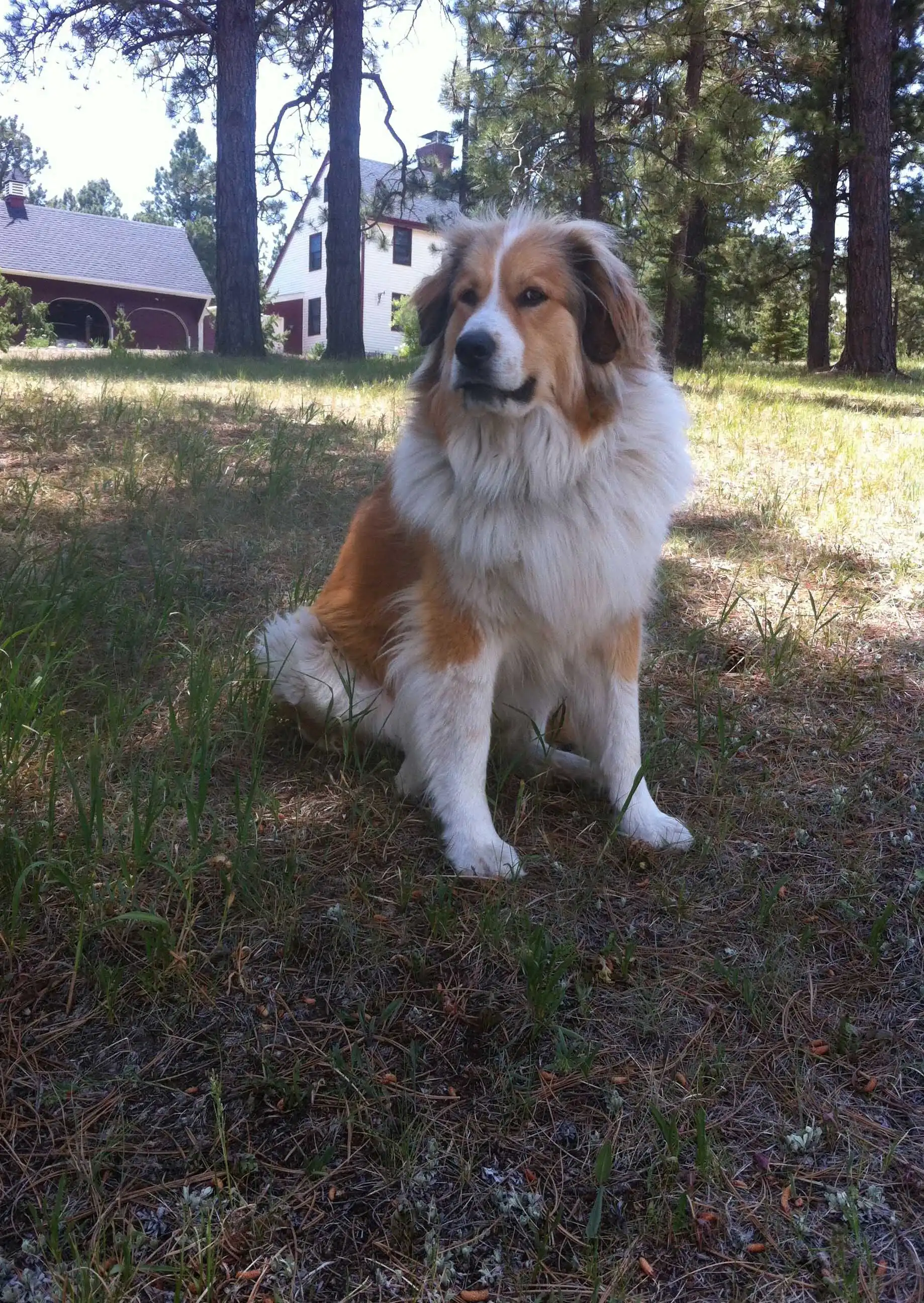
The Great Bernese is recognized for its consistent shedding, which tends to increase during seasonal changes. To effectively manage this shedding, it is advisable to brush the coat regularly with a pin or slicker brush. This practice not only reduces loose fur but also helps address the mats and tangles that can develop in their long hair. While these dogs typically need only an occasional bath, daily brushing of their teeth is vital, and their nails should be trimmed once or twice a month. This breed is particularly prone to plaque buildup, making thorough dental care essential. Owners may also want to consider incorporating a dental rinse into their dog's water to help prevent gum disease and dental infections. Furthermore, it is crucial to routinely inspect the Great Bernese's ears for wax accumulation and debris to avert potential infections.
Behavior & Temperament
The temperament of this hybrid largely mirrors the behavioral traits inherited from its parent breeds; some individuals may display characteristics more similar to the Great Pyrenees, while others may take after the Bernese Mountain Dog. In general, Great Berneses are known for their calm demeanor and loyal personalities. These dogs are affectionate, gentle, and intelligent. They typically form a strong attachment to one person in the household, actively seeking that individual's attention and love. However, they are also friendly with others, including children and other pets. Given their large size, it's wise to supervise them around very small or young companions. Furthermore, Great Berneses have inherent guarding instincts, which makes them territorial and vocal when they perceive a potential threat, although they are not typically aggressive. While they enjoy playful activities, they prefer to romp outdoors in cooler weather rather than inside. When indoors, they usually relax in the company of their chosen person or other family members.


Play & Exercise
The Great Bernese is a lively breed that requires regular exercise to maintain good health. They generally do not enjoy playing indoors and favor outdoor pursuits such as walking or hiking, particularly in cooler temperatures. This breed flourishes in colder environments, aided by their dense fur and undercoat. Depending on their personality, they may also appreciate a fun trip to the dog park. When at home, they typically prefer to unwind while keeping an eye on their family or monitoring their surroundings. Due to their size, Great Bernese need plenty of space both indoors and outdoors, which makes them better suited for larger homes in suburban or rural areas.
Things to Know
Cups Per Day
4.0 Cups
Daily Activity
45 Minutes
Average Lifespan
10 Years
Origin
Mid 1900s
Type
Crossbreeds
Size
Large
Origin Country
United States, Western Europe
Brush Frequency
Daily
Coat Texture
Straight
Register
Your kids have been begging for a pet forever, and you've recently decided that it's time for your family to get a new addition -- a dog! While everyone is excited for the new arrival, you're wondering if you need to have a dog license. How much does it cost? Is it required? Where do you get one?
Member Clubs

PETINNATE
Other
Height & Weight
Weight
93 lbs (42 kg)Male: 100 lbs (45 kg) , Female: 85 lbs (39 kg)
Height
27 inches (69 sm)Male: 27 inches (69 sm) , Female: 27 inches (69 sm)
Eye Colors
Brown

Nose Colors
Black
Coat Colors
Black
White
Brown
Gray
Red