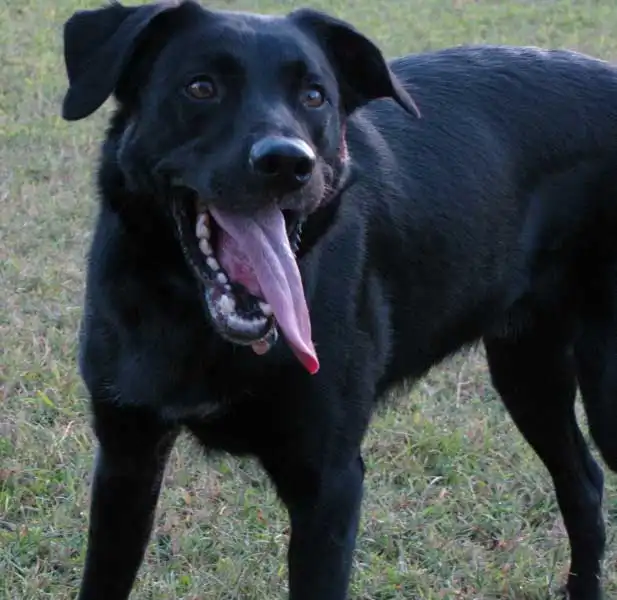
Borador
Border Collie Lab, Border Lab
The Borador is a lively and clever hybrid breed, created by crossing a Border Collie, celebrated for its herding prowess, with a Labrador Retriever, known for its skills in hunting and retrieving. Typically medium to large in size, these dogs are friendly with children, strangers, and other animals, and they possess a strong inclination to please their owners. This willingness to cooperate makes training relatively easy, and they thrive under consistent direction. However, their high energy and susceptibility to boredom can result in destructive behaviors, such as chewing, so it’s crucial to keep them mentally and physically stimulated. Due to their size and need for regular exercise, Boradors are ideally suited for homes with a yard.
Breed Origin
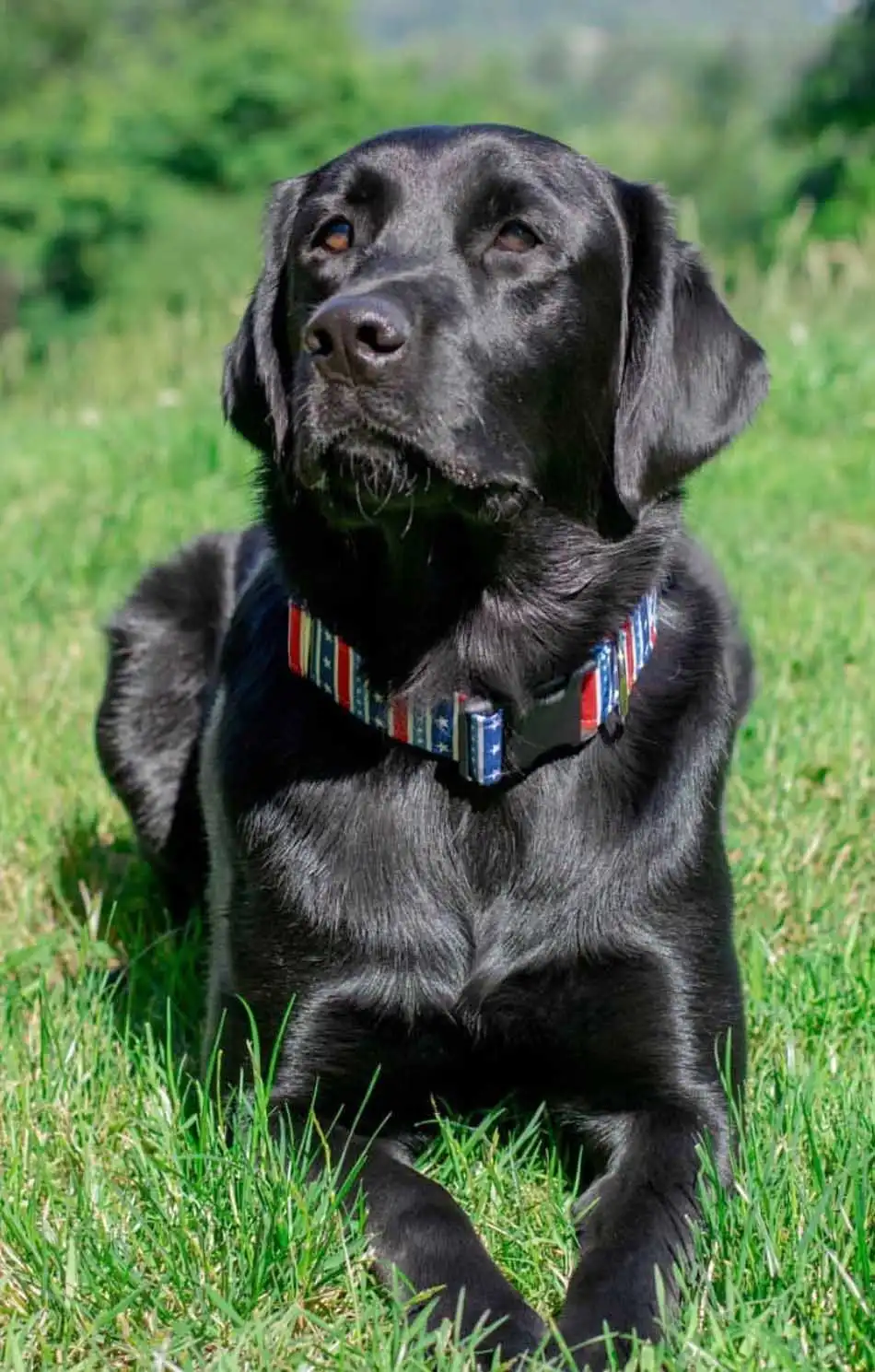
The Borador is a hybrid breed that merges two beloved dog breeds: the Border Collie and the Labrador Retriever. This crossbreed has gained popularity and recognition from various hybrid and designer dog organizations, although it has only been acknowledged as a distinct breed in the last ten to twenty years. The Border Collie is celebrated for its remarkable intelligence, often hailed by experts as the smartest dog breed overall. Its origins trace back to ancient times, believed to be a blend of small, spitz-like herding dogs that accompanied Viking raiders in the third century and larger Roman herding dogs that arrived in Britain during the Roman invasion in the first century. While Border Collies are undeniably attractive, they were primarily bred for their working capabilities rather than their looks. On the other hand, the Labrador Retriever has a rich yet somewhat speculative history. Most experts agree that this breed descended from the now-extinct St. John’s dog, a water dog that disappeared in the 1980s. There is ongoing debate about whether the Newfoundland dog played a role in the lineage of the St. John’s dog or if it evolved from it. The St. John’s dog, characterized by its short, oily coat, was adept at swimming and running, aiding fishermen along the Newfoundland coast. Although both breeds are retrievers, the St. John’s dog was specifically trained to retrieve nets, ropes, and fish, while the Labrador was developed for retrieving waterfowl. In the 1800s, breeders James Harris and Walter Scott, who were working with the St. John’s dog to produce gun dogs, met during a shooting excursion. Mr. Harris presented Mr. Scott with two of his male retrievers, which he then bred with his own dogs. This collaboration ultimately led to the development of the modern Labrador Retriever. The combination of the Border Collie and Labrador Retriever results in a highly intelligent, energetic dog known for its friendly nature and strong work ethic.
Breed Appearance
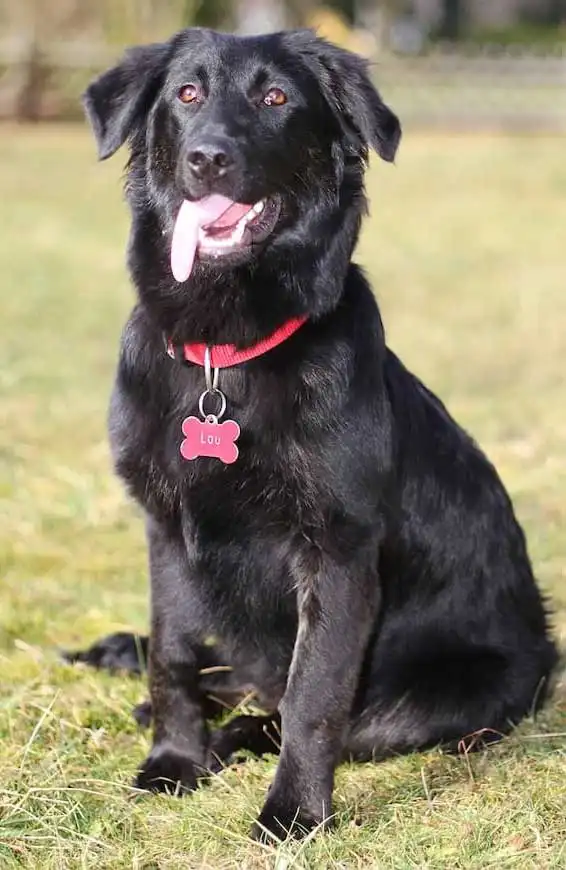
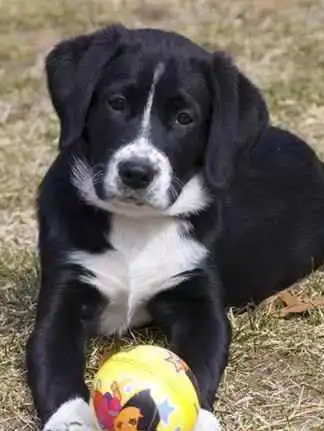
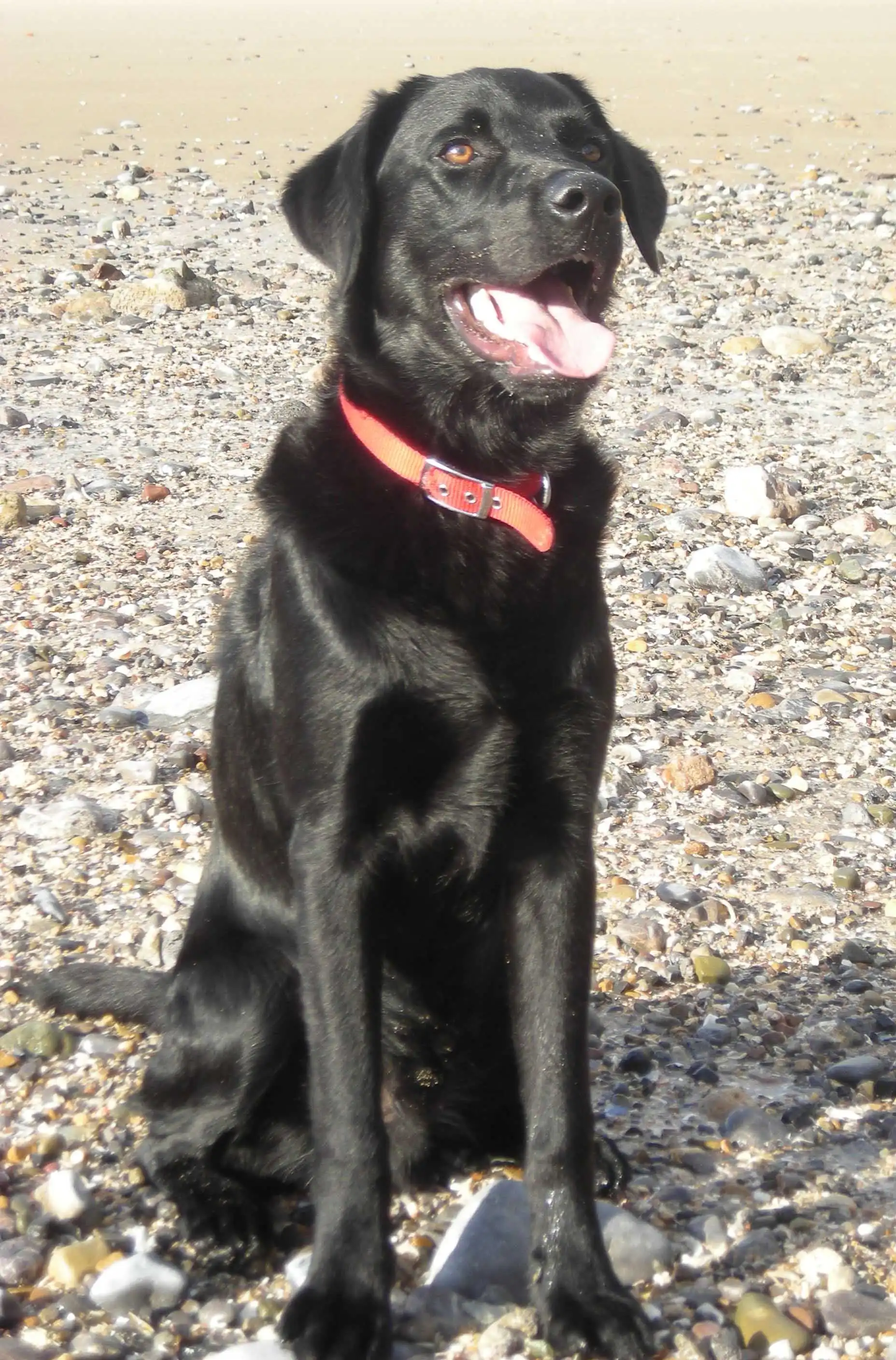
The Borador is generally a medium-sized dog known for its relatively flat skull. Those that resemble Labradors may have a wider muzzle, while those that take after Border Collies typically feature a narrower, more tapered snout. The Borador's physique is often slightly longer than its height, with a deep and well-defined chest. Both of its parent breeds are athletic, characterized by strong, straight legs and long tails. Consequently, the Borador inherits these features, displaying robust legs and a long tail that hangs down when relaxed or aligns with its back when alert or excited. Neither the Borador nor its parent breeds should have a tail that curls over its back, although the tail may be feathered or not. This hybrid dog has a double coat, consisting of a short, dense undercoat covered by straight, shiny guard hairs. The outer coat can vary in length, being either short like that of the Labrador or medium-length similar to the Border Collie, and it may occasionally have a slight wave. While Boradors are most frequently seen in black and white, they can also come in shades of golden or chocolate.
Care Routine
Grooming a Borador is generally straightforward. This breed doesn't require frequent baths, as they usually have a low dog odor. However, some Labradors and their mixes may enjoy getting dirty by playing in mud or rolling in unpleasant materials, which can increase the need for baths. While Border Collies shed moderately, Labrador Retrievers are known for their significant shedding, particularly during seasonal changes, despite having a short coat. To manage this shedding and help distribute the dog’s natural oils, it's beneficial to brush this mixed breed several times a week, with daily grooming recommended during shedding seasons. Fortunately, for those with mild dander allergies, the Borador's coat tends to produce less dander, potentially reducing the risk of allergic reactions.
Behavior & Temperament
The Borador is celebrated for its nurturing nature and balanced temperament, combined with a strong desire to please. This breed is exceptionally intelligent and readily trainable, showcasing a collaborative attitude. Their energy levels are on par with their intellect, and they flourish when involved in regular activities or tasks, often excelling in various roles. Generally, Boradors are sociable and friendly, both with family members and strangers. They will bark to alert their owners to unfamiliar noises, making them a viable choice for a guard dog. Additionally, they are affectionate towards children and other pets, although their youthful energy can sometimes result in exuberant behavior. They may also display herding instincts, occasionally nipping at the heels of small animals or children. Furthermore, Boradors can effectively serve as service dogs for individuals with disabilities and can participate in agility and frisbee competitions.

Play & Exercise
The Border Collie and Labrador Retriever are both incredibly active and energetic breeds that require a significant amount of exercise. Although a mixed breed may not display the same intensity of hyperactivity as a purebred Border Collie, they still need at least two hours of vigorous physical activity and mental stimulation each day to stay healthy and happy. In addition to energetic walks or runs, these dogs can effectively expend their energy through activities such as swimming, playing competitive frisbee, agility training, and herding. While they can adjust to living in an apartment if they receive enough exercise, they generally thrive better in larger homes where they have plenty of room to run and play.
Things to Know
Cups Per Day
0.0 Cups
Daily Activity
0 Minutes
Average Lifespan
14 Years
Origin
Unknown
Type
Crossbreeds
Size
Not Set
Origin Country
Unknown
Brush Frequency
Daily
Coat Texture
Straight
Register
Your kids have been begging for a pet forever, and you've recently decided that it's time for your family to get a new addition -- a dog! While everyone is excited for the new arrival, you're wondering if you need to have a dog license. How much does it cost? Is it required? Where do you get one?
Member Clubs

PETINNATE
Other
Height & Weight
Weight
53 lbs (24 kg)Male: 55 lbs (25 kg) , Female: 50 lbs (23 kg)
Height
21 inches (53 sm)Male: 22 inches (56 sm) , Female: 21 inches (53 sm)