Pure Breeds
Browse a collection of Pure Breeds, including breed names, key traits, and origins. Whether you're interested in officially recognized purebreds or hybrid crossbreeds, this page helps you explore them all in one place.
A breed with a pure lineage, recognized by official breed standards.
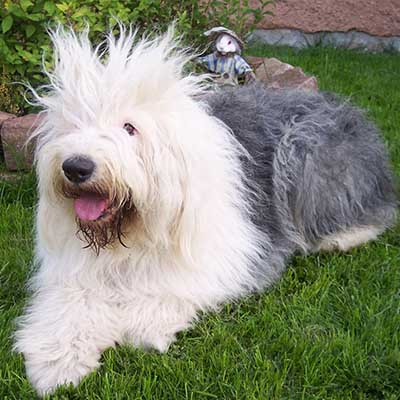
Old English Sheepdog
The Old English Sheepdog, one of the most ancient dog breeds, gained recognition from the American Kennel Club merely four years after the organization was founded in 1888. Currently, it holds the position of the 75th most popular breed in the United States. This breed is notable for its substantial size and unique shaggy fur, having featured prominently in various television shows and movies, as well as being a popular contender in dog competitions. Old English Sheepdogs are not only robust but also gentle and exceptionally intelligent, adept at mastering a wide array of commands and tasks. Their dense double coat often partially covers their eyes and comes in several color variations, with the most common being grizzle and white, gray and white, blue merle and white, blue gray and white, and blue and white.
Read more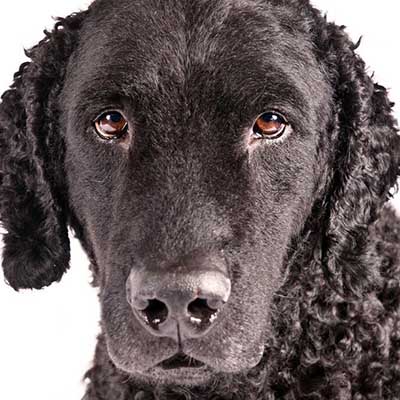
Curly-Coated Retriever
These affectionate and intelligent dogs have vibrant minds that require an active lifestyle to keep them content. They thrive best with owners who can involve them in various activities such as swimming, running, or hiking, along with other forms of physical exercise. Unlike some other Retrievers, they require more social interaction due to their inherent cautiousness around strangers. However, they are generally friendly and playful with other animals. Their cleverness can sometimes lead to playful antics, highlighting the necessity of effective obedience training. The Curly Coated Retriever, commonly known as the Curly or CCR, originated in the United Kingdom and has a history that spans roughly 300 years.
Read more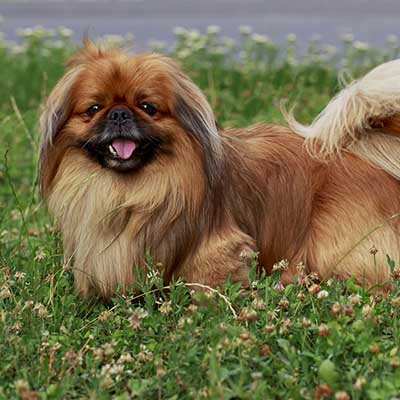
Pekingese
The Pekingese has a rich and esteemed history, having been celebrated as emblems of aristocracy in China. The breed's earliest records trace back to the 8th century during the T’ang Dynasty. Specifically bred to be companions, their name is derived from Peking, the former name of Beijing. These small, toy-sized dogs are known for their distinctive flat faces, lion-like manes, droopy ears, and a confident demeanor. According to Chinese mythology, the Pekingese is believed to be the offspring of a lion that fell in love with a marmoset. They come in a range of colors, including black, cream, fawn, gray, red, sable, and white.
Read more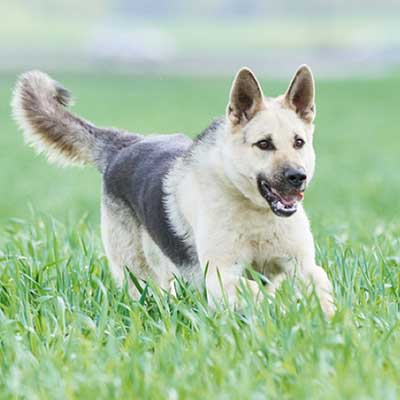
East European Shepherd
The East European Shepherd is an impressively large breed, recognized for its alert demeanor and strong protective nature. Developed in the 1930s, this breed was specifically bred to excel in colder environments and to mitigate the hip and joint problems often associated with its predecessor, the German Shepherd. These dogs are highly trainable, displaying obedience and a desire to please, which means they require little repetition during training. As attentive guardians, they are quick to notify their owners of any potential threats and are courageous in defending their loved ones. For East European Shepherds, growing up with children is crucial, as it helps forge a deep bond that can last a lifetime. However, they tend to be wary of unfamiliar people, including children, highlighting the necessity of early socialization. While they can adapt to living in apartments, they truly flourish in homes with yards that provide ample space for exercise and exploration. These intelligent dogs are well-suited for a variety of working roles, including law enforcement and search and rescue, but they also excel as devoted companions, always ready to assist their owners in any circumstance.
Read more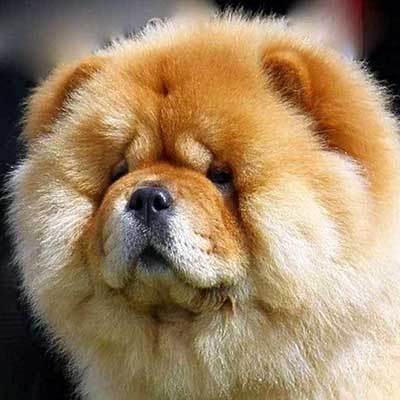
Chow Chow
One of the most notable features of the Chow Chow is its distinctive blue-black tongue. This breed is also recognized for its unique, stilted walking style and the lion-like "mane" that frames its neck. As a member of the Spitz family, the Chow Chow is thought to have originated in the cold northern regions of China. Throughout history, it has fulfilled various roles such as hunting, herding, pulling carts, and guarding homes. This medium-sized dog is characterized by its broad head and deep muzzle, along with small, triangular ears that perch on its double-coated neck. Chows are available in a range of colors, including red, black, blue, cinnamon, and cream.
Read more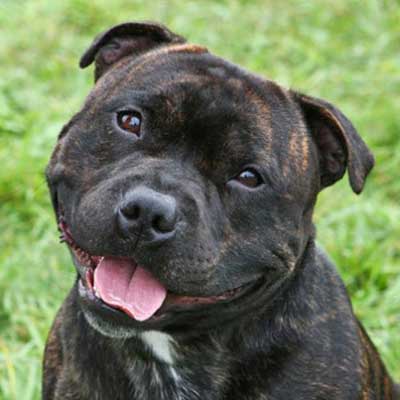
Staffordshire Bull Terrier
Often confused with its colonial counterpart, the American Staffordshire Bull Terrier, the Staffordshire Bull Terrier is somewhat shorter but equally strong and muscular. Commonly known as "Stafford," this breed is celebrated for its lively and playful demeanor. While it does not actively seek out conflict, it is steadfast when challenged. Initially bred for dog fighting and ratting, the Staffordshire Bull Terrier underwent a transformation in its role after such cruel practices were banned in England. Despite its tough image, early breeding focused on cultivating gentler characteristics, which enhanced its loyalty and protective instincts towards its family. Today, this loving breed is an excellent companion for energetic families, full of vitality and enthusiasm for play.
Read more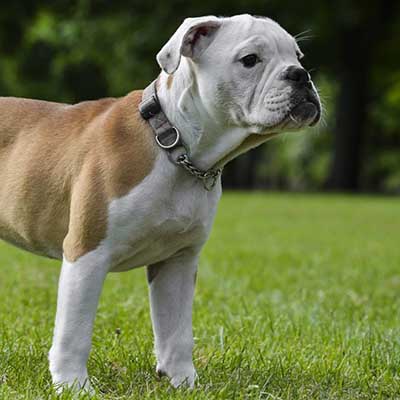
Victorian Bulldog
The English Bulldog has experienced considerable evolution since its origins in the 1800s. Historical images showcase a sturdy dog that bears a resemblance to the contemporary English Bulldog, albeit with a longer muzzle, elongated legs, and a less tightly curled tail. In London, breeder Ken Mollett initiated a crossbreeding program, mixing modern English Bulldogs with Bull Terriers, Bull Mastiffs, and Staffordshire Bull Terriers. His goal was to recreate the Bulldog's Victorian-era appearance while also addressing genetic health concerns. These dogs are known for their strength and athleticism, yet they do not require as much physical activity as many other energetic breeds. Additionally, they are typically gentle and friendly with both humans and other animals.
Read more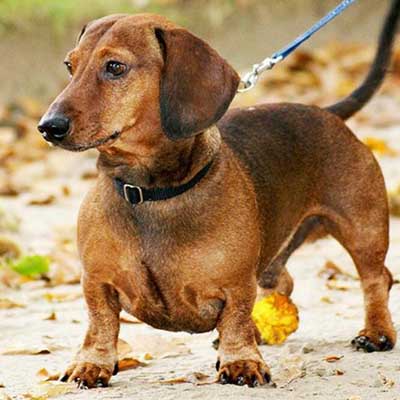
Dachshund
Since the 1950s, Dachshunds have consistently been among the most beloved dog breeds. With their distinctive long bodies and short legs, these dogs are not only charming but also exhibit a spirited and courageous personality. Although they possess intelligence, training can be challenging, especially if the techniques used become repetitive. Their inherent stubbornness often leads them to prefer their own methods. Originally developed in Germany for hunting small game, these characteristics are still apparent in their behavior today, which may manifest as a tendency to chase smaller animals or dig in the yard. Dachshunds are lively both indoors and outdoors, allowing them to adapt well to a variety of living environments.
Read more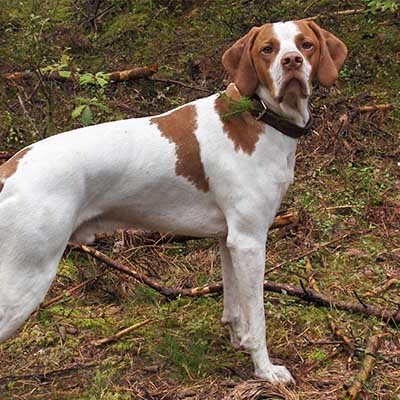
Braque Saint Germain
The Braque Saint Germain, originally developed as a sporting dog from a blend of English and French pointers, has become increasingly popular in the show ring thanks to its graceful appearance and well-rounded personality. Beyond its show dog status, this breed excels as a hunting partner, showcasing exceptional awareness, strong tracking skills, and a gentle mouth for retrieving game, which contributes to their ease of training. In a home environment, Braque Saint Germains are characterized by their relaxed, friendly, and affectionate demeanor, often expressing their affection through enthusiastic face-licking. Bred to hunt in groups, they are naturally sociable and typically get along well with strangers, other dogs, and children. However, without proper training and socialization, their instinct to chase may be triggered by non-canine animals. Moreover, they can function as decent watchdogs, promptly notifying their owners of new arrivals. However, they are not considered effective protectors, as they tend to bark without displaying aggression. Their energetic puppies can be quite a handful, particularly in homes with infants or toddlers due to their lively antics. Overall, the Braque Saint Germain's balanced temperament and impressive abilities make it an excellent choice for hunting, companionship, or competition in the show ring.
Read more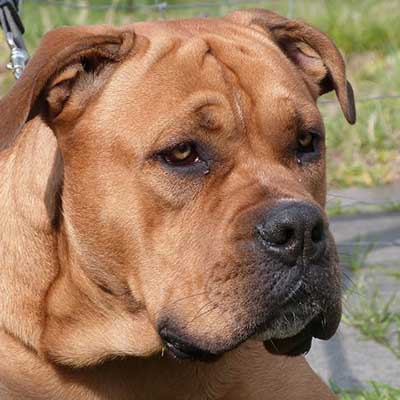
Perro de Presa Mallorquin
The Perro de Presa Mallorquin is a medium-sized molosser recognized for its sturdy build and broad, deep chest. Males, in particular, are distinguished by their remarkably powerful heads, with skull circumferences often exceeding the dog's height. In contrast, females have smaller, less robust heads. This ancient breed was initially bred for guarding and protection, with a history that includes bull baiting and dog fighting. They thrive under a strong human leader who understands canine hierarchy; if the owner does not establish dominance, the dog may become stubborn and overbearing. When raised and socialized properly from an early age, these dogs can be loyal and affectionate companions. Typically quiet, they exhibit courage and bravery when necessary. The Mallorquin is sociable and shows profound loyalty to its owner. This breed is independent, psychologically stable, and generally easygoing—unless provoked to defend its family!
Read more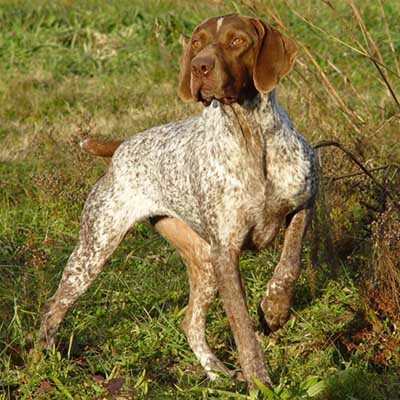
Braque Francais, de Petite Taille
The Braque Francais Pyrenean was originally developed exclusively for hunting purposes, but it has gradually transformed into a loyal companion for families. This breed is characterized by its eagerness to please rather than a dominant nature. With appropriate training, the Braque Francais Pyrenean can be an outstanding pet for households with children. However, it is not the ideal choice for a guard dog, as it is generally friendly and sociable, lacking a pronounced territorial instinct. As an active sporting dog, it needs plenty of exercise and becomes distressed if left alone in the yard without family interaction.
Read more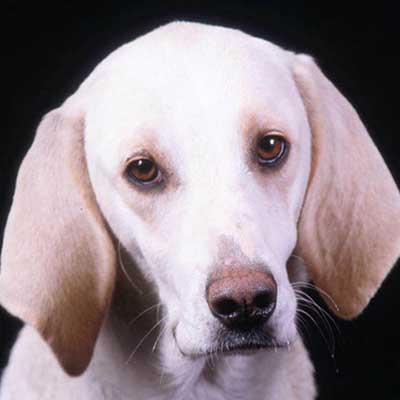
Billy
The Billy, known as the Chien de France-Comte, is a remarkable mix of several now-extinct French dog breeds. This elegant and sizable breed has a strong passion for hunting and tracking. Typically, they possess a well-behaved disposition, getting along fairly well with other dogs and showing a particular fondness for children. However, their amiable nature makes them less effective as guard or watchdogs. In the hunting field, they exhibit a lively spirit, marked by enthusiasm, endurance, and dedication. Unfortunately, their instinct to follow scents remains strong even at home; if allowed to roam off-leash, they may easily wander off in search of enticing smells. Billys often develop deep bonds with their owners, especially when trained by the same individual, leading to a lifelong loyalty. Although they are intelligent, training them can be quite challenging, necessitating an experienced handler to ensure a smooth process. While they are still used as hunting dogs in their native areas, this breed is considered rare and is more often employed for hunting rather than as typical family pets.
Read more