Pure Breeds
Browse a collection of Pure Breeds, including breed names, key traits, and origins. Whether you're interested in officially recognized purebreds or hybrid crossbreeds, this page helps you explore them all in one place.
A breed with a pure lineage, recognized by official breed standards.
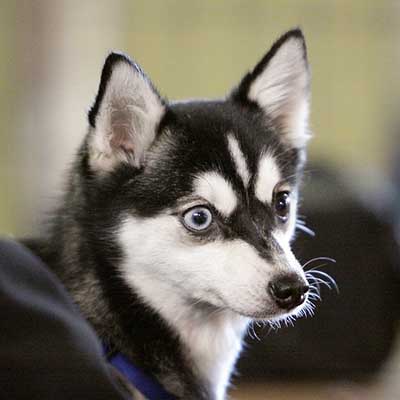
Alaskan Klee Kai
The Alaskan Klee Kai is a breed that emerged in the 1970s, created to be a smaller counterpart to the Alaskan Husky. These energetic, smart dogs are mainly bred for companionship rather than for labor. While they share a resemblance with their larger relatives, Alaskan Klee Kais can thrive in apartment settings, as long as they receive ample exercise and playtime. They might show signs of shyness or hesitation when encountering new people and communicate their emotions—be it fear, happiness, or sadness—through various vocal sounds.
Read more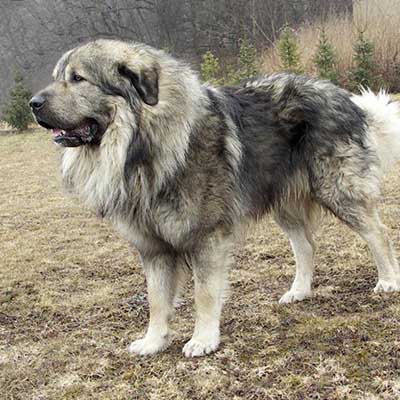
Sarplaninac
The Šarplaninac, much like other ancient Mountain Dog breeds, has been revered for centuries as one of the most functional breeds from ancient times, and this reputation is well-deserved. Traditionally, these dogs have taken on multiple roles, such as herding, guarding, and collaborating with police and military units, particularly in their homeland around the Šar Mountains, which spans Macedonia, Serbia, and parts of the former Yugoslavia. As one of the oldest native breeds in the world, they trace their lineage back to ancient Molosser breeds and have largely remained untouched by outside influences. This breed is known for its composed demeanor and noble presence, paired with a strong protective instinct that underpins their historical functions. Their herding and guarding instincts are so deeply embedded that they often view their human family as a flock to protect, instinctively trying to herd them when they sense a threat. While they develop strong bonds with their families, Šarplaninacs are typically cautious around strangers and other dogs, instinctively positioning themselves as a barrier between their loved ones and any potential danger. They seldom show aggression unless provoked or faced with serious threats. Their fierce protective nature has been documented in their ability to guard against predators like wolves, lynxes, and even bears. However, it is possible to modify some of their protective instincts, enabling them to be more tolerant of unfamiliar people, dogs, and other animals in social or relaxed settings, although this can be a challenging process. Bred for independence, these dogs are used to spending long periods with herds without supervision, which makes them more likely to rely on their own judgment rather than commands unless they have received extensive training and have a strong leader. Even with proper training, there is no guarantee that they will consistently prioritize commands over their instincts. Within their family environment, Šarplaninacs are generally calm, relaxed, and good-natured, often showing patience and gentleness with children. Nevertheless, consistent training and socialization are crucial for any dog to become a well-adjusted family member, as they may revert to instinctual behaviors if not properly guided. Additionally, they are not particularly adaptable and thrive best in settings where they have tasks to perform, something to protect, and plenty of outdoor space, as their robust double coats equip them to handle a variety of weather conditions.
Read more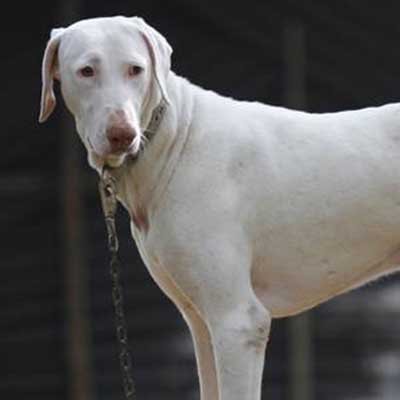
Rajapalayam
The Rajapalayam dog is a rare and ancient breed of sighthound, originally developed for hunting wild boars. These dogs are typically characterized by their striking pure white coats, complemented by pink noses and light-hued skin. Their eyes can be either brown or blue, though it is uncommon for them to have two different colored eyes. Notably, those with blue eyes are more prone to deafness or blindness than those with brown eyes. While Rajapalayam dogs are celebrated for their loyalty and affection towards their owners, they may display aggression towards unfamiliar people and other animals. Consequently, early socialization is crucial to prevent the emergence of undesirable behaviors.
Read more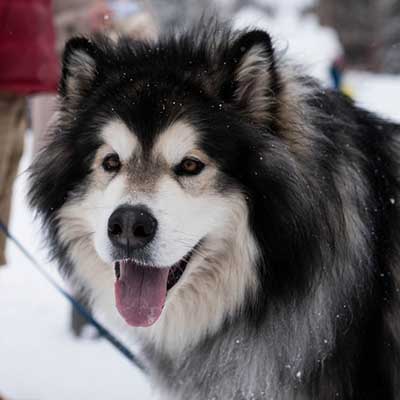
Alaskan Malamute
The Alaskan Malamute, known as the largest sled dog in the Arctic, gets its name from both its geographical roots and the Mahlemut tribe it is linked to. This ancient breed has a history that dates back around 4,000 years, originating with the Inuit people of Alaska. Originally bred to hunt large game such as polar bears and seals, Malamutes are now mainly used for sled pulling and as cherished pets. They generally maintain good health, with an average lifespan of about 12 years, although they may be susceptible to certain genetic conditions like hip dysplasia and cataracts. Their unique double coat allows them to thrive in cold and wet conditions, and they actually prefer cooler climates. Alaskan Malamutes are typically striking in appearance, often showcasing a white base adorned with shades of gray, red, or black. While they bear a resemblance to wolves, their expressions are characteristically softer.
Read more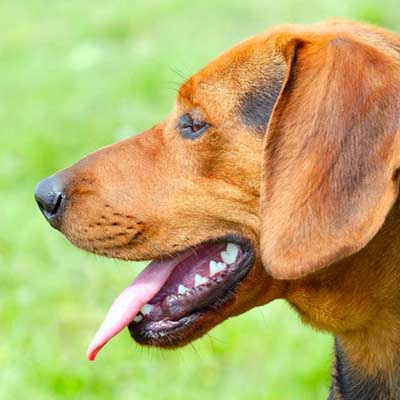
Serbian Hound
Vibrant in the field and affectionate at home, the Serbian Hound is renowned for its remarkable abilities as both a loyal companion and a skilled hunter. With a history that spans nearly a millennium, this breed has long been a favored choice among hunters in the Balkans, prized for its sharp sense of smell, endurance during hunts, and intelligence. While they are often employed in packs to track and capture larger game like deer and boar, they also thrive as solitary hunters, adept at pursuing smaller prey such as hares and foxes. Despite their strong hunting instincts, which ignite an almost limitless enthusiasm for the chase, Serbian Hounds exhibit a calm and loving demeanor in domestic settings. Their fierce loyalty, especially towards their trainers and families, can sometimes lead to challenges due to their high intelligence. Naturally sociable, they generally get along well with other dogs and are typically good with children; however, their strong prey drive may create difficulties in homes with non-canine pets. In summary, Serbian Hounds are exceptional companions, skillfully balancing their roles as hunters, protectors, and affectionate family members.
Read more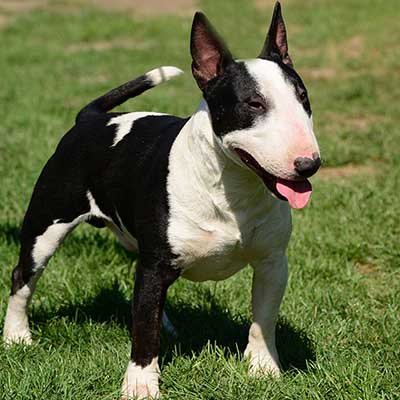
Miniature Bull Terrier
The Miniature Bull Terrier is a smaller version of the modern Bull Terrier, with its origins linked to a mix of the Bull-and-Terrier and Spanish Pointers. This breed actually predates its larger relative, having been developed from the Old English Bulldog and the now-extinct White English Terrier to create the Bull-and-Terrier. Originally bred for rat-catching and pit-fighting, the Miniature Bull Terrier has evolved into a cherished companion, excelling as a family pet and a skilled earth dog. Renowned for its lively and friendly disposition, this breed is often likened to a playful clown. One of its charming yet sometimes troublesome habits is its tendency to chase its own tail, a behavior that can be challenging to manage.
Read more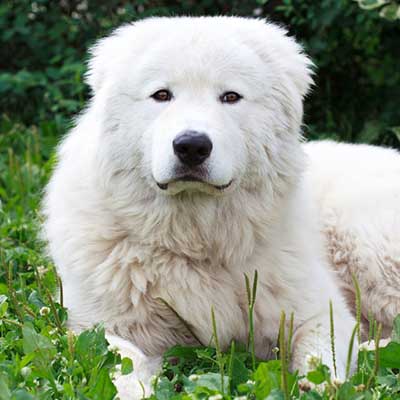
Maremma Sheepdog
The Maremma, akin to the Great Pyrenees from France and Spain and the Tatra from Poland, is part of a renowned lineage of sheepdogs recognized for their impressive stature and distinctive long white fur. Its name is derived from the Maremma and Abruzzo regions in Italy's Lazio and Tuscany, where this breed first emerged. For centuries, Maremmas have primarily served as guardians of sheep, and many of their characteristics stem from this enduring role. In a household environment, Maremmas are known for their affectionate and loyal nature, yet they possess a level of independence that distinguishes them from numerous other breeds. Having spent their lives alongside the flocks they protect, they require significant training and flourish under the leadership of a firm and consistent owner. However, their intelligence and independent tendencies can sometimes lead them to make their own decisions. These dogs are inherently watchful and often patrol their environment, thriving best in homes with large yards or open spaces, as long as the weather isn’t excessively hot. Regular physical activity and mentally engaging tasks are crucial for their overall health. Typically, Maremmas exhibit a calm temperament, barking only when necessary to alert their owners to potential threats or nearby predators. Their deep, resonant bark acts as a powerful deterrent. If not properly managed, they may become overly protective, but they generally avoid physical altercations unless absolutely required. Instead, they prefer to maintain a watchful presence and use their bark as a form of intimidation. With appropriate training and socialization, Maremmas can learn to be more at ease around unfamiliar people.
Read more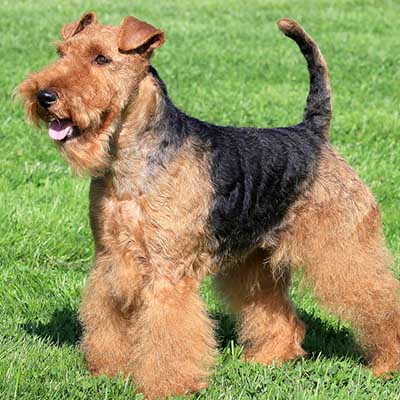
Welsh Terrier
The Welsh Terrier embodies the classic characteristics of a Terrier: courageous, energetic, playful, and spirited. Hailing from Wales in the 1700s, these bearded dogs were initially bred for hunting, adeptly navigating small burrows and caves to flush out game for hunters. While they continue to be employed for hunting and tracking, Welsh Terriers are now more commonly treasured as family pets. They make fantastic companions for children, are excellent running partners, and are always ready to partake in any fun activity you can think of. Historically known as the Black and Tan Wire Haired Terrier due to their striking black and tan coats, these dogs are easily identifiable by their curly beards. The breed was first showcased in England in 1884 and has been a staple in dog shows ever since. When Prescott Lawrence brought them to America that same year, they quickly captured attention at the Westminster Kennel Club, thanks to their distinctive appearance and charming personalities. The American Kennel Club recognized the breed in 1884, which led to the establishment of the Terrier Club of America shortly after. If you’re looking for a dog that will keep you entertained, bring joy to your life, and help manage pesky critters, the Welsh Terrier might be the perfect fit for you. However, it’s crucial to keep in mind that they require ample exercise and can become destructive if they’re not adequately stimulated. By ensuring they remain active and engaged, you can enjoy the delightful companionship of a Terrier that will undoubtedly enhance your life.
Read more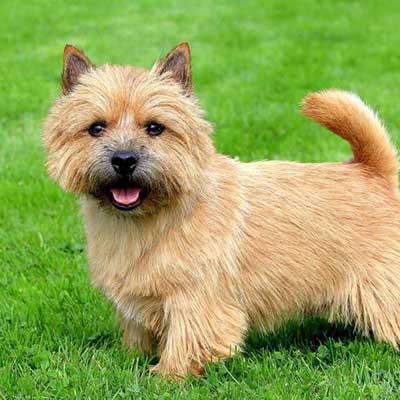
Norwich Terrier
The Norwich Terrier breed originated in England during the 1800s, initially developed as a working dog to control rat populations and other vermin in stables. This breed is the smallest among working terriers, typically standing about 10 inches tall and weighing around 11 pounds. Their coat can come in various colors, including black and tan, grizzle, wheaten, tan, and red. Although these lively dogs were once celebrated for their hunting abilities, they are now mainly cherished as companion animals and show dogs. According to the American Kennel Club, the Norwich Terrier ranks as the 104th most popular breed in the United States, with its registration beginning in 1936. Despite their petite size, they are recognized for their spirited, energetic, and determined personalities, making them endearing and loving pets.
Read more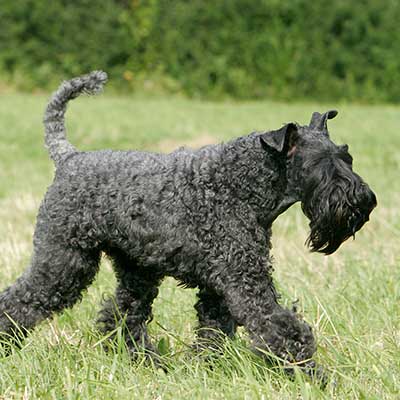
Kerry Blue Terrier
The Kerry Blue Terrier is renowned for its loyalty, intelligence, and sometimes entertaining behavior during play. This medium-sized breed has a robust and muscular physique, which means they require supervision while playing, especially around young children. If they are not properly socialized as puppies, they may become moody or reserved, making it essential for their owners to be strong yet fair and consistent in their training approach. These dogs respond best to positive reinforcement, thriving on praise and rewards rather than harsh discipline. They are particularly sensitive to any perceived unfairness, which can trigger aggressive tendencies if they feel mistreated. Although they are quite energetic, Kerry Blue Terriers can adjust well to living indoors, including in apartments, as long as they receive a good daily walk to help them burn off energy. When out for walks, it’s crucial to keep them on a leash due to their strong hunting instincts, as they may chase after small animals. They can also show aggression towards other dogs, often trying to establish their dominance. Their stunning, soft coat is advantageous for those with allergies, but it requires weekly grooming to keep it in good shape. Regular cleaning of their beards is also necessary to avoid odors from trapped food. Generally, these dogs need a bath once a week and a trim every six weeks. They are low-odor, do not drool, and are extremely loyal to their families. However, they may develop a habit of barking unless trained to limit it to a single bark, a lesson that should start during their puppy stage.
Read more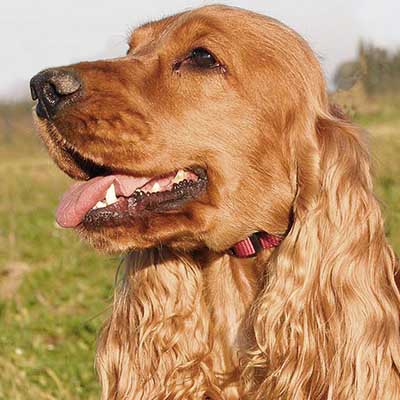
English Cocker Spaniel
English Cocker Spaniels are often described as joyful, a portrayal that truly captures their essence. Initially bred to retrieve game from thick underbrush during hunting expeditions, these dogs are energetic and devoted companions. Their coats, which are soft and silky, are prone to matting and tangling, making regular grooming essential due to their considerable shedding. The English Cocker Spaniel is the ancestor of the American Cocker Spaniel, which has been selectively bred to be somewhat smaller, with a rounder skull and a diminished prey drive. Although English Cocker Spaniels need more exercise than their American counterparts, they tend to be sturdier and less prone to anxiety or nervousness.
Read more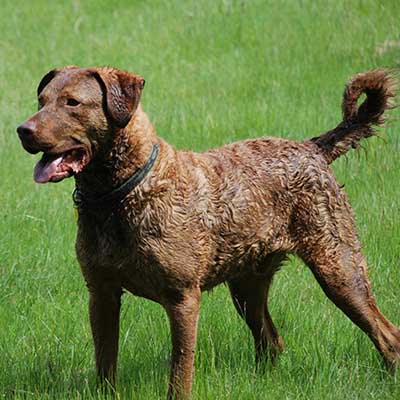
Chesapeake Bay Retriever
The Chesapeake Bay Retriever is a distinctive breed that sets itself apart from other Retrievers. This breed traces its roots back to two Lesser Newfoundland puppies, also referred to as St. John’s Water Dogs, which were saved by an American ship following a shipwreck near Maryland in 1807. These dogs were subsequently crossbred with local breeds, including Water Spaniels, Setters, and Hounds, in a somewhat haphazard manner. Although they share similar roles with other Retrievers, their genetic background is quite unique. Chesapeake Bay Retrievers are known for their striking looks, featuring a slightly oily, musky, waterproof wavy brown coat, captivating amber eyes, and a sturdy, muscular physique. While they are now mainly cherished as family pets and hunting companions, their initial role was to retrieve waterfowl. Renowned for their cheerful disposition, intelligence, and eagerness to please, these dogs excel in work, especially in water-related tasks. Their grooming requirements are relatively low, needing only a weekly brushing and a bath every three to four months. Due to their energetic and robust nature, they benefit from regular, vigorous exercise, whether through walking, running, or hunting geese. To ensure their proper development, consistent training combined with firm yet affectionate discipline is crucial.
Read more