Pure Breeds
Browse a collection of Pure Breeds, including breed names, key traits, and origins. Whether you're interested in officially recognized purebreds or hybrid crossbreeds, this page helps you explore them all in one place.
A breed with a pure lineage, recognized by official breed standards.
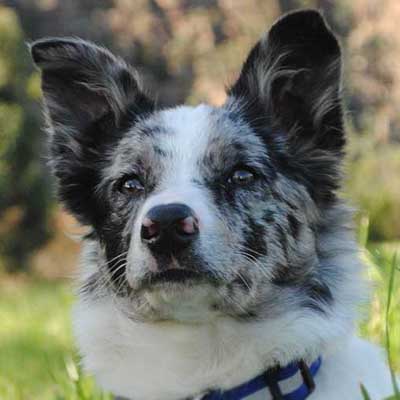
Koolie
The Koolie is an energetic, medium-sized herding breed that originated in Australia in the 19th century. It has significantly influenced the development of both the Australian Cattle Dog and the Australian Kelpie. Renowned for their exceptional drive and strong work ethic, Koolies excel at herding a diverse range of animals, from ducks to cattle, and are also adept at managing other pets and even people. While many Koolies traditionally exhibit merle coat patterns, concerns about the link between this coloration and congenital blindness or deafness have led to a rising preference for solid-colored dogs. Although their inherent friendliness may reduce their effectiveness as guard dogs, their sharp intelligence and vigilance make them excellent watchdogs.
Read more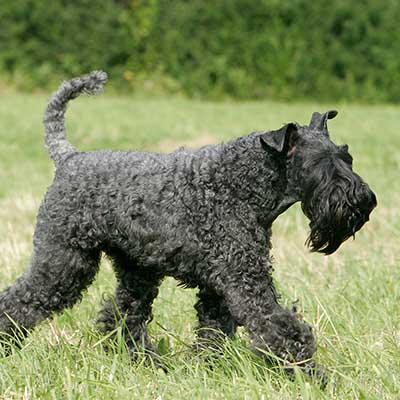
Kerry Blue Terrier
The Kerry Blue Terrier is renowned for its loyalty, intelligence, and sometimes entertaining behavior during play. This medium-sized breed has a robust and muscular physique, which means they require supervision while playing, especially around young children. If they are not properly socialized as puppies, they may become moody or reserved, making it essential for their owners to be strong yet fair and consistent in their training approach. These dogs respond best to positive reinforcement, thriving on praise and rewards rather than harsh discipline. They are particularly sensitive to any perceived unfairness, which can trigger aggressive tendencies if they feel mistreated. Although they are quite energetic, Kerry Blue Terriers can adjust well to living indoors, including in apartments, as long as they receive a good daily walk to help them burn off energy. When out for walks, it’s crucial to keep them on a leash due to their strong hunting instincts, as they may chase after small animals. They can also show aggression towards other dogs, often trying to establish their dominance. Their stunning, soft coat is advantageous for those with allergies, but it requires weekly grooming to keep it in good shape. Regular cleaning of their beards is also necessary to avoid odors from trapped food. Generally, these dogs need a bath once a week and a trim every six weeks. They are low-odor, do not drool, and are extremely loyal to their families. However, they may develop a habit of barking unless trained to limit it to a single bark, a lesson that should start during their puppy stage.
Read more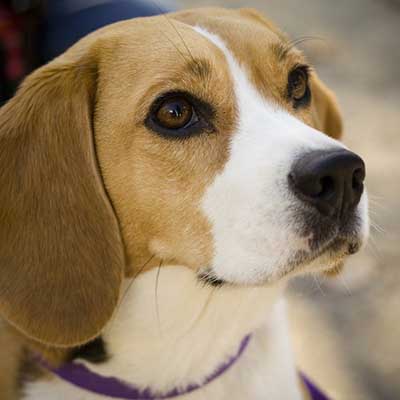
Beagle
The Beagle is frequently seen as one of the most laid-back and cheerful dog breeds. With a lively and amusing demeanor, this breed spreads happiness to those around it. Originating in England in the early 1800s, Beagles were originally developed for tracking and hunting rabbits. They flourish when allowed to explore their environment, utilizing their exceptional sense of smell, which can sometimes lead them into playful trouble. As scent hounds, Beagles have ancestry that includes the Talbot Hound, North Country Beagle, and Southern Hound. Their compact and muscular build makes them an ideal companion. Beagles are easily identifiable by their droopy ears and endearing expressions. Their short, smooth coats require little maintenance; a simple weekly brushing with a rubber curry brush is enough to keep them looking their finest.
Read more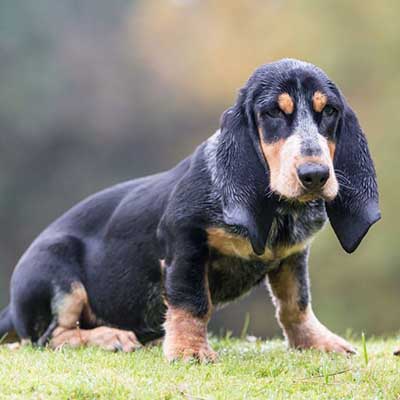
Basset Bleu De Gascogne
The Basset Bleu de Gascogne is one of six unique breeds of Basset Hounds originating from France. This lively hound excels in hunting, relying on his remarkable sense of smell as he often keeps his nose close to the ground. Renowned for his desire to please, he is typically easy to train. He flourishes best in an active home where he can partake in outdoor pursuits such as playing and hiking with his family. When raised with children, the Basset Bleu de Gascogne can make a delightful family companion, though he may initially be cautious around unfamiliar kids. To help him become a happy and well-adjusted family member, proper socialization is crucial.
Read more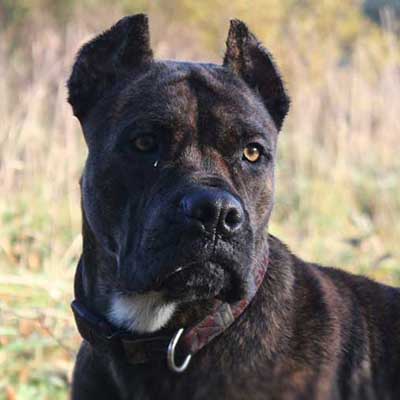
Alano Espanol
The Alano Espanol is a robust dog breed originating from Spain, initially bred for tasks like hunting, guarding, and herding. This breed is not ideal for inexperienced owners due to its size and strong-willed nature. Without proper training knowledge, managing them can be quite challenging. They thrive under the guidance of a confident leader in the home. However, with appropriate training, Alano Espanols can become deeply affectionate and loyal friends. It's important to be ready to invest considerable time each day in their care, as they are energetic dogs that need plenty of exercise.
Read more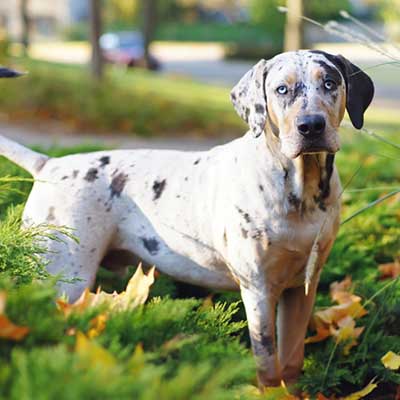
American Leopard Hound
Despite its intimidating name, the American Leopard Hound is a gentle and affectionate companion within the family setting. However, in the field, it becomes a tenacious and brave hunter. This breed has been utilized to track feral hogs, large livestock, and even bears. It has the capability to pursue various types of game and can effectively keep it in place through eye contact and body language until the hunter arrives. Likewise, at home, it expresses its needs and wants to its family using these same nonverbal signals. Furthermore, the American Leopard Hound is recognized for its ease of training.
Read more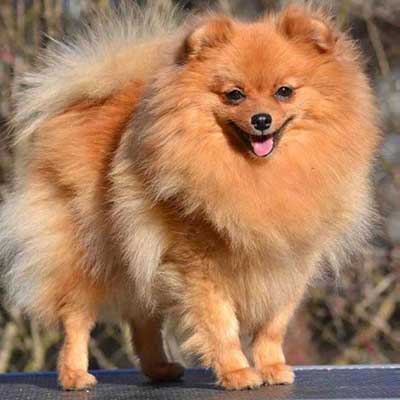
German Spitz
The German Spitz, while reminiscent of a larger Pomeranian, is a distinct breed with its own identity. It is available in two sizes: klein (small) and mittel (medium). These dogs are characterized by their playful, loyal, and sometimes mischievous demeanor, and they can become quite vocal if they do not receive enough mental and physical stimulation. To keep them entertained, it is important to provide a variety of toys and engage them in activities. Furthermore, due to their strong instinct to chase, they may not be suitable companions for smaller dogs or pets like cats, birds, ferrets, and hamsters. The breed's history is thought to date back to the early Stone Age, where they were valued as both hunters and companions.
Read more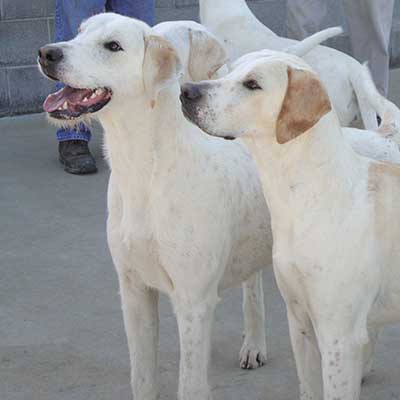
July Hound
The July Hound is a unique variety of American Foxhound, developed by integrating Irish Foxhounds recognized for their exceptional hunting skills, particularly in tracking the Red Fox, a robust and common species. Previous foxhound breeds in the United States were mainly designed for hunting the Grey Fox, which escapes danger by climbing trees. Colonel Miles G. Harris, a Georgian hunter, established the July Hound lineage to create a dog better suited for tracking the ground-dwelling Red Fox, in contrast to the tree-climbing Grey Fox that his earlier dogs had been trained to chase.
Read more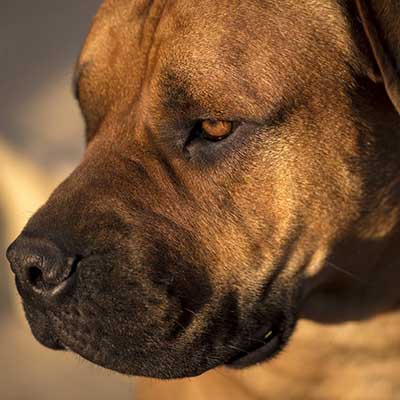
South African Boerboel
The Boerboel is a reliable breed recognized for its robust protective nature. This dog is fiercely loyal, ready to defend its family and home when its owners are away, and will not allow strangers to enter. Energetic and playful, Boerboels enjoy spending time with children, engaging in games of chase and running around for long stretches. They show impressive patience with kids, welcoming their playful antics and relishing the attention they receive. While they are devoted and affectionate towards their owners, it is crucial for them to have a strong, authoritative figure to set boundaries and ensure they obey commands. Due to their strength and powerful jaws, having a capable leader during their developmental stages is vital to prevent any potential risks to others. When it comes to guests, Boerboels require a proper introduction before they will accept them.
Read more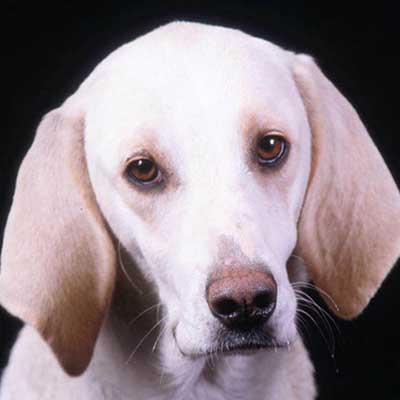
Billy
The Billy, known as the Chien de France-Comte, is a remarkable mix of several now-extinct French dog breeds. This elegant and sizable breed has a strong passion for hunting and tracking. Typically, they possess a well-behaved disposition, getting along fairly well with other dogs and showing a particular fondness for children. However, their amiable nature makes them less effective as guard or watchdogs. In the hunting field, they exhibit a lively spirit, marked by enthusiasm, endurance, and dedication. Unfortunately, their instinct to follow scents remains strong even at home; if allowed to roam off-leash, they may easily wander off in search of enticing smells. Billys often develop deep bonds with their owners, especially when trained by the same individual, leading to a lifelong loyalty. Although they are intelligent, training them can be quite challenging, necessitating an experienced handler to ensure a smooth process. While they are still used as hunting dogs in their native areas, this breed is considered rare and is more often employed for hunting rather than as typical family pets.
Read more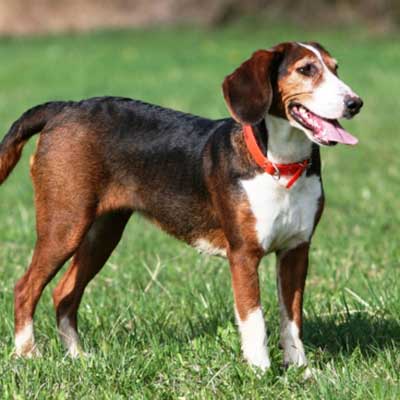
Deutsche Bracke
The Deutsche Bracke is an eye-catching and endearing breed, generally falling within the small to medium size range. While they enjoy popularity in Germany, they are still relatively unknown in many other regions. Bred initially for hunting purposes, these dogs need plenty of exercise, ideally engaging in physical activities twice daily. They thrive on companionship and can experience anxiety if left alone for long stretches, which may result in unwanted behaviors. Their gentle nature makes them excellent companions for families, especially around children. Sociable with other dogs, the Deutsche Bracke has been trained to hunt both in packs and individually. However, their strong hunting instincts can pose a threat to smaller pets like cats or rabbits, so supervision is crucial. Despite their calm demeanor, their independent streak can make training a bit challenging. This breed does not respond well to harsh training methods; instead, positive reinforcement is essential. Training sessions should be fun, varied, and brief to keep their attention. When taking the Deutsche Bracke for walks, it’s important to keep them on a leash, as they can quickly take off in pursuit of an intriguing scent. Once they catch a whiff of something interesting, redirecting their focus can be quite difficult. Overall, this breed is eager to please, affectionate, intelligent, and a devoted companion.
Read more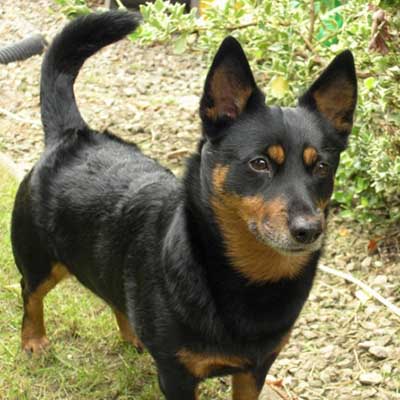
Lancashire Heeler
The Lancashire Heeler is a distinctive and rare small dog breed that hails from Great Britain. Initially bred for herding cattle, these compact dogs are nimble enough to nip at the hooves of cows while skillfully dodging any kicks. Beyond their herding responsibilities, they also served an important function in managing pests on farms, particularly rats. Generally, this breed enjoys good health and demands minimal daily grooming, although they are not hypoallergenic. While they tend to be affectionate and friendly with their families, they may exhibit wariness towards strangers, highlighting the importance of early socialization and training for their proper development.
Read more