Podengo Portugueso
Portuguese Hound, Portuguese Podengo Grande, Portuguese Podengo Medio
The Portuguese Podengo is a rare breed that closely resembles its relatives, such as the Pharaoh Hound, Cirneco dell'Etna, and Ibizan Hound. This energetic and joyful dog flourishes in social settings, ideally in a group or with at least one other dog. Renowned for its friendly nature, the Portuguese Podengo is also great with children. However, it's essential to have a high fence, as this breed is known for its remarkable jumping ability. The breed comes in three distinct sizes, with the Grande and Medio being quite similar; many registries do not differentiate between the two. In contrast, most organizations clearly distinguish the Portuguese Podengo from the smaller Portuguese Podengo Pequeno.

Breed Origin
The Portuguese Podengo is considered one of the oldest dog breeds in the world, with its physical traits remaining remarkably consistent over the centuries. This breed's ancestry can be traced back to dogs brought to the Iberian Peninsula by the Romans and Phoenicians more than 2,000 years ago. The larger variant was originally bred for hunting boar and deer, while the medium-sized type was designed for chasing rabbits and other small game. During the 8th century Moorish Invasion, additional hounds from North Africa were incorporated into the breeding of the ancient Portuguese Podengo. Currently, the Portuguese Podengo is celebrated as one of Portugal's ten National Dogs, which includes all three size variations and both coat types. The Portuguese Kennel Club, known as the Clube Portugues de Canicultura, has adopted this breed as its official symbol. Founded in the early 1900s, the Club do Podengo Portugues serves as the national breed club, overseeing the breeding and registration of both adult dogs and puppies. At the beginning of the 20th century, the breed faced a significant decline in population, but the efforts of Portugal’s upper class were instrumental in its revival over the next hundred years. The first Portuguese Podengo arrived in the United States in the 1990s. In 2004, the United Kennel Club began registering the breed, enabling it to compete in all UKC events. Many Portuguese Podengos in the U.S. are registered with the CPP, and numerous litters born abroad have also been recorded by the club. That same year, the Portuguese Podengo was accepted into the American Kennel Club’s Foundation Stock Service and is currently classified under the Miscellaneous Class, which is the final step before achieving full AKC recognition.
Breed Appearance
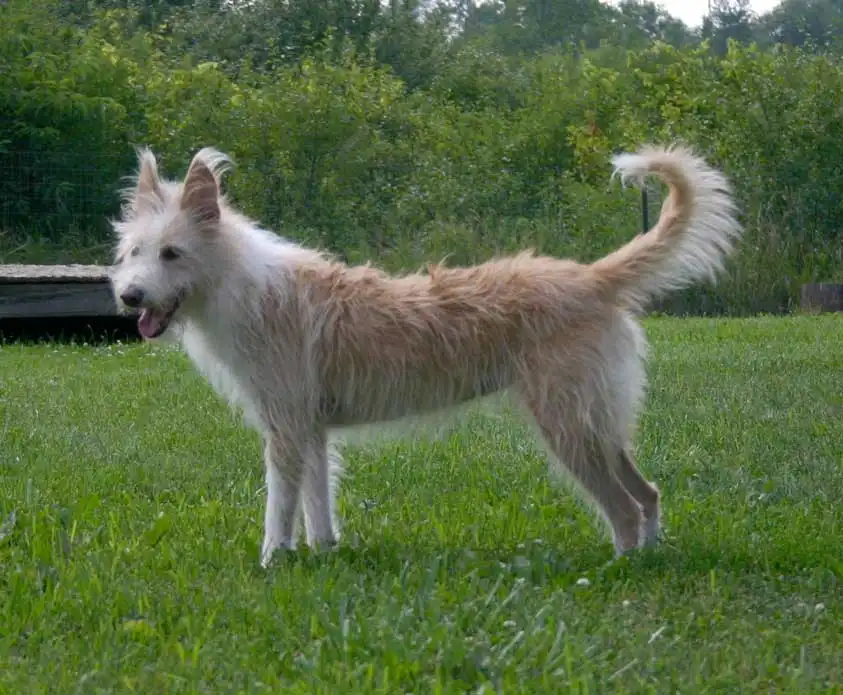
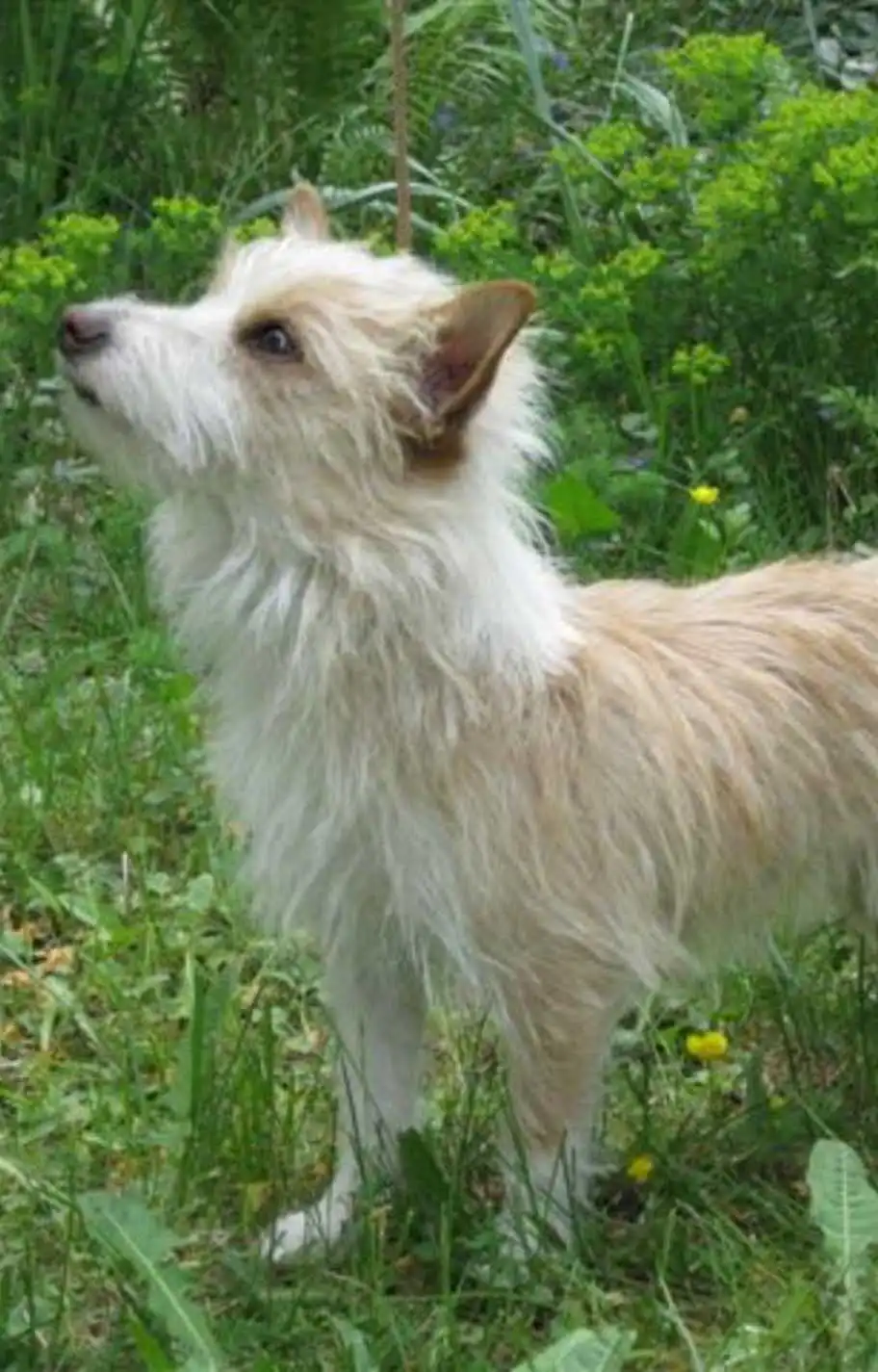
The Portuguese Podengo is offered in three unique sizes and two types of coats. The American Kennel Club (AKC) classifies the Portuguese Podengo Pequeno as a distinct breed, whereas the larger variants—the Portuguese Podengo Grande and Medio—are frequently categorized together. The Grande, or large version, generally stands between 22 and 28 inches tall at the shoulder and weighs between 44 and 66 pounds. In comparison, the Medio, or medium size, reaches a height of 16 to 22 inches and weighs between 35 and 45 pounds. There are two coat types available: smooth and wire. The smooth coat consists of a short, dense double layer that has a coarse texture, while the wire coat is noted for its harsh, moderately dense feel, lacking an undercoat, and features a prominent beard and mustache. This breed showcases a range of colors, including black, fawn, gold, chestnut, grey, and orange. Its almond-shaped eyes can vary from amber to brown, and the nose, which should be darker than the coat, is typically either black or brown.

Care Routine
The Portuguese Podengo is quite easy to care for in terms of grooming. Its coat needs to be brushed weekly to remove any loose or dead hair. For both coat types, using a natural bristle brush or a slicker brush is advisable, and a rubber curry comb or hound mitt can also be useful. For the wire-haired variety, a metal comb is crucial for maintaining the beard, which should be kept in its natural state without excessive trimming. The smooth coat has a double layer and will shed seasonally, requiring more frequent brushing during those times. Generally, baths are only necessary two to three times a year, unless the dog encounters something particularly smelly. In between baths, a dry shampoo can help maintain freshness. It's also essential to check and clean the ears weekly to avoid infections. Nail trimming should occur every few weeks, depending on how quickly they grow. It's worth noting that neither coat type is hypoallergenic.
Behavior & Temperament
The Portuguese Podengo is a breed known for its intelligence and alertness, always keeping a watchful eye on its environment. This dog exhibits a strong loyalty to its family and often shows caution around strangers. Generally, Podengos are wonderful with children, particularly if they have grown up together. As a sighthound, they possess a natural instinct to chase after moving objects, including animals and vehicles, making it essential to keep them securely fenced or on a leash during outings. Small pets may be seen as potential prey, so close supervision is necessary when they are outside their enclosures. However, if raised alongside cats from a young age, Podengos can live harmoniously with them. This breed shines in various canine sports such as lure coursing, agility, and flyball, which not only offer vital exercise but also enhance the bond between the dog and its owner. Podengos are happiest when they have at least one other dog as a companion at home. If they are the sole dog, they will need extra attention from their human family to compensate for the lack of canine company. Additionally, they tend to bark and may become a nuisance if left alone for long periods.


Play & Exercise
Things to Know
Cups Per Day
2.3 Cups
Daily Activity
45 Minutes
Average Lifespan
13 Years
Origin
Ancient
Type
Pure Breeds
Size
Medium
Origin Country
Portugal
Brush Frequency
Weekly
Coat Texture
Wiry
Register
Your kids have been begging for a pet forever, and you've recently decided that it's time for your family to get a new addition -- a dog! While everyone is excited for the new arrival, you're wondering if you need to have a dog license. How much does it cost? Is it required? Where do you get one?
Member Clubs

PETINNATE
Sighthound and Pariah Dog

AKC
Miscellaneous Class

UKC
Sighthound and Pariah Dog
Height & Weight
Weight
51 lbs (23 kg)Male: 51 lbs (23 kg) , Female: 51 lbs (23 kg)
Height
22 inches (56 sm)Male: 22 inches (56 sm) , Female: 22 inches (56 sm)
6 Months

22 lbs ( m 22 lbs, f 22 lbs )
15 inches ( m 15 inches, f 15 inches )
12 Months
35 lbs ( m 35 lbs, f 35 lbs )
19 inches ( m 19 inches, f 19 inches )
18 Months
50 lbs ( m 50 lbs, f 50 lbs )
22 inches ( m 22 inches, f 22 inches )
Eye Colors
Brown

Amber
Nose Colors
Black
Brown
Coat Colors
Black

Gray

Fawn