Lakeland Terrier
Cumberland Terrier, Fell Terrier, Patterdale Terrier, Colored Working Terrier, Westmorland Terrier
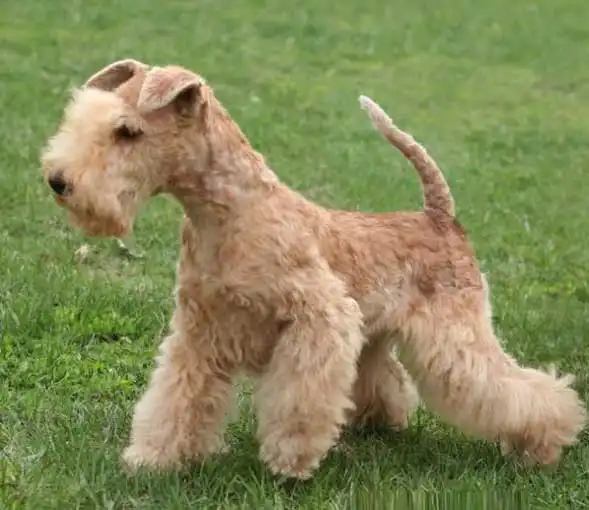
The Lakeland Terrier is one of the oldest breeds within the Terrier group, initially developed for hunting a range of pests such as otters, badgers, and even foxes. Since some of these animals could be larger than the dog, these Terriers were bred to be remarkably courageous. However, despite their boldness in the field, they are more prone to separation anxiety than many other breeds. Often considered hypoallergenic, Lakeland Terriers have minimal shedding and low odor. Although they don’t need regular baths, keeping their coat healthy requires weekly brushing and occasional clipping or stripping.
Breed Origin
Terriers were originally bred to hunt and eradicate animals deemed pests, such as rats, badgers, otters, foxes, and weasels. As time passed, these dogs evolved into distinct varieties, each tailored to target specific vermin based on their size, color, and temperament. One of the oldest working breeds among Terriers is the Lakeland Terrier, which has been known by several names throughout its long history. Hailing from England's Lake District, they were first referred to as Patterdale Terriers and were specifically bred to assist local farmers in tracking down larger vermin like badgers, otters, and foxes. Their purpose extended beyond merely alerting humans or cornering these animals; they were expected to actively hunt and eliminate threats to livestock. These Terriers were selectively bred for their gameness, a characteristic that embodies their tenacity and willingness to confront formidable challenges or injuries. This trait has led some Lakeland Terriers to pursue their prey into burrows and continue the chase for extended periods. In 1912, a breed club was formed to officially recognize various Terrier breeds, including the Lakeland Terrier, which at that time was known as the Cumberland County Terrier. However, the advancement in establishing a clear breed standard was interrupted by World War I, delaying formal recognition until the 1920s, when the name Lakeland Terrier was officially adopted. The breed made its first appearance in the show ring at Crufts in the UK in 1928 and gained official recognition from the American Kennel Club in 1934.
Breed Appearance
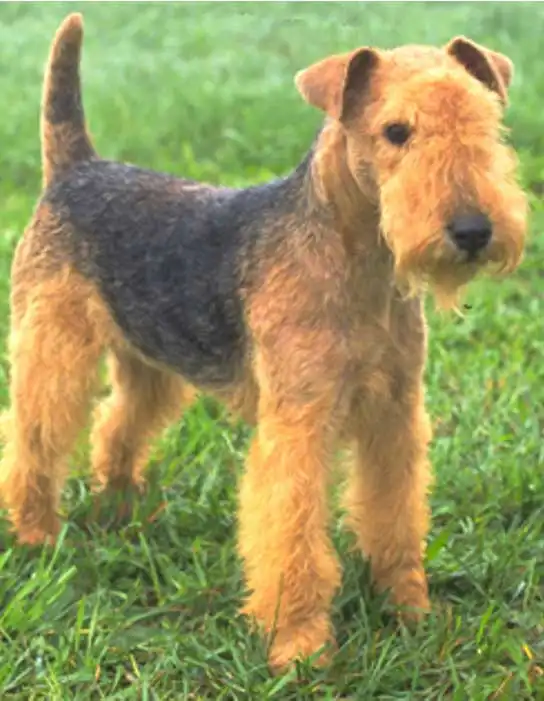
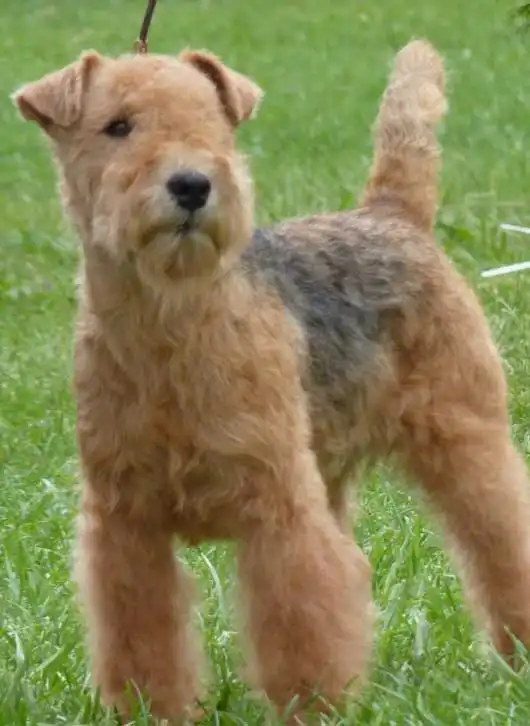
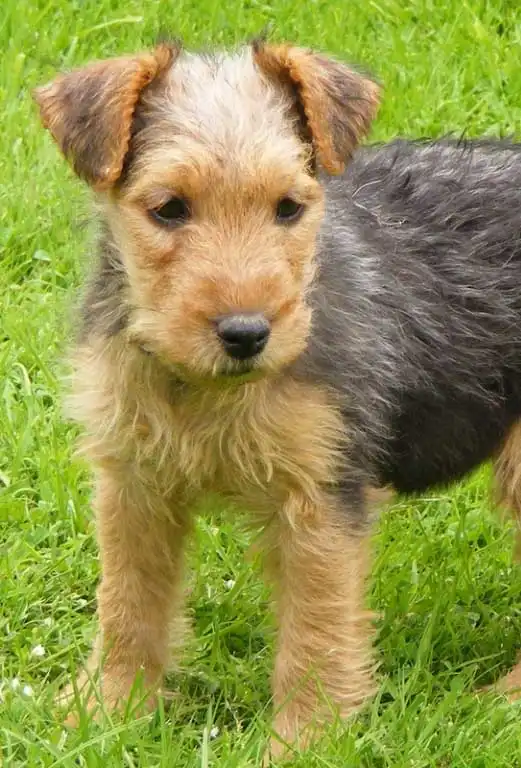
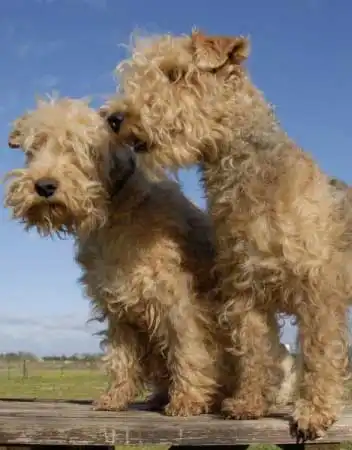
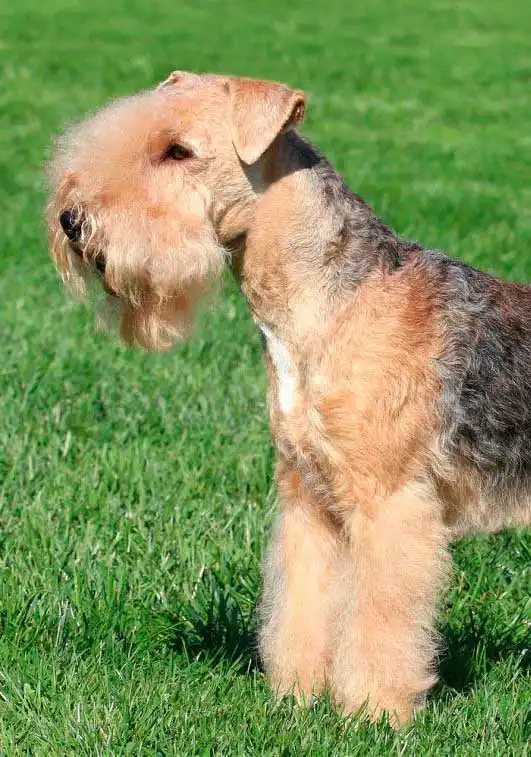
The Lakeland Terrier is a breed that combines compactness with a slender physique, marked by a sturdy build, an elongated neck, and a square shape. Its head is long and rectangular, adorned with short, V-shaped ears that droop towards the face, which can give the dog a playful or sharply attentive look. The coat of the Lakeland Terrier is short and dense, featuring a soft undercoat and a slightly longer layer of wiry hair, along with bushy fur on the face and legs. This breed comes in a range of recognized colors, including black, blue, brindle, grizzle, liver, red, red grizzle, wheaten, black and tan, blue and tan, liver and tan, and grizzle and tan. Initially bred for hunting larger game, these dogs have a scissor bite and a strong jaw. While their tails were traditionally docked to avoid injury during work, many contemporary owners choose to keep them intact. Regardless of whether the tail is docked or not, it is usually carried high, though it should not curl over the back.
Care Routine
Lakeland Terriers are frequently considered a hypoallergenic breed due to their minimal shedding. They don’t require frequent baths, but they do need specific grooming routines. Weekly brushing and combing are crucial for removing dirt, tangles, and excess hair, as well as for distributing their natural oils evenly across their coat. To keep their fur in good condition, regular clipping or stripping is important. For those who prefer stripping, there are two methods: hand stripping or using a stripping knife. While a clipped coat may be easier to maintain, it can alter the texture and color of the fur. These dogs are very active and require plenty of exercise to stay happy and healthy. Despite their small stature, their high energy and tendency to bark often make them less ideal for living in apartments.
Behavior & Temperament
This breed is recognized for its sharp intelligence and quick learning capabilities. However, they also have a pronounced independent nature and can be quite headstrong, which makes it crucial to set clear boundaries to ensure a peaceful home life. Lakelands often exhibit caution around unfamiliar dogs and people; without adequate socialization, they may show aggression towards other dogs and even strangers. Within their family units, they are typically playful and loving. While they can be excellent companions for older children, it’s important to supervise them closely around younger kids, as they may display protective behaviors and could be sensitive to rough handling. Additionally, they may find it challenging to live harmoniously with other dogs in the home, particularly if those dogs are terriers or of the same gender. If they haven’t been introduced to cats during their formative stages, they might treat them as prey and chase them. Moreover, they are inclined to pursue any small animals that enter their territory, such as mice, gerbils, or hamsters.
Play & Exercise
Things to Know
Cups Per Day
1.3 Cups
Daily Activity
60 Minutes
Average Lifespan
14 Years
Origin
1700s
Type
Pure Breeds
Size
Small
Origin Country
England
Brush Frequency
Weekly
Coat Texture
Wiry
Register
Your kids have been begging for a pet forever, and you've recently decided that it's time for your family to get a new addition -- a dog! While everyone is excited for the new arrival, you're wondering if you need to have a dog license. How much does it cost? Is it required? Where do you get one?
Member Clubs

PETINNATE
Terrier

AKC
Terrier Group

UKC
Terrier
Height & Weight
Weight
16 lbs (7 kg)Male: 16 lbs (7 kg) , Female: 16 lbs (7 kg)
Height
14 inches (36 sm)Male: 14 inches (36 sm) , Female: 14 inches (36 sm)
6 Months
11 lbs ( m 11 lbs, f 11 lbs )
11 inches ( m 11 inches, f 11 inches )
12 Months
14 lbs ( m 14 lbs, f 14 lbs )
12 inches ( m 12 inches, f 12 inches )
18 Months
16 lbs ( m 16 lbs, f 16 lbs )
13 inches ( m 13 inches, f 13 inches )
Eye Colors
Brown

Nose Colors
Black
Coat Colors
Black

Gray
Brown
Red
Cream
Fawn
Blue
Silver

Sable
Brindle
Characteristics
Mixes
Border Collie Lakeland
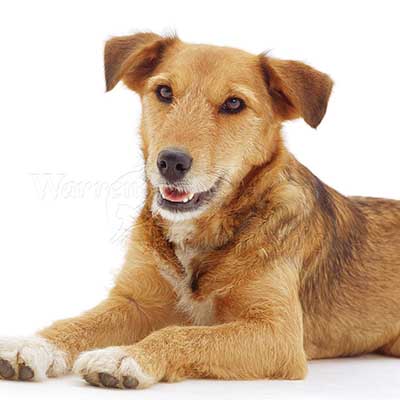
The parent breeds, the Border Collie and the Lakeland Terrier, are categorized as medium and small-sized dogs, respectively. Renowned for their high energy and outstanding herding skills, the Border Collie stands out among dog breeds. Both of these breeds originated in England, particularly in the rugged border areas between England and Scotland, where they were developed from various shepherding breeds to assist local farmers as hunters and herders. They feature moderately long coats that necessitate a fair amount of grooming. Furthermore, both breeds are intelligent, though they display different energy levels; the Border Collie is known for its loyalty, alertness, protectiveness, and responsiveness, while the Lakeland Terrier contributes traits of aggression and independence to their lineage.
Read more
Patterland
The combination of a Lakeland Terrier and a Patterdale Terrier produces a sturdy small dog celebrated for its self-assured nature and unwavering loyalty. Reflecting its Terrier heritage, the Patterland displays characteristic features such as agility, a propensity to chase moving objects, and a touch of stubbornness that requires a confident owner. This lively and courageous breed does not actively seek out fights but will stand firm when provoked. Beneath its tough exterior lies a gentle temperament; it thrives on human interaction and prefers to stay close to its owner. Leaving it alone for extended periods can lead to boredom and mischievous behavior, making it less suitable for those who are frequently away from home. The Patterland is an excellent choice for families, providing companionship for children. When raised with other pets, it can develop strong relationships, though supervision during their interactions is recommended to manage any instinctual behaviors. Ensuring proper socialization is essential for this dog to exhibit its best qualities. In essence, the Patterland Terrier is a charming blend of resilience and affection, with a loving spirit at its core.
Read more