Dog Breeds by General Health
General Health refers to how a dog typically behaves or responds in everyday situations. Individual dogs may vary based on training, environment, and genetics.
Due to poor breeding practices, some breeds are prone to certain genetic health problems, such as hip dysplasia. This doesn't mean that every dog of that breed will develop those diseases; it just means that they're at an increased risk. If you're buying a puppy, it's a good idea to find out which genetic illnesses are common to the breed you're interested in, so you can ask the breeder about the physical health of your potential pup's parents and other relatives.
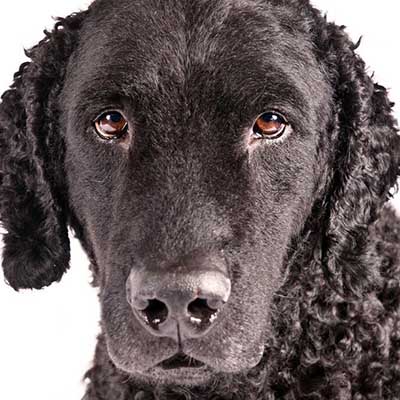
Curly-Coated Retriever
These affectionate and intelligent dogs have vibrant minds that require an active lifestyle to keep them content. They thrive best with owners who can involve them in various activities such as swimming, running, or hiking, along with other forms of physical exercise. Unlike some other Retrievers, they require more social interaction due to their inherent cautiousness around strangers. However, they are generally friendly and playful with other animals. Their cleverness can sometimes lead to playful antics, highlighting the necessity of effective obedience training. The Curly Coated Retriever, commonly known as the Curly or CCR, originated in the United Kingdom and has a history that spans roughly 300 years.
Read more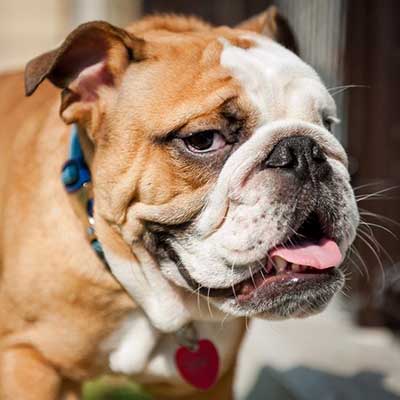
English Bulldog
The Bulldog often reveals a surprising contrast between its fierce, intimidating look and its true character. Beneath that tough facade lies a gentle and loving nature; these dogs are remarkably friendly and deeply value their human companions, all while exhibiting a playful streak of stubbornness. Above all, their loyalty to their families is steadfast. As puppies, Bulldogs are brimming with energy, but they gradually evolve into more laid-back adults. They have a special affinity for children, showcasing impressive patience; when they’ve had enough excitement, they simply relocate to a quieter area. Bulldogs also get along well with other pets, making them one of the most versatile breeds for households with multiple animals. As they age, Bulldogs tend to become a bit more sedentary, preferring to relax by your side and observe their surroundings. While they enjoy playtime with kids, it won’t be long before they seek out their favorite sunny spot for a nap. It’s essential to keep in mind that Bulldogs can easily overheat, so they need a cool retreat during the hot summer months. Additionally, they are known for their drooling and snoring, and their short snouts can lead to specific health concerns. Nonetheless, they are charming and devoted companions that bring joy and laughter to any household.
Read more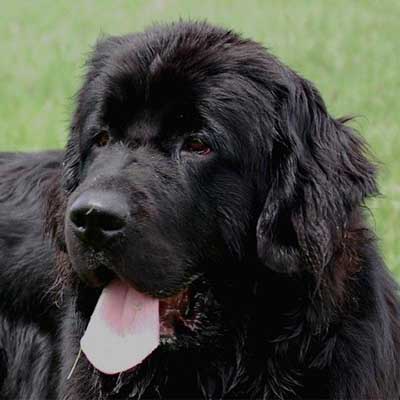
Newfoundland
The Newfoundland is a breed that originates from North America, specifically Newfoundland Island in Canada. While the exact beginnings of this breed are not entirely clear, it is thought that European fishermen introduced its ancestors to the island. Some theories propose that the Newfoundland may have descended from the white Great Pyrenees, while others suggest a connection to a French hound. Originally developed as a multi-purpose water dog and fishing aide, the Newfoundland has since become crucial in water rescue efforts. This sizable breed generally weighs between 130 and 150 pounds, with males reaching about 28 inches in height and having a body that is slightly longer than it is tall. With their sturdy build and strong bones, Newfoundlands have the power needed to rescue individuals from drowning, even in rough waters. Their webbed feet and water-resistant fur aid in swimming, while their strong, effortless gait enhances their ability to pull effectively.
Read more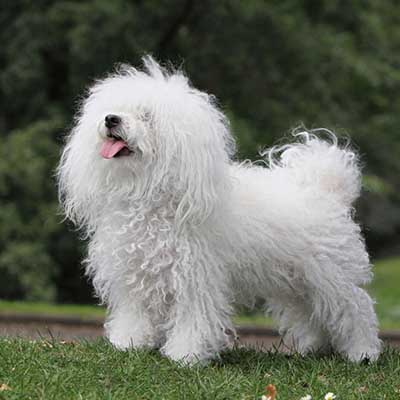
Bolognese
The Bolognese, a breed that hails from northern Italy, is celebrated as a companion dog and is one of the oldest breeds in Europe, with origins dating back to the 12th century. In the United States, however, this breed remains relatively rare. Bolognese dogs are known for their intelligence and ability to learn quickly, making them generally easy to train, although they may show a hint of stubbornness at times. Their unique, thick, curly white coat necessitates daily brushing and occasional professional grooming to keep it in good shape. Affectionately called Bolos, these dogs are low-energy and adapt well to living in apartments. Since they were specifically bred for companionship, they struggle with being left alone, which can lead to separation anxiety and result in unwanted behaviors like barking, chewing on furniture, or urinating indoors. Furthermore, due to their small size and potential delicacy, Bolognese dogs may not be the best fit for families with young children.
Read more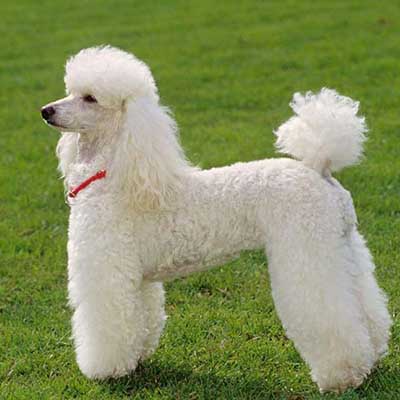
Poodle
Poodles, one of the most ancient dog breeds, are celebrated for their remarkable intelligence and ease of training, which makes them a popular choice among dog enthusiasts. They generally interact well with children and other pets, especially if they are socialized early on. Currently, Poodles are available in several sizes, including Toy, Miniature, and Standard. Each Poodle boasts a dense, curly coat that can range in texture from coarse to wiry and comes in nearly every color imaginable. Although they have charming personalities, they do require significant grooming and are susceptible to various serious health concerns. However, their loving and loyal disposition makes the extra care and attention well worth it!
Read more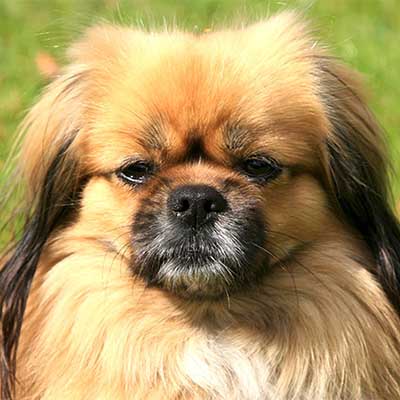
Tibetan Spaniel
The Tibetan Spaniel, celebrated for its independent spirit and gentle demeanor, was originally bred by Buddhist monks in Tibet. This breed is reminiscent of a lion, which holds significant meaning in Buddhism. While it shares some characteristics with the Pekingese, the Tibetan Spaniel features a slightly elongated face and does not possess the excessive skin commonly found in that breed. Its body is longer than it is tall, complemented by a small, rounded head that is well-proportioned to its frame. The muzzle is of medium length and smooth, free from wrinkles, while its dark, widely spaced eyes add to its charm. This delightful dog is adorned with a silky, flat double coat and a feathery tail that arches gracefully over its back, along with a longer mane around its neck. Historically, this loyal breed functioned as both a watchdog and a companion, alerting its owners to potential dangers with its distinctive bark. To maintain the health of its coat, regular grooming is vital, requiring daily brushing and combing to avoid matting. The Tibetan Spaniel has moderate energy levels, so it is important to provide adequate mental and physical stimulation to keep it engaged and stave off boredom.
Read more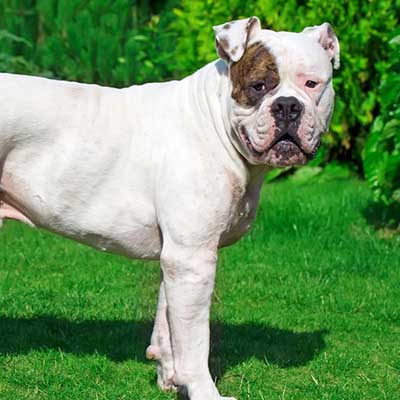
American Bulldog
The American Bulldog is a strong and athletic breed that, despite its imposing appearance, has a gentle disposition and a playful nature. This breed is divided into two main categories: the Johnson type, often called the Bully or Classic type, which has a stockier frame and a shorter muzzle similar to that of the English Bulldog; and the Scott type, known as the Standard or Performance type, which is more agile, featuring a longer muzzle and a squarer head. Many American Bulldogs today are hybrids of these two varieties. Frequently confused with the often-misunderstood American Pit Bull Terrier, the American Bulldog is a distinct breed with its own characteristics that make it not only an excellent working dog but also a loving family pet. Beneath their tough exterior lies a sensitive and emotional nature, which allows them to be highly aware of their surroundings. This sensitivity contributes to their success as family companions, particularly in households with children, as they relish playful interactions and can sense the mood of their environment. These dogs are celebrated for their affectionate personalities and strong self-assurance, which often translates into loyalty, obedience, and a protective instinct. However, because they can be reserved around unfamiliar people and other dogs, early socialization and training are crucial for their development in diverse social situations. As a high-energy breed, they thrive in homes with ample outdoor space and regular exercise, although they can adapt to apartment living if their owners lead an active lifestyle that includes them.
Read more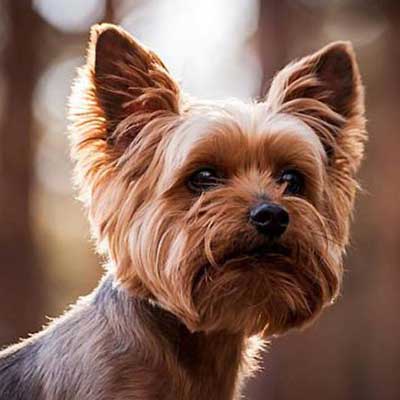
Yorkshire Terrier
The contemporary Yorkshire Terrier is a small breed primarily valued for companionship. In stark contrast, its forebears were much larger and were utilized for hunting small rodents and other vermin. It is thought that the Yorkshire Terrier emerged from a mix of several terrier breeds, with some contributions from the Maltese. Among these breeds are the Skye Terrier, Dandie Dinmont, Manchester Terrier, and the now-extinct Paisley or Clydesdale Terrier. Over the years, this brave little hunting dog evolved into a trendy pet, so petite that many women now carry them in handbags or under their arms. The American Kennel Club officially recognized the Yorkshire Terrier in 1885.
Read more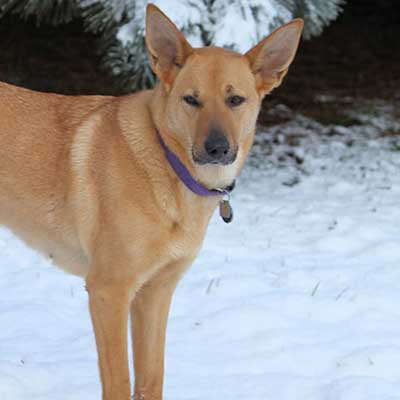
Chinook
The Chinook is a breed that is uniquely American in its heritage. Its beginnings can be traced to a female Northern Husky and a dog from the Arctic region. The father was of mixed lineage, and the resulting puppy, which was eventually named Chinook, did not closely resemble either of its parents; over time, this name became synonymous with the breed itself. Interestingly, the Chinook is believed to have been part of Admiral Byrd’s 1927 expedition to the South Pole, where it reportedly achieved remarkable records in terms of time, distance, and load capacity during the early 20th century. Today, thanks to the commitment of a small group of passionate breeders, the Chinook remains a rare breed.
Read more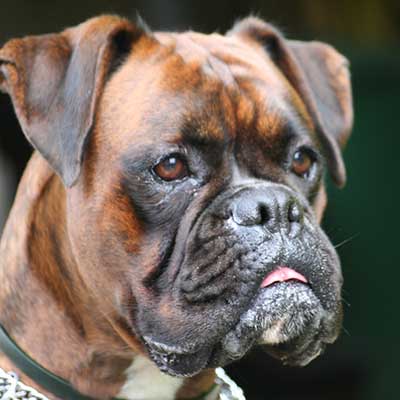
Boxer
The Boxer breed traces its roots back to Germany in the early 19th century, where it was originally developed for use as a bait and fighting dog, as well as a loyal guardian. Its strong, muscular, and agile build made it ideal for these roles until the prohibition of bull baiting and dog fighting. Since then, the Boxer has gained immense popularity around the globe, renowned for its loyalty, playful nature, and high energy, which make it an excellent family pet. Furthermore, Boxers are recognized for their self-grooming tendencies, resulting in relatively low grooming needs. However, it is crucial to provide them with sufficient mental and physical stimulation; without it, they may exhibit undesirable behaviors.
Read more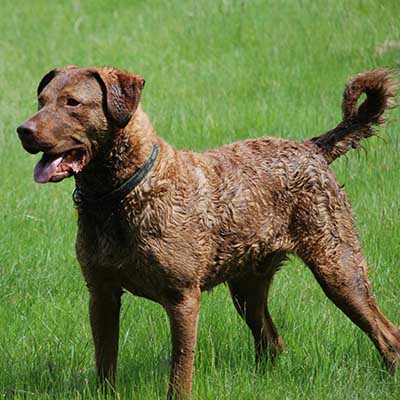
Chesapeake Bay Retriever
The Chesapeake Bay Retriever is a distinctive breed that sets itself apart from other Retrievers. This breed traces its roots back to two Lesser Newfoundland puppies, also referred to as St. John’s Water Dogs, which were saved by an American ship following a shipwreck near Maryland in 1807. These dogs were subsequently crossbred with local breeds, including Water Spaniels, Setters, and Hounds, in a somewhat haphazard manner. Although they share similar roles with other Retrievers, their genetic background is quite unique. Chesapeake Bay Retrievers are known for their striking looks, featuring a slightly oily, musky, waterproof wavy brown coat, captivating amber eyes, and a sturdy, muscular physique. While they are now mainly cherished as family pets and hunting companions, their initial role was to retrieve waterfowl. Renowned for their cheerful disposition, intelligence, and eagerness to please, these dogs excel in work, especially in water-related tasks. Their grooming requirements are relatively low, needing only a weekly brushing and a bath every three to four months. Due to their energetic and robust nature, they benefit from regular, vigorous exercise, whether through walking, running, or hunting geese. To ensure their proper development, consistent training combined with firm yet affectionate discipline is crucial.
Read more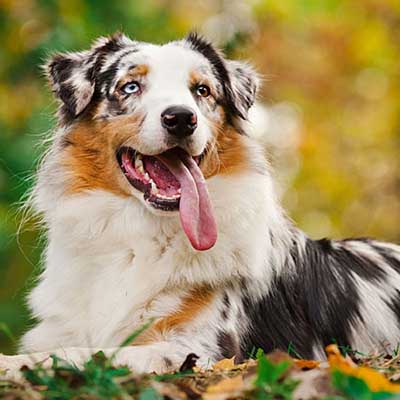
Australian Shepherd
The Australian Shepherd is a remarkably intelligent and loyal companion, yet it is also a breed brimming with energy that flourishes with active involvement. Renowned for its prowess in a variety of canine sports such as herding trials, tracking, agility, flyball, tricks, and obedience, the Aussie—its affectionate nickname—demands a household that can provide consistent training, structure, and plenty of physical exercise. This breed possesses a strong herding instinct, often leading it to nip at or bark at animals, people, and objects. If not given a specific task to engage with, the Australian Shepherd may exhibit disruptive and destructive behaviors. Interestingly, despite its name, the breed was actually developed in the United States for herding purposes.
Read more