Brussels Griffon
Belgian Griffon, Petit Brabancon, Griffon Belge, Griffon Bruxellois
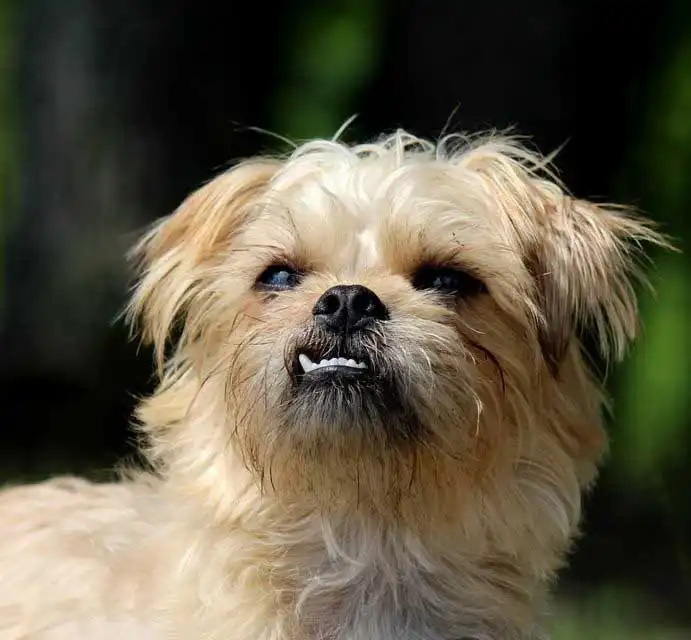
This energetic and vivacious breed has humble beginnings, initially bred to hunt vermin in Belgian stables. As time passed, it was interbred with the Pug, creating an endearing little companion for cab drivers. It's uncertain whether passengers were more enamored with the Griff or the drivers themselves! With its expressive face reminiscent of a Pug and a coat that can be either smooth or wiry, this breed—often dubbed the "velcro dog"—is celebrated for its steadfast loyalty, affection, playful nature, curiosity, and protective instincts, along with a strong aversion to being left alone. Nevertheless, the Brussels Griffon is prone to several health concerns, such as cataracts, progressive retinal atrophy, Chiari-like malformation (CM), syringomyelia (SM), corneal dystrophy, and hip dysplasia.
Breed Origin
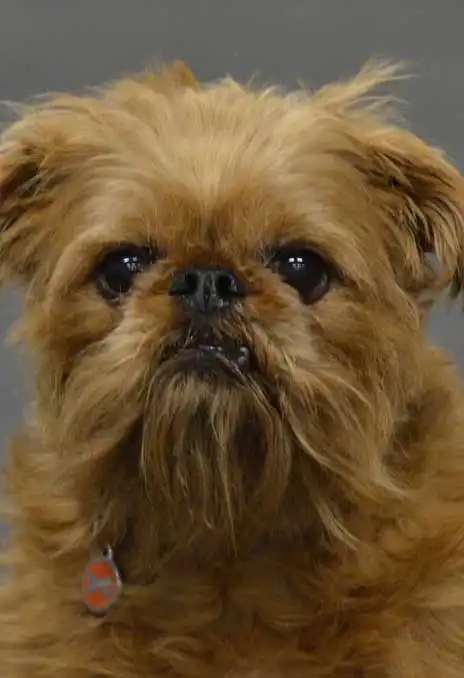
The Brussels Griffon breed has its roots in Belgium, specifically in Brussels, dating back over 200 years. It originated from the Griffon d’Ecurie, a wire-haired dog that became popular among cab drivers, farmers, and peasants for its ability to deter theft and manage vermin. In the 1800s, this determined little ratter was crossbred with the Pug, giving rise to its notable feature—a distinctive head that enhances its expressiveness. As the breed developed, it incorporated genes from the Affenpinscher, the English Toy Spaniel, and possibly the Yorkshire Terrier, resulting in the sturdy and compact toy breed we know today. Although the original instincts for rat-catching have mostly been bred out, the Brussels Griffon still embodies a fearless, courageous, and adventurous nature. This devoted and affectionate companion is often referred to as a "velcro" dog, typically staying close to its owners, even while resting. Whether it has a rough or smooth coat in colors like red, black, black and tan, or beige, the Brussels Griffon is known for its intelligence and adaptable demeanor, making it an excellent companion. While the breed remains relatively uncommon compared to other toy breeds, it includes three varieties: Brussels Griffon, Belgium Griffon, and Petit Brabancon, with the American Kennel Club officially recognizing only the Brussels Griffon in both coat types. The breed has gained a slight increase in popularity due to its appearances in various films, yet it still trails behind other small breeds as a companion dog. The Brussels Griffon is recognized by several organizations, including the AKC, ANKC, APRI, CKC, FCI, NAPR, and UKC.
Breed Appearance
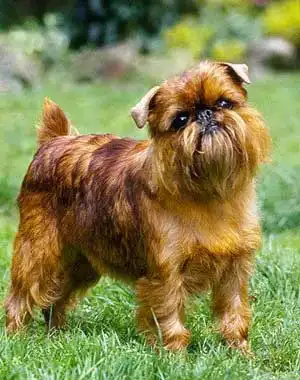
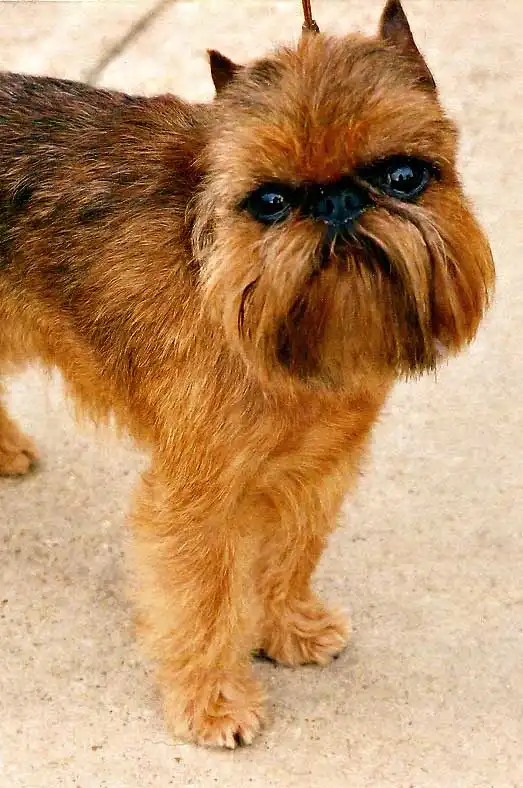
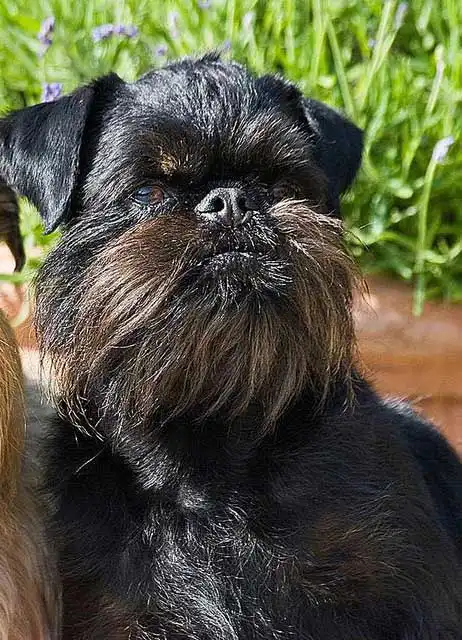
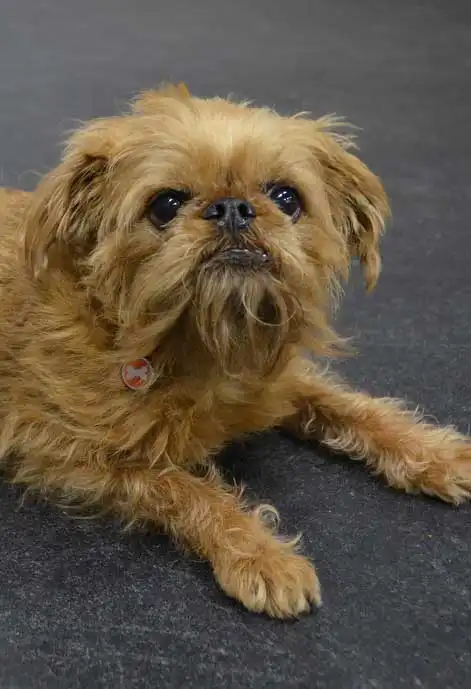
The Brussels Griffon is a compact toy breed known for its sturdy, square build, featuring medium-length, muscular front legs and robust thighs. This energetic little companion has small, round feet equipped with black pads and arched toes. One of the breed's most captivating traits is its exceptionally large, widely spaced eyes, framed by long black lashes, which lend the Griffon a remarkably expressive and almost human-like gaze. The breed sports small ears that are positioned high on the head, which can be left natural or cropped. Its head is notably large and round, topped with a dome-shaped forehead. The nose is short and black, with prominent nostrils, while the jaw typically displays an undershot bite. The Brussels Griffon has a gracefully arched neck of medium length that transitions into a short, level back. The tail is set high and is often cropped to about one-third of its original length. These strong legs allow the Brussels Griffon to move with a purposeful trot. The coat can be either rough or smooth; the rough variety is wiry and dense, with the wiry hair on the head forming a distinctive fringe around the face. In contrast, the smooth coat is straight and glossy, devoid of any wiry texture. This breed is available in various colors, including red (a reddish-brown shade with a few black whiskers on the chin), beige (a blend of black and reddish-brown with a black mask), black and tan (generally all black with consistent reddish-brown markings on the head and legs), and solid black.
Care Routine
The grooming requirements for Brussels Griffons depend on their specific coat type. Those with a rough coat need to be brushed several times a week and should undergo coat stripping every three months to maintain their characteristic wiry texture. On the other hand, those with a smooth coat only require weekly brushing. Bathing and shampooing should be performed as needed. While both coat types do not shed much, it’s important to remember that they are not hypoallergenic. As a small breed, Brussels Griffons are prone to periodontal disease, making regular dental care vital for their oral health and fresh breath. Generally, they are clean dogs with few odor issues. In terms of energy levels, Brussels Griffons are spirited but not excessively hyperactive. They enjoy indoor play and benefit from daily walks. This breed is adaptable to both apartment living and homes with small yards, as long as they receive their daily exercise. Known for their loyalty and affection, they have earned the nickname “velcro dog” because of their tendency to stay close to their owners. Brussels Griffons can thrive in a variety of living environments, whether in spacious houses or compact apartments. However, they do not fare well when left alone for long periods, making them unsuitable as outdoor dogs. They can comfortably live in both urban and rural areas, and since they primarily serve as indoor companions, climate conditions are not a major concern. For their diet, they do best on a balanced diet of commercially prepared or home-cooked meals, though they are always enthusiastic about any table scraps they might receive.
Behavior & Temperament
The Brussels Griffon is a loving breed known for its steadfast loyalty and commitment to its human companions, often displaying a protective nature when necessary. However, they may not extend the same warmth towards children, as they typically prefer to be the center of attention. To cultivate a positive relationship, it is beneficial to introduce them to children early on. When meeting new people, a Brussels Griffon is usually friendly, as long as they feel welcomed. They generally coexist well with other pets, although they might not always recognize their own size when playing with larger animals. Training this breed is best achieved through positive reinforcement, though it can present some challenges. Intelligent and easily bored, Brussels Griffons are full of energy and playful behavior, ensuring they will bring joy and entertainment for many years.
Play & Exercise
Things to Know
Cups Per Day
1.5 Cups
Daily Activity
45 Minutes
Average Lifespan
14 Years
Origin
1800s
Type
Pure Breeds
Size
Small
Origin Country
Belgium
Brush Frequency
Weekly
Coat Texture
Wiry
Register
Your kids have been begging for a pet forever, and you've recently decided that it's time for your family to get a new addition -- a dog! While everyone is excited for the new arrival, you're wondering if you need to have a dog license. How much does it cost? Is it required? Where do you get one?
Member Clubs

PETINNATE
Companion Dog

AKC
Toy Group

UKC
Companion Dog
Height & Weight
Weight
9 lbs (4 kg)Male: 9 lbs (4 kg) , Female: 9 lbs (4 kg)
Height
8 inches (20 sm)Male: 8 inches (20 sm) , Female: 8 inches (20 sm)
6 Months
5 lbs ( m 5 lbs, f 5 lbs )
6 inches ( m 6 inches, f 6 inches )
12 Months
6 lbs ( m 6 lbs, f 6 lbs )
6 inches ( m 6 inches, f 6 inches )
18 Months
11 lbs ( m 11 lbs, f 11 lbs )
7 inches ( m 7 inches, f 7 inches )
Eye Colors
Brown
Nose Colors
Black
Coat Colors
Black
Brown
Fawn
Red
Cream
Characteristics
Mixes
Affengriffon
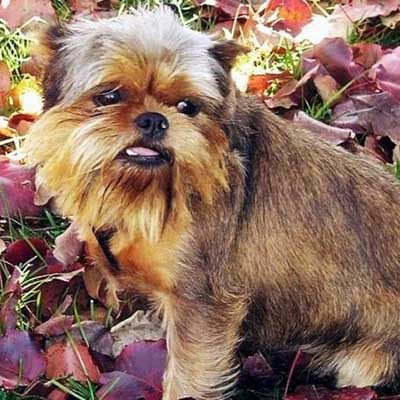
The Affengriffon is a mixed breed resulting from the combination of the Affenpinscher and the Brussels Griffon. Classified as a toy breed, these small dogs are remarkably versatile, adapting well to various living environments, whether in spacious rural homes or snug urban apartments. However, their small stature may not be ideal for families with very young children. On the other hand, older children who know how to interact gently with pets can develop a strong bond with this breed. Furthermore, Affengriffons tend to get along well with other animals, particularly if they are introduced to them early on. This breed is also recognized for its minimal shedding, often being considered hypoallergenic.
Read more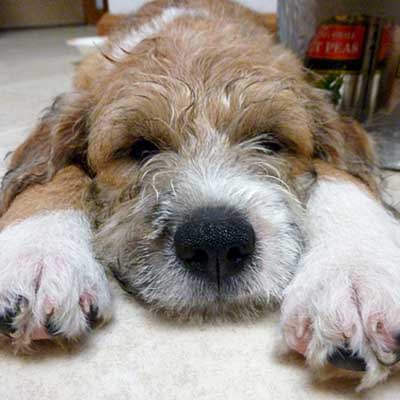
Bea Griffon
The Bea Griffon is a compact yet sturdy breed, recognized for its friendly demeanor towards strangers and its exceptional compatibility with children and other pets. With a calm disposition, these dogs are highly intelligent and quick learners. Although relatively new, having originated in Afghanistan, they are swiftly becoming popular in Western countries. Bea Griffons are not only attractive but also inherently affectionate. They adapt seamlessly to various living environments, whether in apartments, houses, or condos. As companions, they exhibit remarkable loyalty and love for their families, making them truly valued members of the household. While they may not excel as guard dogs, they will certainly alert you to the presence of visitors, greeting them with enthusiasm.
Read more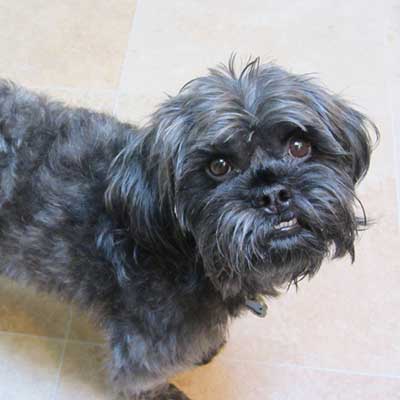
Broodle Griffon
The Broodle Griffon is a small hybrid breed resulting from the crossbreeding of a Brussels Griffon and a Poodle. This mix yields a dog that generally enjoys better health and temperament than its parent breeds. Renowned for their cheerful and loving disposition, Broodle Griffons are intelligent and loyal companions. They thrive on human companionship and adore curling up in your lap to receive affection. However, their strong bond with family members can lead to anxiety if they are left alone for long periods. This breed may also display a certain level of sensitivity, a characteristic passed down from the Brussels Griffon. Despite their petite stature, these dogs have a lively personality and require clear leadership from their owners; without it, they can become difficult to handle. Effective training involves offering consistent, gentle direction and plenty of praise for positive behavior, which will help foster their desire to please.
Read more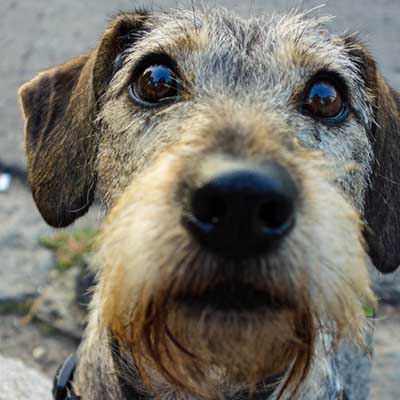
Dach-Griffon
The Dach-Griffon is an endearing and spirited breed resulting from the combination of the Dachshund and the Brussels Griffon. This breed likely originated during the designer dog trend, which sought to produce healthier options compared to traditional purebreds. Renowned for their loving disposition, Dach-Griffons are adept at herding and make excellent family pets. Typically, they are quiet, only barking when they perceive a threat. This joyful dog loves to join you on walks and looks to you for direction. With a short, wiry coat, they require minimal grooming. Their energy level is moderate, necessitating regular daily exercise to maintain their health.
Read more
Eskifon
The Eskifon is a mixed breed that emerges from the combination of the American Eskimo Dog and the Brussels Griffon. This small dog is available in various colors and typically requires significant grooming, as both parent breeds have moderate upkeep needs. Eskifons are known for their friendly and loving nature towards their families, although they may initially be wary of strangers. Ideally, they should live indoors with their owners, but it’s crucial to provide them with regular, supervised outdoor exercise to maintain their health and fitness. Care must be taken to avoid overheating, especially if the dog inherits the short snout typical of the Brussels Griffon. While they can sometimes be a bit stubborn or assertive, their loyalty to their family remains steadfast.
Read more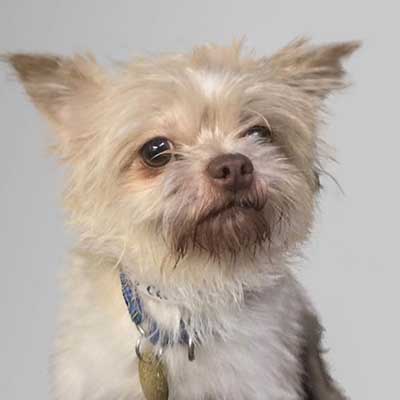
Griffonland
The Griffonland is a spirited and affectionate dog, making her an enjoyable companion who craves adventure. Although she loves to show affection, this hybrid also cherishes her independence and may not always seek out lap time. A mix of the Brussels Griffon and the West Highland White Terrier, her distinctive coat and expressive face contribute to her popularity. This breed is smart and excels in training and family interactions. However, to prevent her coat from becoming matted, it’s advisable to brush her gently several times a week.
Read more
Griffonshire
The Griffonshire is an endearing mix of the Brussels Griffon and the Yorkshire Terrier, both recognized as toy breeds. Generally, these dogs weigh between 8 and 10 pounds and reach a height of about 8 to 10 inches. Their coats can vary, featuring either a rough, wiry texture similar to that of the Brussels Griffon or long, silky strands like those of the Yorkie. To promote positive interactions with children and other pets, early socialization is essential for a Griffonshire. However, due to their small stature, it’s important not to leave them unsupervised with young children. Training may demand extra patience, and seeking help can be advantageous if difficulties arise.
Read more