Dog Breeds by Sensitivity
Sensitivity refers to how a dog typically behaves or responds in everyday situations. Individual dogs may vary based on training, environment, and genetics.
Some dogs will let a stern reprimand roll off their backs, while others take even a dirty look to heart. Low-sensitivity dogs, also called "easygoing," "tolerant," "resilient," and even "thick-skinned," can better handle a noisy, chaotic household, a louder or more assertive owner, and an inconsistent or variable routine. Do you have young kids, throw lots of dinner parties, play in a garage band, or lead a hectic life? Go with a low-sensitivity dog.
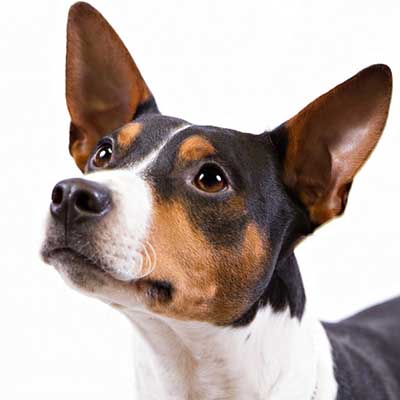
Rat Terrier
During the 19th century, American farmers were in search of an adept rodent hunter, which prompted them to crossbreed several Terrier varieties with Whippets, Greyhounds, and Beagles. This endeavor led to the creation of the delightful Rat Terrier. Known for its agility, this breed excelled at locating rodents and other pests, whether they were hiding above or below ground. In addition to its hunting skills, the Rat Terrier became a dependable watchdog and a beloved companion, establishing itself as a familiar sight on farms throughout the nation. Today, this small to miniature breed is often seen happily engaging with families in both rural and urban environments. With low grooming needs and a high energy level, the Rat Terrier thrives in canine sports, remains vigilant over its loved ones, and adds a lively spirit to any household.
Read more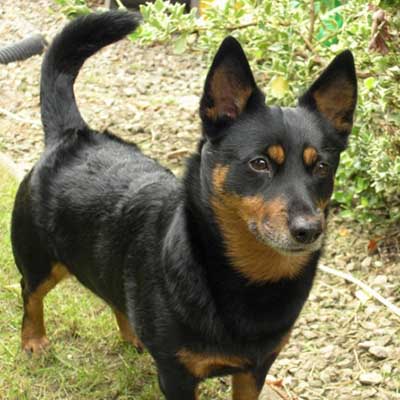
Lancashire Heeler
The Lancashire Heeler is a distinctive and rare small dog breed that hails from Great Britain. Initially bred for herding cattle, these compact dogs are nimble enough to nip at the hooves of cows while skillfully dodging any kicks. Beyond their herding responsibilities, they also served an important function in managing pests on farms, particularly rats. Generally, this breed enjoys good health and demands minimal daily grooming, although they are not hypoallergenic. While they tend to be affectionate and friendly with their families, they may exhibit wariness towards strangers, highlighting the importance of early socialization and training for their proper development.
Read more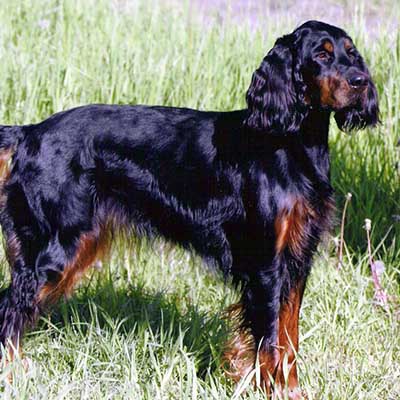
Gordon Setter
These dogs feature a beautiful, shiny, and smooth coat, making them the largest breed in the Setter family. Their lineage can be traced back to Scotland, specifically to the kennels of Alexander IV, the fourth Duke of Gordon, which is how they acquired the name Gordon Setter. Originally bred for hunting, these dogs are known for their impressive stamina, although they are not particularly swift. Generally, they are devoted companions, but they can show signs of stubbornness if their owners fail to assert clear leadership. While they do tend to drool moderately and shed quite a bit, with the right care, they can make excellent pets. Their high energy levels require plenty of space to move around and consistent daily exercise to ensure they remain happy and healthy.
Read more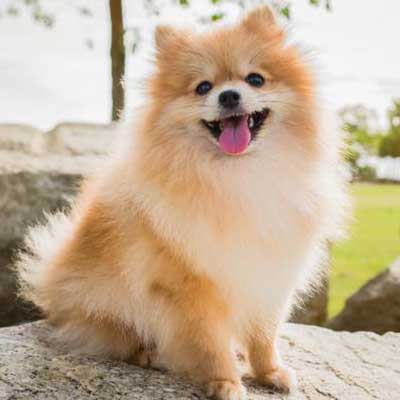
Pomeranian
The Pomeranian is an enchanting little dog known for its lively character. Despite their petite size, they possess a boundless heart and spirit. These feisty pups often display such self-assurance that they will confront much larger dogs, seemingly oblivious to their own smallness. In addition to their bold nature, Pomeranians typically get along well with children and other pets. Their frequent and boisterous barking makes them excellent watchdogs, though they do need proper training to keep this behavior in check. With a variety of nicknames and coat colors, they are sure to add happiness to your life. Historically, Pomeranians could weigh as much as 30 pounds and were used as sheepdogs. Nowadays, they are much smaller but continue to excel in activities like obedience, agility, therapy, flyball, and tracking, all while being loving companions.
Read more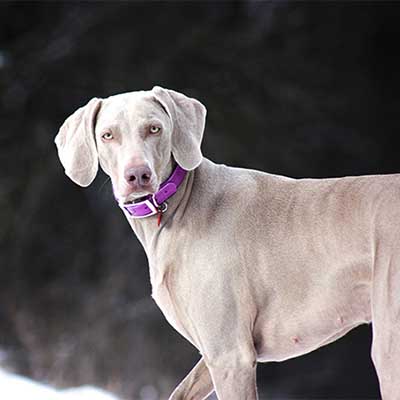
Weimaraner
The Weimaraner, commonly known as the Grey Ghost, is a graceful and athletic breed celebrated for its friendly nature. Hailing from Germany, these dogs were carefully bred for their intelligence, speed, courage, and exceptional sense of smell. They make excellent companions for hunters and active individuals alike, as they can effortlessly match an energetic lifestyle. Beyond their enthusiasm for physical activities, Weimaraners require minimal grooming, making them fantastic family pets with charming personalities. It’s important to note that these silver-coated dogs develop deep connections with their owners, which can result in separation anxiety if not addressed appropriately. Weimaraners thrive on companionship and are happiest when they can spend their days with their humans, especially in outdoor settings. As a high-energy breed, they need regular exercise; without it, they may engage in destructive behaviors that could impact your belongings and other pets. By ensuring they receive sufficient physical activity, a supportive environment, and early socialization, you can nurture a loyal and eager companion who will accompany you wherever you go.
Read more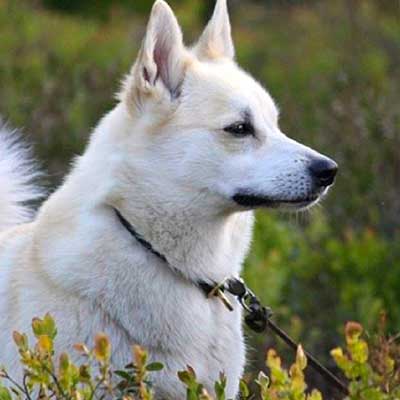
Norwegian Buhund
The Norwegian Buhund, pronounced nor-WEE-juhn BOO-hund, is a historic spitz breed with roots dating back to the Viking age. This adaptable herding dog was mainly responsible for safeguarding young livestock from birds of prey. Renowned for its keen alertness, the Buhund enjoys being the center of attention. These dogs are typically quite vocal, communicating not only through barking but also with a range of sounds including yips, chortles, yodels, and trills. As a breed full of energy, the Buhund needs plenty of exercise to remain happy. To prevent boredom, it’s essential to introduce a variety of activities during play and training sessions to keep them engaged.
Read more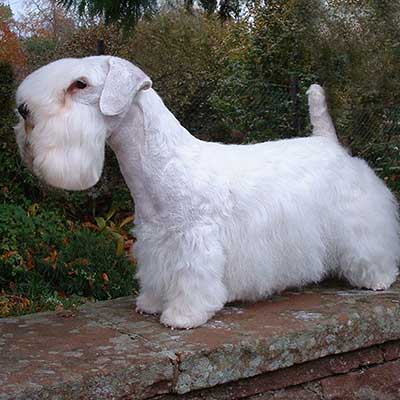
Sealyham Terrier
The Sealyham Terrier is a loyal, loving, and self-reliant breed. Originating from Wales, this small but determined dog was initially bred for hunting badgers, otters, and foxes. Although they are compact, Sealyhams can sometimes display a stubborn nature. In modern times, these dogs enjoy chasing birds, rabbits, and even other pets, such as cats and dogs. Their unique white coat was specifically developed to allow hunters to easily distinguish the dog from its prey. The American Kennel Club recognized the Sealyham Terrier in 1911. While it continues to be a popular choice in dog shows, it is regarded as a rare breed in the United States.
Read more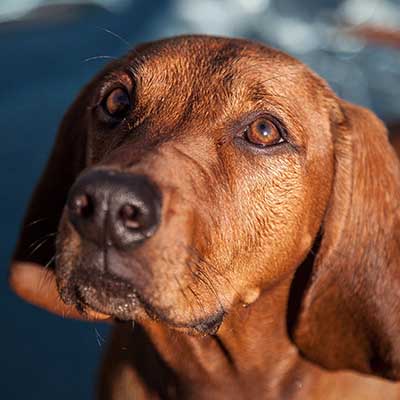
Redbone Coonhound
The Redbone Coonhound traces its roots back to 18th century America, emerging from a blend of Foxhounds and Bloodhounds brought over from Ireland and Scotland. These dogs were specifically bred for their speed and tracking abilities, enabling them to pursue raccoons as they climb trees. Known for their agility and energetic nature, Redbone Coonhounds can easily traverse a variety of landscapes. Their striking solid red coat is a defining characteristic of the breed. Valued for their loyalty and affectionate nature, they make wonderful family companions and adapt well to different hunting situations. Breed enthusiasts particularly admire their deep, resonant bark, which can carry for miles, especially when they catch an intriguing scent, often drawing attention from nearby residents.
Read more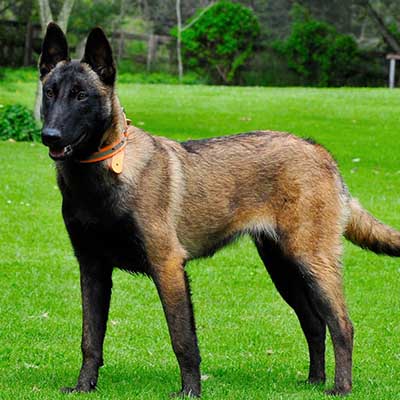
Belgian Malinois
The Belgian Malinois, hailing from the town of Malines in Belgium, was initially bred as a herding dog and has since adapted to a variety of roles, including security, law enforcement, contraband detection, assistance tasks, and herding competitions. This medium-sized breed is distinguished by its short coat and a balanced, square build, with height and length being nearly equal. Renowned for their strength and muscular physique, Malinois dogs embody the hardworking spirit of their sheepdog lineage, displaying high energy and a protective instinct. They are particularly well-suited for active owners who partake in daily physical activities such as running, biking, or hiking, as these dogs thrive on vigorous engagement. Social by nature, Belgian Malinois enjoy spending time with their families and should be allowed indoors while also having access to outdoor areas for exercise. Their intelligence and eagerness to learn make them quick learners, and they greatly benefit from early socialization and training. Each dog possesses its own distinct temperament, which can vary from reserved to highly sociable.
Read more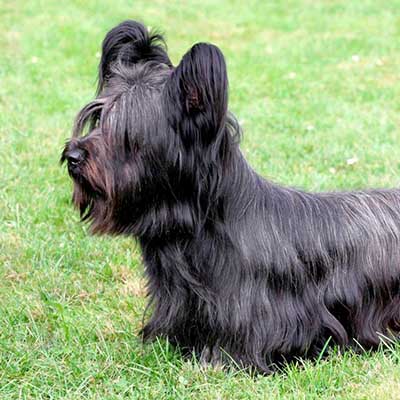
Skye Terrier
Once hailed as the darlings of Victorian society, these sturdy little terriers now find themselves among the most endangered dog breeds. Initially developed by farmers on the Skye Islands for the purpose of hunting badgers, foxes, and otters, they eventually captured the attention of the English royal family. Queen Victoria was particularly fond of these dogs, and they reached the peak of their popularity in the late 19th century, although they currently hold the 178th position in terms of popularity. While they can adjust well to living in apartments with moderate exercise, they tend to bark excessively. These clever yet independent dogs can present challenges in training; they are generally affectionate with their families but may be aloof with strangers and can show aggression towards other dogs.
Read more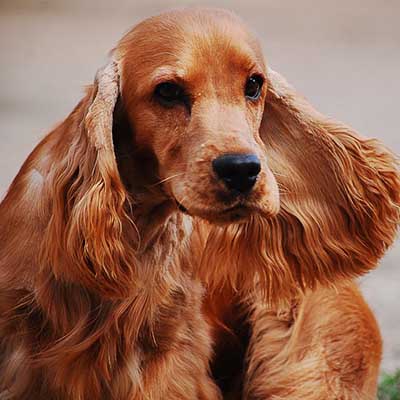
Cocker Spaniel
The American Cocker Spaniel traces its roots back to the English Cocker Spaniel but was intentionally bred with various other breeds to develop a smaller hunting dog that appealed to American hunters interested in game birds. These dogs are medium-sized, have a moderate level of energy, and are generally known for their joyful personalities. Renowned for their intelligence, American Cocker Spaniels are fairly easy to train for hunting activities and are loyal companions to their families. The breed received official recognition from the American Kennel Club (AKC) in 1878. They come in 13 unique colors and display two distinct styles of markings. According to the AKC, they are currently the 29th most popular dog breed in the United States.
Read more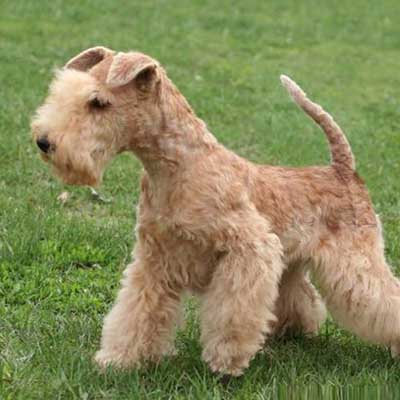
Lakeland Terrier
The Lakeland Terrier is one of the oldest breeds within the Terrier group, initially developed for hunting a range of pests such as otters, badgers, and even foxes. Since some of these animals could be larger than the dog, these Terriers were bred to be remarkably courageous. However, despite their boldness in the field, they are more prone to separation anxiety than many other breeds. Often considered hypoallergenic, Lakeland Terriers have minimal shedding and low odor. Although they don’t need regular baths, keeping their coat healthy requires weekly brushing and occasional clipping or stripping.
Read more