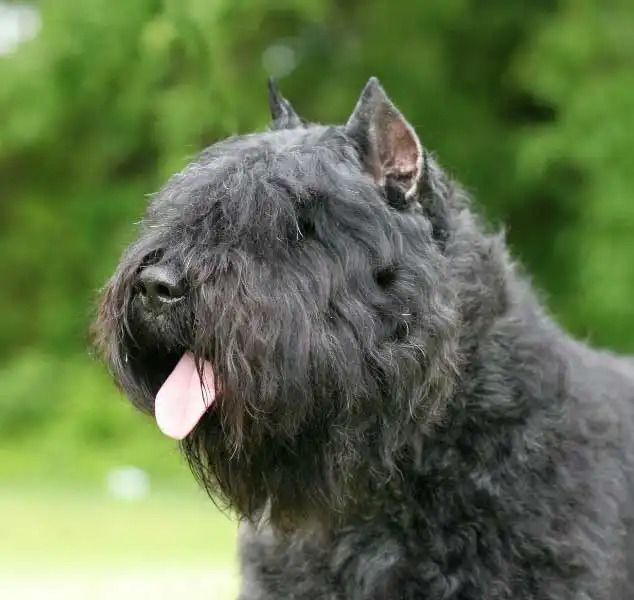
Bouvier des Flandres
Belgian Cattle Dog, Vuilbaard (dirty beard), Koehond, Toucheur de Boeuf
The Bouvier des Flandres was initially developed as a hardworking dog, specifically designed for herding cattle and leveraging its strength on farms. Originating from Belgium and Northern France, these sturdy and intelligent dogs nearly faced extinction during World War I due to the destruction in their native regions. However, following the war, their population and popularity surged, leading them to become beloved family pets. Renowned for their loyalty, Bouviers thrive in various roles and require plenty of human interaction and physical exercise. Today, they can be found working as police, rescue, and guide dogs. Despite their energetic nature, Bouviers also appreciate relaxing with their dedicated families.
Breed Origin
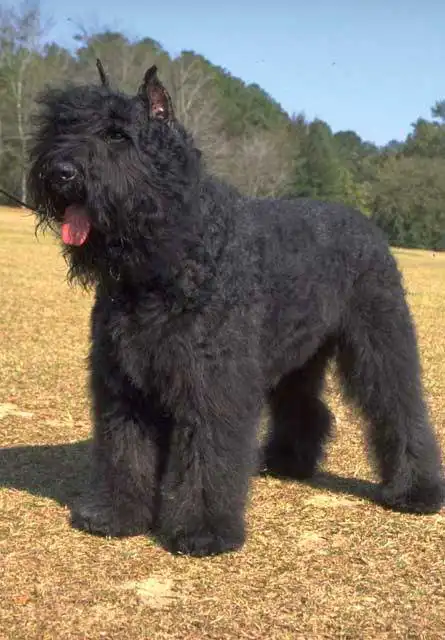
In the 17th century, farmers and cattle herders in Southwest Flanders and the northern French plains needed a multifunctional dog to assist with various farm tasks. They required dogs for herding cattle, protecting livestock, and providing the strength necessary for pulling carts, churning butter, and operating grist mills. The origins of the Bouvier des Flandres breed are often debated. Some believe it emerged from a combination of mastiffs, sheepdogs, and possibly spaniels, while others contend it is a mix of Beauceron and Griffon breeds. During this period, breeders prioritized practicality over strict adherence to breed standards, resulting in considerable differences in appearance. However, these dogs possessed enough shared characteristics to be recognized as a single breed. They were referred to by several names, including “koehond” (cow dog), “vuilbaard” (dirty beard), and “toucheur de boeuf” (cattle driver). The term “Bouvier,” which comes from the French word for oxherd or cowherd, highlights their regional origins. Adolphe Reul, a veterinarian from the Veterinary School of Brussels, acknowledged the breed's admirable traits and brought them to the attention of local breeders, although an official breed standard was not established until 1912. The breed's population declined during World War I due to the devastation in their homeland, but one remarkable survivor, Nic de Sottegem, represented the breed at the 1920 Olympics in Antwerp, and his lineage continues to shape nearly all modern bloodlines. The American Kennel Club recognized the Bouvier in 1931, facilitating its introduction to the United States. Today, the Bouvier has evolved from its agricultural beginnings to take on roles in law enforcement, the military, search and rescue, and as guide dogs.
Breed Appearance
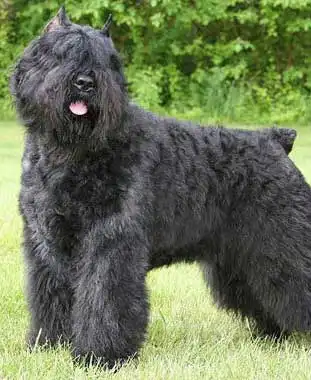
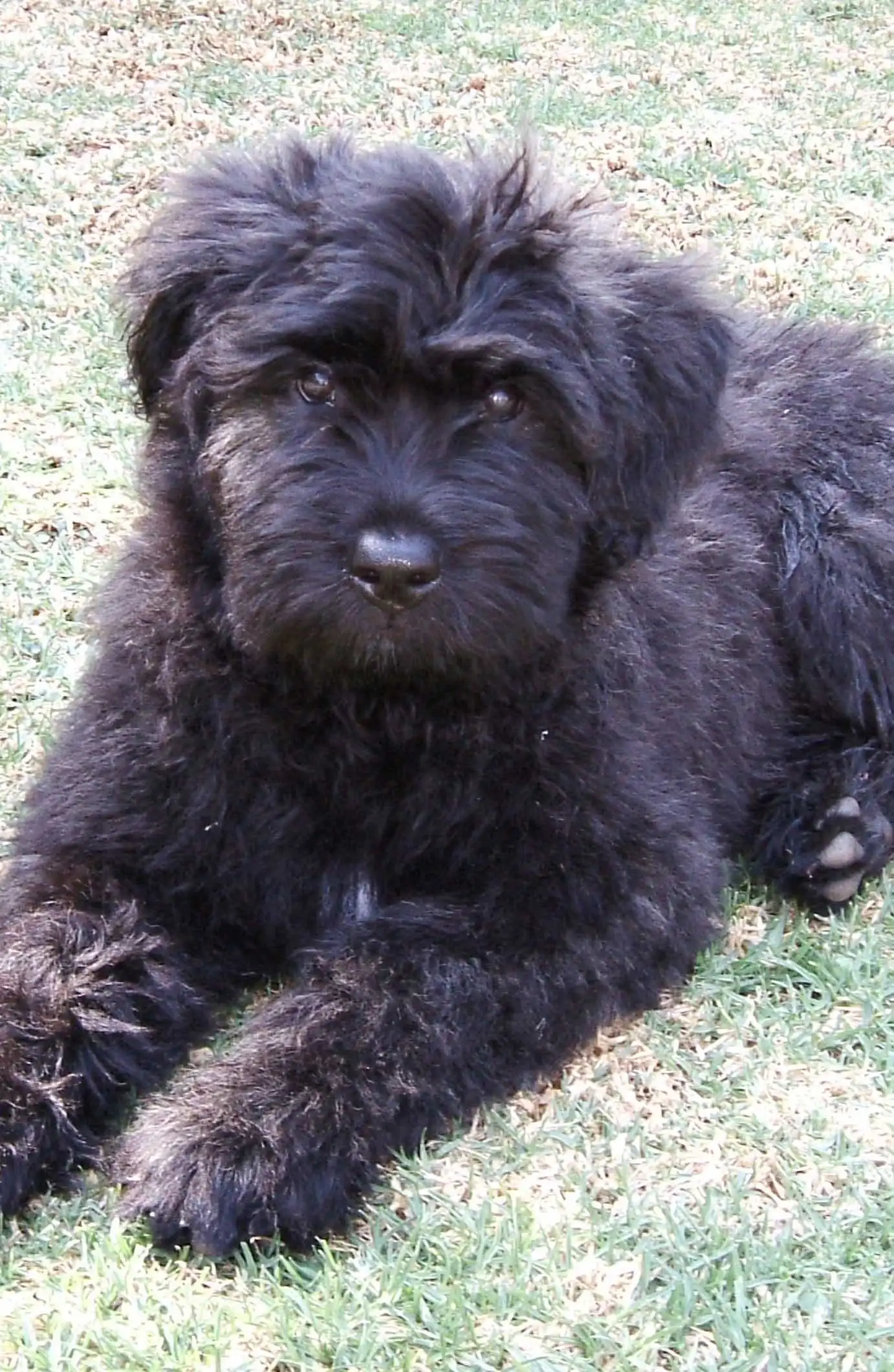
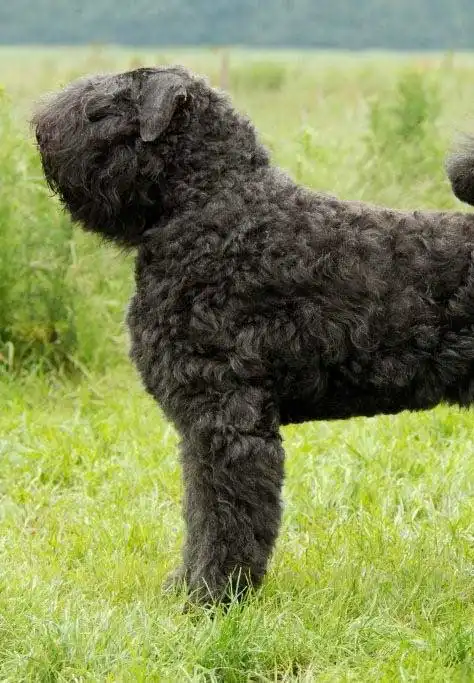
The Bouvier des Flandres is notable for its straight front legs and powerful, muscular thighs, which give it a robust and square build. Its strong neck elegantly curves into a short, broad back that is also well-defined. This breed boasts a large head, complete with a distinctive beard and mustache. Its dark brown, oval eyes are expressive and set within a furry face, enhanced by alert ears that are positioned high and may be cropped into a triangular shape. The broad muzzle tapers gently to a prominent black nose, often featuring flared nostrils. The Bouvier's strong jaw supports white teeth that align in a scissor bite. Its rounded paws are equipped with thick pads, well-arched toes, and sturdy nails. Typically, the tail is docked and held upright during active moments. The breed's long, thick double coat offers protection in various weather conditions, consisting of a rough, coarse outer layer and a dense, soft undercoat. Coat colors can vary significantly, ranging from fawn to brindle, gray to black, and even a salt-and-pepper mix.
Care Routine
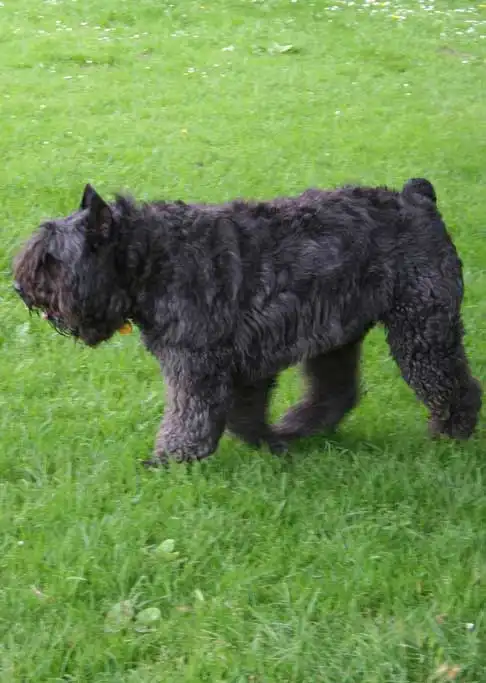
To keep your Bouvier's long and thick coat in good condition, it's important to brush it once or twice a week with a slicker brush and comb to prevent matting and tangling. Failing to groom regularly can result in hot spots—painful skin lesions that can lead to infections, especially in warm and humid conditions. Trimming and shaping should be done three to four times a year, including cutting excess hair between the paw pads and inside the ears. The beard may get messy from eating, so it might need more frequent cleaning. When groomed correctly, this breed sheds very little. Bathe your Bouvier only when necessary, ideally using dry shampoo. Regular nail trimming is crucial, and you should also inspect the ears for wax buildup and debris. Bouviers require daily exercise and enjoy human interaction, so engage them in vigorous play, walks, and jogs, but be careful with their exercise during the puppy stage. This breed can adapt well to both rural and apartment living. Because they are prone to digestive issues, it's advisable to avoid giving them table scraps that are high in fats, sodium, or artificial ingredients. Additionally, be cautious not to overfeed your Bouvier while they are still a puppy, as this can lead to various health complications.
Behavior & Temperament
The Bouvier is an energetic and brave breed, known for its intelligence and well-rounded temperament. While they exhibit a notable degree of independence, these dogs are incredibly loyal and thrive on family interaction. Their natural protective instincts make them formidable guardians, often deterring potential intruders. Generally, Bouviers are friendly with children, though they may sometimes engage in boisterous play. If they are introduced to other pets at a young age, they can live together peacefully. Training this breed is typically manageable, but it’s essential to remember that Bouviers don’t fully mature until they are between two and three years old, which requires ongoing training efforts. Early socialization is vital to curb tendencies toward dominance and overprotectiveness. Proper socialization can also help reduce aggressive behaviors towards strangers and unfamiliar dogs. Originally bred for herding, this strong and muscular breed may exhibit instincts like chasing animals or vehicles. To promote their well-being, it’s beneficial to involve Bouviers in walks, social outings, competitive herding activities, and various dog sports, as well as providing them with engaging tasks.
Play & Exercise
Things to Know
Cups Per Day
3.0 Cups
Daily Activity
90 Minutes
Average Lifespan
11 Years
Origin
1600s
Type
Pure Breeds
Size
Large
Origin Country
Belgium
Brush Frequency
Weekly
Coat Texture
Straight
Register
Your kids have been begging for a pet forever, and you've recently decided that it's time for your family to get a new addition -- a dog! While everyone is excited for the new arrival, you're wondering if you need to have a dog license. How much does it cost? Is it required? Where do you get one?
Member Clubs

PETINNATE
Herding Dog

AKC
Herding Group

UKC
Herding Dog
Height & Weight
Weight
80 lbs (36 kg)Male: 80 lbs (36 kg) , Female: 80 lbs (36 kg)
Height
25 inches (64 sm)Male: 26 inches (66 sm) , Female: 25 inches (64 sm)
6 Months
50 lbs ( m 50 lbs, f 50 lbs )
20 inches ( m 20 inches, f 20 inches )
12 Months
65 lbs ( m 65 lbs, f 65 lbs )
21 inches ( m 21 inches, f 21 inches )
18 Months
80 lbs ( m 80 lbs, f 80 lbs )
24 inches ( m 24 inches, f 24 inches )
Eye Colors
Brown

Nose Colors
Black
Coat Colors
Black
Gray
Brown
Red
Cream
Fawn
Blue
Silver
White
Brindle
Characteristics
Mixes
Flandoodle
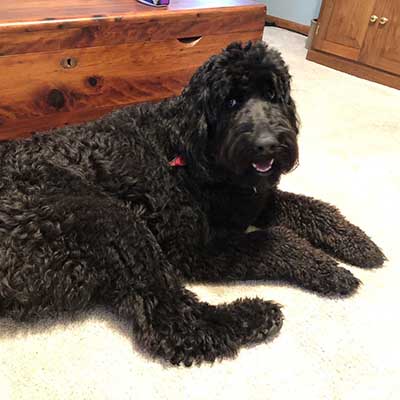
The Flandoodle is a large designer dog breed that emerges from the combination of the Bouvier des Flandres and the Standard Poodle. These dogs are well-regarded as family pets, but they also excel as watchdogs thanks to their loyal, protective, and alert disposition. Typically, Flandoodles weigh about 70 pounds and stand around 25 inches tall. Their coats are medium to long, thick, and curly, coming in a range of colors. Common hues include brown, black, white, gray, tan, red, and blue. While they usually interact well with other animals and children when socialized early, it’s wise to supervise them around young children, particularly those under five years old.
Read more