Dog Breeds by General Exercise Needs
General Exercise Needs refers to how a dog typically behaves or responds in everyday situations. Individual dogs may vary based on training, environment, and genetics.
General Exercise Needs
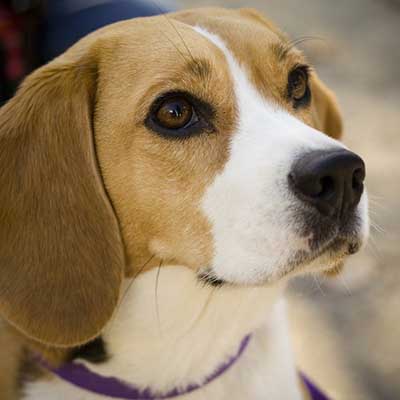
Beagle
The Beagle is frequently seen as one of the most laid-back and cheerful dog breeds. With a lively and amusing demeanor, this breed spreads happiness to those around it. Originating in England in the early 1800s, Beagles were originally developed for tracking and hunting rabbits. They flourish when allowed to explore their environment, utilizing their exceptional sense of smell, which can sometimes lead them into playful trouble. As scent hounds, Beagles have ancestry that includes the Talbot Hound, North Country Beagle, and Southern Hound. Their compact and muscular build makes them an ideal companion. Beagles are easily identifiable by their droopy ears and endearing expressions. Their short, smooth coats require little maintenance; a simple weekly brushing with a rubber curry brush is enough to keep them looking their finest.
Read more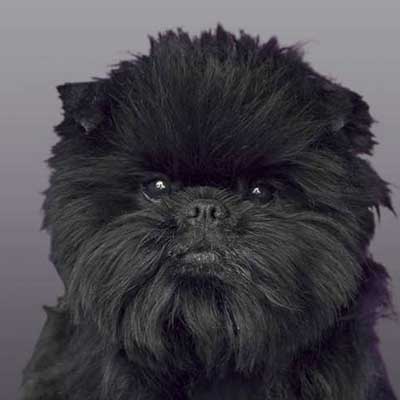
Affenpinscher
The Affenpinscher, commonly known as the "monkey dog," gets its name from a German term that reflects its playful appearance, particularly its resemblance to primates. Initially bred for hunting rats, these dogs were also referred to as ratters. The breed originated in Germany during the 17th and 18th centuries, evolving from various small terrier breeds. Their small stature and loving disposition made them popular as lapdogs among women, leading breeders to focus on creating even smaller versions. Typically, Affenpinschers reach a height of 9 to 11 inches and weigh about 9 pounds. They have medium-length, wiry fur that comes in several colors, including belge, tan, red, silver, gray, and black. Nowadays, this breed is relatively rare and not commonly found. It is recommended to keep Affenpinschers away from households with young children, as they generally dislike being squeezed or chased.
Read more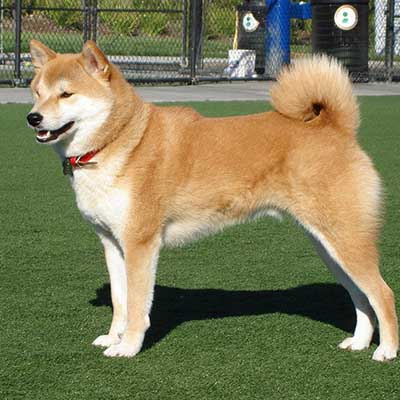
Shiba
The Shiba Inu is a compact breed that, despite its size, embodies a boldness reminiscent of a lion. In Japan, it is officially recognized as a treasured natural asset. Initially bred for hunting in Japan's rugged terrains, the Shiba Inu is renowned for its agility in navigating difficult landscapes, its sharp instincts as a guardian, and its vibrant, energetic personality. As one of Japan's oldest native dog breeds, the Shiba Inu is cherished as the nation's most adored companion. Its distinctive reddish-brown fur often causes it to be mistaken for a fox.
Read more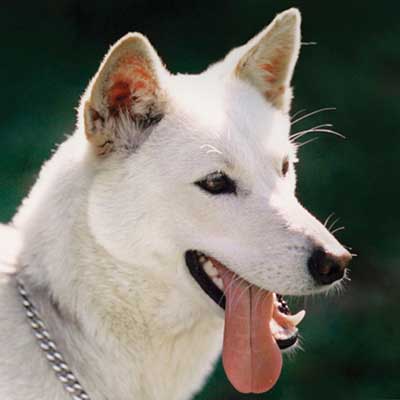
Jindo
The Jindo is a strong and muscular dog belonging to the Spitz family, originating from South Korea. This breed is characterized by its joyful personality and flourishes when engaged in activities. Initially developed as a versatile hunting dog, these instincts remain strong today. Jindos are incredibly loyal, often forming a profound bond with one person while still being friendly with other family members. Adult Jindos may find it challenging to adjust to new environments and have been known to travel great distances to return to their original homes and owners. They are inherently clean and adapt easily to house training. However, without proper socialization with other dogs during their early years, Jindos can display territorial tendencies and may react aggressively towards unfamiliar dogs that enter their space.
Read more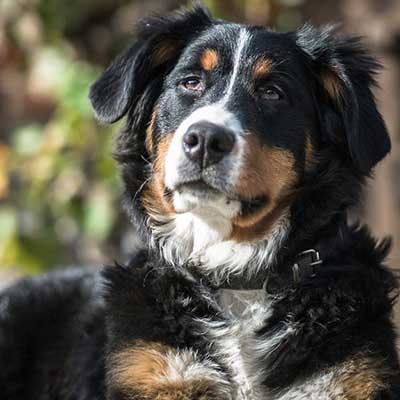
Bernese Mountain Dog
The Bernese Mountain Dog, commonly known as the Berner, is one of the four ancient breeds classified as Swiss Sennenhunds. What sets the Berner apart is its luxurious, flowing coat and exceptional temperament. Its ancestry likely stems from a combination of the farming dogs indigenous to the Swiss Alps and the Molosser, a type of Mastiff brought to the region by the Romans around the first century B.C. This rich heritage is reflected in the Berner's large head, gentle nature, remarkable strength, and strong work ethic. Traditionally, Bernese Mountain Dogs were invaluable farm assistants, responsible for herding livestock, pulling carts, and protecting homesteads. In contemporary times, they are primarily valued as beloved family pets. Known for their friendliness towards children and their ability to be trained, they do have a strong need for family interaction, which can pose challenges if they are left alone for extended periods. In terms of appearance, the Bernese Mountain Dog is a large breed characterized by its striking tri-colored coat. They possess prominent heads and substantial paws, which require regular grooming to control shedding. Bringing a Berner puppy into your home demands a considerable commitment and effort. However, with consistent training, patience, and dedication, you can nurture a loyal and hardworking companion that will greatly enhance your life.
Read more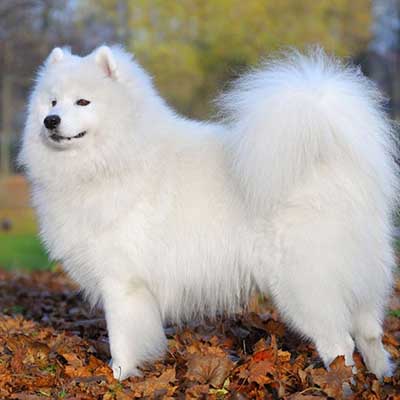
Samoyed
The Samoyed is a breed characterized by its gentle temperament, intelligence, and unwavering loyalty, thriving on close bonds with its family. Renowned for their affectionate nature, especially towards children, these dogs eagerly engage in family activities. With their distinctive ‘Sammy smile’ and a penchant for human interaction, they are charming companions full of personality. However, their stunning coat demands considerable maintenance, particularly during shedding periods, when you can expect fur to be found on your clothes, furniture, and bedding. While their friendly disposition is endearing, it’s important to remember that Samoyeds were initially bred for hunting, and this instinct is still very much alive. They may chase after small animals, including the neighbor’s cat. If you have a cat, it’s essential to introduce them to the Samoyed while the dog is still a puppy, and even then, close supervision is advisable. When taking them for walks, these spirited dogs should always be kept on a leash due to their strong chasing instincts. Samoyeds are also quite vocal, often communicating through howls, barks, or grumbles. They respond best to varied training techniques, as they can quickly lose interest in repetitive tasks, which can make training a bit more challenging. Activities that engage their minds, such as agility and tracking, are particularly beneficial. This breed is full of energy and always eager for adventure, requiring plenty of space to run and play, making them less suitable for small living environments. Although they may not be the simplest breed to care for, their delightful personalities more than make up for the grooming they require.
Read more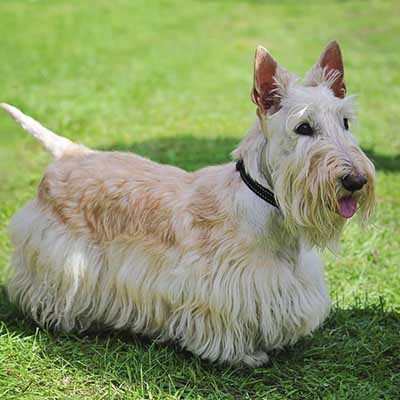
Scottish Terrier
The Scottish Terrier is a small yet spirited breed, celebrated for its lively character. In the 1700s, breeders started developing what we now know as the Scottish Terrier, originally calling it the Aberdeen Terrier after a town in Scotland. The breed was affectionately dubbed the “little diehard” by the fourth Earl of Dumbarton, a nickname that still resonates today. Though they are petite, these dogs are brimming with bravery and vitality. Initially bred to hunt rabbits, otters, foxes, and badgers, Scottish Terriers continue to excel as vigilant watchdogs and devoted companions.
Read more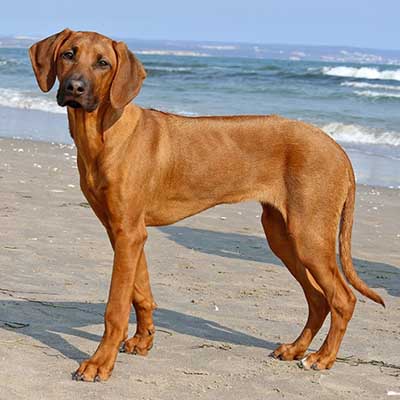
Rhodesian Ridgeback
In their quest for a hunting dog better suited to Africa's challenging climates, Dutch settlers crossbred their imported European breeds with a native tribal dog. This breeding produced a reddish-brown dog characterized by a unique ridge of fur along its back, adept at hunting large game and protecting families and homes. Originally employed for lion hunting, the Rhodesian Ridgeback's loyal and affectionate disposition soon endeared it to families, contributing to its rising popularity in other countries. Today, while it is still appreciated for its keen eyesight and scent-tracking skills, the Rhodesian Ridgeback is also celebrated as a low-maintenance, well-mannered, and energetic companion, thriving in dog shows, protection roles, and playful interactions with its human family.
Read more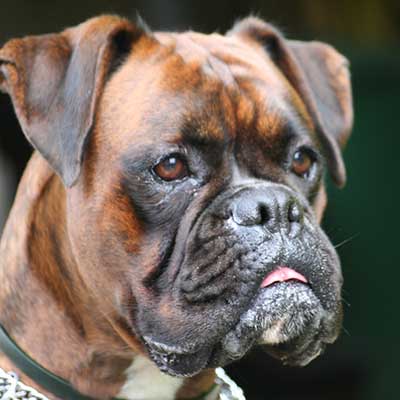
Boxer
The Boxer breed traces its roots back to Germany in the early 19th century, where it was originally developed for use as a bait and fighting dog, as well as a loyal guardian. Its strong, muscular, and agile build made it ideal for these roles until the prohibition of bull baiting and dog fighting. Since then, the Boxer has gained immense popularity around the globe, renowned for its loyalty, playful nature, and high energy, which make it an excellent family pet. Furthermore, Boxers are recognized for their self-grooming tendencies, resulting in relatively low grooming needs. However, it is crucial to provide them with sufficient mental and physical stimulation; without it, they may exhibit undesirable behaviors.
Read more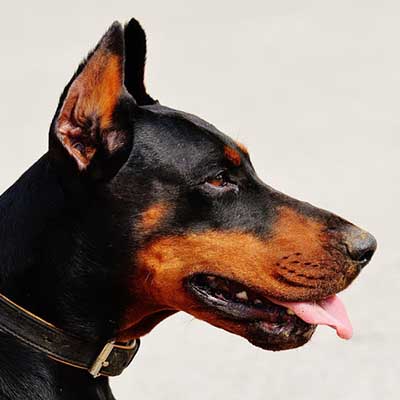
Doberman Pinscher
The Doberman Pinscher is a relatively recent breed, having been developed just over a hundred years ago. Founded by Karl Friedrich Louis Dobermann, this breed was designed to serve as a personal protection dog to aid him during tax collection. Dobermans are medium to large-sized dogs, known for their muscular physique and sleek, shiny coats, often exhibiting a watchful demeanor on their strong, wedge-shaped heads. While they require minimal grooming to keep their coats in good condition, they do need regular, vigorous exercise and mental stimulation due to their athletic nature and intelligence. These dogs are typically very trainable; however, without proper socialization, they may develop dominant or undesirable guarding behaviors that necessitate intervention. Renowned for their remarkable loyalty and alertness, Doberman Pinschers are not only excellent family companions but also excel in roles within the military, police work, and search and rescue operations.
Read more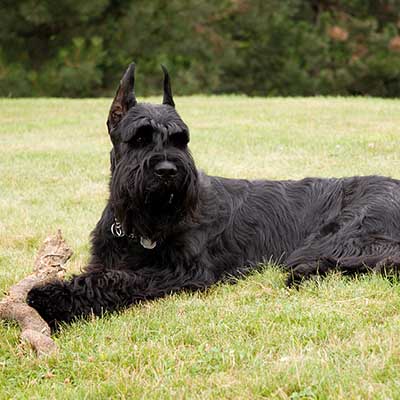
Giant Schnauzer
The Giant Schnauzer is the largest of the three recognized Schnauzer breeds. Initially bred as a working dog, its primary roles included herding cattle and protecting livestock. It is commonly thought that the Giant Schnauzer was developed by crossing the Standard Schnauzer with the Great Dane and the Bouvier des Flandres. Given its demanding temperament and the necessity for extensive training, this breed may not be the best fit for novice dog owners. Known for its intelligence and strong sense of independence, the Giant Schnauzer can be somewhat difficult to keep mentally stimulated. Furthermore, this breed requires considerable grooming, making it a high-maintenance pet.
Read more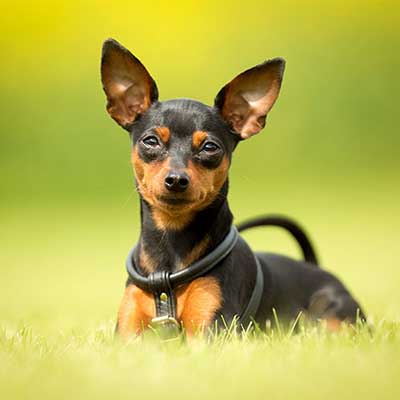
Miniature Pinscher
The Miniature Pinscher should not be mistaken for a diminutive version of the Doberman Pinscher; instead, it is more accurately described as a small-scale likeness of its larger relative. Interestingly, the Miniature Pinscher actually predates the Doberman. Often referred to as the Min Pin, this breed originates from the German Pinscher lineage and may also share ancestry with the Italian Greyhound and Dachshund. While the Miniature Pinscher has been officially recognized for over two centuries, the specifics of its ancestral background continue to spark discussion among enthusiasts. Nevertheless, this distinguished breed has been featured in Renaissance art, and artifacts from as far back as 2,000 years ago attest to its enduring existence.
Read more