
Beagle
English Beagle
The Beagle is frequently seen as one of the most laid-back and cheerful dog breeds. With a lively and amusing demeanor, this breed spreads happiness to those around it. Originating in England in the early 1800s, Beagles were originally developed for tracking and hunting rabbits. They flourish when allowed to explore their environment, utilizing their exceptional sense of smell, which can sometimes lead them into playful trouble. As scent hounds, Beagles have ancestry that includes the Talbot Hound, North Country Beagle, and Southern Hound. Their compact and muscular build makes them an ideal companion. Beagles are easily identifiable by their droopy ears and endearing expressions. Their short, smooth coats require little maintenance; a simple weekly brushing with a rubber curry brush is enough to keep them looking their finest.

Breed Origin
The name "beagle" is believed to derive from a French term meaning "open throat," which likely references the breed's characteristic baying. While the Beagle's history lacks comprehensive documentation, it is thought to have evolved from pack hounds that predate the Roman era. The contemporary Beagle, as we recognize it today, was shaped in the 1800s through the selective breeding of the Talbot Hound, the North Country Beagle, and the Southern Hound, with the aim of creating a breed that was both friendly and skilled in hunting. In the early 1900s, there were initiatives to establish consistent standards for the Beagle's size and temperament. Some accounts even propose that the Beagle may have lineage tracing back to the Harrier. Originating from hunting packs that pursued deer and hares, the Beagle gained popularity in England, particularly among hunters who appreciated its compact build. The Beagle has also left a significant imprint on popular culture, most famously represented by the character Snoopy. Furthermore, this breed has had a presence in the White House during President Lyndon B. Johnson's tenure. Beagles were introduced to the United States in the 1840s, mainly for hunting purposes. The American Kennel Club recognized the breed in 1885, and by 1888, the National Beagle Club was formed, classifying Beagles into two size categories: those under 13 inches and those ranging from 13 to 15 inches. Their friendly and joyful disposition has made Beagles a cherished choice for family pets.
Breed Appearance
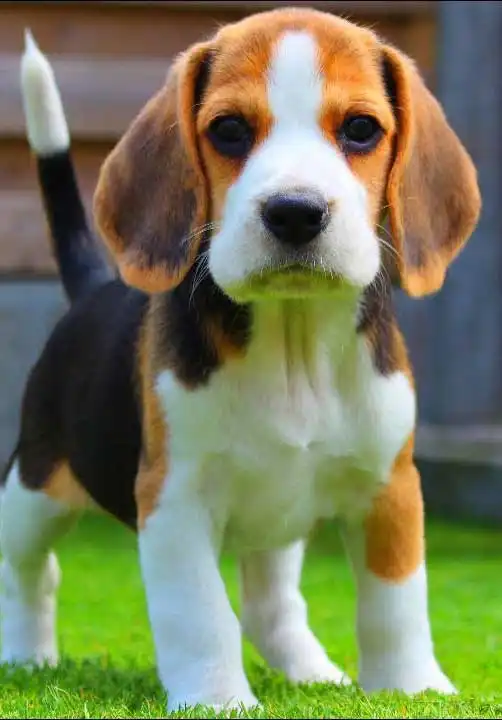
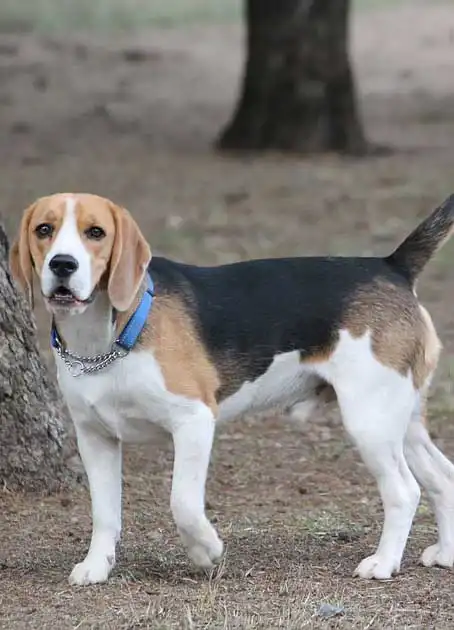
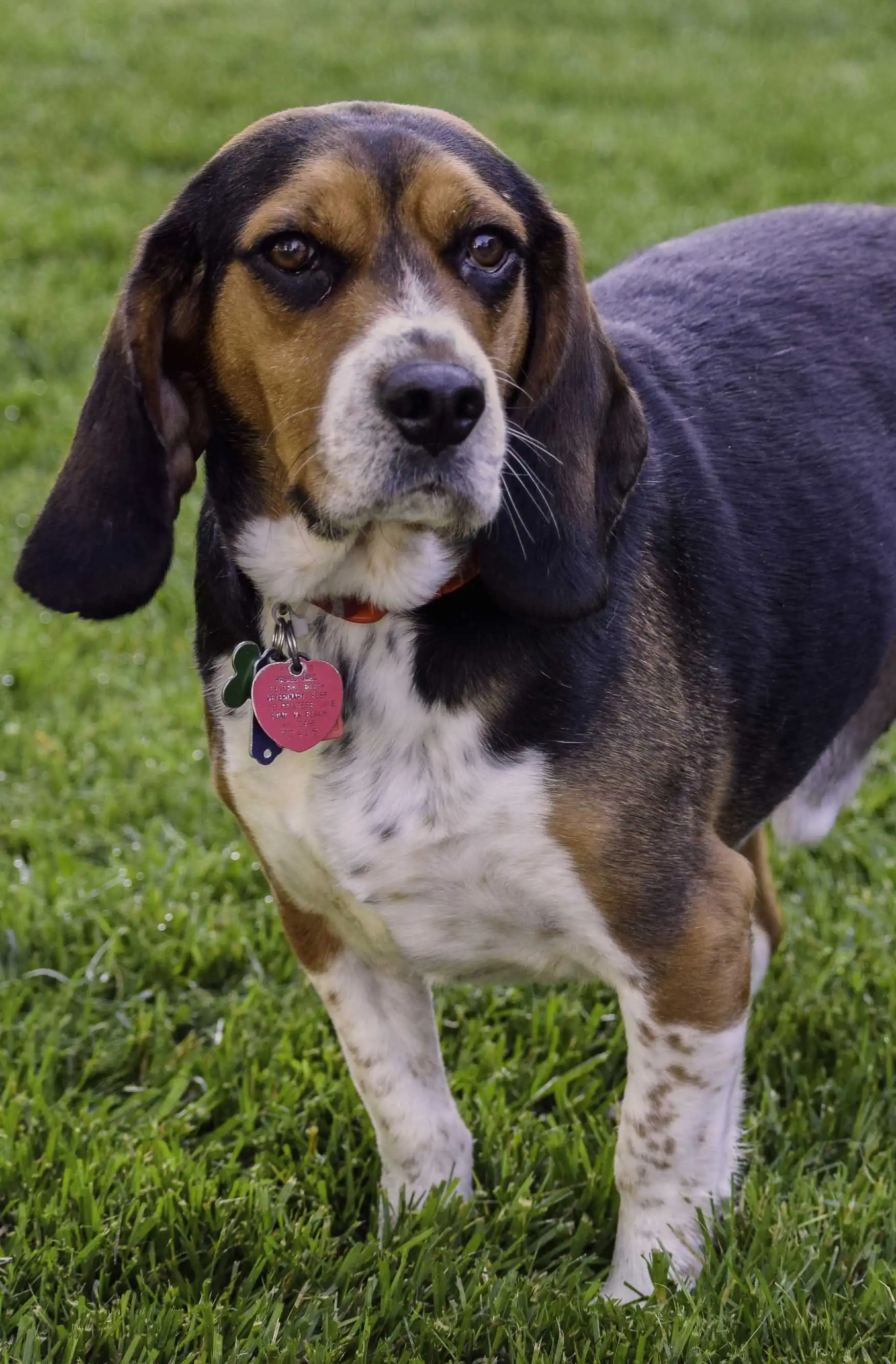
The Beagle is known for its elegant yet sturdy physique, highlighted by strong, straight front legs that are well-structured. Its limbs are well-proportioned, culminating in round feet with resilient pads. This breed features powerful hips and thighs, which contribute to a solid stance when at rest. With large hazel or brown eyes, the Beagle often has a soulful, pleading look. Its long, broad ears are rounded at the tips and hang down low. The muzzle is of medium length, characterized by a square and straight shape, while the neck is also of moderate length, smoothly connecting to sloping shoulders. When excited, the Beagle's tail takes on a gentle curve as it wags. The coat is short and sleek, available in a variety of colors, including combinations of black and tan, solid black, red, and white, as well as bluetick patterns, along with other variations like brown and white, lemon and white, and various ticked markings.

Care Routine
The Beagle features a short, smooth coat that is relatively low-maintenance. To keep it in good condition, a weekly brushing is recommended to remove dead hair and promote new growth, with a rubber curry brush being particularly effective. Bathing should occur every four to six weeks, as frequent washing can lead to increased oil production in the skin. While Beagles are not hypoallergenic, they do shed a moderate amount. Their floppy ears need regular cleaning to prevent debris accumulation, which can cause infections. Overall, Beagles are known for their low odor and tidy appearance. Nail trimming should be done every three to four weeks to prevent overgrowth. To ensure a Beagle remains healthy and lively, regular walks and playtime are vital. While they can adapt to living in an apartment, they thrive in environments where they have the freedom to run and explore. If kept in an apartment, it’s important to provide plenty of opportunities for long walks and scent-tracking activities. Beagles are active dogs and may engage in destructive behavior if left alone for extended periods. Fortunately, this breed does not have any special dietary requirements.
Behavior & Temperament
The Beagle is often celebrated as one of the most laid-back and friendly breeds in the Hound group. This breed thrives on companionship, eagerly giving and receiving affection. With a strong instinct to explore, Beagles are driven by their exceptional sense of smell. However, they can be quite headstrong if not adequately trained. When given sufficient exercise, Beagles thrive in outdoor environments, but they find their greatest joy indoors with their families once playtime is over. Known for being wonderful family pets, Beagles are especially good with children due to their patient nature, which allows for fun and playful interactions. Early socialization is crucial to reduce the likelihood of conflicts with other pets, including cats. Beagles also appreciate a certain level of independence in their activities, which can sometimes lead them into mischief as they follow their noses. Their vocal nature—characterized by barking, howling, and baying—can make them quite the handful, and their curiosity may occasionally get them into trouble. Even with training, they may retain a stubborn streak, often driven by their love of food.
Play & Exercise
Things to Know
Cups Per Day
1.5 Cups
Daily Activity
60 Minutes
Average Lifespan
14 Years
Origin
1300s
Type
Pure Breeds
Size
Medium
Origin Country
England
Brush Frequency
Weekly
Coat Texture
Straight
Register
Your kids have been begging for a pet forever, and you've recently decided that it's time for your family to get a new addition -- a dog! While everyone is excited for the new arrival, you're wondering if you need to have a dog license. How much does it cost? Is it required? Where do you get one?
Member Clubs

PETINNATE
Scenthound

AKC
Hound Group

UKC
Scenthound
Height & Weight
Weight
25 lbs (11 kg)Male: 26 lbs (12 kg) , Female: 24 lbs (11 kg)
Height
15 inches (38 sm)Male: 15 inches (38 sm) , Female: 14 inches (36 sm)
6 Months
12 lbs ( m 12 lbs, f 12 lbs )
8 inches ( m 8 inches, f 8 inches )
12 Months
20 lbs ( m 20 lbs, f 20 lbs )
12 inches ( m 12 inches, f 12 inches )
18 Months
23 lbs ( m 23 lbs, f 23 lbs )
14 inches ( m 14 inches, f 14 inches )
Eye Colors
Brown

Amber
Nose Colors
Black
Brown
Coat Colors
Pied
White
Brown
Red
Black

Characteristics
Mixes
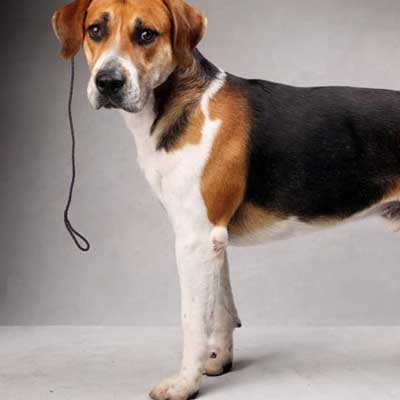
American Foxeagle
The American Foxeagle is a relatively recent entrant in the realm of hybrid dogs and is still in the process of being refined. Given the shared temperament and skills of its parent breeds—the American Foxhound and the Beagle—it’s reasonable to anticipate that the American Foxeagle will exhibit similar traits. Both parent breeds are celebrated for their remarkable sense of smell, which equips them for hunting and detection tasks; these abilities are likely to be inherited by the American Foxeagle as well. In terms of physical appearance, this hybrid takes on the body shape of the American Foxhound, while its coloration and facial features are reminiscent of the Beagle. Some observers have even remarked that it looks like a Beagle with longer legs! Its coat is short and smooth, making maintenance easy. Known for its affectionate, gentle, and fiercely loyal disposition, the American Foxeagle makes a wonderful family companion. However, it is important to note that while it has a strong desire to please, it may be prone to chasing interesting scents if not kept on a leash, so caution is advised in busy areas.
Read more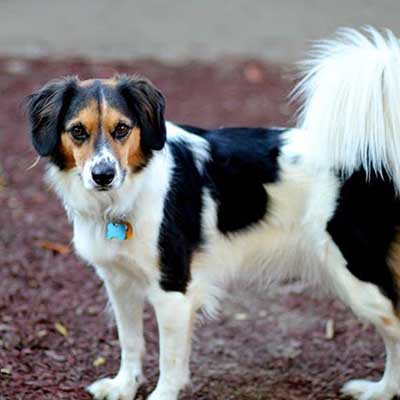
Beacol
The Beacol hybrid combines the traits of the Beagle and the Bearded Collie. This dog, which falls into the small to medium size category, is characterized by its large, expressive eyes and usually has a medium-length shaggy coat, although some individuals may sport a shorter coat akin to that of a Beagle. Renowned for their intelligence and independent nature, Beacols can make excellent family pets. However, their stubbornness can create obstacles in training, and if they do not receive adequate exercise and attention, they may engage in destructive behaviors. With sufficient physical activity and proper socialization, Beacols generally interact well with children and other dogs. Nevertheless, their strong hunting and chasing instincts may render them less suitable for homes with smaller pets, like cats.
Read more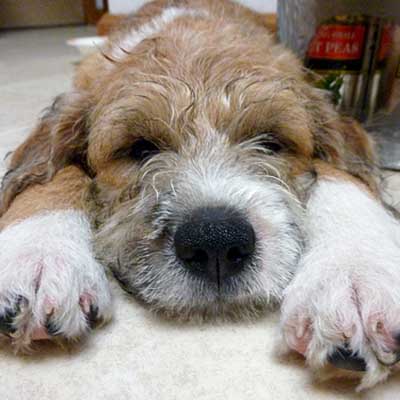
Bea Griffon
The Bea Griffon is a compact yet sturdy breed, recognized for its friendly demeanor towards strangers and its exceptional compatibility with children and other pets. With a calm disposition, these dogs are highly intelligent and quick learners. Although relatively new, having originated in Afghanistan, they are swiftly becoming popular in Western countries. Bea Griffons are not only attractive but also inherently affectionate. They adapt seamlessly to various living environments, whether in apartments, houses, or condos. As companions, they exhibit remarkable loyalty and love for their families, making them truly valued members of the household. While they may not excel as guard dogs, they will certainly alert you to the presence of visitors, greeting them with enthusiasm.
Read more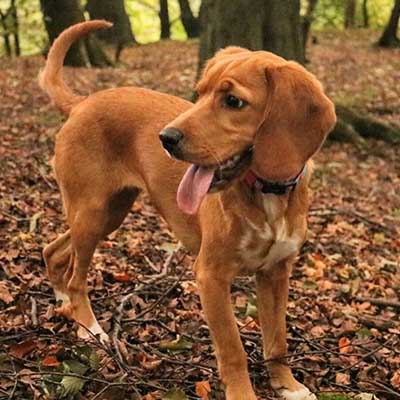
Bocker
The Bocker is a mixed breed that arises from the crossbreeding of a Beagle and a Cocker Spaniel. These dogs are usually small, robust, and muscular, boasting medium to long fur that comes in various colors. Although they can be utilized as hunting partners, they are predominantly cherished as family pets because of their loving and loyal disposition. Bockers are lively yet trainable, making them a suitable choice for novice dog owners. They possess a keen intelligence and typically get along well with children and other animals. Furthermore, while they are not known for aggression, they can serve as reliable guard dogs, displaying a protective instinct towards their families.
Read more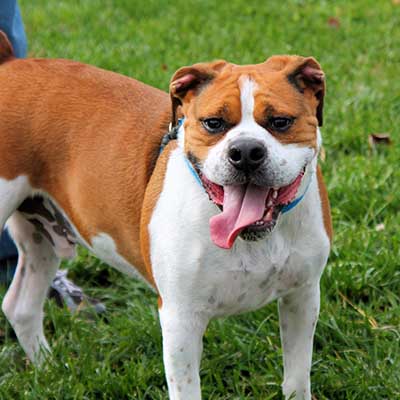
Bogle
The Bogle is a hybrid breed resulting from the combination of a Boxer and a Beagle. Although the exact origins of this mix are not well-documented, exploring the traits of its parent breeds can offer valuable insights into the Bogle's characteristics and history. With its Boxer heritage, this breed is typically energetic and thrives in environments where it has plenty of room to play and release its high energy levels. Furthermore, the Bogle is recognized for its alertness and tends to be wary of strangers. As a designer dog, it has been specifically developed to be a loyal companion.
Read more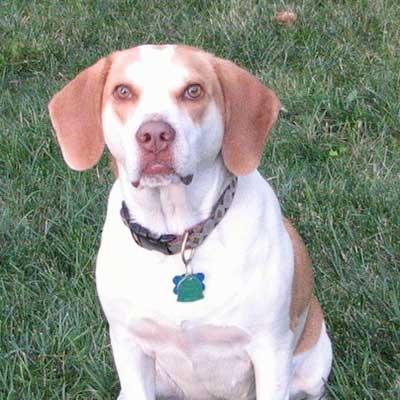
Brittany Beagle
The Brittany Beagle is a hybrid breed that merges the qualities of the Brittany and the Beagle. Both parent breeds boast a long-standing history as hunting companions and possess a keen instinct for pursuing game. While Beagles are typically more vocal than Brittanys, you can expect your Brittany Beagle to bark quite a bit as well. In terms of size, both breeds fall into the medium category, but the Brittany is usually taller and more slender than the Beagle. Your Brittany Beagle will likely exhibit physical traits from both breeds, though it may lean more towards one in appearance. It’s essential to recognize that neither parent breed enjoys solitude; thus, your Brittany Beagle will flourish when included in daily family activities, which is crucial for its mental and emotional health.
Read more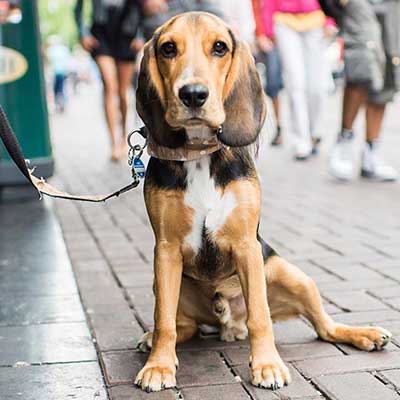
English Speagle
The English Speagle is a charming hybrid created by crossing a Beagle with an English Toy Spaniel. This delightful breed showcases a slightly wavy coat, distinctive ears, and large, expressive round eyes. By merging the best characteristics of both parent breeds, the Speagle exhibits a cheerful, intelligent, friendly, loyal, and gentle nature. They typically get along well with children and other animals, although their Beagle lineage may result in some barking, which could be a nuisance to neighbors; therefore, they often do best in rural environments. As a mixed breed, it can be difficult to predict the exact temperament of each English Speagle. However, this breed is widely celebrated as an exceptional family pet, making it a perfect companion for those with an active lifestyle. Whether you’re bringing home your first dog or expanding your furry family, the Speagle is an excellent choice for dog enthusiasts of all experience levels.
Read more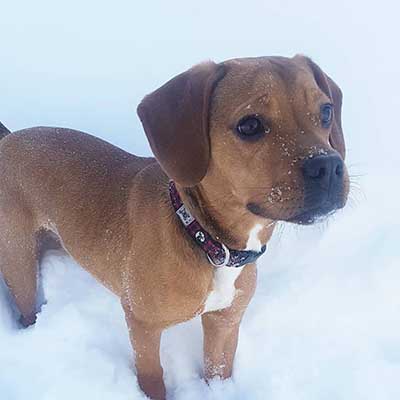
Frengle
The Frengle is a newly developed hybrid breed that results from the crossbreeding of a French Bulldog and a Beagle. This compact dog is characterized by its friendly nature, keen alertness, joyful personality, and unexpected vitality relative to its size. Although they typically respond positively to training, it's essential to recognize that they can sometimes display a stubborn streak, necessitating a patient and gentle training approach. Frengles are fantastic family pets, as they are affectionate towards children and generally get along well with other animals. Early socialization is vital for these dogs, as it fosters their confidence and leads to a sociable companion eager to please. With their charming appearance and sturdy build, Frengles make delightful companions.
Read more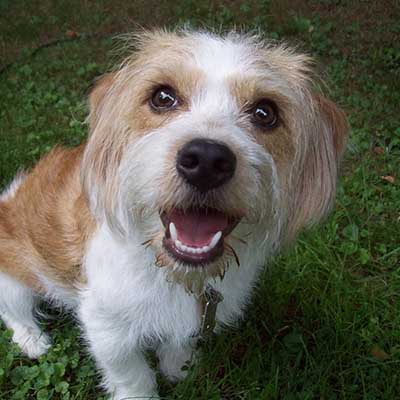
Glechon
The Glechon is a hybrid breed that emerges from the union of the keen Beagle and the loving Bichon Frise. Typically, these dogs weigh between 26 and 40 pounds and are distinguished by their wiry fur, droopy ears, and compact snouts. Renowned for their vibrant personalities, Glechons flourish with attention and relish the companionship of both people and fellow canines. They tend to be energetic and smart, necessitating consistent physical activity and mental stimulation to maintain their happiness. Many owners find their Glechons to be a wonderful source of joy and amusement.
Read more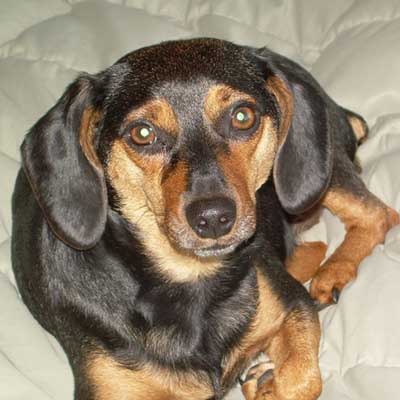
Meagle
The Meagle is a designer dog breed that results from crossing the purebred Miniature Pinscher, commonly known as the Min Pin, with the Beagle, a small hound. This hybrid is celebrated for its playful nature and friendly disposition, thriving on social interaction and showcasing a natural curiosity about the world. With an excellent sense of smell, Meagles love to explore their environment. However, they can be somewhat stubborn, which makes early socialization and consistent training crucial to prevent any unwanted behaviors. The Meagle is recognized by five hybrid and competitive clubs and is also referred to as "Megie" in the Designer Breed Registry.
Read more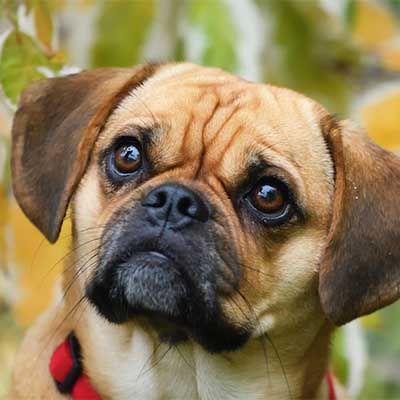
Puggle
The Puggle is a mixed breed that emerges from the crossbreeding of a Pug and a Beagle, first appearing in the United States in the 1980s. This breed beautifully combines the Pug's delightful wrinkles and loving nature with the Beagle's longer tail and snout, which can help alleviate some of the breathing difficulties often seen in brachycephalic breeds. However, Puggles are still known to snore and snort, but their charming personalities and friendly demeanor often cause owners to overlook these traits. They make wonderful family pets, although they can sometimes be headstrong and uncooperative. Puggles also have a propensity to wander and howl, yet their playful and affectionate nature typically endears them to those around them. Regular grooming is important, as they tend to shed quite a bit, helping them maintain a polished appearance.
Read more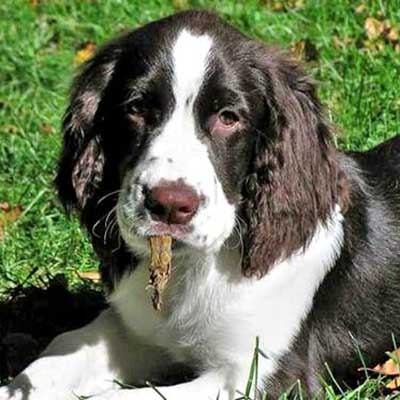
Spreagle
The Spreagle is an enchanting hybrid breed, born from the union of a Beagle and an English Springer Spaniel. This distinctive combination merges two well-established breeds, both originally developed for hunting and tracking. The result is nothing short of extraordinary! With the Beagle's exceptional olfactory abilities and the English Springer Spaniel's versatility, this medium-sized dog makes a perfect companion for any hunting aficionado. Yet, even in a home without hunters, this intelligent pup can help find everyday items like car keys, little Tommy's backpack, Susie's beloved blue sweater, or even those elusive needle-nose pliers that your husband has been searching for. Additionally, the Spreagle is bound to capture the hearts of every family member—and possibly even the neighbors!
Read more