Meagle
Megie
The Meagle is a designer dog breed that results from crossing the purebred Miniature Pinscher, commonly known as the Min Pin, with the Beagle, a small hound. This hybrid is celebrated for its playful nature and friendly disposition, thriving on social interaction and showcasing a natural curiosity about the world. With an excellent sense of smell, Meagles love to explore their environment. However, they can be somewhat stubborn, which makes early socialization and consistent training crucial to prevent any unwanted behaviors. The Meagle is recognized by five hybrid and competitive clubs and is also referred to as "Megie" in the Designer Breed Registry.
Breed Origin
The Meagle is a mixed breed that results from crossing a Miniature Pinscher with a Beagle. Although both parent breeds are known for their lively temperaments and rich histories, the Meagle itself is relatively unknown and does not have established breed standards. This lack of formal guidelines can result in significant differences among individual Meagles. To better understand what to expect from your Meagle, it’s helpful to look into the backgrounds, health issues, and personality traits of its parent breeds. The Miniature Pinscher, as suggested by its name, is a small dog. The word "Pinscher" means "biter" in German, reflecting its heritage as the German equivalent of the Terrier. This breed originated in Germany several centuries ago, initially bred to hunt vermin, but it remained largely unrecognized until the late 1800s. As enthusiasts began to breed and exhibit the Miniature Pinscher, its popularity soared throughout the 20th century. It was introduced to the United States, where the American Kennel Club recognized it as part of the Terrier group in 1929, later reclassifying it as a Toy breed. The origins of the Beagle are somewhat mysterious, with some theories proposing that it descends from small rabbit-hunting dogs brought to Europe by the Romans. These early hunting dogs interbred with local hounds, leading to the development of the Beagle's smaller ancestors. The modern Beagle, known for its unique characteristics, was refined in 19th-century England, primarily for its outstanding scenting and hunting abilities rather than its looks. This breed caught the attention of American breeders who were looking for a compact dog suitable for fox hunting. In the U.S., the Beagle's size was further reduced to what we see today, and the American Kennel Club officially recognized it as a Hound breed in 1885.
Breed Appearance
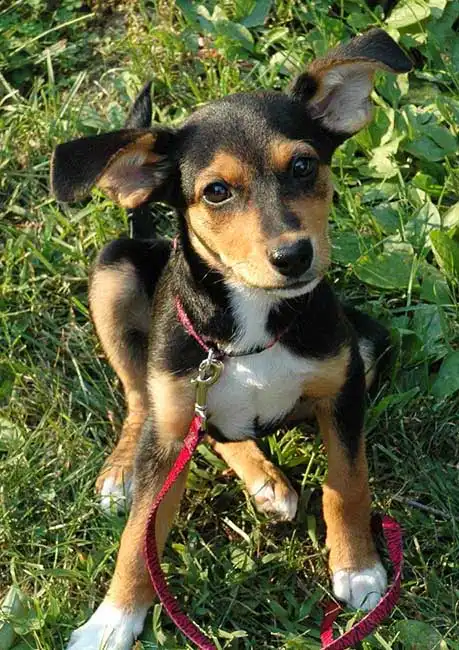
The Meagle is a small dog, even tinier than its Beagle lineage. Its head can either have a gentle dome shape or appear relatively flat, complemented by a petite muzzle. The Meagle's ears are larger than those of a Miniature Pinscher but smaller than a Beagle's, and they hang down in a graceful manner. Its eyes, which can be amber or brown, are slightly oval and radiate a playful spirit. With long, slender legs reminiscent of the Miniature Pinscher, the Meagle possesses an elegant build. The coat can range from coarse with short to medium-length hair to a silky texture, usually featuring darker tones with richer shades on the face. Often, the Meagle carries its tail upright, enhancing its cheerful demeanor.

Care Routine
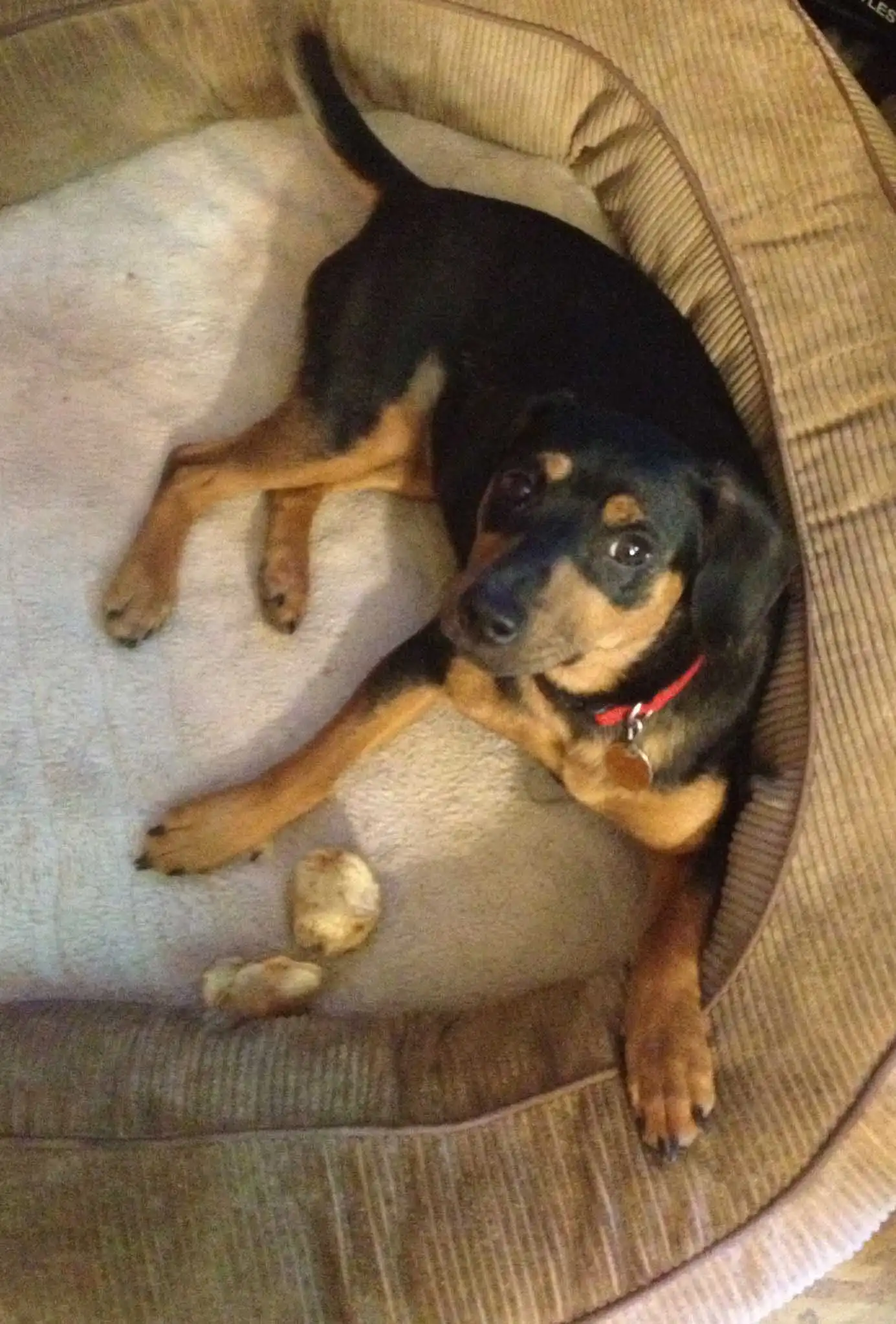
Despite having a short coat, the Meagle is a moderate shedder and does not fall into the hypoallergenic category. To effectively manage shedding, regular brushing—ideally once a week—is recommended, as it significantly reduces loose and dead hair. Utilizing hound mitts can enhance the grooming experience and also help strengthen the connection between you and your Meagle. Moreover, this breed is susceptible to periodontitis due to tartar and plaque buildup. To mitigate this risk, it is advisable to brush your Meagle's teeth two to three times weekly and offer hard chew toys, which can assist in decreasing both tartar and bacteria. Additionally, the Meagle's long ears are prone to trapping dirt and moisture, so it’s important to inspect and clean them regularly with a veterinarian-approved ear cleaning solution to avoid infections and unpleasant odors.
Behavior & Temperament
The Meagle brings a vibrant and spirited energy to any household, although it may sometimes exhibit a playful mischievousness. The Min Pin parent is often less patient with children, while the Beagle parent is renowned for its affectionate nature towards them. This hybrid's friendly personality can reflect characteristics from either breed, but ensuring early and consistent interaction with children will help ease their adaptation. Typically, the Meagle tends to be more outgoing with strangers than with kids, but with appropriate socialization, it can develop positive relationships with everyone. As a pack-oriented breed, the Beagle usually gets along well with other dogs, whereas the Min Pin might be less accommodating to fellow pets. Therefore, the Meagle may inherit one of these parental attitudes towards other animals, though it’s difficult to predict with certainty. Ideally, the Meagle should represent a harmonious mix of both breeds. With its high energy levels, which are a result of the active traits from both parents, the Meagle requires careful supervision. Its occasional independence and stubbornness can create challenges during training sessions.


Play & Exercise
The Meagle is an energetic and lively dog, compact in size yet full of spirit. To ensure this vibrant breed remains content and well-mannered, it is crucial to provide them with daily physical activity and stimulating mental tasks; without these, they may engage in playful antics. A secure backyard is ideal for a Meagle, as they enjoy running around. However, it’s vital to supervise them while they are outside and to have a properly fenced yard. This clever breed has a natural inclination to explore and a strong prey drive, which can lead them to attempt escaping in search of small animals. While Meagles can adapt to living in apartments, they still need regular exercise. They thrive best in warmer climates but can also manage well in temperate regions.
Things to Know
Cups Per Day
1.0 Cups
Daily Activity
30 Minutes
Average Lifespan
13 Years
Origin
Unknown
Type
Crossbreeds
Size
Small
Origin Country
United States
Brush Frequency
Weekly
Coat Texture
Straight
Ancestors
Beagle
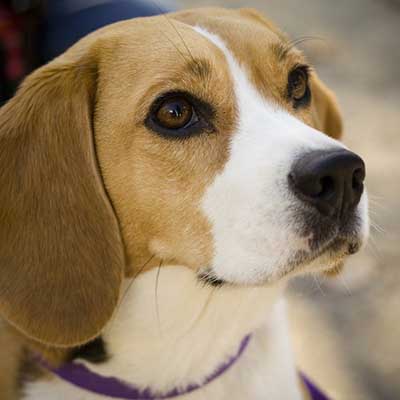
The Beagle is frequently seen as one of the most laid-back and cheerful dog breeds. With a lively and amusing demeanor, this breed spreads happiness to those around it. Originating in England in the early 1800s, Beagles were originally developed for tracking and hunting rabbits. They flourish when allowed to explore their environment, utilizing their exceptional sense of smell, which can sometimes lead them into playful trouble. As scent hounds, Beagles have ancestry that includes the Talbot Hound, North Country Beagle, and Southern Hound. Their compact and muscular build makes them an ideal companion. Beagles are easily identifiable by their droopy ears and endearing expressions. Their short, smooth coats require little maintenance; a simple weekly brushing with a rubber curry brush is enough to keep them looking their finest.
Read more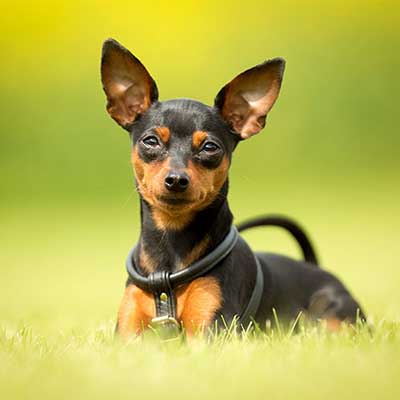
Miniature Pinscher
The Miniature Pinscher should not be mistaken for a diminutive version of the Doberman Pinscher; instead, it is more accurately described as a small-scale likeness of its larger relative. Interestingly, the Miniature Pinscher actually predates the Doberman. Often referred to as the Min Pin, this breed originates from the German Pinscher lineage and may also share ancestry with the Italian Greyhound and Dachshund. While the Miniature Pinscher has been officially recognized for over two centuries, the specifics of its ancestral background continue to spark discussion among enthusiasts. Nevertheless, this distinguished breed has been featured in Renaissance art, and artifacts from as far back as 2,000 years ago attest to its enduring existence.
Read moreRegister
Your kids have been begging for a pet forever, and you've recently decided that it's time for your family to get a new addition -- a dog! While everyone is excited for the new arrival, you're wondering if you need to have a dog license. How much does it cost? Is it required? Where do you get one?
Member Clubs

PETINNATE
Other
Height & Weight
Weight
15 lbs (7 kg)Male: 15 lbs (7 kg) , Female: 15 lbs (7 kg)
Height
14 inches (36 sm)Male: 14 inches (36 sm) , Female: 14 inches (36 sm)
6 Months
13 lbs ( m 13 lbs, f 13 lbs )
12 inches ( m 12 inches, f 12 inches )
12 Months
15 lbs ( m 15 lbs, f 15 lbs )
14 inches ( m 14 inches, f 14 inches )
18 Months
15 lbs ( m 15 lbs, f 15 lbs )
14 inches ( m 14 inches, f 14 inches )
Eye Colors
Brown

Amber
Nose Colors
Black
Coat Colors
White
Brown
Black
Red