Dog Breeds by Drooling Potential
Drooling Potential refers to how a dog typically behaves or responds in everyday situations. Individual dogs may vary based on training, environment, and genetics.
Drool-prone dogs may drape ropes of slobber on your arm and leave big, wet spots on your clothes when they come over to say hello. If you've got a laid-back attitude toward slobber, fine; but if you're a neatnik, you may want to choose a dog who rates low in the drool department.
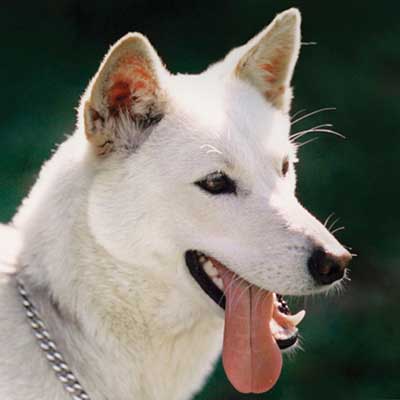
Jindo
The Jindo is a strong and muscular dog belonging to the Spitz family, originating from South Korea. This breed is characterized by its joyful personality and flourishes when engaged in activities. Initially developed as a versatile hunting dog, these instincts remain strong today. Jindos are incredibly loyal, often forming a profound bond with one person while still being friendly with other family members. Adult Jindos may find it challenging to adjust to new environments and have been known to travel great distances to return to their original homes and owners. They are inherently clean and adapt easily to house training. However, without proper socialization with other dogs during their early years, Jindos can display territorial tendencies and may react aggressively towards unfamiliar dogs that enter their space.
Read more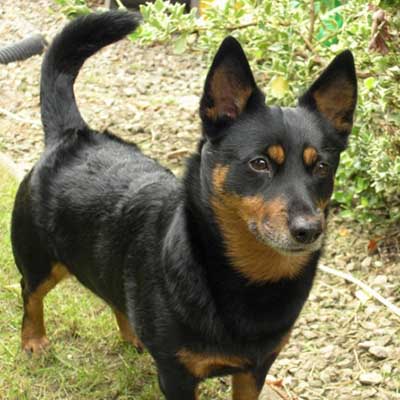
Lancashire Heeler
The Lancashire Heeler is a distinctive and rare small dog breed that hails from Great Britain. Initially bred for herding cattle, these compact dogs are nimble enough to nip at the hooves of cows while skillfully dodging any kicks. Beyond their herding responsibilities, they also served an important function in managing pests on farms, particularly rats. Generally, this breed enjoys good health and demands minimal daily grooming, although they are not hypoallergenic. While they tend to be affectionate and friendly with their families, they may exhibit wariness towards strangers, highlighting the importance of early socialization and training for their proper development.
Read more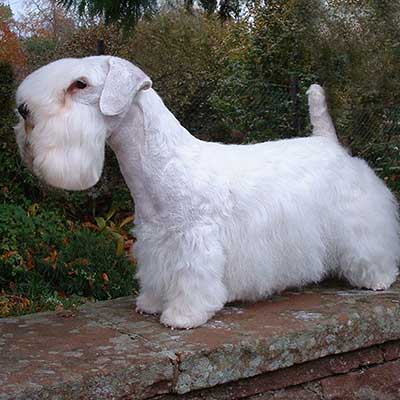
Sealyham Terrier
The Sealyham Terrier is a loyal, loving, and self-reliant breed. Originating from Wales, this small but determined dog was initially bred for hunting badgers, otters, and foxes. Although they are compact, Sealyhams can sometimes display a stubborn nature. In modern times, these dogs enjoy chasing birds, rabbits, and even other pets, such as cats and dogs. Their unique white coat was specifically developed to allow hunters to easily distinguish the dog from its prey. The American Kennel Club recognized the Sealyham Terrier in 1911. While it continues to be a popular choice in dog shows, it is regarded as a rare breed in the United States.
Read more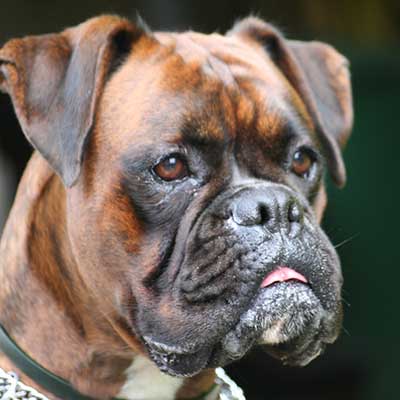
Boxer
The Boxer breed traces its roots back to Germany in the early 19th century, where it was originally developed for use as a bait and fighting dog, as well as a loyal guardian. Its strong, muscular, and agile build made it ideal for these roles until the prohibition of bull baiting and dog fighting. Since then, the Boxer has gained immense popularity around the globe, renowned for its loyalty, playful nature, and high energy, which make it an excellent family pet. Furthermore, Boxers are recognized for their self-grooming tendencies, resulting in relatively low grooming needs. However, it is crucial to provide them with sufficient mental and physical stimulation; without it, they may exhibit undesirable behaviors.
Read more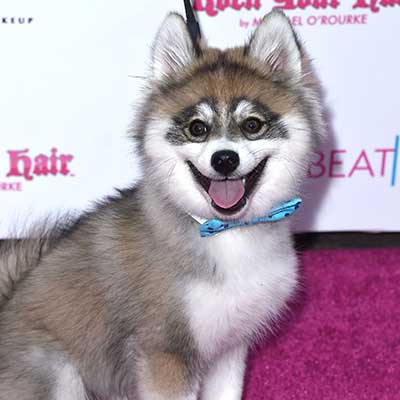
Pomsky
The Pomsky, a popular designer dog breed, is created by crossing a Siberian Husky with a Pomeranian. These dogs are celebrated for their intelligence, playful nature, and occasional stubbornness, often displaying a strong instinct to chase. To prevent potential aggression as they mature, it is crucial to socialize them early on. Generally, Pomskies are small to medium-sized, weighing between 20 and 30 pounds and standing up to 15 inches tall. They are characterized by their beautiful, silky medium-length coats, which typically showcase a combination of two colors. Their eyes can come in various shades, including brown, hazel, blue, or green, and some may even exhibit heterochromia, where each eye is a different color.
Read more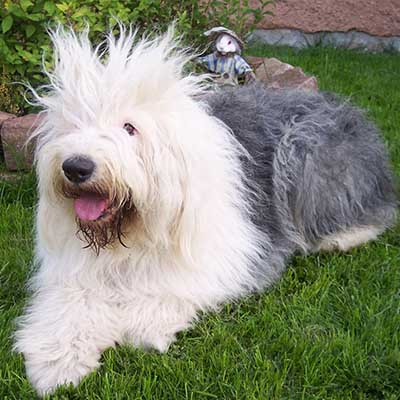
Old English Sheepdog
The Old English Sheepdog, one of the most ancient dog breeds, gained recognition from the American Kennel Club merely four years after the organization was founded in 1888. Currently, it holds the position of the 75th most popular breed in the United States. This breed is notable for its substantial size and unique shaggy fur, having featured prominently in various television shows and movies, as well as being a popular contender in dog competitions. Old English Sheepdogs are not only robust but also gentle and exceptionally intelligent, adept at mastering a wide array of commands and tasks. Their dense double coat often partially covers their eyes and comes in several color variations, with the most common being grizzle and white, gray and white, blue merle and white, blue gray and white, and blue and white.
Read more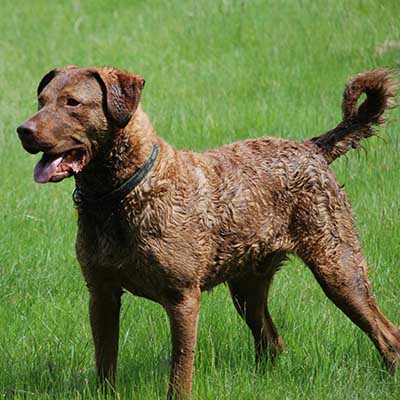
Chesapeake Bay Retriever
The Chesapeake Bay Retriever is a distinctive breed that sets itself apart from other Retrievers. This breed traces its roots back to two Lesser Newfoundland puppies, also referred to as St. John’s Water Dogs, which were saved by an American ship following a shipwreck near Maryland in 1807. These dogs were subsequently crossbred with local breeds, including Water Spaniels, Setters, and Hounds, in a somewhat haphazard manner. Although they share similar roles with other Retrievers, their genetic background is quite unique. Chesapeake Bay Retrievers are known for their striking looks, featuring a slightly oily, musky, waterproof wavy brown coat, captivating amber eyes, and a sturdy, muscular physique. While they are now mainly cherished as family pets and hunting companions, their initial role was to retrieve waterfowl. Renowned for their cheerful disposition, intelligence, and eagerness to please, these dogs excel in work, especially in water-related tasks. Their grooming requirements are relatively low, needing only a weekly brushing and a bath every three to four months. Due to their energetic and robust nature, they benefit from regular, vigorous exercise, whether through walking, running, or hunting geese. To ensure their proper development, consistent training combined with firm yet affectionate discipline is crucial.
Read more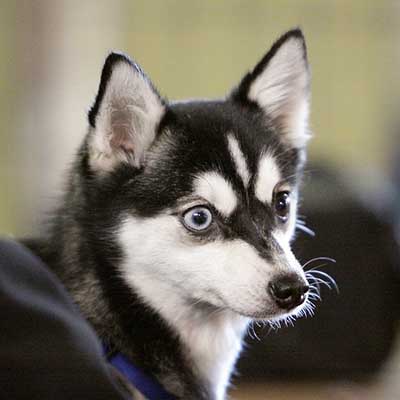
Alaskan Klee Kai
The Alaskan Klee Kai is a breed that emerged in the 1970s, created to be a smaller counterpart to the Alaskan Husky. These energetic, smart dogs are mainly bred for companionship rather than for labor. While they share a resemblance with their larger relatives, Alaskan Klee Kais can thrive in apartment settings, as long as they receive ample exercise and playtime. They might show signs of shyness or hesitation when encountering new people and communicate their emotions—be it fear, happiness, or sadness—through various vocal sounds.
Read more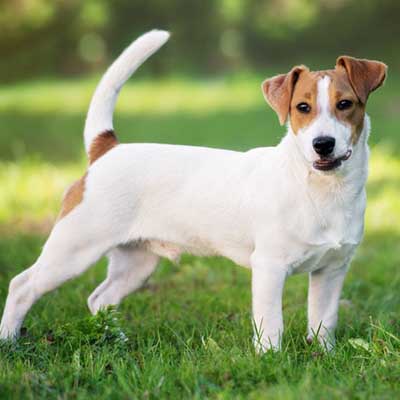
Jack Russell Terrier
The Jack Russell Terrier is a breed that has gained fame through popular television series like Frasier and Wishbone. Many fans have fallen in love with the quirky and endearing personalities of characters like Eddie from Frasier and Wishbone. However, the reality of owning a Jack Russell Terrier is quite different from what is depicted on screen. The dogs featured in these shows are supported by professional trainers and are given specific tasks to perform. In contrast, a real Jack Russell Terrier thrives on interaction and will actively seek out ways to entertain itself if its owner is busy. This breed is known for its high energy levels, relishing activities such as running, digging, and engaging in playful mischief. With the right training and an appropriate outlet for their considerable energy, they can make wonderful and loving companions.
Read more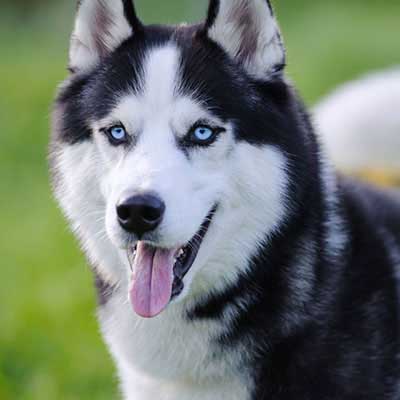
Siberian Husky
The Siberian Husky is a venerable breed that has likely developed alongside humans for thousands of years. Hailing from Russia, these dogs were cultivated by the Chukchi people, who depended on them for hauling supplies, which enabled their community to thrive in challenging environments. In addition to their transportation duties, Huskies were also bred to live harmoniously with Chukchi families. This selective breeding has resulted in a friendly and energetic breed renowned for its impressive stamina. Their dense double coat, which provides insulation against severe cold, requires regular grooming, although they do not need frequent baths. Despite their wolf-like appearance, which may intimidate some, Siberian Huskies are generally too friendly to be effective as guard dogs.
Read more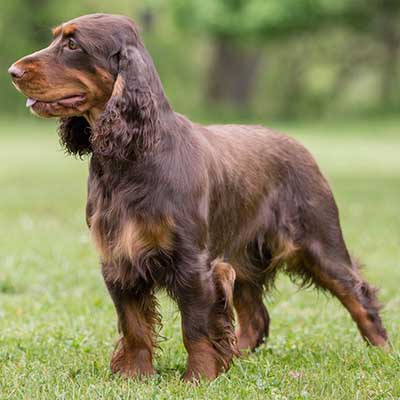
Field Spaniel
The Field Spaniel is a medium-sized dog recognized for its gentle nature and energetic spirit. Initially bred as a hunting companion, this breed gained traction in competitive dog shows during the 19th century. It descended from land Spaniels, diverging from breeds such as the Cocker Spaniel, English Water Spaniel, and Sussex Spaniel. Regrettably, early breeding efforts focused on specific traits nearly pushed the breed to the brink of extinction in the 20th century. Although Field Spaniels do not need specialized grooming, they thrive with weekly brushing to remove dead and loose fur. Additionally, like many Spaniels, they may experience issues with bad breath, which can be alleviated through regular brushing with dental products designed for dogs.
Read more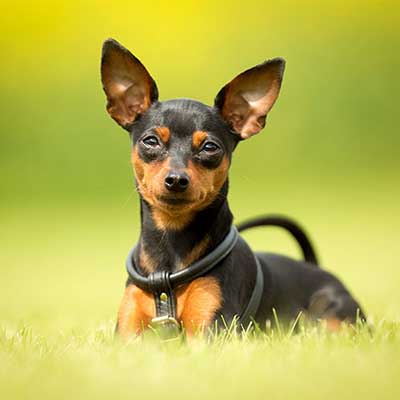
Miniature Pinscher
The Miniature Pinscher should not be mistaken for a diminutive version of the Doberman Pinscher; instead, it is more accurately described as a small-scale likeness of its larger relative. Interestingly, the Miniature Pinscher actually predates the Doberman. Often referred to as the Min Pin, this breed originates from the German Pinscher lineage and may also share ancestry with the Italian Greyhound and Dachshund. While the Miniature Pinscher has been officially recognized for over two centuries, the specifics of its ancestral background continue to spark discussion among enthusiasts. Nevertheless, this distinguished breed has been featured in Renaissance art, and artifacts from as far back as 2,000 years ago attest to its enduring existence.
Read more