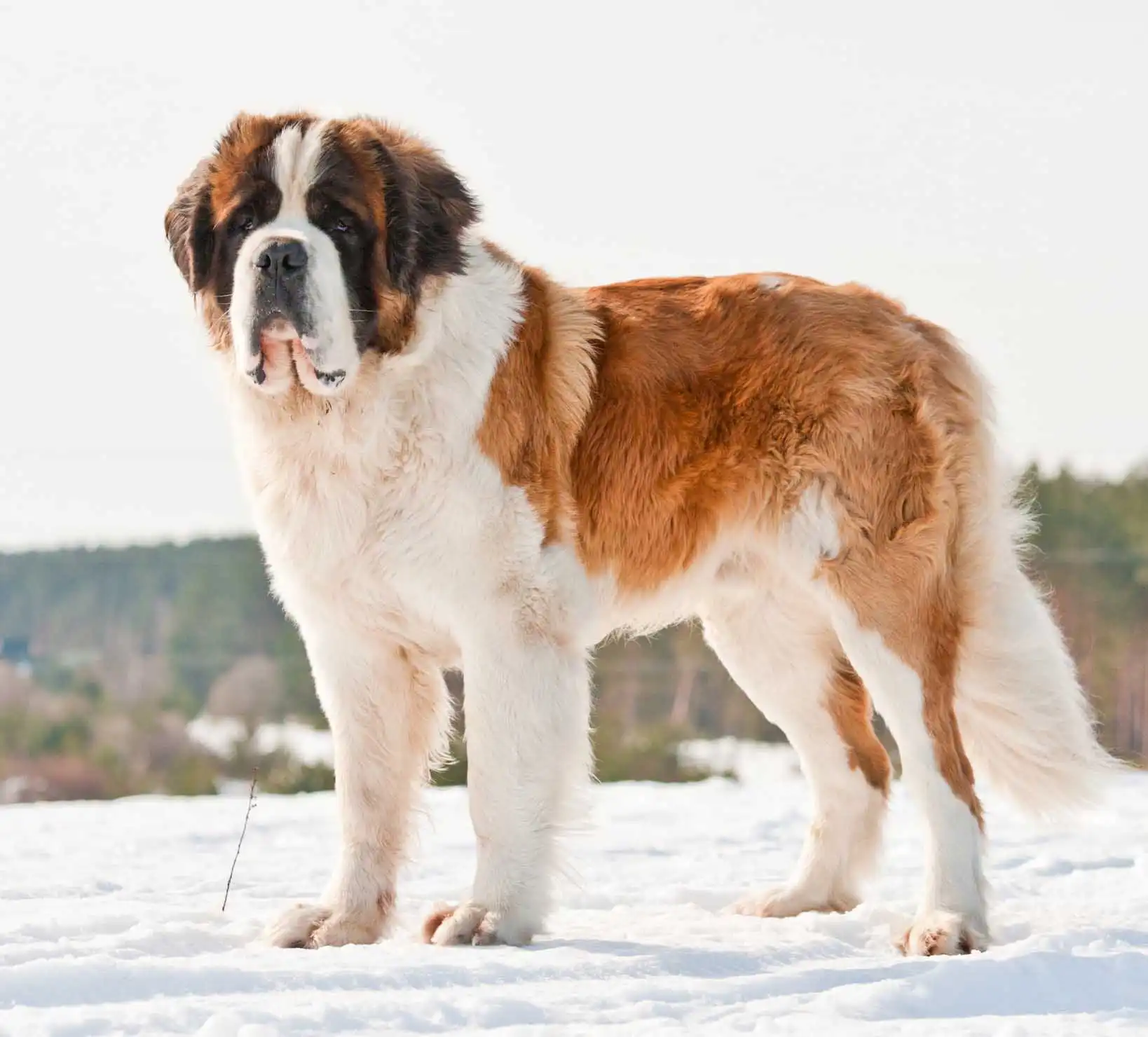
Saint Bernard
Alpine Mastiff, Bernhardiner, St Bernhardshund, St Bernard, Saint
The Saint Bernard is a friendly and loving breed, especially known for their gentle nature with children, showcasing impressive patience and tolerance. Due to their large size, they are not well-suited for small living spaces, even though they typically have a calm disposition. Bred to withstand the severe cold of the Alps, they do not cope well in hot weather. These dogs thrive on companionship and prefer to stay indoors with their families. With a stable temperament, Saint Bernards may take longer to mature mentally and often maintain a playful, puppy-like spirit well into adulthood, making them charming companions. However, for those who prioritize cleanliness, their biannual shedding, drooling, and tendency to bring in dirt can pose challenges. They need plenty of room to move around comfortably but are not overly energetic. Training is generally easy, although they can be a bit stubborn at times. A well-adjusted Saint Bernard benefits greatly from early socialization with a variety of people and experiences.

Breed Origin
The Saint Bernard breed is thought to have emerged from a mix of local Alpine dogs and Mastiff-type breeds introduced by the Roman army during the reign of Emperor Augustus. The treacherous Saint Bernard Pass still showcases remnants of the ancient Great Roman Road, a historical marker of Napoleon’s journey. This breed is named after St. Bernard de Menthon, who founded the hospice, along with the monks who significantly contributed to its development. At the Switzerland Hospice St. Bernard, these incredible dogs were utilized to assist travelers traversing the dangerous Alpine route between Switzerland and Italy. Originally, the breed had short hair, as longer fur would trap icicles. By the mid-17th century, Saint Bernards gained fame for their rescue skills, particularly their exceptional ability to locate people buried under heavy snow after avalanches. These remarkable dogs worked in pairs; when one found a victim, it would lie next to them for warmth while another would go for help. They also have a unique talent for sensing storms and avalanches, thanks to their ability to hear low-frequency sounds. A hospice dog named Barry became well-known between 1800 and 1810 for saving over 40 lives, earning him the title of the most famous dog, with the breed often referred to as Barryhunden in his honor. The Swiss Kennel Club officially recognized the breed in 1889, and in 1887, the International Congress of Zurich established the first breed standard, which was accepted by all countries except England.
Breed Appearance
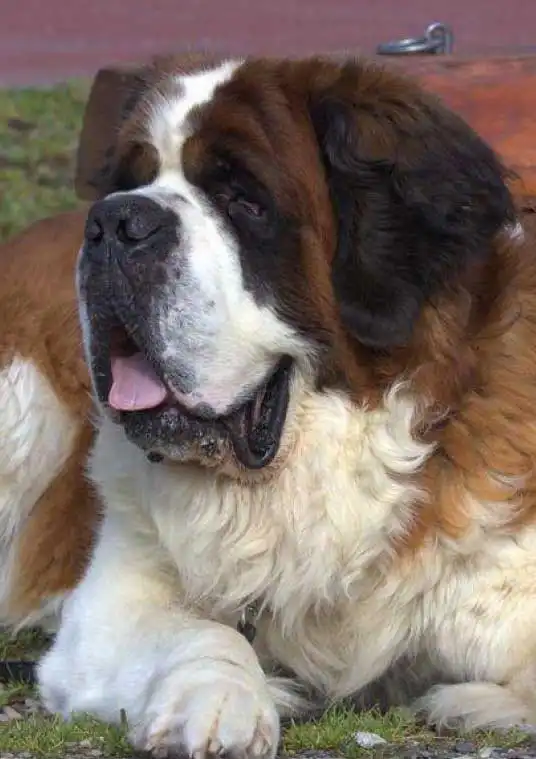
The Saint Bernard is a striking dog, known for its strong and muscular physique, highlighted by a large, powerful head. This breed has a short muzzle that is wider than it is long, with teeth that fit together in either a level or scissors bite. Its lips and nose are black, with the nose being broad and featuring well-defined nostrils. The dog's medium-sized, dark eyes give it a somewhat sorrowful look. Although Saint Bernards can easily become overweight, they are most impressive when their weight is in harmony with their height. Their sturdy legs culminate in large feet with well-arched toes, and their thick tail hangs low when the dog is relaxed. Typically, the face and ears are black, with the ears set high on the head, drooping slightly and extending outward. This remarkable breed comes in two coat types: rough and smooth, both of which are dense enough to protect them from cold weather. Their coats often display a mix of white with markings in shades of tan, red, black, brindle, and various combinations. In rough-coated individuals, the fur is longer than that of smooth-coated ones, and they show feathering on their legs and thighs.

Care Routine
Both the smooth and rough-coated Saint Bernards are relatively easy to groom. To control shedding, regular brushing with a firm bristle brush is essential. Bathing should be reserved for when it’s truly necessary, such as after they’ve played in mud or developed unpleasant odors, since shampoo can remove the coat's natural oils that provide water resistance. It’s advisable to use a mild soap specifically designed for dogs. These dogs often experience watery eyes, so extra attention is needed in that area to keep it clean and free from irritation. Given their size, they require a good daily walk to stay fit. To avoid bloat, it’s better to feed them two to three smaller meals throughout the day rather than one large meal. Regular ear inspections are also crucial, as their floppy ears can be susceptible to infections if not cleaned properly. Grooming sessions are a great time to check for any cuts, abrasions, or parasites like ticks and fleas. Overall, maintaining a Saint Bernard’s grooming needs is quite straightforward.
Behavior & Temperament
The Saint Bernard is often described as a gentle giant, known for its extraordinary kindness, friendliness, and remarkable patience, especially with energetic children. This breed is characterized by its slow, deliberate movements and a temperament that is both obedient and calm. They are deeply loyal and have a strong desire to please their human families. Despite their intelligence, it’s important to begin training them early while they are still manageable in size. Teaching them not to jump on people is crucial to avoid any accidental injuries to smaller family members. The sooner they learn to walk on a leash under your control, the more enjoyable walks will be. Without proper training to heel, you may find yourself being dragged along as they pursue their own interests. Their large size also makes them effective guard dogs, naturally deterring most strangers. Saint Bernards flourish when they understand their place within the family structure; they need to see you as the pack leader and require consistent training to reach their full potential. While they are not naturally aggressive, their size can present challenges if not properly managed. Furthermore, their keen sense of smell and instinctive ability to sense approaching bad weather make them highly valued and respected companions.

Play & Exercise
Things to Know
Cups Per Day
0.0 Cups
Daily Activity
0 Minutes
Average Lifespan
9 Years
Origin
980 AD
Type
Pure Breeds
Size
Not Set
Origin Country
Switzerland
Brush Frequency
Daily
Coat Texture
Straight
Register
Your kids have been begging for a pet forever, and you've recently decided that it's time for your family to get a new addition -- a dog! While everyone is excited for the new arrival, you're wondering if you need to have a dog license. How much does it cost? Is it required? Where do you get one?
Member Clubs

PETINNATE
Guardian Dog

AKC
Working Group

UKC
Guardian Dog
Height & Weight
Weight
145 lbs (66 kg)Male: 160 lbs (73 kg) , Female: 130 lbs (59 kg)
Height
28 inches (71 sm)Male: 29 inches (74 sm) , Female: 27 inches (69 sm)
Characteristics
Mixes
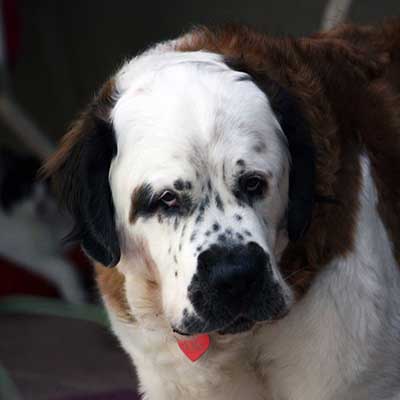
Labernard
The Labernard is a friendly, affectionate, and sociable breed, drawing its personality from its parent breeds: the energetic Labrador Retriever and the gentle Saint Bernard, both of which were originally developed for work purposes. This breed falls into the large to giant category and requires a firm and consistent training approach due to its stubborn nature; therefore, starting training early is recommended. Labernards come in a range of colors, such as white, yellow, brown, tan, black, and red, and possess a short, dense coat with a thick double layer that can lead to discomfort in warmer climates. They shed moderately, so regular grooming is essential to keep their coat healthy. With a strong need for physical activity, the Labernard makes an excellent companion for active families who enjoy outdoor pursuits.
Read more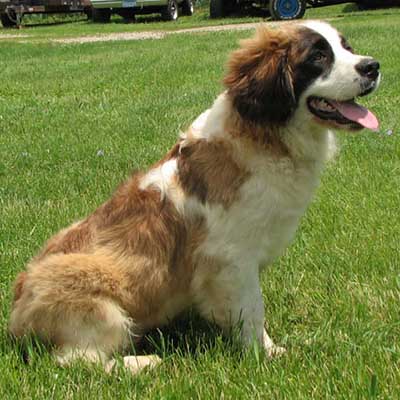
Mini St. Bernard
Mini St. Bernards are available in two distinct sizes. The smaller variant, known as the Micro, typically weighs around 25 pounds, while the larger Nehi averages about 50 pounds. Their coats can differ in texture, ranging from dense and wavy to silky and straight, with a medium length that displays a diverse palette of colors such as black, brown, red, cream, fawn, brindle, blue, silver, and white. Renowned for their gentle and affectionate demeanor, Mini St. Bernards are eager to please and generally respond well to training. However, they may show a bit of stubbornness, making it important to maintain consistent firmness during training sessions. These dogs are friendly and sociable, getting along well with everyone, including children and other pets, which makes them excellent companions for families.
Read more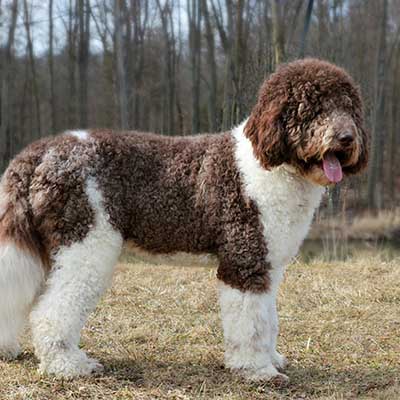
Saint Berdoodle
The Saint Berdoodle is a large hybrid breed created by crossing a Saint Bernard with a Poodle, typically inheriting traits from both parent breeds. This mix usually resembles the Saint Bernard in size while featuring a coat akin to that of a Poodle. Most Saint Berdoodles are primarily white with red markings, though some may display a red coat with white accents. Renowned for their loving disposition, these dogs thrive on human interaction and enjoy being the center of attention. They prefer to remain close to their families and should not be left alone for long periods. Furthermore, Saint Berdoodles generally get along well with children of all ages, but due to their size, it is advisable to supervise their interactions.
Read more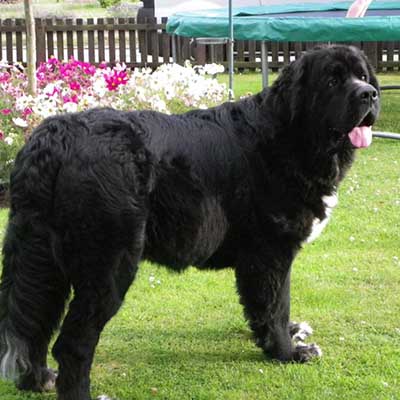
Saint Bernewfie
Saint Bernewfies are large, loving dogs celebrated for their gentle disposition. This designer breed results from crossing a purebred Saint Bernard with a purebred Newfoundland. Weighing up to 180 pounds and reaching heights of 33 inches, they might seem imposing, but their sweet temperament makes them wonderful companions for children. Although they are protective of their families, they are characterized by their gentle giant nature and are not aggressive. These dogs thrive on human interaction and do not do well when left alone in a yard for long periods. They can be somewhat stubborn, so early socialization and training are essential. Prospective owners should be ready for some drooling and shedding, as these are common traits. Their coats can vary in color, including black, brown, red, and white, and may be either coarse and rough or smooth, often featuring water-repellent qualities.
Read more
Saint Dane
The Saint Dane may not be the ideal pet for everyone. This designer breed results from crossing a purebred Saint Bernard with a purebred Great Dane, both known for their large size, gentle nature, and protective instincts, making them excellent family companions. However, prospective owners should consider a few important factors: these dogs are prone to drooling, need plenty of living space, and generally have shorter lifespans. Their significant appetite also means that only those prepared to invest time, resources, and energy into their care should think about adding one to their family. For those who decide to bring a Saint Dane into their home, they will discover a loving, friendly, and protective companion who is particularly fond of children and very affectionate. Often called Great Bernards or Bernadanes, these dogs do shed considerably, so regular grooming is essential to keep their coats healthy. Their fur is usually short and silky, with common colors including black, white, fawn, and brindle.
Read more
St. Weiler
The St. Weiler is a sizable breed, usually weighing between 80 and 100 pounds. This hybrid dog is created by crossing a Saint Bernard with a Rottweiler. St. Weilers are recognized for their affectionate and loyal demeanor, as well as their protective, calm, and friendly traits. Similar to their Saint Bernard lineage, they have a tendency to drool and shed a moderate amount of fur. To prevent excessive weight gain, it is crucial to provide them with regular exercise to ensure their health and fitness. These dogs serve as excellent protectors of property, alerting their owners to any potential threats. Moreover, they can be fantastic family pets, particularly when they are socialized with children from an early age.
Read more