Labernard
The Labernard is a friendly, affectionate, and sociable breed, drawing its personality from its parent breeds: the energetic Labrador Retriever and the gentle Saint Bernard, both of which were originally developed for work purposes. This breed falls into the large to giant category and requires a firm and consistent training approach due to its stubborn nature; therefore, starting training early is recommended. Labernards come in a range of colors, such as white, yellow, brown, tan, black, and red, and possess a short, dense coat with a thick double layer that can lead to discomfort in warmer climates. They shed moderately, so regular grooming is essential to keep their coat healthy. With a strong need for physical activity, the Labernard makes an excellent companion for active families who enjoy outdoor pursuits.
Breed Origin
The Labernard is a mixed breed that emerges from the combination of a purebred Saint Bernard, historically bred for rescue operations in mountainous regions, and a Labrador Retriever, which was developed as a working companion for fishermen in Newfoundland. Saint Bernards, often referred to as Alpine Mountain Dogs or Alpine Cattle Dogs, are part of the Molossoid breed group. Monks at the hospice of Saint Bernard, located in the Swiss Alps, trained these dogs to find and save lost travelers. One famous Saint Bernard, named Barry, is credited with rescuing between 40 and 100 individuals at the Great St. Bernard Pass. It is thought that younger dogs learned rescue skills from their elders without any formal instruction. Unfortunately, many of these dogs lost their lives in avalanches while searching for those trapped in snow. The well-known image of a Saint Bernard carrying a keg of brandy around its neck to revive stranded travelers is a myth, originating from a painting by Edward Landseer that popularized this notion. The breed is believed to have developed when local Alpine dogs were crossed with Mastiff-type breeds brought by the Roman army during Emperor Augustus's reign. The Swiss Kennel Club officially recognized the Saint Bernard breed in 1880, followed by the establishment of the Saint Bernard Club of America in 1888. In England, these dogs were known as Sacred Dogs, and many were imported to help revitalize the Mastiff lineage. Today, Saint Bernards participate successfully in various dog sports, including drafting, weight-pulling, and obedience competitions. The Labrador Retriever has its origins in Newfoundland, off the northeastern coast of Canada, where it aided local fishermen in pulling nets and retrieving fish as early as the 1700s. Initially called St. John's dogs, they are believed to have been crossbred with the Newfoundland Dog and other small local water breeds. The breed made its way to England around 1830, where they were utilized as gundogs. The name "Labrador" was first introduced by the third Earl of Malmesbury. Although the breed faced a decline in Newfoundland due to government regulations and high taxes, it has thrived in the United States, where it is now recognized as the most popular dog breed.
Breed Appearance
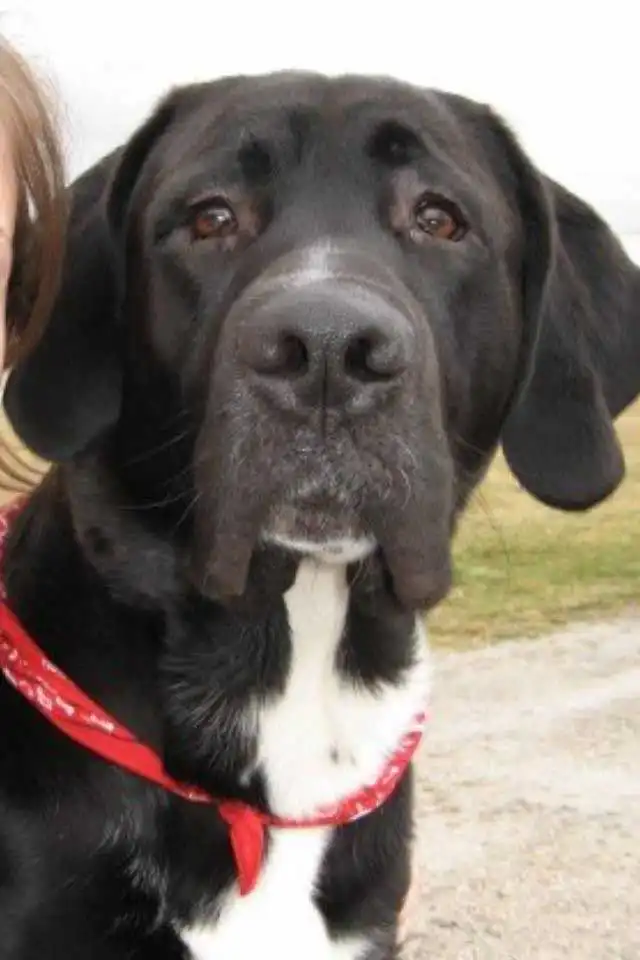
The Labernard is a large to giant dog breed that emerges from the combination of a Labrador Retriever and a Saint Bernard. These dogs possess a sturdy double coat that is short yet dense, typically exhibiting colors like yellow, brown, tan, black, and red, often highlighted with white markings. Their strong, muscular physique and prominent heads are often accompanied by forehead wrinkles, which enhance their friendly and intelligent appearance. Their warm, dark brown eyes and ears, which hang down gracefully from a relatively high position, add to their charm. Furthermore, they are known for their long, thick, and sometimes bushy tails, as well as their distinctive black noses.


Care Routine
Your Labernard will need regular grooming with a pin brush to remove loose hair and prevent tangles. While their grooming requirements are relatively straightforward, brushing every other day will help keep your pet looking its best. For those with longer coats, daily brushing is recommended. It's essential to remember that these dogs are not hypoallergenic and tend to drool, which is something potential owners should keep in mind. During heavy shedding seasons, using a shedding blade can be quite helpful. Fortunately, these large dogs don’t require frequent baths—only when they get especially dirty. Because they are prone to ear infections, it's crucial to check their ears regularly for any signs of irritation. Additionally, monitor their nails to see if they need trimming. Regular dental care is also vital to prevent tartar buildup and maintain fresh breath.
Behavior & Temperament
The Labernard is a loving and gentle breed, celebrated for its friendly nature with family and exceptional patience with children. Given their size, it's crucial to supervise young kids around them to prevent any accidental mishaps. Their kind disposition makes them friendly towards newcomers, though they will bark to alert their family of any possible intruders. These dogs do not handle being left alone for long periods well; they flourish in large, active households where someone is usually around. Training a Labernard requires a confident and assertive approach, as they have a strong personality. However, their intelligence means they respond positively to reinforcement, becoming obedient and eager to please once trained. Always up for an adventure, whether it’s a lengthy walk or a mountain trek, the Labernard does face challenges in hot weather due to their dense coats, making them susceptible to heat exhaustion. It’s advisable to exercise them during cooler parts of the day and ensure they have plenty of water available.


Play & Exercise
A Labernard is an active and spirited breed that needs daily exercise. The amount of activity required can vary based on which parent breed your dog takes after more closely. Labrador Retrievers generally need more intense workouts, whereas Saint Bernards are satisfied with more relaxed strolls and are not ideal for high-energy activities like running. Moreover, Saint Bernards can have difficulty in hot weather, so it's crucial to be mindful of the heat during summer when exercising your dog. A Labernard is better suited to a home with a fenced yard rather than an apartment. Playing ball games can keep your dog joyful and mentally engaged, which helps prevent potential behavioral problems. While your dog will relish outdoor play, it’s important to remember that they should not live outside and should be included as part of the family indoors.
Things to Know
Cups Per Day
4.0 Cups
Daily Activity
45 Minutes
Average Lifespan
10 Years
Origin
1990s
Type
Crossbreeds
Size
Giant
Origin Country
Canada
Brush Frequency
Weekly
Coat Texture
Straight
Register
Your kids have been begging for a pet forever, and you've recently decided that it's time for your family to get a new addition -- a dog! While everyone is excited for the new arrival, you're wondering if you need to have a dog license. How much does it cost? Is it required? Where do you get one?
Member Clubs

PETINNATE
Other
Height & Weight
Weight
159 lbs (72 kg)Male: 161 lbs (73 kg) , Female: 157 lbs (71 kg)
Height
25 inches (64 sm)Male: 26 inches (66 sm) , Female: 24 inches (61 sm)
6 Months

117 lbs ( m 117 lbs, f 117 lbs )
17 inches ( m 17 inches, f 17 inches )
12 Months
137 lbs ( m 137 lbs, f 137 lbs )
20 inches ( m 20 inches, f 20 inches )
18 Months
156 lbs ( m 156 lbs, f 156 lbs )
24 inches ( m 24 inches, f 24 inches )
Eye Colors
Brown

Nose Colors
Black
Coat Colors
Red
White
Black

Fawn

Brown