Mini St. Bernard
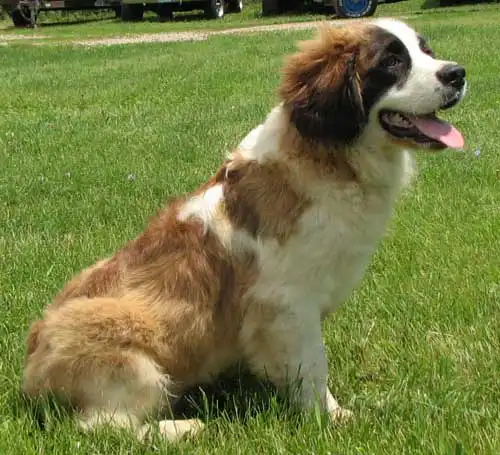
Mini St. Bernards are available in two distinct sizes. The smaller variant, known as the Micro, typically weighs around 25 pounds, while the larger Nehi averages about 50 pounds. Their coats can differ in texture, ranging from dense and wavy to silky and straight, with a medium length that displays a diverse palette of colors such as black, brown, red, cream, fawn, brindle, blue, silver, and white. Renowned for their gentle and affectionate demeanor, Mini St. Bernards are eager to please and generally respond well to training. However, they may show a bit of stubbornness, making it important to maintain consistent firmness during training sessions. These dogs are friendly and sociable, getting along well with everyone, including children and other pets, which makes them excellent companions for families.
Breed Origin
To truly grasp the essence of the Mini St. Bernard, one must delve into the histories of both the Cocker Spaniel and the St. Bernard, as the Mini St. Bernard is a relatively recent breed with a sparse historical narrative. The Cocker Spaniel's lineage can be traced back to the 1800s in the United States, evolving from the English Cocker Spaniel, which was initially bred for hunting and retrieving purposes. The English Cocker Spaniel itself has roots that extend back to the 1300s, but over the years, the breed was categorized based on size and hunting skills, whether on land or in water. It is believed that these dogs made their way to America on the Mayflower in 1620. The American Cocker Spaniel, the smaller variant, is specifically trained to flush and retrieve game birds like woodcocks. This breed gained official recognition from the American Kennel Club in 1878 and currently holds the position of the 29th most popular dog breed in the United States. Conversely, the St. Bernard originates from Switzerland, with its history dating back to 980 A.D. These dogs were primarily employed in search and rescue missions in the perilous Swiss Alps. Named after Saint Bernard de Menthon, who significantly contributed to the breed's development, St. Bernards played a crucial role in assisting travelers navigating the Alpine routes between Italy and Switzerland. They were renowned for their ability to locate and rescue individuals trapped in snow following avalanches. Typically, a team of St. Bernards would collaborate, with one dog going for help while another remained with the victim to provide warmth. Some believe these dogs have an extraordinary ability to sense approaching storms and avalanches, a skill attributed to their keen hearing. The St. Bernard was recognized by the American Kennel Club in 1885 and is currently ranked as the 49th most popular dog breed in the nation.
Breed Appearance
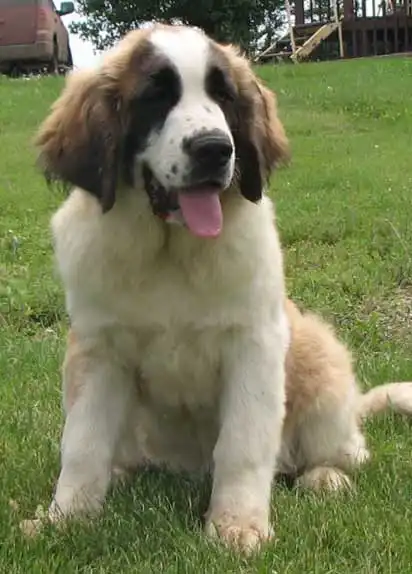
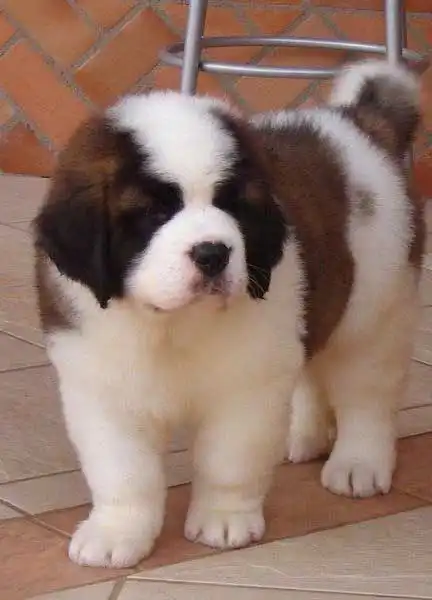
The Mini St. Bernard is available in two unique sizes. The Micro version stands at a height of 12 to 16 inches and typically weighs between 15 and 35 pounds. In contrast, the Nehi variant reaches about 16 to 20 inches tall and weighs around 40 to 60 pounds. These dogs are easily recognized by their large brown eyes, broad black noses, floppy ears, and short muzzles. While they resemble the traditional St. Bernard in overall shape, they do not possess the same level of bulk. Their coats can vary from straight and silky to wavy and coarse, usually of medium length, and come in a diverse array of colors, such as black, brown, red, cream, fawn, white, brindle, silver, blue, or various combinations of these shades.

Care Routine
The grooming needs of your Mini St. Bernard primarily hinge on whether it has a smooth, silky coat or a rough, dense one. Generally, daily brushing with a pin brush and comb is crucial to prevent tangles and mats. Although they do shed somewhat, it is not as pronounced as in some other breeds. Regular baths are not required; however, when you do bathe your dog, choose a mild dog shampoo to prevent dry skin or irritation. It’s also essential to clean your dog’s ears on a weekly basis and trim their nails as necessary. Additionally, you may need to occasionally wipe under their eyes, as they tend to produce a fair amount of moisture.
Behavior & Temperament
The Mini St. Bernard is a friendly and loving breed that flourishes in the company of others, particularly enjoying the presence of their family, especially in larger gatherings. They are gentle with children of all ages and typically get along well with a variety of pets. However, they can be cautious around strangers, which makes them effective watchdogs. These intelligent dogs learn quickly and usually respond well to training, but it’s important to be firm to prevent any stubborn behavior. Early socialization is vital, as they may develop anxiety if they are not used to interacting with other animals. Furthermore, Mini St. Bernards do not fare well when left alone for long periods, which can result in separation anxiety.


Play & Exercise
The Mini St. Bernard typically exhibits a higher energy level compared to its larger relative, necessitating a daily regimen of vigorous exercise for about 45 minutes to an hour to ensure optimal health. Insufficient physical activity can lead to weight gain and may also result in anxiety or boredom for these dogs. Recommended activities for your Mini St. Bernard encompass off-leash play at dog parks, long walks, nature hikes, or playing fetch in the yard. Although they may not be the quickest or most athletic breed, they can still gain from agility training or taking part in flyball competitions.
Things to Know
Cups Per Day
2.5 Cups
Daily Activity
45 Minutes
Average Lifespan
10 Years
Origin
1990s
Type
Crossbreeds
Size
Medium
Origin Country
United States
Brush Frequency
Daily
Coat Texture
Straight
Register
Your kids have been begging for a pet forever, and you've recently decided that it's time for your family to get a new addition -- a dog! While everyone is excited for the new arrival, you're wondering if you need to have a dog license. How much does it cost? Is it required? Where do you get one?
Member Clubs

PETINNATE
Other
Height & Weight
Weight
38 lbs (17 kg)Male: 40 lbs (18 kg) , Female: 35 lbs (16 kg)
Height
17 inches (43 sm)Male: 18 inches (46 sm) , Female: 17 inches (43 sm)
6 Months
20 lbs ( m 20 lbs, f 20 lbs )
14 inches ( m 14 inches, f 14 inches )
12 Months
27 lbs ( m 27 lbs, f 27 lbs )
15 inches ( m 15 inches, f 15 inches )
18 Months
35 lbs ( m 35 lbs, f 35 lbs )
16 inches ( m 16 inches, f 16 inches )
Eye Colors
Brown

Nose Colors
Black
Coat Colors
Black

Brown
Red
Cream
Fawn
Blue
Silver

White
Sable
Brindle