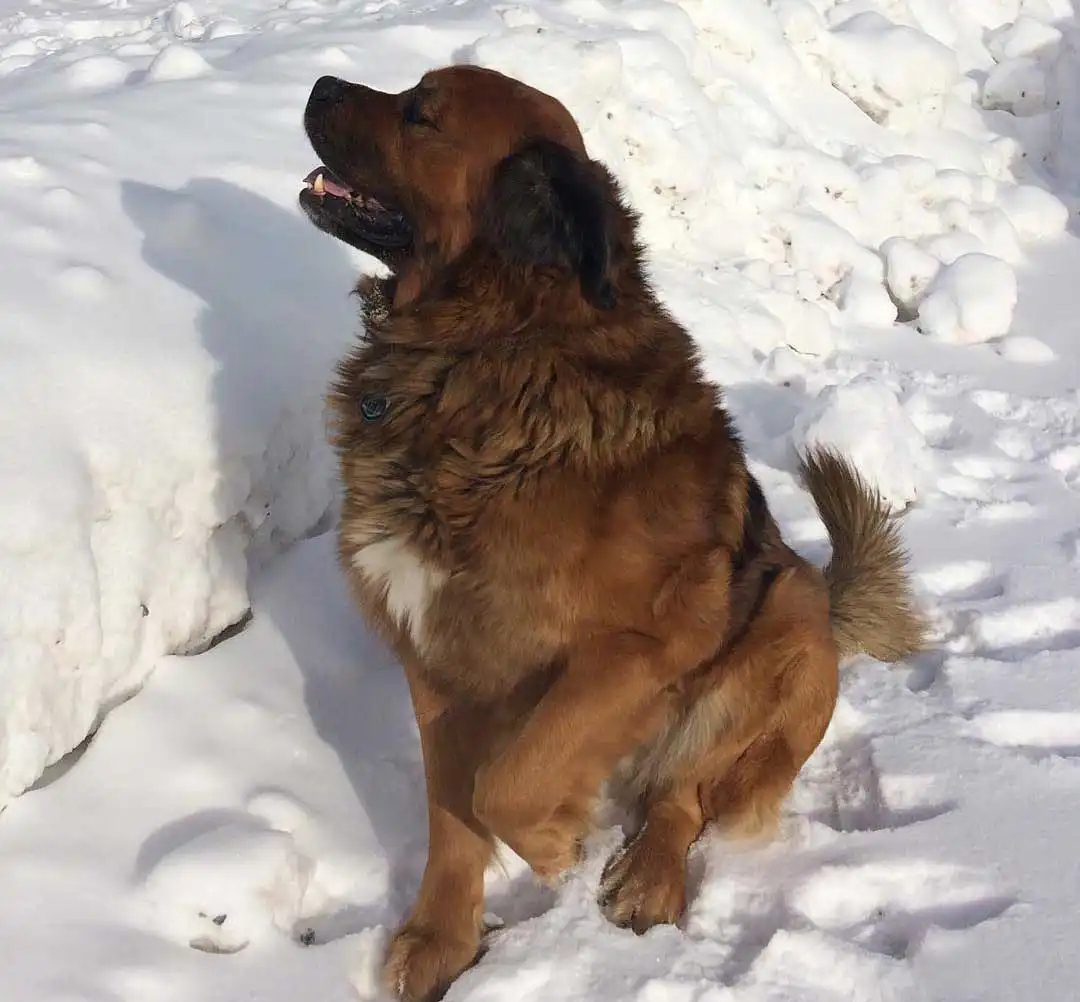
St. Weiler
Saint Weiler
The St. Weiler is a sizable breed, usually weighing between 80 and 100 pounds. This hybrid dog is created by crossing a Saint Bernard with a Rottweiler. St. Weilers are recognized for their affectionate and loyal demeanor, as well as their protective, calm, and friendly traits. Similar to their Saint Bernard lineage, they have a tendency to drool and shed a moderate amount of fur. To prevent excessive weight gain, it is crucial to provide them with regular exercise to ensure their health and fitness. These dogs serve as excellent protectors of property, alerting their owners to any potential threats. Moreover, they can be fantastic family pets, particularly when they are socialized with children from an early age.

Breed Origin
The St. Weiler is a hybrid breed created by crossing a Saint Bernard with a Rottweiler. The Saint Bernard originates from Switzerland and shares its roots with several other breeds, including the Bernese Mountain Dog, Entlebucher Cattle Dog, Appenzeller Cattle Dog, and Greater Swiss Mountain Dog. It is believed that this breed can trace its ancestry back to the Molossus, a type of Roman Mastiff, which intermingled with local dogs in the Alpine region. Historically, Swiss dogs were divided into two categories: Valley dogs, known as Talhund, and Farm Dogs, referred to as Bauernhund. The Saint Bernard began to set itself apart from these breeds when Archdeacon Bernard de Menthon founded a hospice at the Saint Bernard Pass in 962 A.D. to aid travelers. These dogs were entrusted with guarding the area and protecting the monks, which contributed to their remarkable endurance in harsh cold and their skills in search and rescue. Over three centuries, Saint Bernards were credited with saving more than 2,000 lives. The breed made its way to England, where it was called the Sacred Dog, in an effort to improve the lineage of the English Mastiff. In 1880, the breed was officially named the Saint Bernard. However, due to crossbreeding in various regions, they became taller and leaner. The first breed standard was established at the International Congress of Zurich in 1887, and the American Kennel Club recognized the Saint Bernard in 1885. Similarly, the Rottweiler also descends from the Molossus, which the Romans brought to Germany to help manage cattle. In Germany, the Molossus interbred with local breeds, resulting in the Rottweiler, named after the village of Rote Wil in southern Germany. Rottweilers were used to drive cattle and protect money, often carried around their necks. They also helped pull carts loaded with meat until the rise of the railway nearly led to their decline. The first breed standard for Rottweilers was established in 1901, and their outstanding working abilities quickly made them popular in law enforcement. German immigrants introduced Rottweilers to America in the late 1920s, and the breed was officially recognized by the American Kennel Club in 1931.
Breed Appearance
This sizable dog breed generally stands between 22 and 28 inches tall and weighs between 100 and 180 pounds. It is characterized by a wide head with droopy ears and almond-shaped eyes. Although its muzzle is narrower than its head, it remains broad and flat. The dog has a strong build, with long, sturdy legs and powerful paws. Its tail is thick, long, and hangs low. The St. Weiler's coat can vary depending on its ancestry; it may have a longer, silky feel or a shorter, coarser texture. The fur comes in a range of colors, such as brown, tan, red, black, white, or combinations of these hues. Additionally, it may display the unique facial markings typical of the Rottweiler, including tan patches above the eyes and around the muzzle.


Care Routine
The grooming needs of a St. Weiler depend on the specific coat type of each dog. For those with longer fur, daily brushing is crucial to remove loose hair and avoid tangles. Regular grooming sessions may also be required for trimming purposes. Although these dogs generally shed a moderate amount, shedding can intensify during certain times of the year. On the other hand, dogs with shorter coats need less maintenance, benefiting from weekly brushing to eliminate loose hair and help distribute natural oils in their skin. Regardless of the coat length, it’s vital to bathe your St. Weiler only when necessary to avoid skin dryness. Dental hygiene is equally important; brushing their teeth three times a week can help reduce tartar buildup and prevent bad breath. Additionally, their ears should be inspected and cleaned weekly to avert infections from dirt or moisture accumulation. Finally, if their nails grow too long, they should be trimmed once or twice a month.
Behavior & Temperament
The St. Weiler is a breed characterized by its calm demeanor, watchfulness, and protective instincts. Renowned for their intelligence, these dogs possess a strong eagerness to satisfy their owners. With appropriate training, they can live harmoniously with children and other animals, highlighting the importance of early socialization. However, if they inherit more dominant traits from their Rottweiler ancestry, they may exhibit aggression towards other dogs. To mitigate shyness, fostering early interactions is vital. St. Weilers thrive when given tasks and excel in various roles, including property protection, police work, and search and rescue missions. They are loving and gentle companions who value family time and may struggle with extended periods of solitude. While they will bark to alert you to potential intruders, they are typically quiet otherwise.


Play & Exercise
The St. Weiler is a breed celebrated for its exceptional energy and stamina, which requires significant exercise to stay healthy. This dog is prone to weight gain, making regular physical activity crucial for its fitness. Ideally, engaging in two daily sessions of 30-minute walks or jogs, along with chances for off-leash play in a park or yard, will keep the St. Weiler happy—especially if there’s a nearby lake or pond, as they have a strong love for water. Furthermore, this breed enjoys hiking, so they will be enthusiastic about joining you on trails. As large dogs, St. Weilers do best in homes with yards and prefer cooler climates, as they struggle in hot weather. For those residing in apartments, it’s vital to take them out several times a day.
Things to Know
Cups Per Day
3.5 Cups
Daily Activity
60 Minutes
Average Lifespan
14 Years
Origin
Unknown
Type
Crossbreeds
Size
Giant
Origin Country
United States
Brush Frequency
Daily
Coat Texture
Straight
Register
Your kids have been begging for a pet forever, and you've recently decided that it's time for your family to get a new addition -- a dog! While everyone is excited for the new arrival, you're wondering if you need to have a dog license. How much does it cost? Is it required? Where do you get one?
Member Clubs

PETINNATE
Other
Height & Weight
Weight
140 lbs (64 kg)Male: 150 lbs (68 kg) , Female: 130 lbs (59 kg)
Height
25 inches (64 sm)Male: 26 inches (66 sm) , Female: 24 inches (61 sm)
6 Months

75 lbs ( m 75 lbs, f 75 lbs )
12 inches ( m 12 inches, f 12 inches )
12 Months
105 lbs ( m 105 lbs, f 105 lbs )
18 inches ( m 18 inches, f 18 inches )
18 Months
135 lbs ( m 135 lbs, f 135 lbs )
24 inches ( m 24 inches, f 24 inches )
Eye Colors
Brown

Nose Colors
Black
Coat Colors
White

Red

Brown

Black