Saint Bernewfie
Saint Bernewfies are large, loving dogs celebrated for their gentle disposition. This designer breed results from crossing a purebred Saint Bernard with a purebred Newfoundland. Weighing up to 180 pounds and reaching heights of 33 inches, they might seem imposing, but their sweet temperament makes them wonderful companions for children. Although they are protective of their families, they are characterized by their gentle giant nature and are not aggressive. These dogs thrive on human interaction and do not do well when left alone in a yard for long periods. They can be somewhat stubborn, so early socialization and training are essential. Prospective owners should be ready for some drooling and shedding, as these are common traits. Their coats can vary in color, including black, brown, red, and white, and may be either coarse and rough or smooth, often featuring water-repellent qualities.
Breed Origin
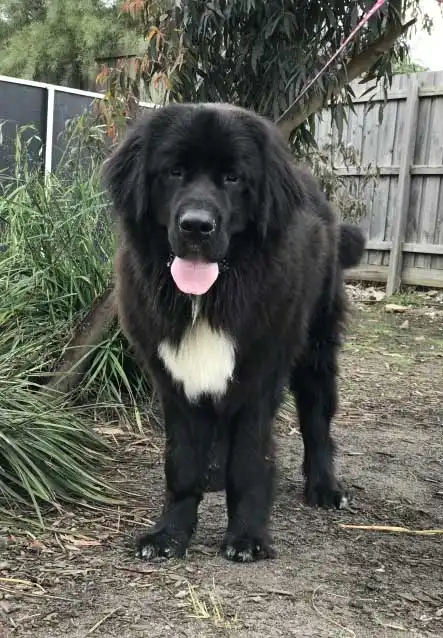
The Saint Bernewfie is a mixed breed that emerges from the combination of a purebred Saint Bernard and a purebred Newfoundland. The Saint Bernard, originally developed as a working dog in the Swiss and Italian Alps, is well-known for its involvement in rescue missions at the Great and Little St. Bernard Pass. Its ancestry likely connects to Mastiff-type dogs that accompanied the Roman legions. This breed is recognized worldwide as part of the Molosser group. Archdeacon Bernard of Menthon founded a hospice that these dogs were believed to protect, and they played a crucial role in finding lost travelers. Although there was a period when Saint Bernards were crossbred with Newfoundlands, the longer fur of the hybrids was not well-suited for the severe Alpine climate. These dogs have been credited with saving over 2,000 travelers, with one remarkable dog named Barry rescuing 40 individuals single-handedly. The Swiss Kennel Club officially acknowledged the breed in 1880, and the Saint Bernard Club of America was formed eight years later. The Newfoundland breed originates from Newfoundland, Canada, where they were utilized as working dogs on fishing boats. Known for their exceptional swimming skills, these dogs feature a thick double coat and webbed feet, making them outstanding at water rescues. One Newfoundland is famously recognized for saving Napoleon Bonaparte in 1815 after he fell overboard while trying to escape from his exile on Elba. Endearingly referred to as "Newfs" or "Newfies," these dogs share many traits with other Mastiffs, including the Saint Bernard and the English Mastiff. The Newfoundland population once faced a significant decline due to government-imposed taxes that restricted Canadian families to owning only one dog. The white and black Newfoundlands are known as Landseers, named after Sir Edwin Landseer, who famously depicted them in his artwork. The first Newfoundland was showcased in England in 1860, and the breed was registered with the American Kennel Club in 1879. One of the most iconic Newfoundlands is Nana, the cherished and protective “nanny” of the Darling children in Peter Pan.
Breed Appearance
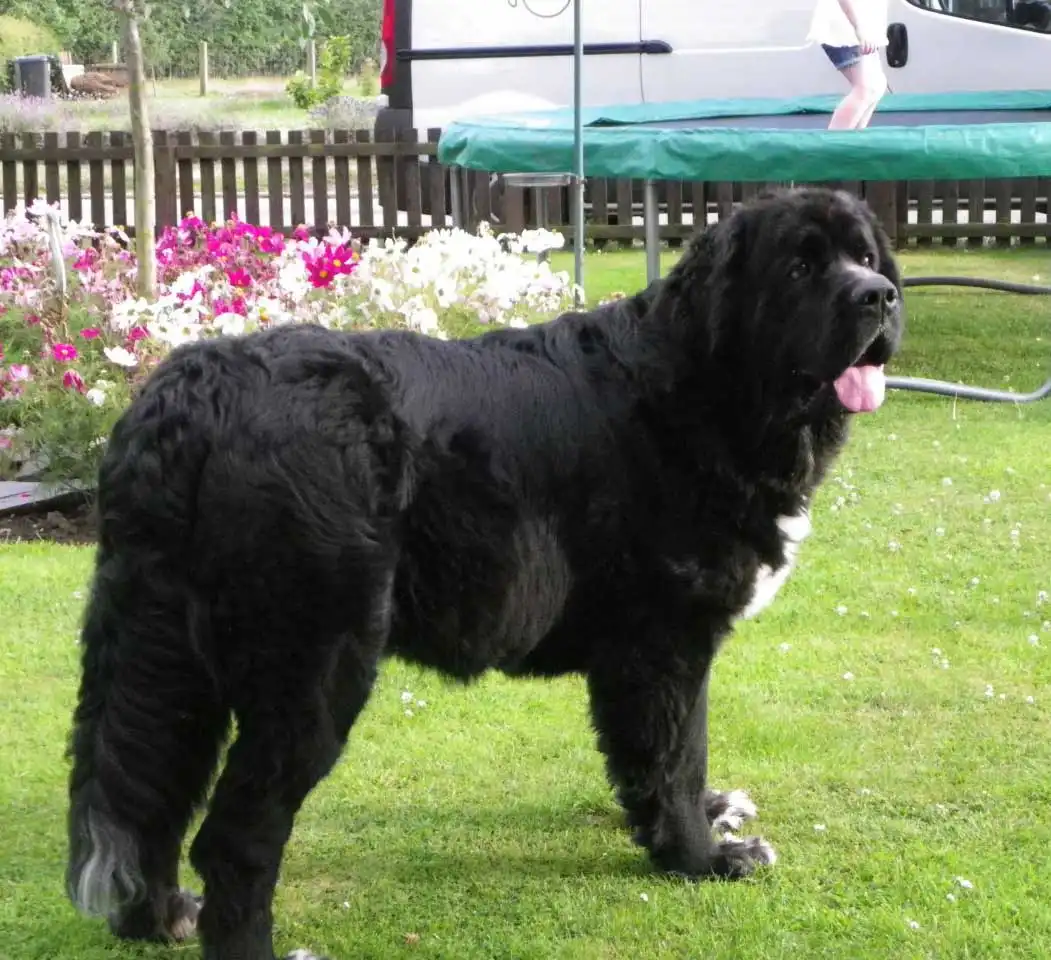
The Saint Bernewfie is a remarkable breed, typically weighing up to 180 pounds and standing as tall as 33 inches. Their coats exhibit a range of colors, such as black, brown, red, and white, and can vary in texture from coarse and rough to smooth, often possessing water-resistant qualities. Depending on the individual, their fur may be short or long. These dogs are strong and muscular, featuring a broad head, soft, intelligent dark brown eyes, and a black nose. The muzzle shape can differ; it may be short and square like that of a Newfoundland or slightly elongated, similar to a Saint Bernard. It's worth mentioning that this breed tends to slobber, so it's wise to keep a cloth nearby, particularly after mealtime, to manage any unexpected sprays of saliva.

Care Routine
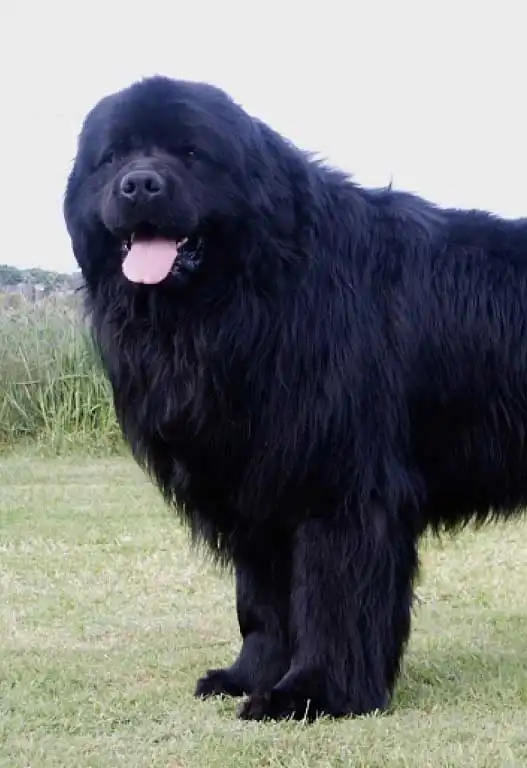
The Saint Bernewfie is characterized by a thick, water-resistant coat that can be either short or long. This breed does shed significantly, so it’s essential to brush them two to three times a week to keep their coat looking its best. They tend to get dirty easily, and their fur often traps debris like burs, which should be removed during grooming sessions. Additionally, these dogs are known to drool, so owners should be prepared for some cleanup. While they can get muddy, it’s best to avoid frequent baths, as this can deplete their fur of vital oils. Regular ear checks for any trapped debris are crucial, and consistent teeth brushing is necessary to prevent bad breath. If their nails don’t wear down naturally, they will need to be trimmed.
Behavior & Temperament
Don’t be misled by their size. The Saint Bernewfie is a gentle and loving breed, known for its remarkable patience with children. Although they enjoy playtime, it’s wise to supervise interactions with younger kids to prevent any unintentional injuries. Teaching children the right way to engage with dogs is crucial to discourage behaviors such as teasing or pulling on tails. This breed thrives on companionship and is not well-suited for long periods of solitude; they need both mental stimulation and physical activity to stay happy. Due to their large size, early socialization and training from a young age are vital. While they may exhibit some stubbornness, their intelligence allows them to respond positively to consistent praise, leading to steady progress. The Saint Bernewfie is protective of its family and will bark to alert you to unfamiliar faces, but they are not aggressive. Although they have a good amount of energy, they don’t require excessive exercise as long as they can spend quality time with you.


Play & Exercise
The Saint Bernewfie is an energetic breed that needs daily physical activity, although it doesn't have to be excessively vigorous. With a background as working dogs, they flourish when mentally stimulated, as a lack of engagement can lead to boredom and potentially destructive behaviors. These dogs enjoy walks, beach outings, and engaging in various dog sports. Swimming is especially advantageous for them, offering great exercise while being gentle on their joints. Given their size, Saint Bernewfies are not well-suited for apartment living; they don’t require a large yard, but they do benefit from having ample space to run around. They thrive in cooler environments and tend to struggle in hot weather.
Things to Know
Cups Per Day
4.0 Cups
Daily Activity
45 Minutes
Average Lifespan
10 Years
Origin
Unknown
Type
Crossbreeds
Size
Giant
Origin Country
United States
Brush Frequency
Weekly
Coat Texture
Straight
Register
Your kids have been begging for a pet forever, and you've recently decided that it's time for your family to get a new addition -- a dog! While everyone is excited for the new arrival, you're wondering if you need to have a dog license. How much does it cost? Is it required? Where do you get one?
Member Clubs

PETINNATE
Other
Height & Weight
Weight
138 lbs (63 kg)Male: 140 lbs (64 kg) , Female: 135 lbs (61 kg)
Height
29 inches (74 sm)Male: 30 inches (76 sm) , Female: 28 inches (71 sm)
6 Months
67 lbs ( m 67 lbs, f 67 lbs )
13 inches ( m 13 inches, f 13 inches )
12 Months
86 lbs ( m 86 lbs, f 86 lbs )
20 inches ( m 20 inches, f 20 inches )
18 Months
135 lbs ( m 135 lbs, f 135 lbs )
27 inches ( m 27 inches, f 27 inches )
Eye Colors
Brown

Nose Colors
Black
Coat Colors
Black
Brown
Red
White