Saint Berdoodle
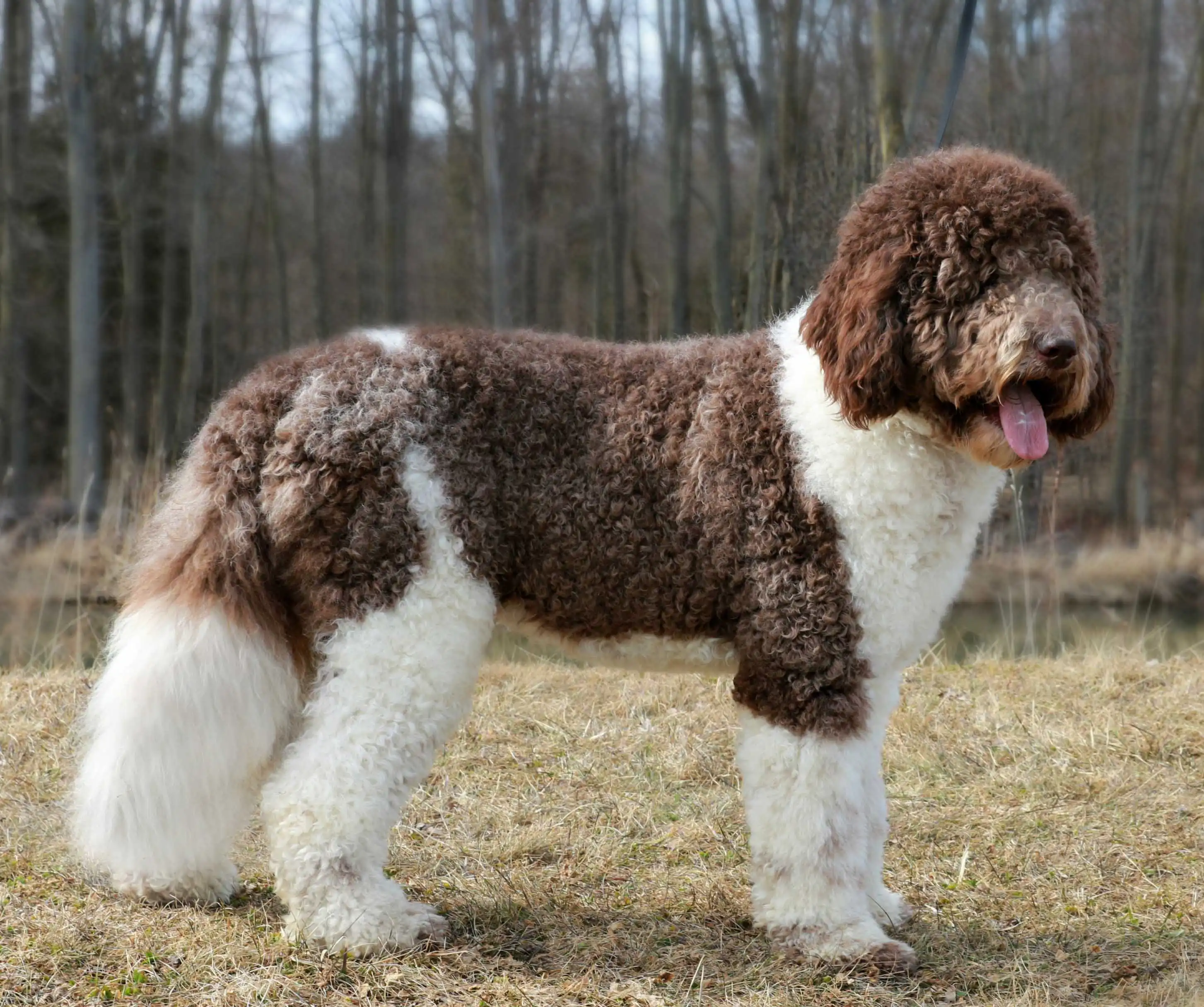
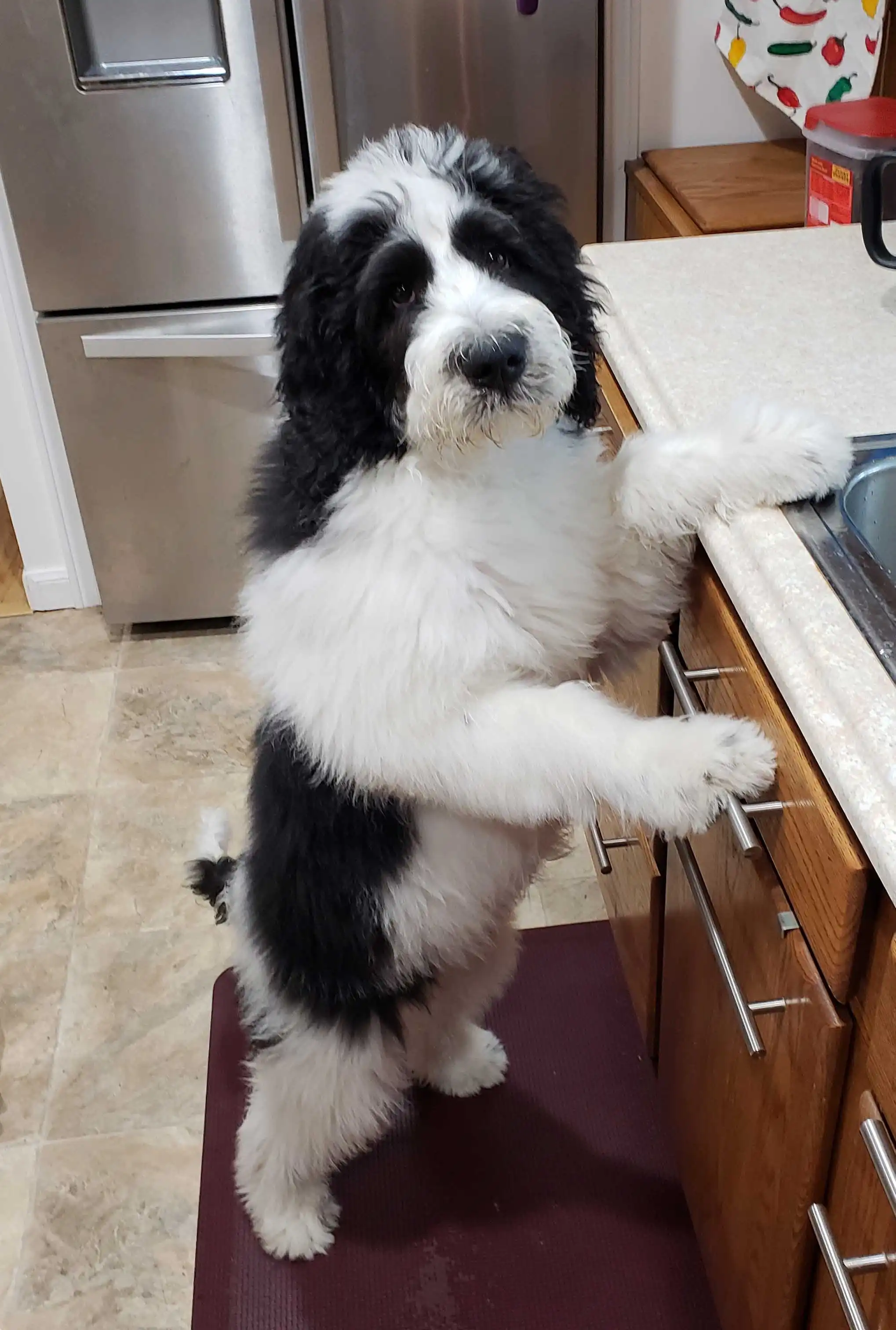
The Saint Berdoodle is a large hybrid breed created by crossing a Saint Bernard with a Poodle, typically inheriting traits from both parent breeds. This mix usually resembles the Saint Bernard in size while featuring a coat akin to that of a Poodle. Most Saint Berdoodles are primarily white with red markings, though some may display a red coat with white accents. Renowned for their loving disposition, these dogs thrive on human interaction and enjoy being the center of attention. They prefer to remain close to their families and should not be left alone for long periods. Furthermore, Saint Berdoodles generally get along well with children of all ages, but due to their size, it is advisable to supervise their interactions.
Breed Origin
The Saint Berdoodle is a relatively new hybrid breed, yet its parent breeds have rich and extensive histories. The Saint Bernard is thought to have originated from a combination of the sturdy Asian Molosser, which Roman legions brought to Switzerland during the first two centuries A.D., and local dog breeds. Over time, these dogs were utilized on farms and dairies for various roles, such as guarding, herding, and drafting. They notably served as guard dogs for the hospice located in the mountain pass between Switzerland and Italy, accompanying monks on their humanitarian missions. The monks found that these dogs were particularly skilled at navigating treacherous paths and tracking scents, which allowed them to locate individuals trapped in severe weather conditions. It is believed that before 1830, all Saint Bernards had short coats; however, after facing two years of harsh weather and a decline in their numbers, the monks decided to breed them with long-haired dogs. The Poodle, one of the oldest dog breeds, is thought to have originated in Germany before evolving into its contemporary form in France. The modern Poodle is the result of crossbreeding various European water dog breeds, including those from Russia, Spain, Portugal, Germany, Hungary, and France, as well as the North African Barbet. Additionally, it is believed that the Poodle may have ancestral ties to Asian herding dogs, transforming into the German Water Dog upon its arrival with the Ostrogoth and Germanic tribes. Statues and illustrations resembling Poodles have been found in Roman artifacts and Egyptian tombs dating back to the first century B.C. The Standard Poodle was used by the French for duck hunting, while gypsies began training them for circus performances. In 1888, the American Kennel Club officially recognized its first Poodle.
Breed Appearance
The Saint Berdoodle is expected to showcase traits from both of its parent breeds. As is typical with mixed breeds, it may lean more towards one parent’s characteristics or exhibit a balanced combination of both. Considering that the Saint Bernard is categorized as a large to giant breed and the Poodle as medium to large, this hybrid will likely be a substantial dog. The Poodle is known for its wiry coat, while the Saint Bernard has a thick coat that can be either rough or smooth. Typically, the Saint Berdoodle inherits the Poodle's coat, resulting in medium-length fur that is mostly white with red markings, though some may feature red fur with white accents. In terms of looks, the Saint Berdoodle's face resembles that of the Saint Bernard, with a broad muzzle and larger eyes compared to the Poodle, although its jowls will be less pronounced.


Care Routine
The grooming requirements for your Saint Berdoodle will primarily be influenced by the type of coat he has. Typically, this mixed breed does not demand extensive grooming. If he resembles the Saint Bernard, regular brushing with a slicker brush will help control shedding. Conversely, if he inherits the coat of a Poodle, frequent brushing may not be as essential, though professional grooming might be required. Monthly baths or as needed are recommended. Additionally, it's important to routinely check his ears and eyes to minimize the risk of infections. As with all dog breeds, maintaining his dental hygiene is vital, so it's advisable to brush his teeth two to three times a week.
Behavior & Temperament
The Saint Berdoodle is a hybrid that combines traits from its parent breeds, the Saint Bernard and the Poodle. This mix is typically recognized for its loving disposition and enthusiasm for participating in family activities. The Saint Berdoodle often forms a deep bond with its human family members, showing a strong preference for staying close to them. Be prepared to include your dog in your outings, as it will likely want to accompany you. With a naturally calm temperament, the Saint Berdoodle usually interacts well with children and other pets, particularly if it has been socialized from a young age. Both of its parent breeds are celebrated for their intelligence, and the Saint Berdoodle follows suit. When given the chance to learn, it eagerly welcomes new experiences.


Play & Exercise
The activity requirements of a Saint Berdoodle can vary significantly depending on the traits inherited from its parent breeds. To maintain good health, this hybrid dog needs a daily walk and regular exercise. While Poodles are generally more energetic, the Saint Bernard's substantial size also demands consistent physical activity. This can include walks, family playtime, or trips to the dog park, all of which are beneficial for both physical fitness and mental well-being. If your Saint Berdoodle takes after the Saint Bernard more closely, it may tire more quickly and require more frequent breaks or naps throughout the day.
Things to Know
Cups Per Day
3.5 Cups
Daily Activity
45 Minutes
Average Lifespan
11 Years
Origin
Unknown
Type
Crossbreeds
Size
Giant
Origin Country
Unknown
Brush Frequency
Weekly
Coat Texture
Wavy
Register
Your kids have been begging for a pet forever, and you've recently decided that it's time for your family to get a new addition -- a dog! While everyone is excited for the new arrival, you're wondering if you need to have a dog license. How much does it cost? Is it required? Where do you get one?
Member Clubs

PETINNATE
Other
Height & Weight
Weight
155 lbs (70 kg)Male: 175 lbs (79 kg) , Female: 135 lbs (61 kg)
Height
27 inches (69 sm)Male: 29 inches (74 sm) , Female: 26 inches (66 sm)
6 Months
67 lbs ( m 67 lbs, f 67 lbs )
12 inches ( m 12 inches, f 12 inches )
12 Months
125 lbs ( m 125 lbs, f 125 lbs )
24 inches ( m 24 inches, f 24 inches )
18 Months
135 lbs ( m 135 lbs, f 135 lbs )
25 inches ( m 25 inches, f 25 inches )
Eye Colors
Brown

Amber
Nose Colors
Black
Brown
Coat Colors
Red
White