Saint Dane
Bernadane, Great Bernard
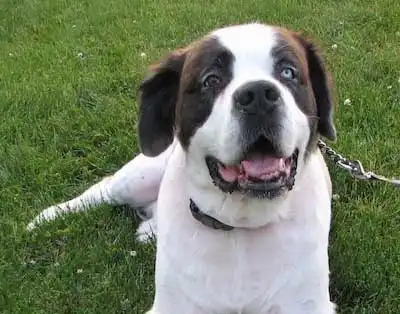
The Saint Dane may not be the ideal pet for everyone. This designer breed results from crossing a purebred Saint Bernard with a purebred Great Dane, both known for their large size, gentle nature, and protective instincts, making them excellent family companions. However, prospective owners should consider a few important factors: these dogs are prone to drooling, need plenty of living space, and generally have shorter lifespans. Their significant appetite also means that only those prepared to invest time, resources, and energy into their care should think about adding one to their family. For those who decide to bring a Saint Dane into their home, they will discover a loving, friendly, and protective companion who is particularly fond of children and very affectionate. Often called Great Bernards or Bernadanes, these dogs do shed considerably, so regular grooming is essential to keep their coats healthy. Their fur is usually short and silky, with common colors including black, white, fawn, and brindle.
Breed Origin
The Saint Dane is a hybrid breed that emerges from the combination of a purebred Saint Bernard and a purebred Great Dane. The Saint Bernard boasts a storied history in alpine rescue, having been instrumental in saving around 2,000 travelers trapped in snow. These dogs also acted as protectors at Switzerland’s Hospice Saint Bernard, accompanying monks on perilous rescue missions along the St. Bernard Pass, which links Italy and Switzerland. This hospice was founded by St. Bernard de Menthon, an Augustinian monk. The ancestry of the Saint Bernard can be traced back to Mastiff-type dogs brought to the region by the Romans, known for their remarkable sense of smell that allowed them to find individuals buried in snow. Once they located a person, they would lie down beside them to provide vital warmth. One famous dog, Barry, is renowned for rescuing over 40 people; his preserved remains have been exhibited at the Natural History Museum in Bern, Switzerland, since 1815. Initially, Saint Bernards were bred with longer-haired Newfoundlands, but this led to ice forming in their fur. As a result, breeders sought to develop a leaner and taller version of the breed, culminating in the first breed standard established by the International Congress of Zurich in 1887. In a similar vein, the Great Dane also traces its roots to Mastiff-type dogs, originally bred for hunting wild boar. Initially referred to as Boar Hounds, the breed's name was changed to "English Dogges" in the 16th century. A French naturalist is credited with giving the breed its current name in the 1700s after he observed a more slender variant of the Boar Hound in Denmark, which he called Grand Danois, eventually evolving into Great Danish Dog. German breeders later refined the breed, removing aggressive traits. Today, the Great Dane is celebrated as a gentle giant, known for its calm and friendly nature. The breed's popularity spread across various countries, leading to the formation of the Great Dane Club of America in 1889.
Breed Appearance
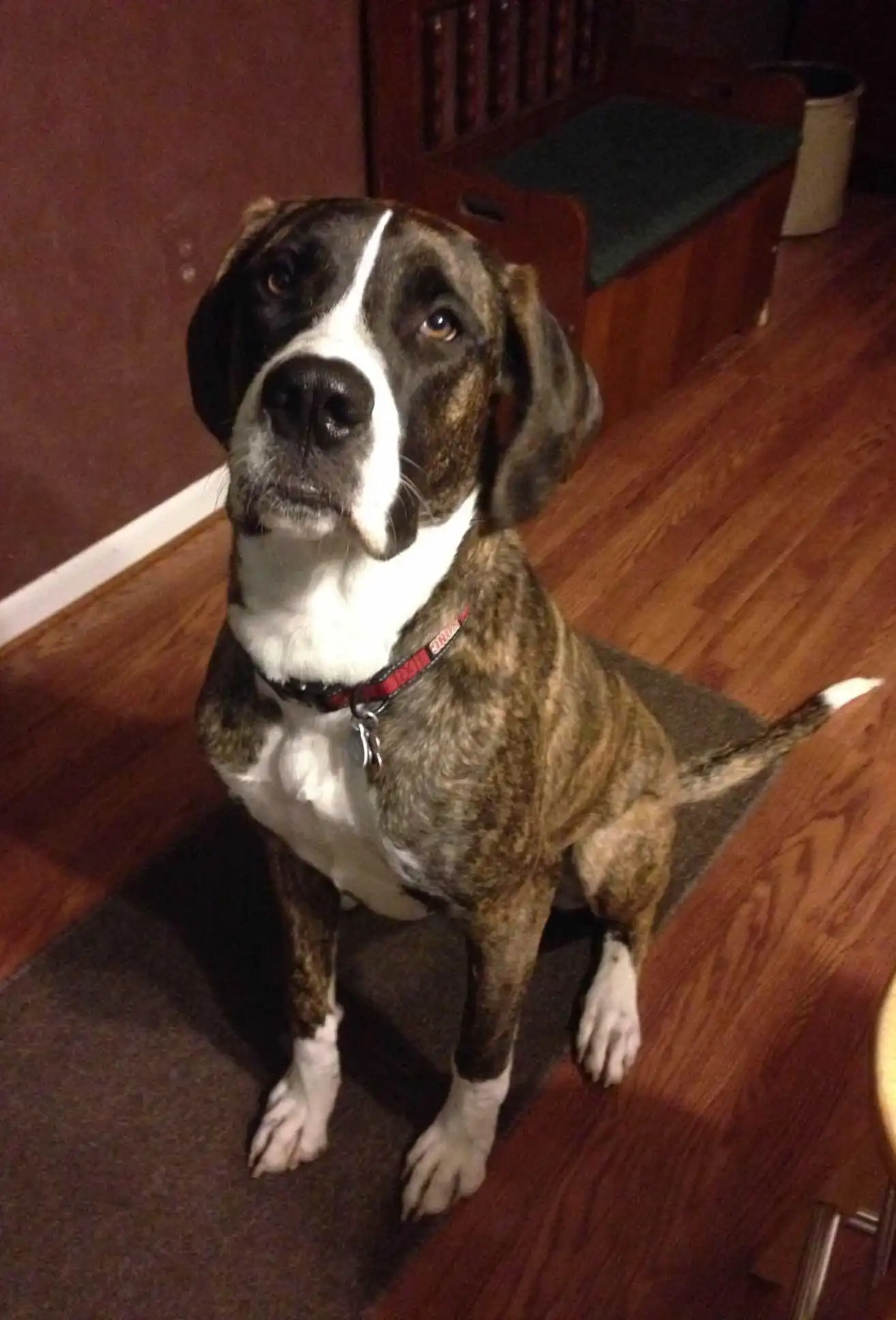
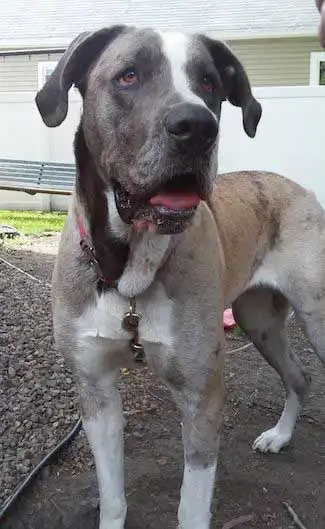
The Saint Dane is a remarkable giant breed, capable of reaching weights of up to 200 pounds and heights of 32 inches. Their coat usually displays colors such as black, white, fawn, and brindle, characterized by a short and smooth texture. However, if they inherit more characteristics from their Saint Bernard ancestry, they might have slightly longer fur. Despite their strong and muscular physique, these dogs are known for their gentle and calm demeanor. It's important to mention that they tend to drool quite a bit, which may not be suitable for all dog owners. Their appearance is marked by soft brown eyes, droopy ears, and a wide chest.

Care Routine
The Saint Dane is known to shed quite a lot, making regular brushing essential for removing loose hair and keeping their coat healthy. These dogs are also prone to drooling, so having a cloth or towel nearby for quick clean-ups can be helpful. Frequent bathing isn't necessary unless they get especially dirty, but it's important to be cautious with shampoos, as some may cause dry skin; using veterinarian-approved products is advisable. Furthermore, it's beneficial to brush your dog's teeth to prevent dental problems and to trim their nails as required. Regular ear checks for debris or signs of infection are also recommended.
Behavior & Temperament
Often referred to as a gentle giant, the Saint Dane is a devoted companion who thrives on family interaction and is especially fond of children. Given their size, it's advisable to supervise them around young kids to avoid any unintentional accidents, but these dogs are inherently non-aggressive. They exhibit loyalty and a protective instinct, although they may be somewhat reserved when meeting new people. Renowned for their intelligence and friendly demeanor, Saint Danes are generally straightforward to train. They respond positively to commands and have a strong inclination to please their owners. Utilizing positive reinforcement techniques, such as verbal praise and treats, proves effective in keeping them engaged, as they are sensitive and do not respond well to harsh tones. Typically, they coexist harmoniously with other pets and, despite their hunting lineage, they are not inclined to chase smaller animals. While they possess a good amount of energy, they do not need excessive exercise and are perfectly happy to relax at home while their owners are at work.


Play & Exercise
Saint Danes are lively dogs that flourish with ample opportunities for long walks and hikes. They enjoy trips to dog parks or the beach, but their true happiness lies in spending time with their families. Engaging in obedience and agility training is also beneficial for these dogs. Because they have a propensity to gain weight, consistent exercise is crucial. A Saint Dane that does not receive enough socialization may develop stubborn behaviors, which can be challenging to manage given their large size. These dogs are not suited for apartment living; they need a yard where they can roam and play freely. Furthermore, they can be sensitive to extreme weather conditions, so it’s vital to avoid overexerting them during hot summer days and to keep them indoors when it’s cold outside.
Things to Know
Cups Per Day
4.0 Cups
Daily Activity
45 Minutes
Average Lifespan
8 Years
Origin
Unknown
Type
Crossbreeds
Size
Giant
Origin Country
United States
Brush Frequency
Weekly
Coat Texture
Straight
Register
Your kids have been begging for a pet forever, and you've recently decided that it's time for your family to get a new addition -- a dog! While everyone is excited for the new arrival, you're wondering if you need to have a dog license. How much does it cost? Is it required? Where do you get one?
Member Clubs

PETINNATE
Other
Height & Weight
Weight
178 lbs (81 kg)Male: 180 lbs (82 kg) , Female: 175 lbs (79 kg)
Height
28 inches (71 sm)Male: 29 inches (74 sm) , Female: 27 inches (69 sm)
6 Months
87 lbs ( m 87 lbs, f 87 lbs )
13 inches ( m 13 inches, f 13 inches )
12 Months
131 lbs ( m 131 lbs, f 131 lbs )
19 inches ( m 19 inches, f 19 inches )
18 Months
175 lbs ( m 175 lbs, f 175 lbs )
26 inches ( m 26 inches, f 26 inches )
Eye Colors
Brown

Nose Colors
Black
Coat Colors
Black
White
Fawn
Brindle