Dog Breeds by Prey Drive
Prey Drive refers to how a dog typically behaves or responds in everyday situations. Individual dogs may vary based on training, environment, and genetics.
Dogs that were bred to hunt, such as terriers, have an inborn desire to chase and sometimes kill other animals. Anything whizzing by — cats, squirrels, perhaps even cars — can trigger that instinct. Dogs that like to chase need to be leashed or kept in a fenced area when outdoors, and you'll need a high, secure fence in your yard. These breeds generally aren't a good fit for homes with smaller pets that can look like prey, such as cats, hamsters, or small dogs. Breeds that were originally used for bird hunting, on the other hand, generally won't chase, but you'll probably have a hard time getting their attention when there are birds flying by.
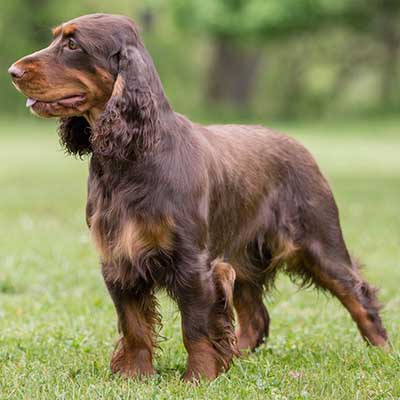
Field Spaniel
The Field Spaniel is a medium-sized dog recognized for its gentle nature and energetic spirit. Initially bred as a hunting companion, this breed gained traction in competitive dog shows during the 19th century. It descended from land Spaniels, diverging from breeds such as the Cocker Spaniel, English Water Spaniel, and Sussex Spaniel. Regrettably, early breeding efforts focused on specific traits nearly pushed the breed to the brink of extinction in the 20th century. Although Field Spaniels do not need specialized grooming, they thrive with weekly brushing to remove dead and loose fur. Additionally, like many Spaniels, they may experience issues with bad breath, which can be alleviated through regular brushing with dental products designed for dogs.
Read more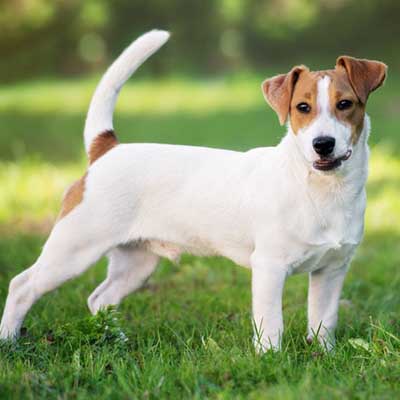
Jack Russell Terrier
The Jack Russell Terrier is a breed that has gained fame through popular television series like Frasier and Wishbone. Many fans have fallen in love with the quirky and endearing personalities of characters like Eddie from Frasier and Wishbone. However, the reality of owning a Jack Russell Terrier is quite different from what is depicted on screen. The dogs featured in these shows are supported by professional trainers and are given specific tasks to perform. In contrast, a real Jack Russell Terrier thrives on interaction and will actively seek out ways to entertain itself if its owner is busy. This breed is known for its high energy levels, relishing activities such as running, digging, and engaging in playful mischief. With the right training and an appropriate outlet for their considerable energy, they can make wonderful and loving companions.
Read more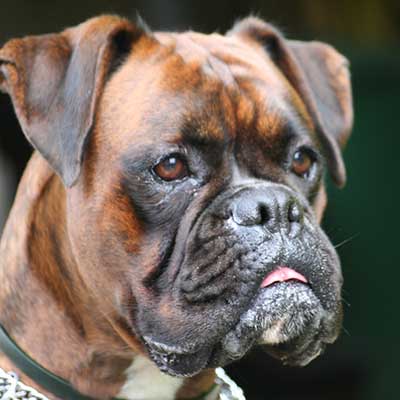
Boxer
The Boxer breed traces its roots back to Germany in the early 19th century, where it was originally developed for use as a bait and fighting dog, as well as a loyal guardian. Its strong, muscular, and agile build made it ideal for these roles until the prohibition of bull baiting and dog fighting. Since then, the Boxer has gained immense popularity around the globe, renowned for its loyalty, playful nature, and high energy, which make it an excellent family pet. Furthermore, Boxers are recognized for their self-grooming tendencies, resulting in relatively low grooming needs. However, it is crucial to provide them with sufficient mental and physical stimulation; without it, they may exhibit undesirable behaviors.
Read more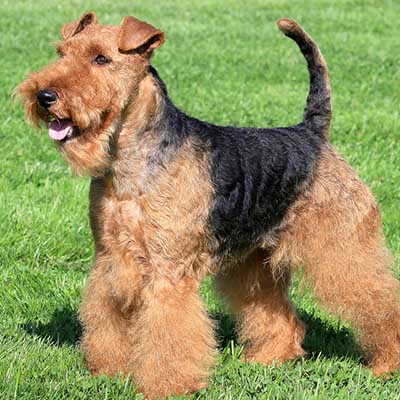
Welsh Terrier
The Welsh Terrier embodies the classic characteristics of a Terrier: courageous, energetic, playful, and spirited. Hailing from Wales in the 1700s, these bearded dogs were initially bred for hunting, adeptly navigating small burrows and caves to flush out game for hunters. While they continue to be employed for hunting and tracking, Welsh Terriers are now more commonly treasured as family pets. They make fantastic companions for children, are excellent running partners, and are always ready to partake in any fun activity you can think of. Historically known as the Black and Tan Wire Haired Terrier due to their striking black and tan coats, these dogs are easily identifiable by their curly beards. The breed was first showcased in England in 1884 and has been a staple in dog shows ever since. When Prescott Lawrence brought them to America that same year, they quickly captured attention at the Westminster Kennel Club, thanks to their distinctive appearance and charming personalities. The American Kennel Club recognized the breed in 1884, which led to the establishment of the Terrier Club of America shortly after. If you’re looking for a dog that will keep you entertained, bring joy to your life, and help manage pesky critters, the Welsh Terrier might be the perfect fit for you. However, it’s crucial to keep in mind that they require ample exercise and can become destructive if they’re not adequately stimulated. By ensuring they remain active and engaged, you can enjoy the delightful companionship of a Terrier that will undoubtedly enhance your life.
Read more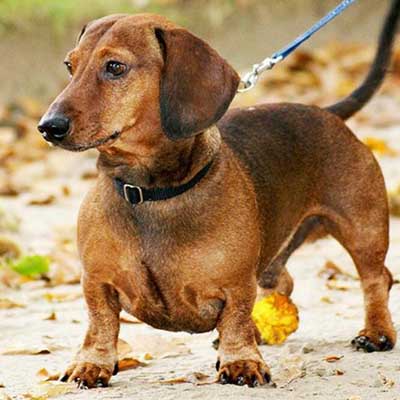
Dachshund
Since the 1950s, Dachshunds have consistently been among the most beloved dog breeds. With their distinctive long bodies and short legs, these dogs are not only charming but also exhibit a spirited and courageous personality. Although they possess intelligence, training can be challenging, especially if the techniques used become repetitive. Their inherent stubbornness often leads them to prefer their own methods. Originally developed in Germany for hunting small game, these characteristics are still apparent in their behavior today, which may manifest as a tendency to chase smaller animals or dig in the yard. Dachshunds are lively both indoors and outdoors, allowing them to adapt well to a variety of living environments.
Read more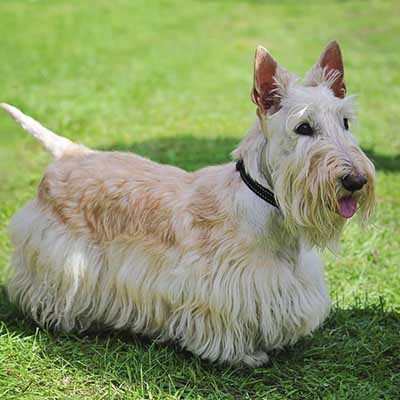
Scottish Terrier
The Scottish Terrier is a small yet spirited breed, celebrated for its lively character. In the 1700s, breeders started developing what we now know as the Scottish Terrier, originally calling it the Aberdeen Terrier after a town in Scotland. The breed was affectionately dubbed the “little diehard” by the fourth Earl of Dumbarton, a nickname that still resonates today. Though they are petite, these dogs are brimming with bravery and vitality. Initially bred to hunt rabbits, otters, foxes, and badgers, Scottish Terriers continue to excel as vigilant watchdogs and devoted companions.
Read more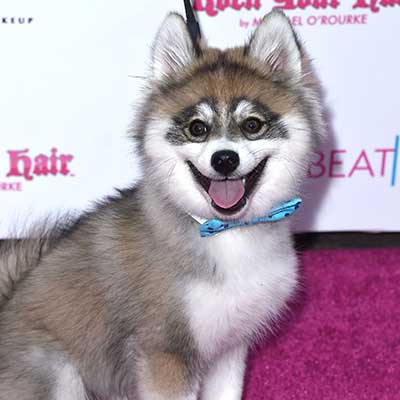
Pomsky
The Pomsky, a popular designer dog breed, is created by crossing a Siberian Husky with a Pomeranian. These dogs are celebrated for their intelligence, playful nature, and occasional stubbornness, often displaying a strong instinct to chase. To prevent potential aggression as they mature, it is crucial to socialize them early on. Generally, Pomskies are small to medium-sized, weighing between 20 and 30 pounds and standing up to 15 inches tall. They are characterized by their beautiful, silky medium-length coats, which typically showcase a combination of two colors. Their eyes can come in various shades, including brown, hazel, blue, or green, and some may even exhibit heterochromia, where each eye is a different color.
Read more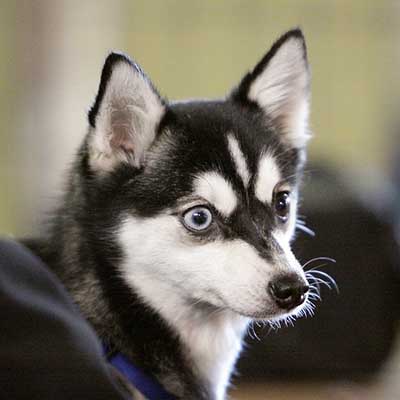
Alaskan Klee Kai
The Alaskan Klee Kai is a breed that emerged in the 1970s, created to be a smaller counterpart to the Alaskan Husky. These energetic, smart dogs are mainly bred for companionship rather than for labor. While they share a resemblance with their larger relatives, Alaskan Klee Kais can thrive in apartment settings, as long as they receive ample exercise and playtime. They might show signs of shyness or hesitation when encountering new people and communicate their emotions—be it fear, happiness, or sadness—through various vocal sounds.
Read more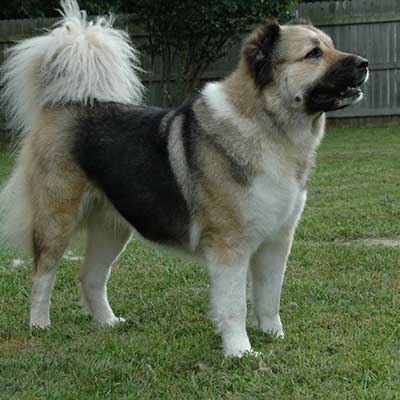
Caucasian Ovcharka
This ancient breed exudes a sense of strength and authority. Hailing from the rugged Caucasus Mountains, which lie between Europe and Asia, it is known by several names, the most common being the Caucasian Ovcharka or Caucasian Shepherd. These large dogs were originally bred to protect sheep from various threats, both human and animal. As a result, the temperament of the Caucasian Mountain Dog can vary widely. They can be affectionate and gentle with their families or, conversely, display aggressive and unruly behavior. The key to their demeanor often lies in the owner's approach to training, which should strike a balance between firmness and compassion. While their protective nature can be appealing, this breed may not be the best choice for inexperienced dog owners. Although these large, fluffy dogs were initially intended for guarding flocks, they are increasingly being kept as family pets. Nonetheless, their aggressive and protective instincts have historically hindered their popularity. As interest in the Caucasian Mountain Dog continues to rise, it is likely that selective breeding efforts will focus on moderating their overly protective traits.
Read more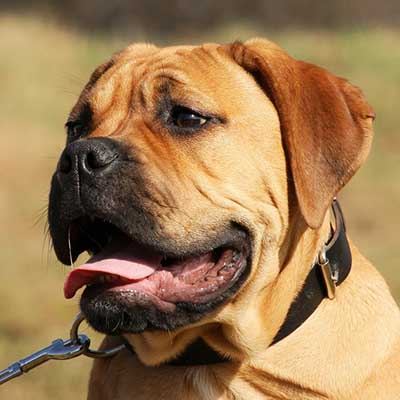
Bullmastiff
In 1795, historical accounts reveal that the Bullmastiff was created by crossing the Mastiff with the Bulldog, resulting in a genetic makeup of approximately 60% Mastiff and 40% Bulldog. To achieve purebred status, these dogs underwent three generations of selective breeding. Originally, their primary function was to track and capture poachers, but their roles later evolved to include service in military and law enforcement, as well as acting as guardians for the Diamond Society of South Africa. Today, the Bullmastiff is celebrated for its loyalty and gentle nature. While they may seem formidable and can show aggression if provoked, their usual temperament is calm and affectionate. They are known for their gentle disposition, patience with children, and a strong desire for human leadership. This breed thrives under the guidance of a strong, fair, and consistent owner who can earn their respect and provide clear direction. Bullmastiffs are receptive to training, but they are also sensitive to the tone of voice, which means that assertive yet gentle communication is essential. They make excellent family pets, offering protection without unnecessary aggression unless they perceive a threat. With appropriate socialization during their early years and consistent guidance, they can develop into devoted and loyal companions.
Read more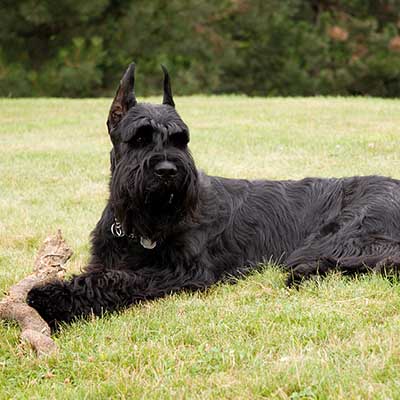
Giant Schnauzer
The Giant Schnauzer is the largest of the three recognized Schnauzer breeds. Initially bred as a working dog, its primary roles included herding cattle and protecting livestock. It is commonly thought that the Giant Schnauzer was developed by crossing the Standard Schnauzer with the Great Dane and the Bouvier des Flandres. Given its demanding temperament and the necessity for extensive training, this breed may not be the best fit for novice dog owners. Known for its intelligence and strong sense of independence, the Giant Schnauzer can be somewhat difficult to keep mentally stimulated. Furthermore, this breed requires considerable grooming, making it a high-maintenance pet.
Read more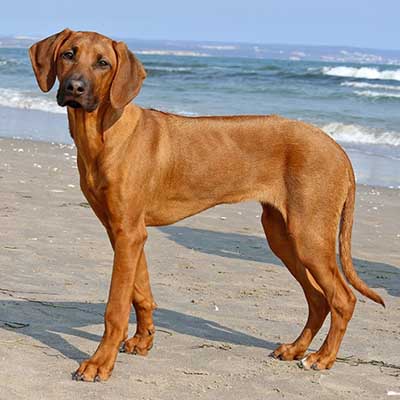
Rhodesian Ridgeback
In their quest for a hunting dog better suited to Africa's challenging climates, Dutch settlers crossbred their imported European breeds with a native tribal dog. This breeding produced a reddish-brown dog characterized by a unique ridge of fur along its back, adept at hunting large game and protecting families and homes. Originally employed for lion hunting, the Rhodesian Ridgeback's loyal and affectionate disposition soon endeared it to families, contributing to its rising popularity in other countries. Today, while it is still appreciated for its keen eyesight and scent-tracking skills, the Rhodesian Ridgeback is also celebrated as a low-maintenance, well-mannered, and energetic companion, thriving in dog shows, protection roles, and playful interactions with its human family.
Read more