
Tibetan Spaniel
Tibbie
The Tibetan Spaniel, celebrated for its independent spirit and gentle demeanor, was originally bred by Buddhist monks in Tibet. This breed is reminiscent of a lion, which holds significant meaning in Buddhism. While it shares some characteristics with the Pekingese, the Tibetan Spaniel features a slightly elongated face and does not possess the excessive skin commonly found in that breed. Its body is longer than it is tall, complemented by a small, rounded head that is well-proportioned to its frame. The muzzle is of medium length and smooth, free from wrinkles, while its dark, widely spaced eyes add to its charm. This delightful dog is adorned with a silky, flat double coat and a feathery tail that arches gracefully over its back, along with a longer mane around its neck. Historically, this loyal breed functioned as both a watchdog and a companion, alerting its owners to potential dangers with its distinctive bark. To maintain the health of its coat, regular grooming is vital, requiring daily brushing and combing to avoid matting. The Tibetan Spaniel has moderate energy levels, so it is important to provide adequate mental and physical stimulation to keep it engaged and stave off boredom.
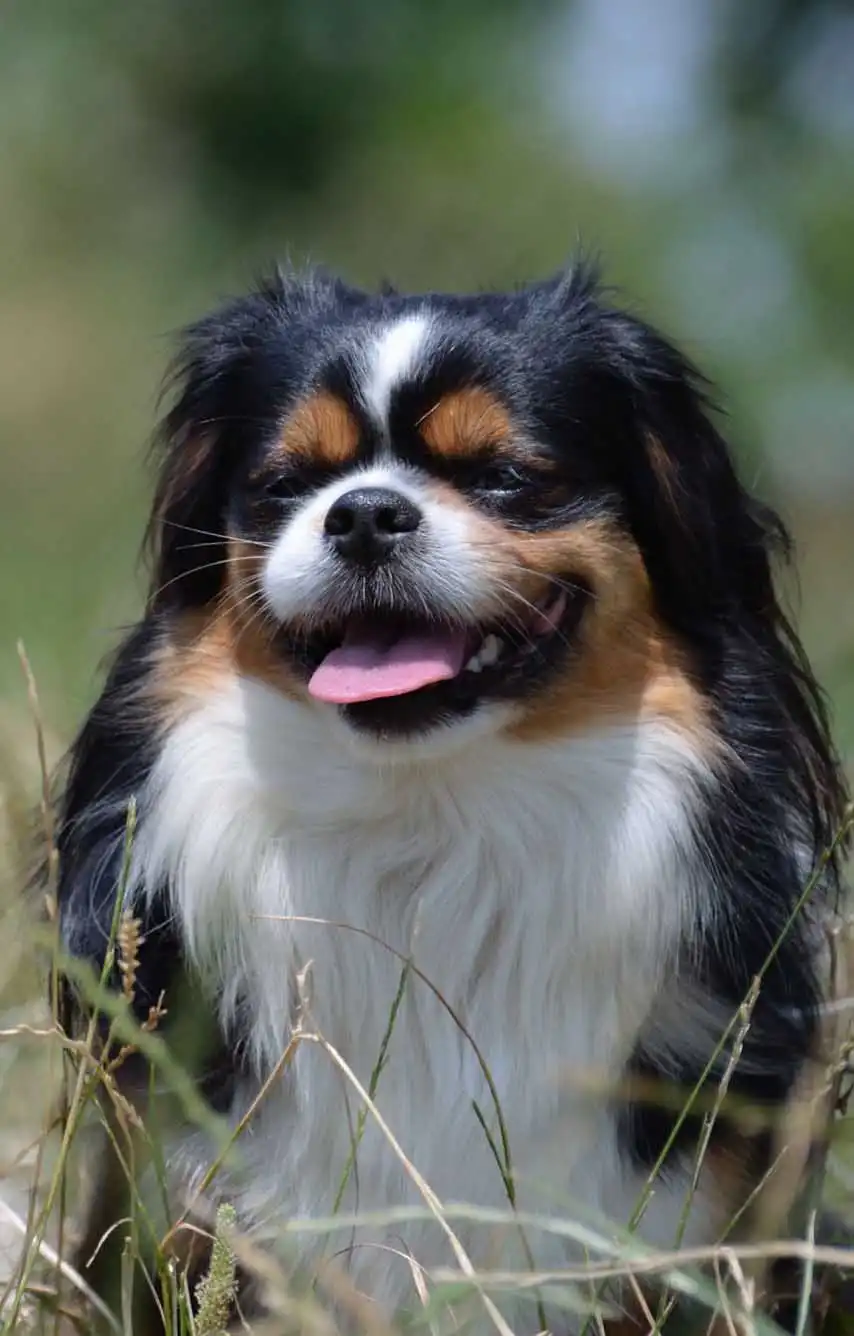
Breed Origin
The Tibetan Spaniel, as its name implies, originates from Tibet. Although the exact timeline of its emergence is unclear, historical evidence suggests that this breed may trace back to around 1100 BC. It is commonly believed that Tibetan Spaniels were often gifted to royal families, which helped elevate their status and popularity. Referred to as the "little lion," this breed was held in high esteem. Its ancestry likely includes the Pekingese, Pug, and Japanese Chin, indicating that Tibetan and Chinese dogs were interbred at some point in their history. Initially, these brave and alert dogs were tasked with guarding monasteries, using their barking from high vantage points to warn their caretakers of intruders or wolves. Their exceptional vision enabled them to keep watch over extensive areas, making them outstanding watchdogs. Furthermore, the Tibetan Spaniel earned the moniker "prayer dog" for its distinctive role in turning prayer wheels by running on a treadmill. The breed arrived in England during the 1890s, but it wasn't until the 1920s that serious breeding initiatives commenced. Dr. Agnes R. H. Greig was instrumental in acquiring several dogs to help lay the foundation for what we now recognize as the modern Tibetan Spaniel. The breed made its way to the United States in the 1960s, with the first American-born Tibetan Spaniel being the offspring of two dogs imported from a Tibetan monastery. In 1971, the Tibetan Spaniel Club of America was founded by 14 members, and by 1984, the breed gained official recognition from the American Kennel Club (AKC).
Breed Appearance
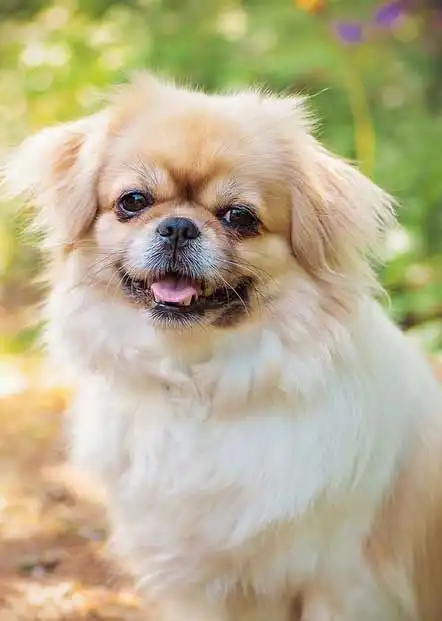
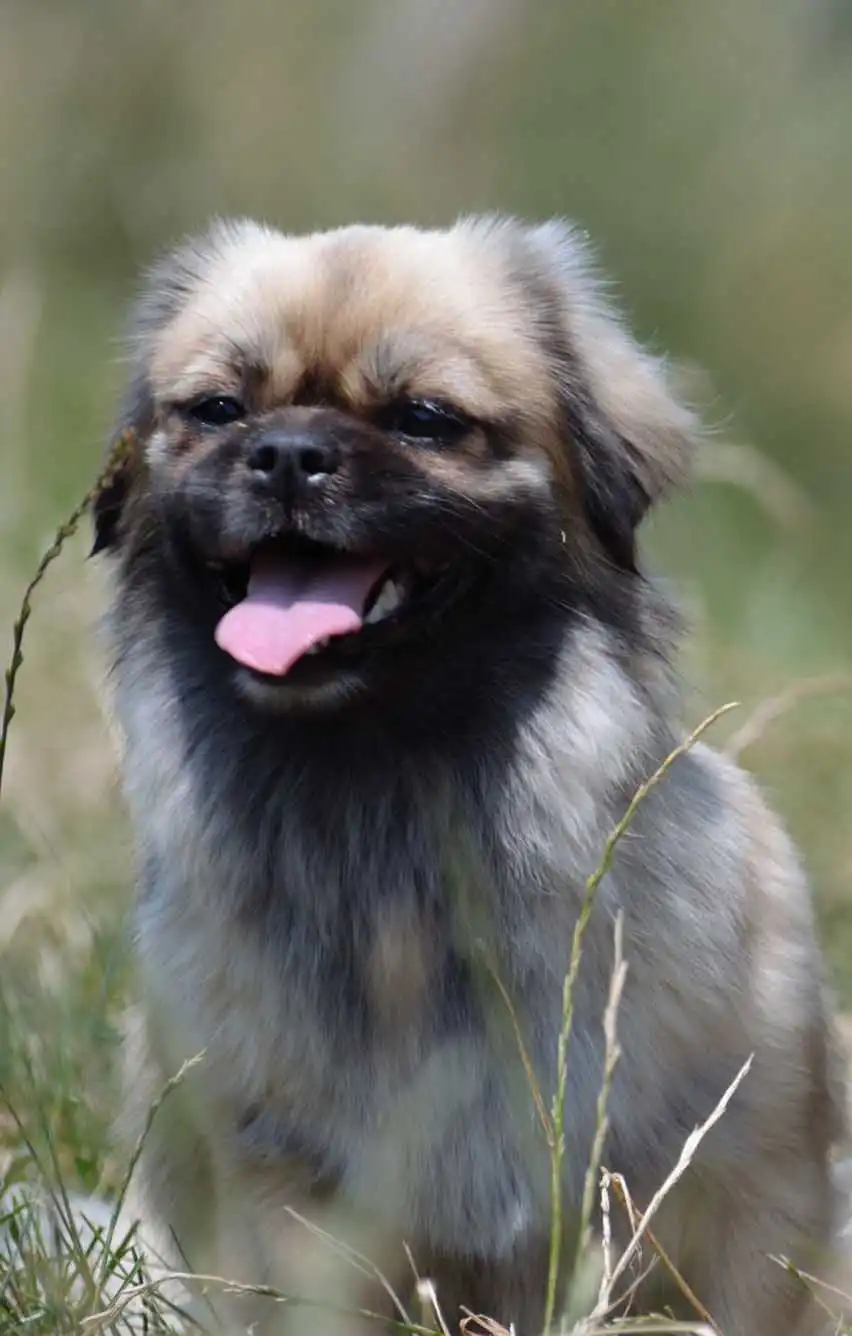
The Tibetan Spaniel is distinguished by its elongated physique, being longer than it is tall. It has a petite head with a short muzzle and ears that are embellished with long tufts of hair. The breed's widely spaced eyes lend it a distinctive look that many find endearing. Its tail is long and feathery, and the paws are adorned with hair that grows between the toes. Covered in a double coat with a silky feel, this breed's fur is not water-resistant and comes in a range of colors, such as black, black and tan, cream, gold, red, sable, silver-sable, and white, often featuring parti-color or white markings. In terms of proportions, the Tibetan Spaniel's head is relatively small compared to its body, and its dark brown, oval eyes create a captivating expression. This affectionate breed has medium-sized, pendant ears and a slightly domed skull with a balanced length and width. Its teeth are well-aligned. The Tibetan Spaniel possesses a moderately short, sturdy neck and well-placed shoulders, complemented by strong, well-developed hindquarters. These physical characteristics contribute to its lively and agile movement.

Care Routine
The Tibetan Spaniel is not considered hypoallergenic and has a moderate shedding rate. To effectively manage this shedding, it is important to brush and comb their coat daily to prevent tangles and mats. Bathing should be limited to every six to eight weeks, as more frequent washing can lead to an overproduction of skin oils. Additionally, it is advisable to clean their ears weekly to prevent the accumulation of earwax. This breed is generally odor-free. With a moderate level of energy, Tibetan Spaniels need regular exercise, such as walks or playtime in a yard, to maintain their health and happiness. While they can adapt to living in apartments, it is essential to provide adequate mental and physical stimulation to keep them engaged. Without proper training, Tibetan Spaniels may develop a tendency to bark frequently. They can thrive in both urban and rural environments and are well-equipped to handle various climates due to their double coat. There are no specific dietary needs for this breed.
Behavior & Temperament
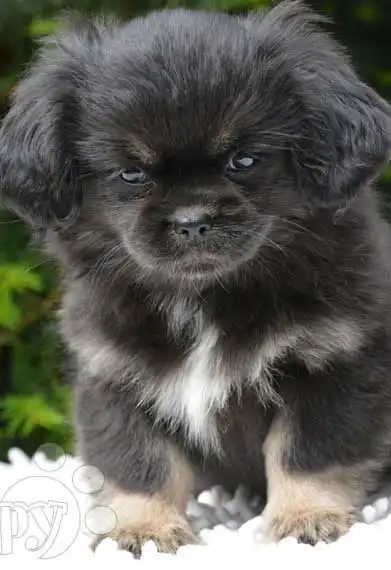
The Tibetan Spaniel is celebrated for its affectionate and warm nature, making it a delightful companion. This spirited breed exhibits a notable sense of independence, relishing the opportunity to explore its environment while remaining vigilant about its family’s safety. It is friendly towards relatives and enjoys the presence of children. However, the Tibetan Spaniel may require some encouragement to accept new visitors, as it often barks at those it views as potential threats. With a trusting and charming personality towards those it knows, this breed also acts as a dependable watchdog, alerting its family to any unfamiliar individuals nearby. Furthermore, proper training is crucial for the Tibetan Spaniel to learn how to interact harmoniously with other animals and to develop tolerance towards unfamiliar pets. Although it has a moderate level of energy, this breed can display a degree of stubbornness during training sessions. As an intelligent dog, the Tibetan Spaniel thrives on patience and commitment in its obedience training.
Play & Exercise
Things to Know
Cups Per Day
0.7 Cups
Daily Activity
30 Minutes
Average Lifespan
14 Years
Origin
ancient times
Type
Pure Breeds
Size
Small
Origin Country
Tibet
Brush Frequency
Daily
Coat Texture
Straight
Register
Your kids have been begging for a pet forever, and you've recently decided that it's time for your family to get a new addition -- a dog! While everyone is excited for the new arrival, you're wondering if you need to have a dog license. How much does it cost? Is it required? Where do you get one?
Member Clubs

PETINNATE
Companion Dog

AKC
Non-Sporting Group

UKC
Companion Dog
Height & Weight
Weight
12 lbs (5 kg)Male: 12 lbs (5 kg) , Female: 12 lbs (5 kg)
Height
10 inches (25 sm)Male: 10 inches (25 sm) , Female: 10 inches (25 sm)
6 Months
8 lbs ( m 8 lbs, f 8 lbs )
5 inches ( m 5 inches, f 5 inches )
12 Months
10 lbs ( m 10 lbs, f 10 lbs )
9 inches ( m 9 inches, f 9 inches )
18 Months
12 lbs ( m 12 lbs, f 12 lbs )
9 inches ( m 9 inches, f 9 inches )
Eye Colors
Brown

Nose Colors
Black
Coat Colors
Black
White
Cream
Red
Sable
Characteristics
Mixes
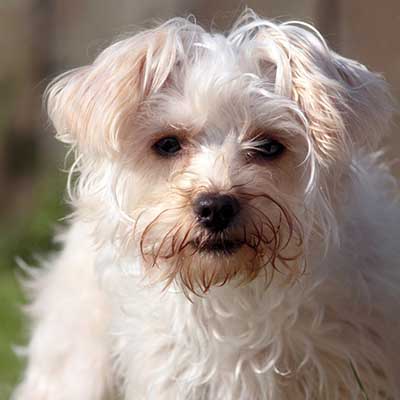
Tibetan Spaltese
The Tibetan Spaltese is a charming hybrid that combines the qualities of the Maltese and the Tibetan Spaniel, resulting in a small, energetic breed full of personality. This dog is crafted to remain compact while embodying the best traits of its parent breeds, typically exhibiting a calm and well-mannered demeanor. Despite their small size, they are exceptionally good with children and other animals, especially when provided with adequate training and socialization. Naturally outgoing, these dogs thrive on human interaction and often engage in playful antics to capture attention. Their loving and spirited nature is evident in every encounter, whether they are playing or snuggling up for affectionate licks on their owners' laps. Inheriting a bold and inquisitive spirit from their Tibetan Spaniel ancestry, they are often found climbing furniture to stay close to their families or to get a better look at the world outside. Both parent breeds have a history of being vigilant watchdogs, and the Tibetan Spaltese carries on this tradition, alerting their owners with barks at any unusual sounds or the approach of strangers. While they are quite intelligent—an attribute that can sometimes lead to a bit of stubbornness—they are generally easy to train, making them a great fit for first-time dog owners. Their small stature and minimal exercise requirements also make them an excellent choice for families in smaller living spaces or those who prefer a more laid-back lifestyle.
Read more