Tibetan Spaltese
Maltibby, Maltibbie
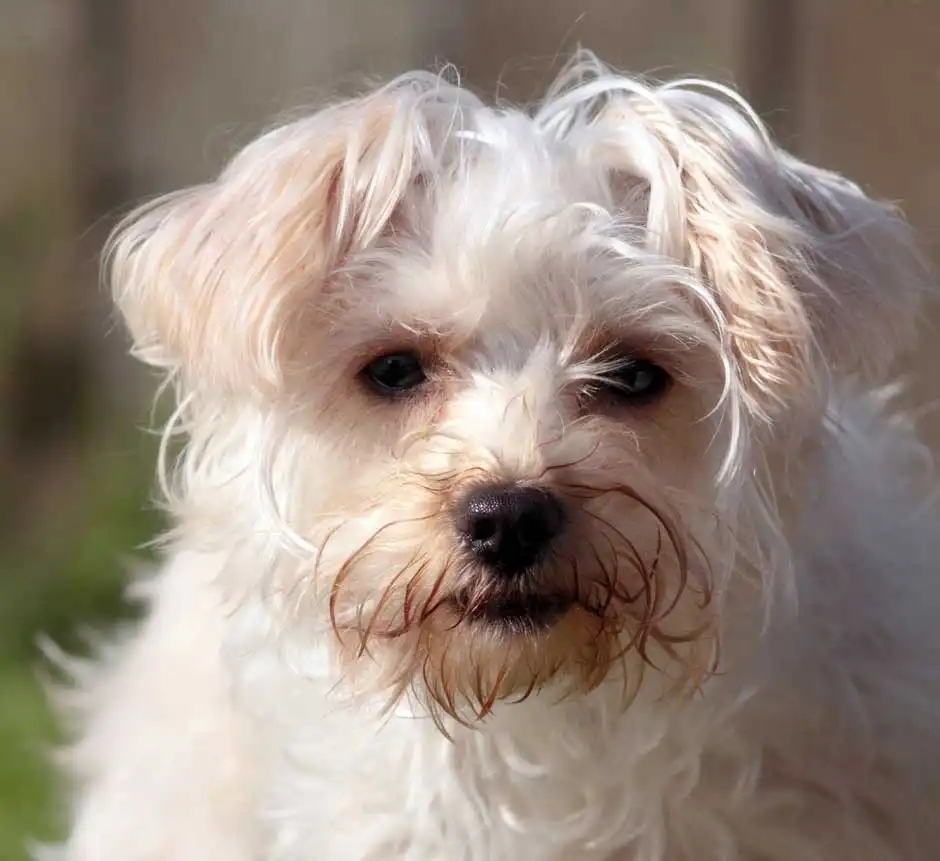
The Tibetan Spaltese is a charming hybrid that combines the qualities of the Maltese and the Tibetan Spaniel, resulting in a small, energetic breed full of personality. This dog is crafted to remain compact while embodying the best traits of its parent breeds, typically exhibiting a calm and well-mannered demeanor. Despite their small size, they are exceptionally good with children and other animals, especially when provided with adequate training and socialization. Naturally outgoing, these dogs thrive on human interaction and often engage in playful antics to capture attention. Their loving and spirited nature is evident in every encounter, whether they are playing or snuggling up for affectionate licks on their owners' laps. Inheriting a bold and inquisitive spirit from their Tibetan Spaniel ancestry, they are often found climbing furniture to stay close to their families or to get a better look at the world outside. Both parent breeds have a history of being vigilant watchdogs, and the Tibetan Spaltese carries on this tradition, alerting their owners with barks at any unusual sounds or the approach of strangers. While they are quite intelligent—an attribute that can sometimes lead to a bit of stubbornness—they are generally easy to train, making them a great fit for first-time dog owners. Their small stature and minimal exercise requirements also make them an excellent choice for families in smaller living spaces or those who prefer a more laid-back lifestyle.
Breed Origin
The Tibetan Spaltese, a relatively recent designer breed, has a shorter history compared to its ancestral breeds, which have a much more extensive lineage. The Tibetan Spaniel, for example, is one of the oldest breeds, with roots that can be traced back 2,000 years to when Buddhist monks in the Himalayas first bred them for companionship and as watchdogs. Their close bonds with humans in various emotional contexts have made them exceptionally attuned to their owners' feelings, a quality that remains evident today. They took their protective roles seriously, which likely accounts for their surprisingly strong barks given their size, and they are quick to act as vigilant guardians. Despite their ancient heritage, Tibetan Spaniels did not reach England until 1898, and it wasn't until the mid-20th century that they began to appear in significant numbers in the United States. Currently, they are recognized by both the EKC and the American Kennel Club and can be found in numerous countries around the globe, although they remain relatively uncommon, not ranking among the top 100 breeds registered by the AKC. In a similar vein, the Maltese, a Bichon-type breed with Spaniel lineage, boasts a rich history. For centuries, they were cherished by European nobility for their charming demeanor and attractive appearance. This lively and intelligent breed originated on the island of Malta, with its name partially derived from ancient Roman influences. The Maltese made their entrance into the United States in the 19th century and participated in the prestigious Westminster Dog Show as early as the 1870s. Their popularity has continued to rise, both as cherished companions and as a favored breed for crossbreeding, thanks to their well-rounded traits.
Breed Appearance
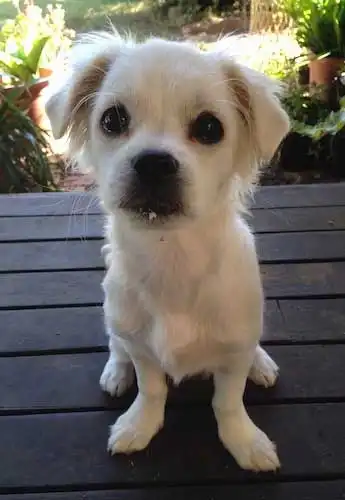
Tibetan Spaniels are small dogs, generally standing under a foot tall and weighing about as many pounds as their height in inches. Their lineage contributes to a wide variety of coat colors, including combinations of black, white, cream, and red, all featuring their signature long, fluffy fur. These dogs have small, rounded heads with short muzzles, adorned with extra facial hair around their eyes, mustaches, and ears. Their large, slightly protruding round eyes and furry, folded ears add to their charm. In relation to their size, they boast deep chests, a robust, boxy frame, and a straight back that ends in a notably fluffy tail, which can be medium to long in length.


Care Routine
This breed undoubtedly demands a considerable level of care. Their small stature paired with their long, dense fur means they can easily become dirty, even when mostly indoors. Caring for their coats requires significant effort; regardless of whether they have the hypoallergenic qualities of a Maltese or the typical shedding of a Tibetan Spaniel, they need daily brushing and combing, and may also require dematting. Regular baths are essential when they get dirty, along with any necessary trimming. Moreover, they are prone to tear stains that need to be managed, as well as additional cleaning due to bathroom accidents and their plentiful fur. Although their coats can be kept short, dogs in colder regions will still need extra warmth during outdoor bathroom breaks. Like all breeds, their nails should be trimmed to prevent cracking and breaking, their teeth should be brushed at least once a week, and their ears should be regularly checked and cleaned to avoid moisture buildup and potential ear infections.
Behavior & Temperament
In comparison to other dogs of similar size, the Tibetan Spaltese is distinguished by its remarkable temperament. These dogs are exceptionally social, thrive on interaction, and cherish quality time with their families. They possess a keen sensitivity to their owners' feelings and needs. Known for their lively spirit, they often jump into their owners' laps to show affection and shower them with kisses. Additionally, they frequently seek higher vantage points to remain close to their loved ones or to better observe their environment. Their amiable nature generally makes them good companions for children and other dogs, even in the absence of formal training; however, they become especially well-adjusted with proper socialization. While they may exhibit some wariness around strangers, this characteristic can enhance their effectiveness as watchdogs, as they will bark to alert their owners to unfamiliar individuals or unusual occurrences. Fortunately, this behavior can be adjusted through training, which is typically straightforward due to their ease of training and management. The only potential drawback is their tendency to be overly vocal or display traits associated with small dog syndrome. Nevertheless, with adequate attention and guidance, they usually face very few challenges.


Play & Exercise
Tibetan Spaniels are often perceived as low-energy dogs, mainly because their endurance is not on par with that of hunting breeds, and their shorter legs can tire quickly when trying to keep pace with humans. Nevertheless, this does not imply that they do not enjoy exercise or social interaction. Their keen intelligence demands both mental and physical engagement, making activities such as fetch or interactive puzzle toys ideal supplements to their daily walks or time spent in a secure yard or dog park. This low-energy trait can create challenges, particularly for less active owners who may underestimate their exercise requirements, potentially leading to obesity, which can develop swiftly in smaller breeds. While extensive daily walks are not necessary, they still thrive on approximately a mile of walking or jogging each day, along with at least 30 minutes of additional exercise and mental stimulation at home. Meeting these needs is essential for fostering good behavior, overall well-being, happiness, and longevity.
Things to Know
Cups Per Day
1.0 Cups
Daily Activity
30 Minutes
Average Lifespan
14 Years
Origin
Late 20th Century
Type
Crossbreeds
Size
Small
Origin Country
Unknown
Brush Frequency
Daily
Coat Texture
Straight
Register
Your kids have been begging for a pet forever, and you've recently decided that it's time for your family to get a new addition -- a dog! While everyone is excited for the new arrival, you're wondering if you need to have a dog license. How much does it cost? Is it required? Where do you get one?
Member Clubs

PETINNATE
Other
Height & Weight
Weight
10 lbs (5 kg)Male: 10 lbs (5 kg) , Female: 10 lbs (5 kg)
Height
9 inches (23 sm)Male: 9 inches (23 sm) , Female: 9 inches (23 sm)
6 Months
7 lbs ( m 7 lbs, f 7 lbs )
6 inches ( m 6 inches, f 6 inches )
12 Months
8 lbs ( m 8 lbs, f 8 lbs )
7 inches ( m 7 inches, f 7 inches )
18 Months
9 lbs ( m 9 lbs, f 9 lbs )
9 inches ( m 9 inches, f 9 inches )
Eye Colors
Brown

Nose Colors
Black
Coat Colors
Black
White
Cream
Sable
Red
Fawn