Lancashire Heeler
Ormskirk Heeler, Lancashire Terrier
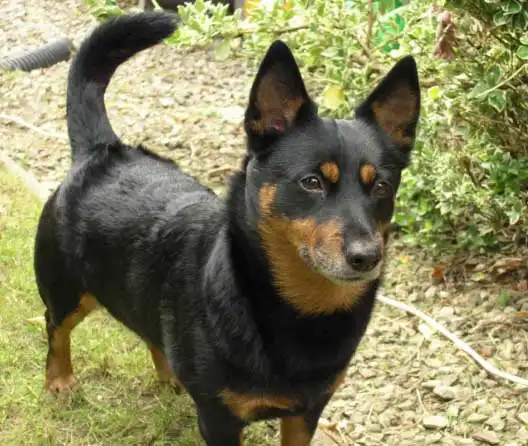
The Lancashire Heeler is a distinctive and rare small dog breed that hails from Great Britain. Initially bred for herding cattle, these compact dogs are nimble enough to nip at the hooves of cows while skillfully dodging any kicks. Beyond their herding responsibilities, they also served an important function in managing pests on farms, particularly rats. Generally, this breed enjoys good health and demands minimal daily grooming, although they are not hypoallergenic. While they tend to be affectionate and friendly with their families, they may exhibit wariness towards strangers, highlighting the importance of early socialization and training for their proper development.
Breed Origin
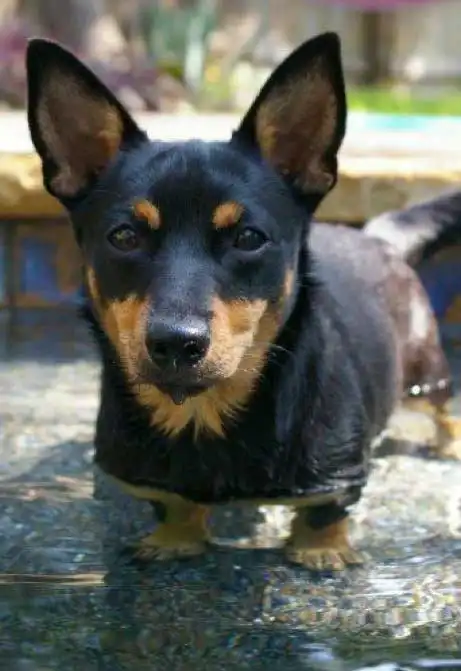
The exact origins of the Lancashire Heeler are somewhat unclear, but most experts concur that this breed developed in the Welsh and English areas of Great Britain. It is believed to be a hybrid of the Corgi lineage and a type of Black and Tan Terrier, likely the Manchester Terrier, though some theories suggest that the Dachshund may have also contributed to its ancestry. These compact dogs are adept at nipping at the heels of cattle while remaining agile enough to evade kicks, making them ideal for herding tasks both on farms and during market excursions. Furthermore, Lancashire Heelers are skilled at catching rats, which helps maintain a pest-free environment on farms when they are not herding. Although the breed faced a decline in population, interest revived in the 1960s, culminating in the formation of the Lancashire Heeler Club in Britain in 1978. Thanks to the commitment of dedicated breeder Gwen Macintosh, the breed received recognition from The Kennel Club in the UK in 1981, followed by the United Kennel Club in the United States on November 1, 2009. While the Lancashire Heeler has not yet achieved full recognition from the FCI or the AKC, it is classified as a foundation stock service breed by the AKC and is eligible to compete in herding events. As of 2016, it has been provisionally acknowledged by the FCI.
Breed Appearance
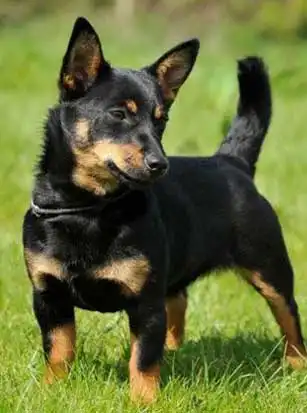
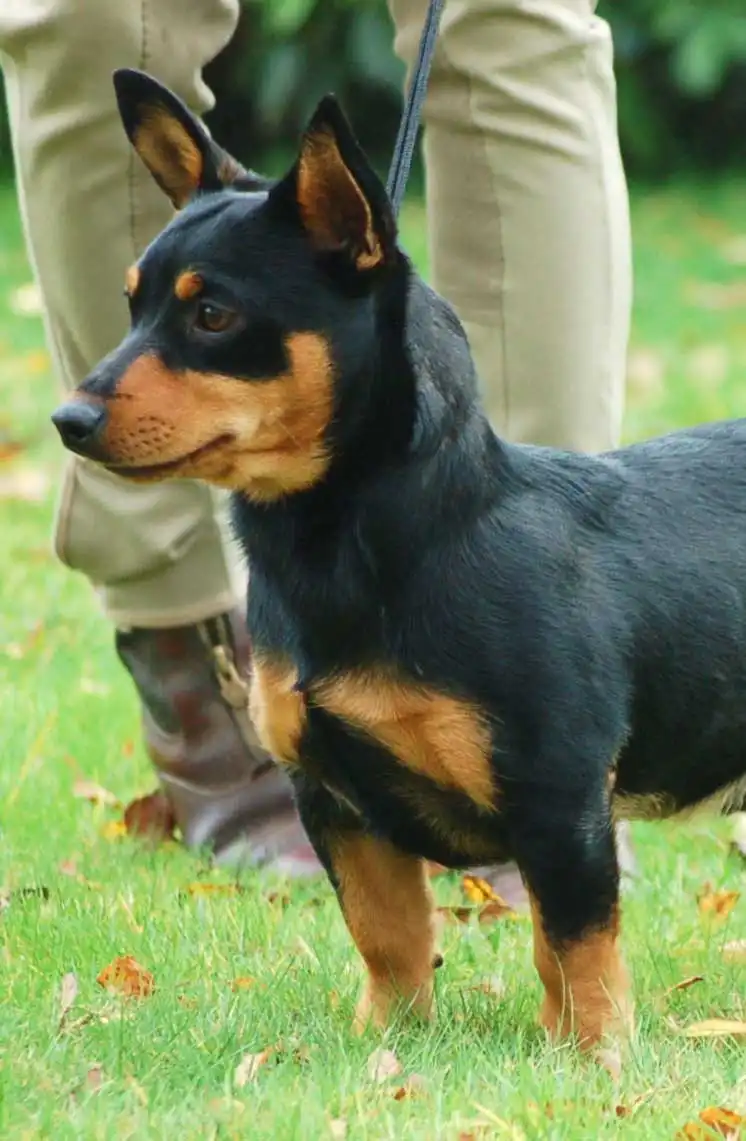
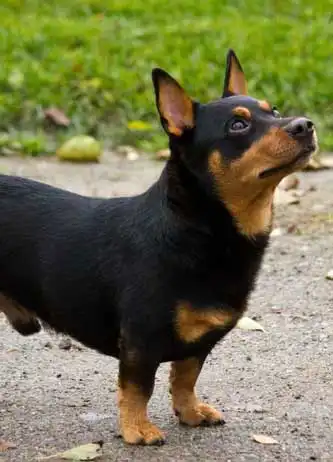
The Lancashire Heeler is a sturdy and compact breed, characterized by a soft undercoat that is topped with a layer of short, dense fur lying flat against its body. Its head is well-balanced, featuring a tapering muzzle that conveys an alert and energetic expression. The breed's almond-shaped eyes come in various shades of brown, both dark and light, harmonizing with their coat. Their ears are triangular and stand erect. The body is slightly elongated, reminiscent of its probable ancestor, the Corgi, and the legs are somewhat short yet straight and robust. The paws are small and well-cushioned, while the tail arches gently over the back, though it typically does not curl into a full ring. The most prevalent color for these dogs is a combination of black and tan, with liver and tan also recognized. Although not officially recognized by Kennel Clubs, some individuals may display tricolor, brindle, or sable patterns.
Care Routine
The grooming requirements for this breed are quite straightforward. Generally, they only need a bath a few times each year, but consistent brushing is important. A grooming mitt or slicker brush is typically sufficient for this purpose. Regular brushing not only removes burrs, dirt, and loose hair from the coat but also allows you to inspect for fleas and ticks. When it’s time to give your dog a bath, it’s vital to ensure that the undercoat is thoroughly dry, as any moisture trapped against the skin can result in bacterial or fungal infections. These dogs are energetic and intelligent, needing between 30 minutes to an hour of daily exercise and mental stimulation to remain content and healthy. Walking or running with them effectively fulfills their exercise requirements, and adding puzzle toys or training sessions can further boost their mental engagement.
Behavior & Temperament
The Lancashire Heeler is a loyal and courageous breed, celebrated for its joyful disposition. However, it can also display a playful yet stubborn attitude, particularly if training is not started early. While they tend to be wary of strangers, their devotion to their family is steadfast, and they usually get along well with children. Due to their small stature, it's crucial to monitor their interactions with young kids to ensure everyone's safety. In a home environment, they typically live harmoniously with other dogs and cats, although their herding instincts might prompt them to try to gather them together. Nevertheless, because of their Terrier lineage, they may not be the most suitable companions for smaller pets. These dogs adapt nicely to smaller living spaces, such as apartments, provided they get enough exercise, but they truly thrive in areas where they have plenty of space to run. Additionally, they are known for their escape artist tendencies, so it’s essential to inspect any outdoor areas for gaps in the fencing or loose boards.

Play & Exercise
Things to Know
Cups Per Day
1.3 Cups
Daily Activity
60 Minutes
Average Lifespan
14 Years
Origin
1800s
Type
Pure Breeds
Size
Small
Origin Country
Great Britain
Brush Frequency
Weekly
Coat Texture
Straight
Register
Your kids have been begging for a pet forever, and you've recently decided that it's time for your family to get a new addition -- a dog! While everyone is excited for the new arrival, you're wondering if you need to have a dog license. How much does it cost? Is it required? Where do you get one?
Member Clubs

PETINNATE
Herding Dog

AKC
Miscellaneous Class

UKC
Herding Dog
Height & Weight
Weight
16 lbs (7 kg)Male: 16 lbs (7 kg) , Female: 16 lbs (7 kg)
Height
10 inches (25 sm)Male: 11 inches (28 sm) , Female: 9 inches (23 sm)
6 Months
10 lbs ( m 10 lbs, f 10 lbs )
6 inches ( m 6 inches, f 6 inches )
12 Months
12 lbs ( m 12 lbs, f 12 lbs )
7 inches ( m 7 inches, f 7 inches )
18 Months
15 lbs ( m 15 lbs, f 15 lbs )
9 inches ( m 9 inches, f 9 inches )
Eye Colors
Brown

Nose Colors
Black
Coat Colors
Black

Brown
Fawn
Sable
Brindle