Jindo
Korean Jindo Dog, Chindo, Jindo Gae, Jindogae, Jin Dog, Jindo Gu
The Jindo is a strong and muscular dog belonging to the Spitz family, originating from South Korea. This breed is characterized by its joyful personality and flourishes when engaged in activities. Initially developed as a versatile hunting dog, these instincts remain strong today. Jindos are incredibly loyal, often forming a profound bond with one person while still being friendly with other family members. Adult Jindos may find it challenging to adjust to new environments and have been known to travel great distances to return to their original homes and owners. They are inherently clean and adapt easily to house training. However, without proper socialization with other dogs during their early years, Jindos can display territorial tendencies and may react aggressively towards unfamiliar dogs that enter their space.
Breed Origin
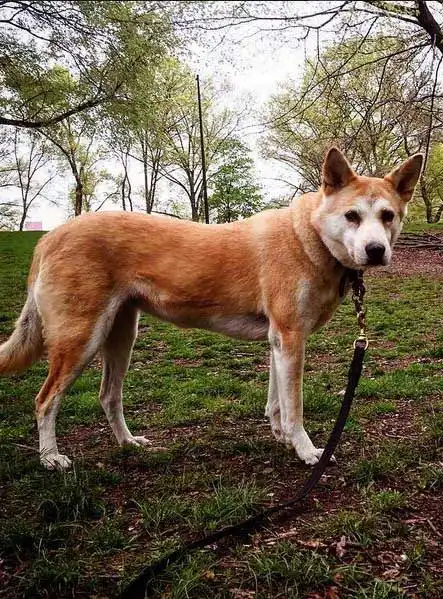
The precise beginnings of the Jindo dog are somewhat ambiguous. Some historians propose that its ancestry may link back to ancient canines from Nordic areas, while others contend that it may have developed from the Akita breed. It is generally acknowledged that the Jindo was first cultivated on Jindo Island, located in the southwestern part of Korea. This breed was primarily bred as a versatile hunting partner, excelling in tracking cold trails and pursuing a variety of game such as badgers, rabbits, deer, and wild boar. During hunts, the Jindo not only captured its prey but also guided the hunter to the site of the catch. Having remained largely unnoticed for centuries, the Jindo naturally adapted and evolved into a robust breed celebrated for its health and vitality. The limited accessibility to Jindo Island allowed this dog to become a closely guarded secret within South Korea. The Jindo has long been valued by Koreans for its resilience, protective instincts, and steadfast loyalty. Furthermore, it has proven to be an adaptable hunter, aiding its owner in the pursuit of diverse game. The first Jindos arrived in the United States during the 1980s, and they received official recognition from the United Kennel Club, which allowed them to compete in all UKC events. However, the American Kennel Club only began registering the Jindo in its Foundation Stock Service in 2008. Consequently, the breed remains relatively uncommon in the United States and Canada. In South Korea, the Jindo has been legally protected since 1962 and is celebrated as a national treasure, holding the distinction of being the most popular dog in the country. Despite its acclaim in its native land, the Jindo is still regarded as a rare breed outside of Asia.
Breed Appearance
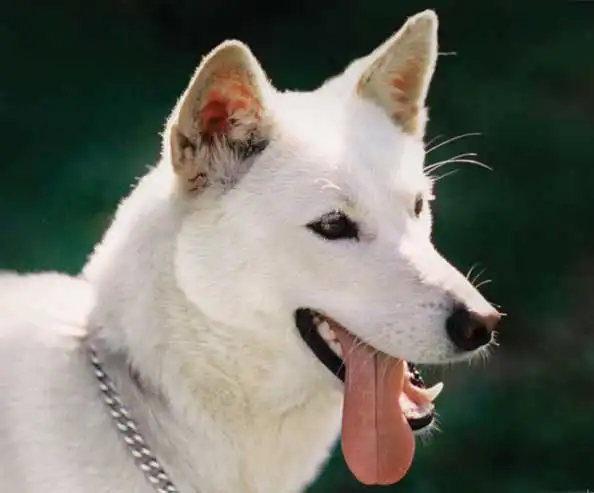
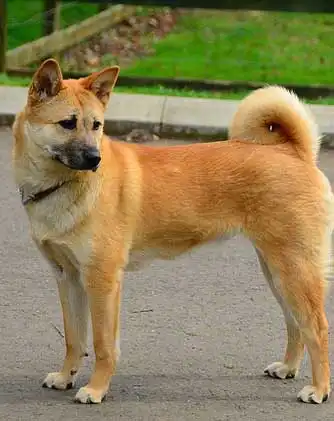
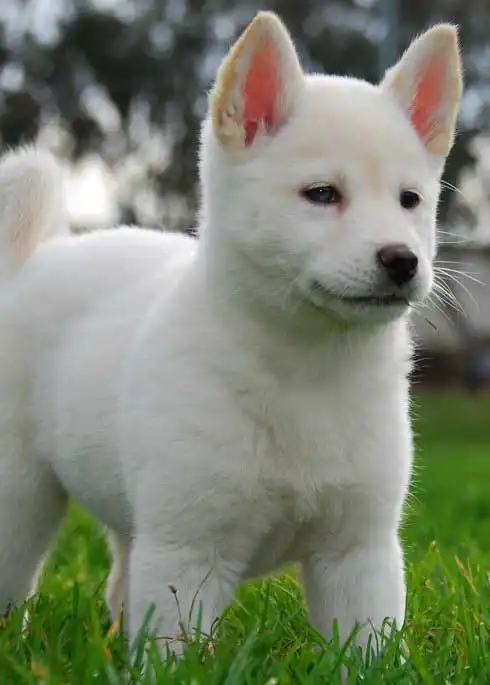
The Jindo showcases a well-balanced physique that gives it a compact, boxy look. This medium-sized breed is characterized by a short, thick coat with a rough texture. Its ears are triangular and stand erect, often alert as the dog attentively surveys its surroundings or pursues prey. The Jindo's dark brown, almond-shaped eyes reflect a sense of curiosity, with their outer corners angled towards the ears, creating a striking expression. While most Jindos have a black nose, those with white fur may exhibit a flesh-colored one. This breed features a double coat, comprising a soft, dense undercoat and a short, coarse top layer that stands away from the body. Its tail, typical of spitz breeds, curls over its back, enhancing its unique look. Jindos are available in various colors, including white, brindle, red fawn, gray, and black and tan.
Care Routine
The Jindo undergoes substantial shedding twice a year, usually in the spring and autumn. During these peak shedding times, daily grooming becomes crucial, complemented by weekly warm baths to help eliminate loose fur. For optimal grooming results, it's recommended to utilize a comb, pin brush, and deshedder. Even outside of these intense shedding periods, the Jindo will still shed moderately; however, consistent weekly brushing with a comb and pin brush can significantly reduce this and help keep hair from accumulating on furniture and carpets. It's essential to remember that the Jindo is not hypoallergenic. Between baths, you might detect a moderate dog odor, which can be mitigated by dusting his coat with baking soda or baby powder. Additionally, regular toenail trimming and ear cleaning are important to prevent infections. Establishing a routine for dental care is also vital for ensuring the health of his gums and teeth.
Behavior & Temperament
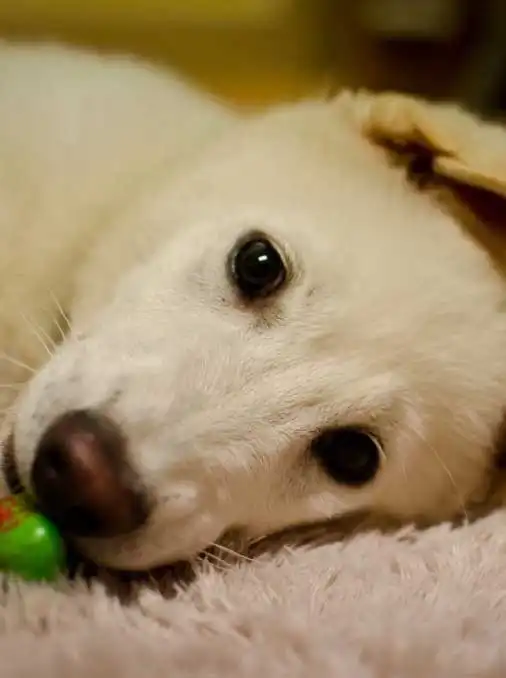
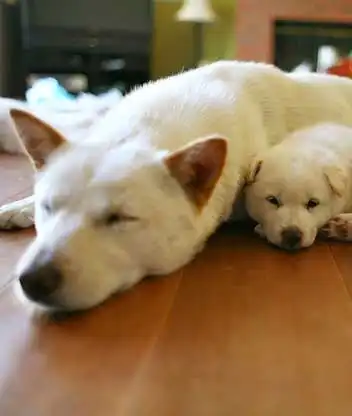
The Jindo is renowned for its steadfast loyalty, forming a deep bond with its owner that is not easily extended to others. If you are considering welcoming a Jindo into your family, be ready for a long-term commitment. Although they may seem aloof around strangers, these dogs need ample socialization to flourish. Jindos often struggle to coexist with other dogs, especially males, and even those raised together should be supervised during their interactions. Furthermore, due to their strong prey drive, it’s advisable to keep other pets at a safe distance. When it comes to exercise, Jindos have moderate requirements but thrive on personal attention to remain happy. They take pleasure in participating in dog sports alongside their owners, excelling in activities such as agility, obedience, and rally. These experiences not only enhance the connection between the Jindo and its owner but also serve as a productive outlet for their energy and intellect. Continuous training is vital throughout their lives to ensure they stay well-adjusted and content.
Play & Exercise
Things to Know
Cups Per Day
2.3 Cups
Daily Activity
45 Minutes
Average Lifespan
14 Years
Origin
Unknown
Type
Pure Breeds
Size
Medium
Origin Country
South Korea
Brush Frequency
Weekly
Coat Texture
Straight
Register
Your kids have been begging for a pet forever, and you've recently decided that it's time for your family to get a new addition -- a dog! While everyone is excited for the new arrival, you're wondering if you need to have a dog license. How much does it cost? Is it required? Where do you get one?
Member Clubs
PETINNATE
Northern Breed

AKC
Foundation Stock Service

UKC
Northern Breed
Height & Weight
Weight
42 lbs (19 kg)Male: 46 lbs (21 kg) , Female: 38 lbs (17 kg)
Height
20 inches (51 sm)Male: 21 inches (53 sm) , Female: 19 inches (48 sm)
6 Months
18 lbs ( m 18 lbs, f 18 lbs )
15 inches ( m 15 inches, f 15 inches )
12 Months
30 lbs ( m 30 lbs, f 30 lbs )
19 inches ( m 19 inches, f 19 inches )
18 Months
35 lbs ( m 35 lbs, f 35 lbs )
19 inches ( m 19 inches, f 19 inches )
Eye Colors
Brown

Nose Colors
Black
Coat Colors
White
Brindle
Red
Gray
Black