Dog Breeds by Prey Drive
Prey Drive refers to how a dog typically behaves or responds in everyday situations. Individual dogs may vary based on training, environment, and genetics.
Dogs that were bred to hunt, such as terriers, have an inborn desire to chase and sometimes kill other animals. Anything whizzing by — cats, squirrels, perhaps even cars — can trigger that instinct. Dogs that like to chase need to be leashed or kept in a fenced area when outdoors, and you'll need a high, secure fence in your yard. These breeds generally aren't a good fit for homes with smaller pets that can look like prey, such as cats, hamsters, or small dogs. Breeds that were originally used for bird hunting, on the other hand, generally won't chase, but you'll probably have a hard time getting their attention when there are birds flying by.
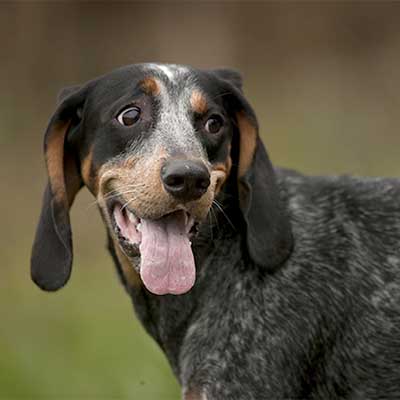
Bluetick Coonhound
The Bluetick Coonhound is a loyal and intelligent breed, renowned for its strong attachment to family members. While they can adapt to living indoors, it is crucial for their health to engage in regular physical activity. Ideally, they should have access to a securely fenced yard, as they are prone to wandering off in search of interesting scents. These dogs typically get along well with children, but they may be better suited for families with older kids due to their energetic and sometimes boisterous play style. When socialized properly from an early age, Bluetick Coonhounds exhibit a friendly and outgoing demeanor. In terms of their physical characteristics, they are both impressive and athletic, featuring a muscular yet streamlined physique that avoids any awkwardness. As skilled nocturnal hunters, they have keen eyesight and a strong dedication to tracking. However, they can be challenging for owners who are not committed to training; a lack of exercise may result in anxiety and destructive behaviors. This breed flourishes in spacious environments, such as large yards. It’s important to remember that, despite their friendly disposition towards people, they should not be trusted around cats or other small animals due to their inherent hunting instincts. Once fully trained, Bluetick Coonhounds are obedient and attentive to their owners.
Read more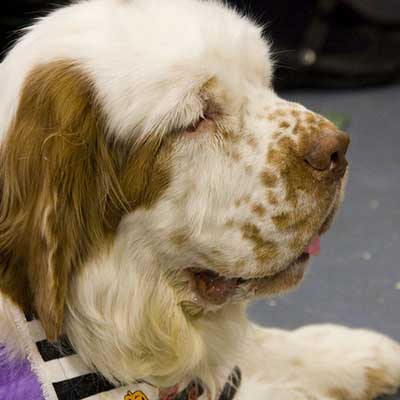
Clumber Spaniel
The Clumber Spaniel, which emerged in the 1700s, is celebrated as one of the oldest and sturdiest breeds within the Spaniel family. Its ancestry is believed to include the Alpine Spaniel, Basset Hound, and Saint Bernard. These dogs typically have a medium height but are characterized by their solid build. Renowned for their gentle and affectionate temperament, Clumber Spaniels often exhibit a playful and somewhat goofy personality. Although they may drool and shed, their intelligence and eagerness to learn make them delightful companions. Commonly known as the "retired gentleman’s Spaniel," they also excel as hunters. While they are generally easy to house train, it’s important not to leave them alone for long periods, as they can become bored and might chew on household items. With their short legs, large heads, and unique stature, Clumber Spaniels have a striking appearance.
Read more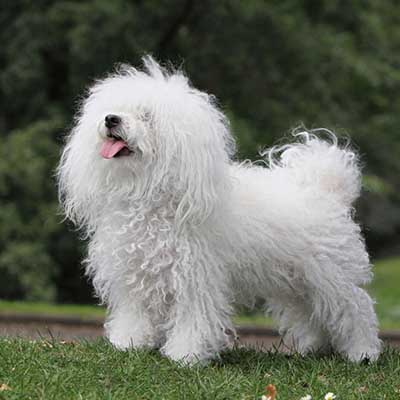
Bolognese
The Bolognese, a breed that hails from northern Italy, is celebrated as a companion dog and is one of the oldest breeds in Europe, with origins dating back to the 12th century. In the United States, however, this breed remains relatively rare. Bolognese dogs are known for their intelligence and ability to learn quickly, making them generally easy to train, although they may show a hint of stubbornness at times. Their unique, thick, curly white coat necessitates daily brushing and occasional professional grooming to keep it in good shape. Affectionately called Bolos, these dogs are low-energy and adapt well to living in apartments. Since they were specifically bred for companionship, they struggle with being left alone, which can lead to separation anxiety and result in unwanted behaviors like barking, chewing on furniture, or urinating indoors. Furthermore, due to their small size and potential delicacy, Bolognese dogs may not be the best fit for families with young children.
Read more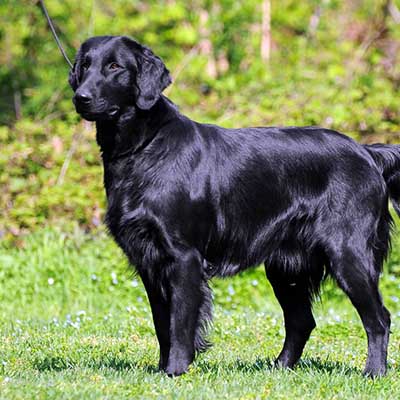
Flat Coated Retriever
The Flat-Coated Retriever is a remarkable breed, celebrated for its shiny black coat, although a deep liver hue can also be seen from time to time. This breed is categorized as large, standing up to 24.5 inches tall and weighing as much as 80 pounds. Hailing from England in the 1800s, these dogs were originally developed for retrieving waterfowl and serving as hunting companions. However, their popularity declined after World War I, especially as the Golden Retriever gained favor. Known for their playful nature, Flat-Coated Retrievers mature at a slower pace despite their considerable size. Nonetheless, this breed is charming and hardworking, sure to fill your life with joy and laughter.
Read more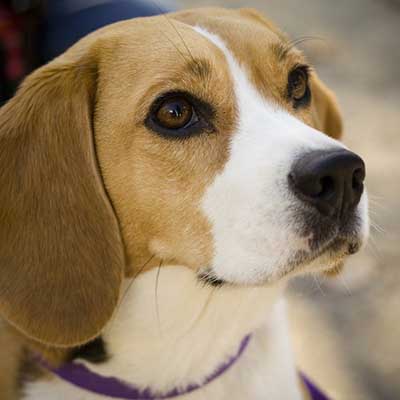
Beagle
The Beagle is frequently seen as one of the most laid-back and cheerful dog breeds. With a lively and amusing demeanor, this breed spreads happiness to those around it. Originating in England in the early 1800s, Beagles were originally developed for tracking and hunting rabbits. They flourish when allowed to explore their environment, utilizing their exceptional sense of smell, which can sometimes lead them into playful trouble. As scent hounds, Beagles have ancestry that includes the Talbot Hound, North Country Beagle, and Southern Hound. Their compact and muscular build makes them an ideal companion. Beagles are easily identifiable by their droopy ears and endearing expressions. Their short, smooth coats require little maintenance; a simple weekly brushing with a rubber curry brush is enough to keep them looking their finest.
Read more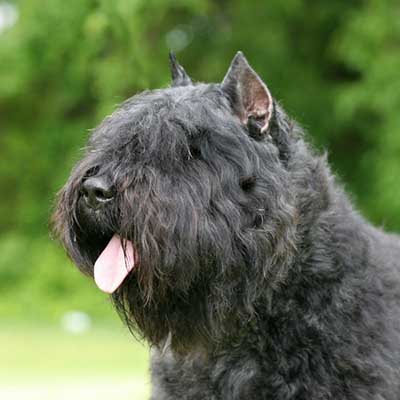
Bouvier des Flandres
The Bouvier des Flandres was initially developed as a hardworking dog, specifically designed for herding cattle and leveraging its strength on farms. Originating from Belgium and Northern France, these sturdy and intelligent dogs nearly faced extinction during World War I due to the destruction in their native regions. However, following the war, their population and popularity surged, leading them to become beloved family pets. Renowned for their loyalty, Bouviers thrive in various roles and require plenty of human interaction and physical exercise. Today, they can be found working as police, rescue, and guide dogs. Despite their energetic nature, Bouviers also appreciate relaxing with their dedicated families.
Read more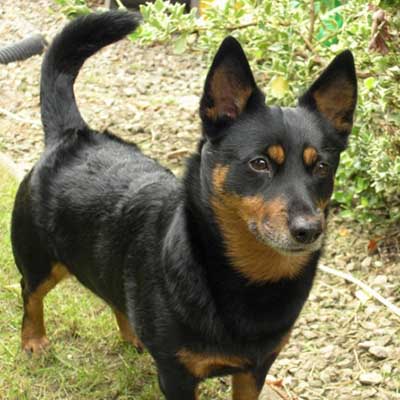
Lancashire Heeler
The Lancashire Heeler is a distinctive and rare small dog breed that hails from Great Britain. Initially bred for herding cattle, these compact dogs are nimble enough to nip at the hooves of cows while skillfully dodging any kicks. Beyond their herding responsibilities, they also served an important function in managing pests on farms, particularly rats. Generally, this breed enjoys good health and demands minimal daily grooming, although they are not hypoallergenic. While they tend to be affectionate and friendly with their families, they may exhibit wariness towards strangers, highlighting the importance of early socialization and training for their proper development.
Read more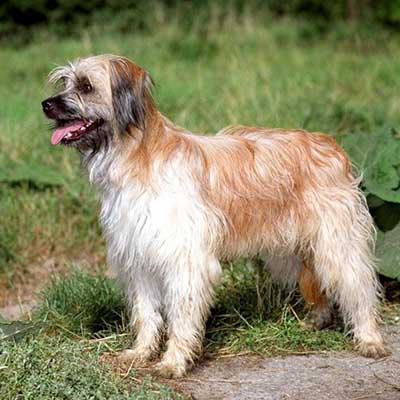
Berger Des Pyrenees
The Pyrenean Shepherd, originating from the Pyrenees Mountains in France around 6000 BC, boasts a rich history of herding and protecting sheep and goats. During World War I, these dogs played crucial roles as messengers, sentinels, and rescue animals. After the war, the energetic Pyr Shep continued its herding and guarding responsibilities while also gaining recognition in competitions and exhibitions. This cheerful breed comes in two distinct types: the rough-faced variety, known for its thick, coarse coat, and the smooth-faced type, which has a softer, finer fur. The Pyrenean Shepherd thrives in an active home environment.
Read more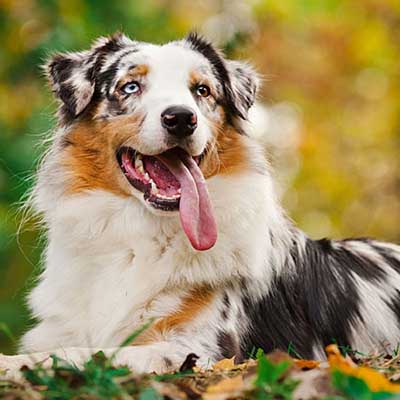
Australian Shepherd
The Australian Shepherd is a remarkably intelligent and loyal companion, yet it is also a breed brimming with energy that flourishes with active involvement. Renowned for its prowess in a variety of canine sports such as herding trials, tracking, agility, flyball, tricks, and obedience, the Aussie—its affectionate nickname—demands a household that can provide consistent training, structure, and plenty of physical exercise. This breed possesses a strong herding instinct, often leading it to nip at or bark at animals, people, and objects. If not given a specific task to engage with, the Australian Shepherd may exhibit disruptive and destructive behaviors. Interestingly, despite its name, the breed was actually developed in the United States for herding purposes.
Read more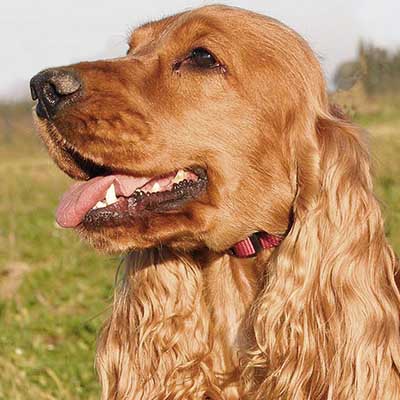
English Cocker Spaniel
English Cocker Spaniels are often described as joyful, a portrayal that truly captures their essence. Initially bred to retrieve game from thick underbrush during hunting expeditions, these dogs are energetic and devoted companions. Their coats, which are soft and silky, are prone to matting and tangling, making regular grooming essential due to their considerable shedding. The English Cocker Spaniel is the ancestor of the American Cocker Spaniel, which has been selectively bred to be somewhat smaller, with a rounder skull and a diminished prey drive. Although English Cocker Spaniels need more exercise than their American counterparts, they tend to be sturdier and less prone to anxiety or nervousness.
Read more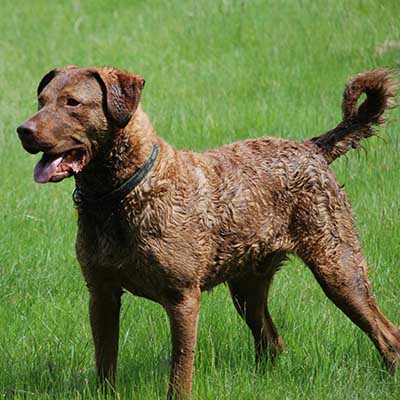
Chesapeake Bay Retriever
The Chesapeake Bay Retriever is a distinctive breed that sets itself apart from other Retrievers. This breed traces its roots back to two Lesser Newfoundland puppies, also referred to as St. John’s Water Dogs, which were saved by an American ship following a shipwreck near Maryland in 1807. These dogs were subsequently crossbred with local breeds, including Water Spaniels, Setters, and Hounds, in a somewhat haphazard manner. Although they share similar roles with other Retrievers, their genetic background is quite unique. Chesapeake Bay Retrievers are known for their striking looks, featuring a slightly oily, musky, waterproof wavy brown coat, captivating amber eyes, and a sturdy, muscular physique. While they are now mainly cherished as family pets and hunting companions, their initial role was to retrieve waterfowl. Renowned for their cheerful disposition, intelligence, and eagerness to please, these dogs excel in work, especially in water-related tasks. Their grooming requirements are relatively low, needing only a weekly brushing and a bath every three to four months. Due to their energetic and robust nature, they benefit from regular, vigorous exercise, whether through walking, running, or hunting geese. To ensure their proper development, consistent training combined with firm yet affectionate discipline is crucial.
Read more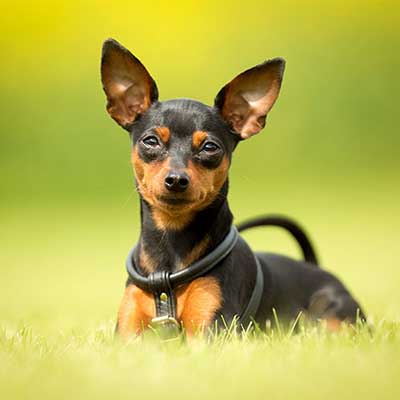
Miniature Pinscher
The Miniature Pinscher should not be mistaken for a diminutive version of the Doberman Pinscher; instead, it is more accurately described as a small-scale likeness of its larger relative. Interestingly, the Miniature Pinscher actually predates the Doberman. Often referred to as the Min Pin, this breed originates from the German Pinscher lineage and may also share ancestry with the Italian Greyhound and Dachshund. While the Miniature Pinscher has been officially recognized for over two centuries, the specifics of its ancestral background continue to spark discussion among enthusiasts. Nevertheless, this distinguished breed has been featured in Renaissance art, and artifacts from as far back as 2,000 years ago attest to its enduring existence.
Read more