Anatolian Shepherd
Blackhead Karabaş, Anatolian Blackhead, Anadolulu Karabaş, Kangal, Coban Kopegi
The Anatolian Shepherd Dog serves primarily as a guardian for livestock rather than a herding breed, specifically created to shield animals from predators. This breed hails from Turkey, with its lineage believed to date back to approximately 2000 BC. Historical evidence of these dogs is depicted in ancient bas-reliefs located in the Assyrian Rooms of the British Museum in London. Furthermore, the Anatolian Shepherd is thought to be alluded to in the Bible, particularly in the Book of Job, which discusses these dogs in the context of flocks and is set in the Turkish region. Although they can display affection, Anatolian Shepherds are generally not ideal as family pets, especially in homes with young children. Their independent and assertive temperament often leads them to view children as peers rather than authority figures, which can result in a lack of respect.
Breed Origin
The Anatolian Shepherd Dog takes its name from Anatolia, a central region in Turkey that is thought to be its birthplace. Although the exact timeline of their development is unclear, many enthusiasts trace their ancestry back to around 2000 B.C., with mentions in the Book of Job, which is set in present-day Turkey. Interestingly, despite their name, Anatolian Shepherds are not herding dogs; they are primarily working dogs known for their exceptional skills as livestock guardians. These dogs made their way to the United States in the 1930s, but it wasn't until the 1970s that they began to gain significant recognition. Following the introduction of the Endangered Species Act, Anatolian Shepherds were utilized to control predator populations non-lethally. While they generally prefer to avoid conflict, their natural bravery allows them to confront predators of all sizes and often prevail. Today, Anatolian Shepherds are found across the globe, protecting livestock and providing peace of mind to farmers and ranchers. However, they may not be the best fit for families, especially those with young children, due to their stubbornness and strong protective instincts. It is essential to engage in early and thorough socialization from puppyhood until they are fully trained to guard a flock. The American Kennel Club officially recognized this breed in 1999, and their popularity continues to rise in the United States, where they currently hold the 109th position among registered breeds.
Breed Appearance
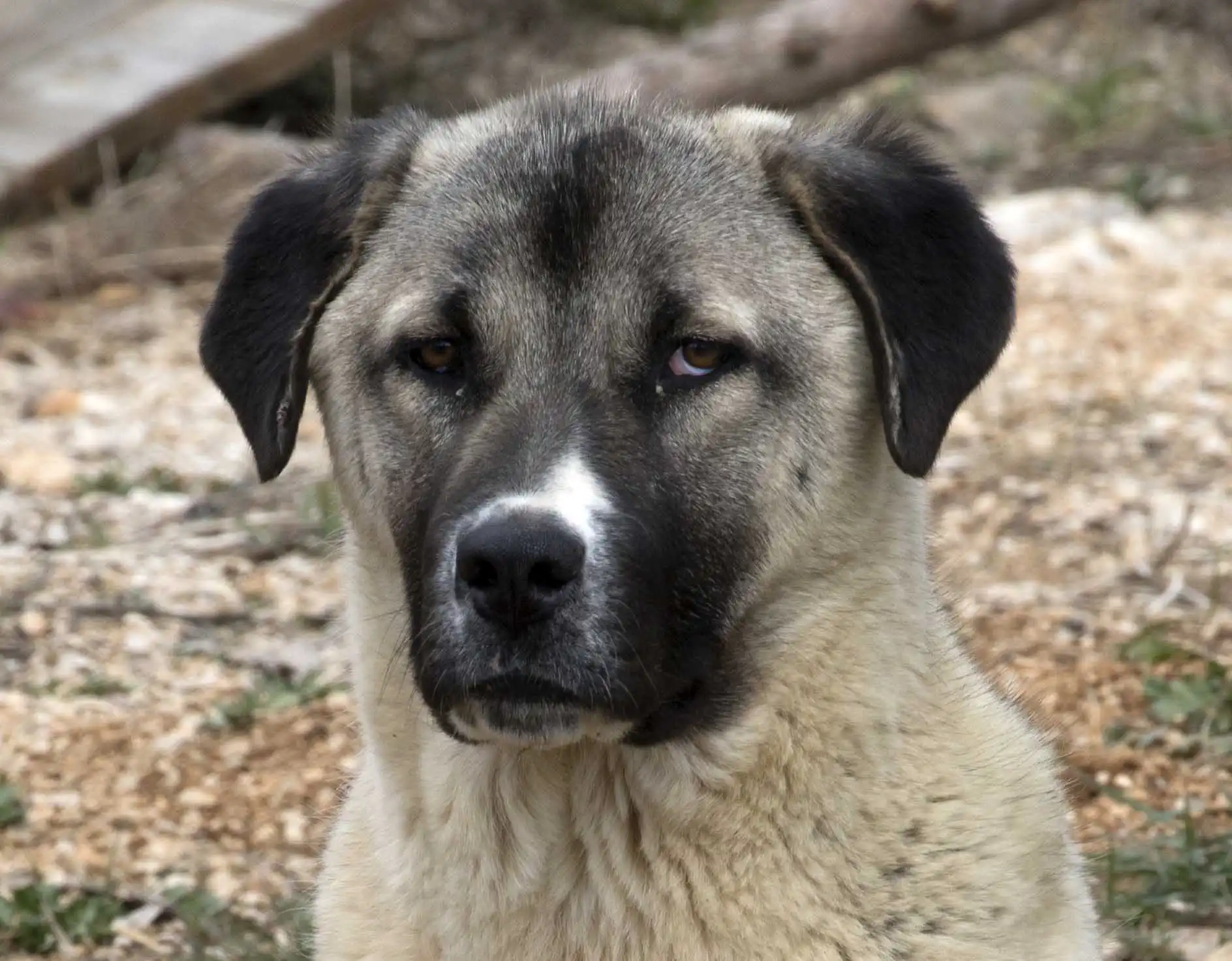
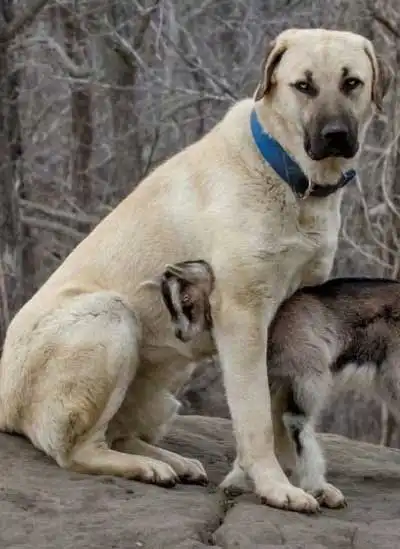
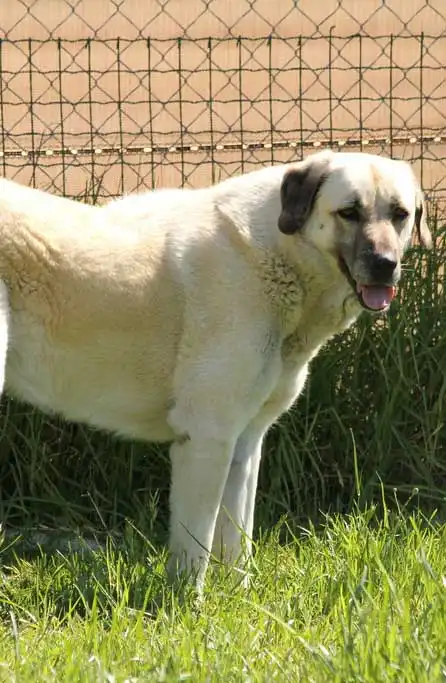
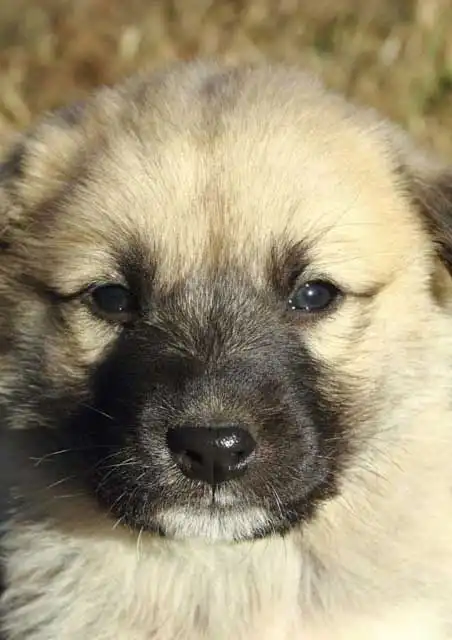
The Anatolian Shepherd Dog is frequently compared to the Kuvasz and the Great Pyrenees, yet it distinguishes itself with a more slender and agile build. Its head is proportionate to its body and typically features a black muzzle, complemented by slightly drooping black lips. The ears are triangular with rounded tips and are usually black. The tail is set high; when the dog is at ease, it hangs low with a gentle upward curve at the tip, but when alert, it is raised high, resembling a wheel. This breed possesses a short, coarse double coat that sheds during the spring and summer. The fur is longer around the neck and tail, with variations in length influenced by the season and the dog's ancestry. The Anatolian Shepherd comes in two main coat types: medium long and medium.
Care Routine
The Anatolian Shepherd Dog undergoes substantial shedding biannually, which makes daily brushing essential during these times. When not in shedding season, brushing once a week is adequate. Although these dogs primarily serve as livestock guardians, they rarely need baths; consistent brushing can help manage any odors in their coat. Many owners unexpectedly find the maintenance needs of their Anatolian Shepherds to be higher than anticipated, leading to some dogs being surrendered to shelters or rescue groups. Despite having a relatively short coat, this breed possesses a double layer that necessitates grooming at least weekly to reduce shedding and prevent tangles. It's crucial to keep their ears clean and dry to ward off infections, and nails should be trimmed roughly every two weeks. Additionally, teeth should be checked weekly and brushed regularly to avoid dental problems. Regular parasite checks are also vital to keep your dog free from infestations.
Behavior & Temperament
To prevent Anatolian Shepherd Dogs from becoming withdrawn or aggressive towards people, early socialization is essential. When these dogs are properly socialized, they develop deep connections with their owners. Originally bred for protection, their guarding instincts are strong. Therefore, it is important to keep them on a leash and within a secure, robust fence unless they are trained to work with livestock in an open setting. Training is highly recommended for Anatolian Shepherds. Enrolling them in obedience classes and adhering to a consistent training schedule is crucial, as they can be quite headstrong. When introducing new pets to the household, it should be done gradually. While Anatolian puppies can form friendships with other animals, adult Anatolians are typically less accepting of newcomers. If you are bringing an adult Anatolian Shepherd into your home, it is vital to establish yourself as a confident, firm, and consistent leader from the outset, as they respond best to respectful authority.
Play & Exercise
Things to Know
Cups Per Day
3.0 Cups
Daily Activity
60 Minutes
Average Lifespan
12 Years
Origin
1800 BC
Type
Pure Breeds
Size
Giant
Origin Country
Turkey
Brush Frequency
Weekly
Coat Texture
Straight
Register
Your kids have been begging for a pet forever, and you've recently decided that it's time for your family to get a new addition -- a dog! While everyone is excited for the new arrival, you're wondering if you need to have a dog license. How much does it cost? Is it required? Where do you get one?
Member Clubs

PETINNATE
Guardian Dog

AKC
Working Group

UKC
Guardian Dog
Height & Weight
Weight
113 lbs (51 kg)Male: 125 lbs (57 kg) , Female: 100 lbs (45 kg)
Height
30 inches (76 sm)Male: 31 inches (79 sm) , Female: 30 inches (76 sm)
6 Months
57 lbs ( m 57 lbs, f 57 lbs )
18 inches ( m 18 inches, f 18 inches )
12 Months
70 lbs ( m 70 lbs, f 70 lbs )
22 inches ( m 22 inches, f 22 inches )
18 Months
92 lbs ( m 92 lbs, f 92 lbs )
29 inches ( m 29 inches, f 29 inches )
Eye Colors
Brown

Nose Colors
Black
Coat Colors
White
Brindle
Fawn