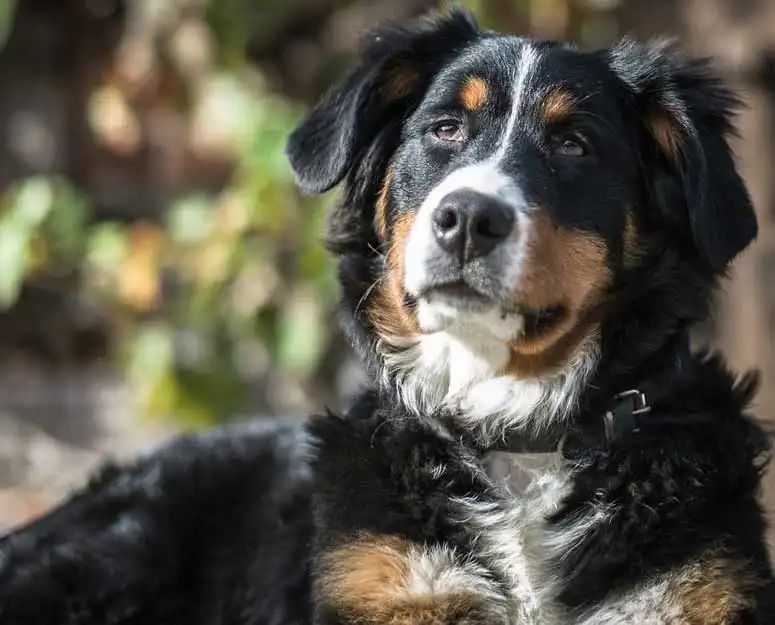
Bernese Mountain Dog
Berner Sennenhund, Bernese Cattle Dog
The Bernese Mountain Dog, commonly known as the Berner, is one of the four ancient breeds classified as Swiss Sennenhunds. What sets the Berner apart is its luxurious, flowing coat and exceptional temperament. Its ancestry likely stems from a combination of the farming dogs indigenous to the Swiss Alps and the Molosser, a type of Mastiff brought to the region by the Romans around the first century B.C. This rich heritage is reflected in the Berner's large head, gentle nature, remarkable strength, and strong work ethic. Traditionally, Bernese Mountain Dogs were invaluable farm assistants, responsible for herding livestock, pulling carts, and protecting homesteads. In contemporary times, they are primarily valued as beloved family pets. Known for their friendliness towards children and their ability to be trained, they do have a strong need for family interaction, which can pose challenges if they are left alone for extended periods. In terms of appearance, the Bernese Mountain Dog is a large breed characterized by its striking tri-colored coat. They possess prominent heads and substantial paws, which require regular grooming to control shedding. Bringing a Berner puppy into your home demands a considerable commitment and effort. However, with consistent training, patience, and dedication, you can nurture a loyal and hardworking companion that will greatly enhance your life.
Breed Origin
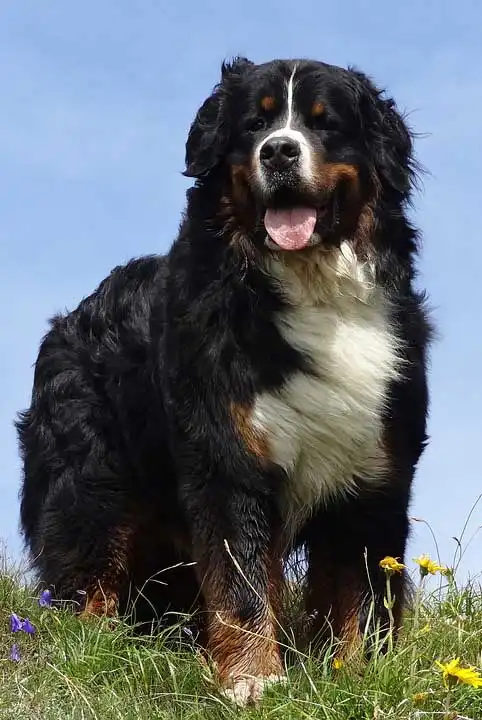
The Swiss Sennenhund group consists of four distinct breeds: the Appenzeller Sennenhund, the Entlebucher Sennenhund, the Greater Swiss Mountain Dog, and the Berner Sennenhund, more commonly referred to as the Bernese Mountain Dog. Notably, the Bernese is recognized for its luxurious, flowing coat. While these breeds trace their roots back to ancient times, they were officially acknowledged only in 1902, following a dog show organized by the Swiss Dog Club that showcased Swiss breeds. Two years later, during an international exhibition in Bern, the Bernese Mountain Dog was formally designated as a separate breed. In 1936, two British breeders discovered these impressive dogs and began their breeding efforts in England. By 1937, the American Kennel Club (AKC) had included the Bernese Mountain Dog in its Working Class category. Since then, this noble breed has won the affection of many. Initially bred as hardworking farm dogs in the Swiss Alps, Bernese Mountain Dogs are now primarily valued as loving companions. They are known for their gentle disposition, high energy, alertness, and ease of training. While they do tend to seek constant companionship from their owners, they make wonderful family pets, especially with young children.
Breed Appearance
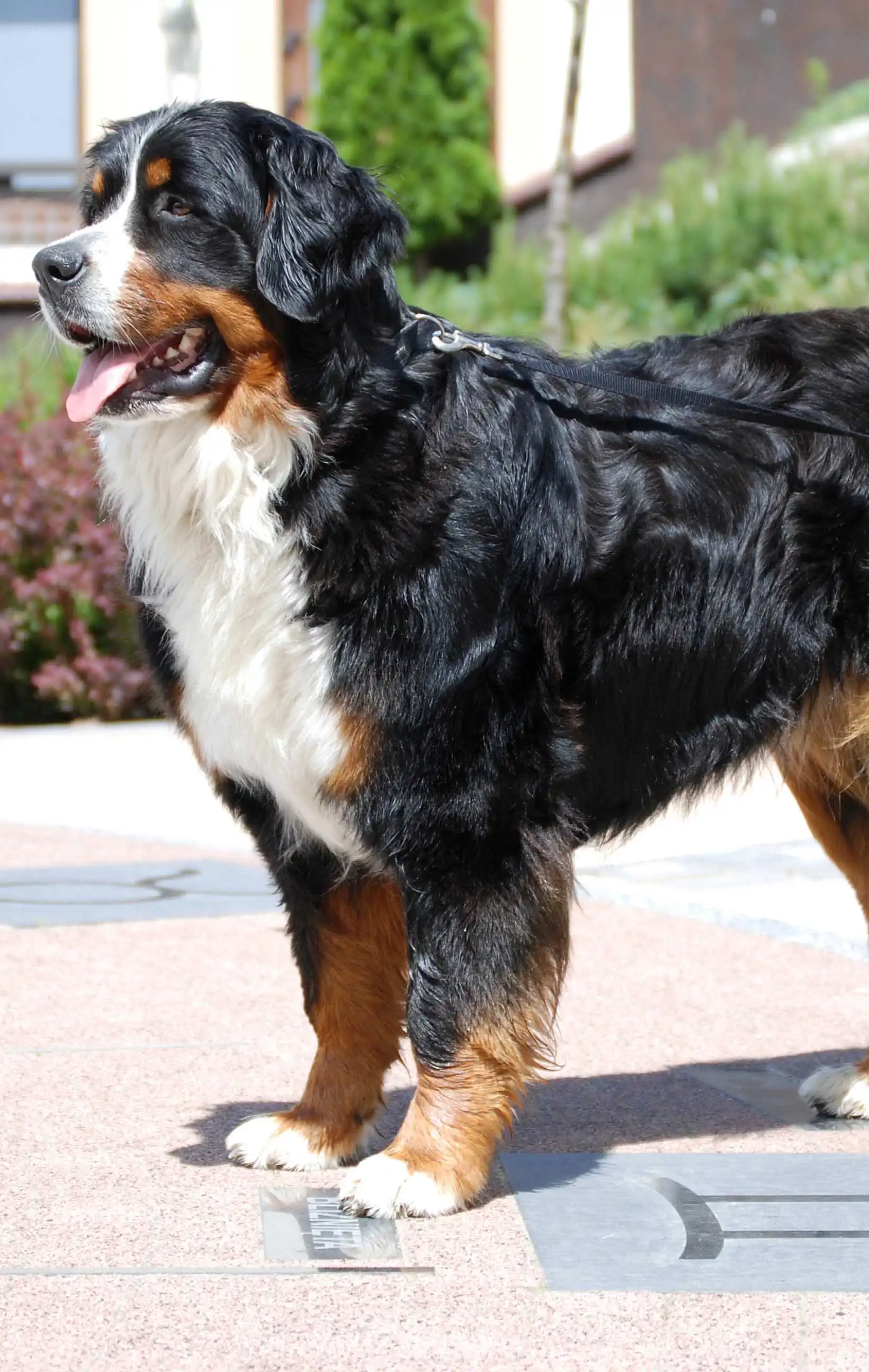
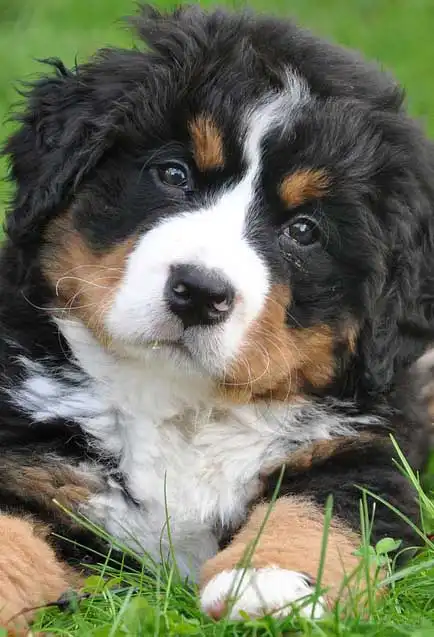
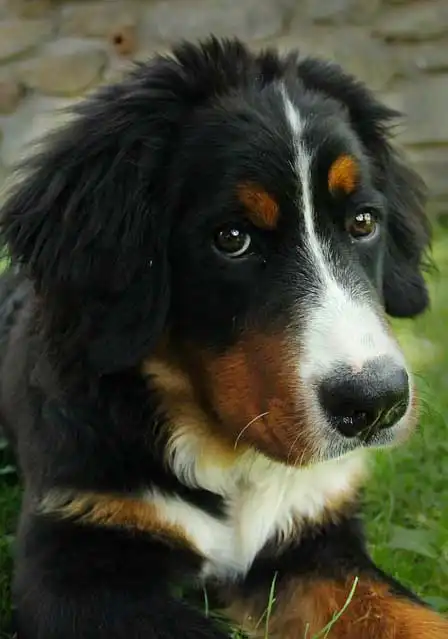
The Bernese Mountain Dog is a remarkable large breed, celebrated for its stunning tri-colored coat, which showcases a deep black overlay on a white chest, accented by warm brown highlights. Typically, you'll find white markings on their toes and the tip of their tail, but the standout feature is the striking white blaze that ascends the forehead to create a distinctive point. These dogs are characterized by their large, expressive brown eyes, which have a gentle droop yet exude a sense of liveliness. With ancestry linked to the Mastiff, the Bernese Mountain Dog has a broad head and long, floppy ears. Their proud posture and sturdy build are defining traits of the breed, complemented by their large paws, which are a natural extension of their size. Males usually present a more robust and masculine look, while females tend to be more slender. Without a doubt, taking a stroll with one of these magnificent dogs will turn heads wherever you go!
Care Routine
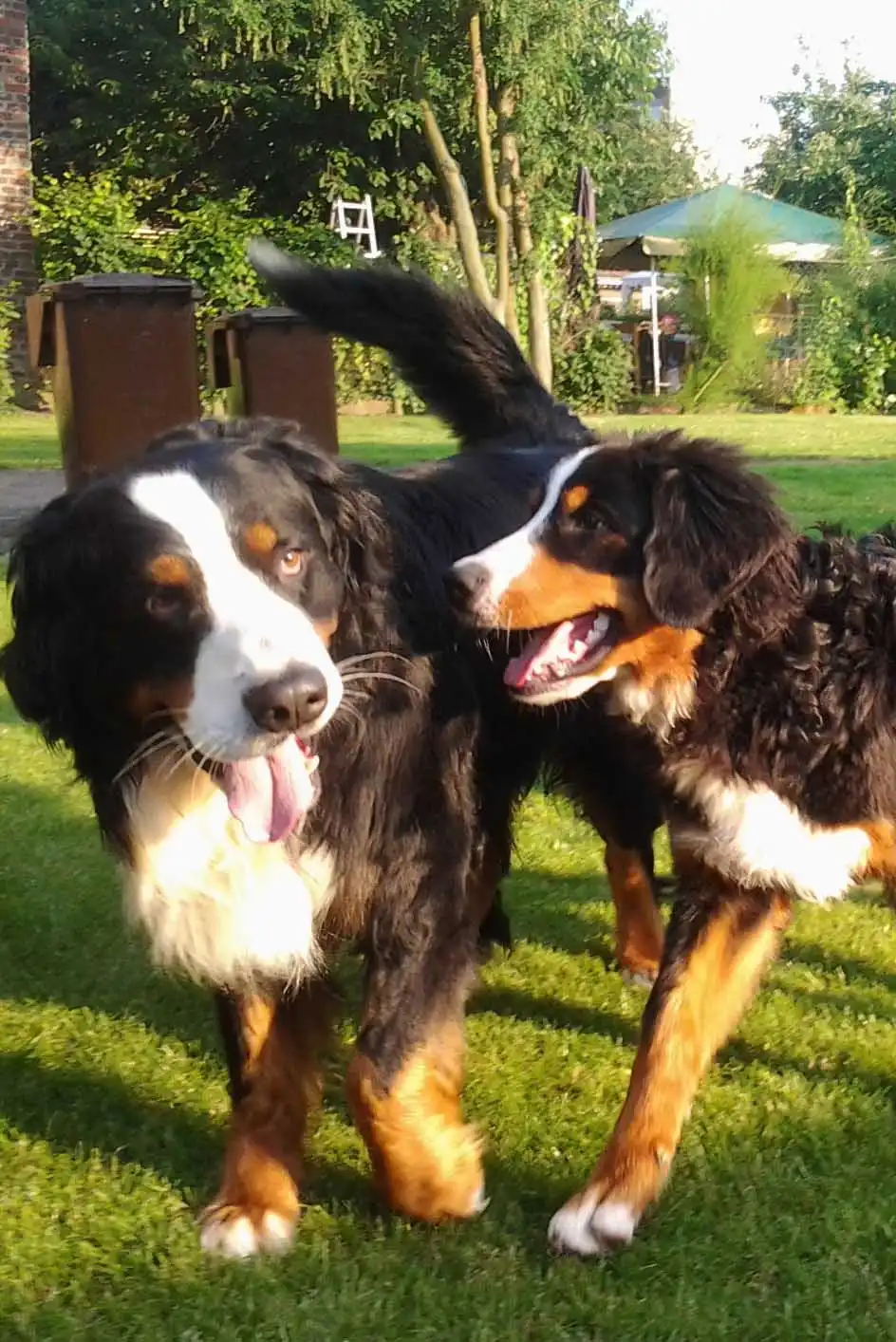
The Bernese Mountain Dog, known for its luxurious long coat, requires consistent grooming. This breed tends to shed year-round, with more noticeable shedding during seasonal transitions. By brushing your dog several times a week, you can keep its coat looking shiny and clean, effectively removing dirt. This grooming routine means that frequent baths are unnecessary—typically, four to five baths a year will suffice unless your dog becomes especially dirty. Essential grooming tools include a stainless steel pin brush, a slicker brush, and a fine-toothed stainless steel comb. In addition to regular brushing, it’s important to trim your dog’s nails and keep its ears clean. Bernese Mountain Dogs are prone to dental problems, so maintaining their oral health is vital, whether through chew toys, sticks, or regular brushing. Another key concern for this breed is the risk of obesity, making it essential to avoid overfeeding, regardless of your dog’s size. Always follow feeding guidelines and consult your veterinarian to establish the best diet for your Bernese, ensuring a happy and healthy life together.
Behavior & Temperament
It’s difficult not to be enchanted by the charming personality of a Bernese Mountain Dog. These dogs are not only affectionate and smart but also exhibit a gentle nature. Their serene temperament makes them wonderful companions for families with children, and their playful spirit ensures that there’s always something fun happening. While they love to play, Berners are not excessively energetic, which makes training and daily interactions more manageable. Though they are protective of their families, they typically do not display aggression. You may find that your Bernese tends to be somewhat shy around new people, so it’s important to introduce him to a variety of individuals and settings during his early development. This socialization will foster a well-rounded and patient adult dog. Training is essential for Bernese Mountain Dogs, as they can become difficult to handle once they reach their full size and weight. Emphasizing leash training and teaching self-discipline will be advantageous for anyone who brings this breed into their home.
Play & Exercise
Things to Know
Cups Per Day
2.5 Cups
Daily Activity
60 Minutes
Average Lifespan
9 Years
Origin
ancient times
Type
Pure Breeds
Size
Large
Origin Country
Switzerland
Brush Frequency
Weekly
Coat Texture
Wavy
Register
Your kids have been begging for a pet forever, and you've recently decided that it's time for your family to get a new addition -- a dog! While everyone is excited for the new arrival, you're wondering if you need to have a dog license. How much does it cost? Is it required? Where do you get one?
Member Clubs

PETINNATE
Guardian Dog

AKC
Working Group

UKC
Guardian Dog
Height & Weight
Weight
95 lbs (43 kg)Male: 105 lbs (48 kg) , Female: 85 lbs (39 kg)
Height
26 inches (66 sm)Male: 27 inches (69 sm) , Female: 25 inches (64 sm)
6 Months
35 lbs ( m 35 lbs, f 35 lbs )
13 inches ( m 13 inches, f 13 inches )
12 Months
55 lbs ( m 55 lbs, f 55 lbs )
16 inches ( m 16 inches, f 16 inches )
18 Months
85 lbs ( m 85 lbs, f 85 lbs )
20 inches ( m 20 inches, f 20 inches )
Eye Colors
Brown

Nose Colors
Black
Coat Colors
Black
Brown
White
Characteristics
Mixes
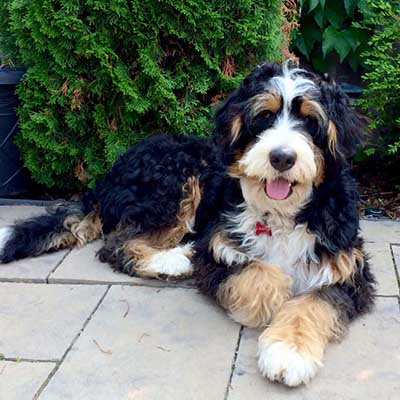
Bernedoodle
The Bernedoodle is a mixed breed resulting from the crossbreeding of Bernese Mountain Dogs and Poodles. The Bernese Mountain Dog originates from Switzerland, while the Poodle has its beginnings in Germany and France. Bernedoodles come in three different sizes, determined by whether the Poodle parent is a toy, miniature, or standard type. The height of Toy Bernedoodles ranges from 12 to 17 inches, Mini Bernedoodles from 18 to 22 inches, and Standard Bernedoodles from 23 to 29 inches, with weights varying from 10 to 90 pounds depending on their size. Although the toy and mini versions may display higher energy levels and a bit of stubbornness, Bernedoodles are generally recognized for their playful and loving demeanor. They thrive on interaction with children and cherish quality time with their families. Due to their strong need for companionship, they struggle when left alone for long periods. Furthermore, they can be wary of strangers, making early socialization essential. Their coats can be long and wavy, curly, or straight; typically, the wavy and curly varieties shed very little, while the straight coats tend to shed more.
Read more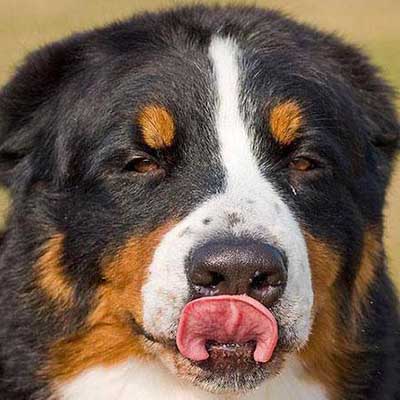
Bernefie
The Bernefie is a hybrid dog breed resulting from the crossbreeding of the Bernese Mountain Dog and the Newfoundland. Both of these sizable breeds are recognized for their thick fur, which allows them to adapt well to cold and temperate environments. Historically, each breed was developed for specific working purposes, such as draft work, herding, and various farm activities. They are characterized by shared qualities, including gentleness, loyalty, affection, and intelligence. To care for their long, dense coats, regular daily brushing is essential to reduce shedding, prevent matting, and maintain cleanliness. The Bernese Mountain Dog originates from Switzerland's agricultural areas, while the Newfoundland comes from the island of the same name.
Read more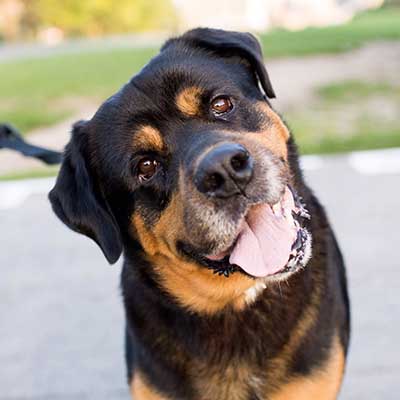
Bernese Rottie
The Bernese Rottie, commonly known as the Bernweiler, is a large hybrid breed resulting from the combination of a Bernese Mountain Dog and a Rottweiler. These dogs are celebrated for their loyalty, playful demeanor, and affectionate temperament, making them fantastic family companions. However, they do need proper socialization to thrive. Like many breeds, they can be prone to specific health concerns, such as obesity, which underscores the importance of daily exercise ranging from 30 to 60 minutes. With a striking look that showcases traits from both parent breeds, they feature prominent heads and robust, athletic builds. Today, this designer breed is valued not only as a protective and working dog but also as a delightful companion.
Read more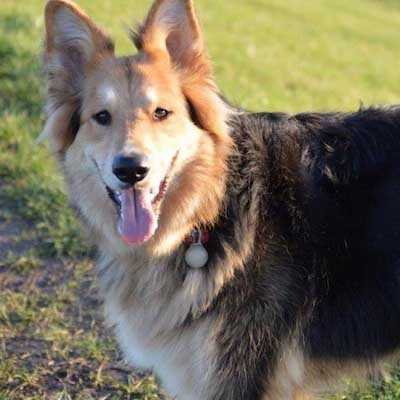
Euro Mountain Sheparnese
The Euro Mountain Sheparnese is a hybrid breed that results from crossing a German Shepherd with a Bernese Mountain Dog. Both parent breeds are known for their substantial size, with the Bernese Mountain Dog being particularly large. Generally, the Euro Mountain Sheparnese exhibits many physical traits of the Bernese Mountain Dog, but its size and weight can vary significantly based on the genetic influence of its parents. Originally bred as a companion animal, this designer dog also excels as a guard dog, thanks to its impressive stature and alert nature. However, predicting the specific characteristics of this hybrid can be difficult due to the limited information available, prompting many prospective owners to research the traits of the parent breeds for guidance on expected behaviors. While the Euro Mountain Sheparnese is not widely recognized, it is acknowledged by several organizations, such as the American Canine Hybrid Club, the Designer Breed Registry, the Designer Dogs Kennel Club, and the Dog Registry of America.
Read more
Labernese
The Labernese is a mixed breed that results from the combination of a Labrador Retriever and a Bernese Mountain Dog. These large, friendly dogs flourish in family settings and struggle when left alone for long periods, often leading to separation anxiety and potentially destructive behavior. Renowned for their gentle temperament, calm disposition, and intelligence, Labernese dogs were initially bred to support individuals who are blind or disabled, making them wonderful family companions. They typically get along well with children and need regular physical activity to stay healthy and content. However, a notable downside of this breed is its relatively brief lifespan. Their coats come in common colors such as black, yellow, chocolate, and white, with patterns that can be solid, bi-colored, or tri-colored. The fur is thick, soft, long, and wavy.
Read more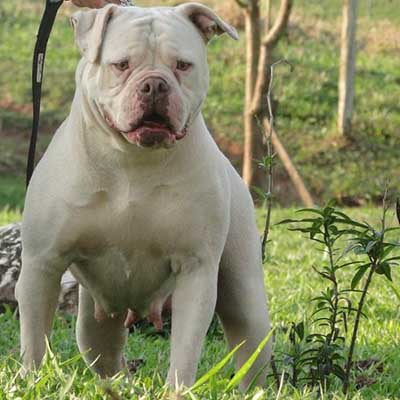
Mountain Bulldog
The Mountain Bulldog is a large hybrid breed created by crossing the English Bulldog with the Bernese Mountain Dog. Since these breeds are mainly acknowledged by American dog organizations, it is probable that the Mountain Bulldog was developed in the United States. These hybrids have a strong and muscular physique, which can appear intimidating to those unfamiliar with them. However, they are recognized for their friendly and playful demeanor, making them excellent companions for families with children and other animals. This breed is quite versatile and can flourish in different living situations, although their dense coats indicate a preference for cooler weather.
Read more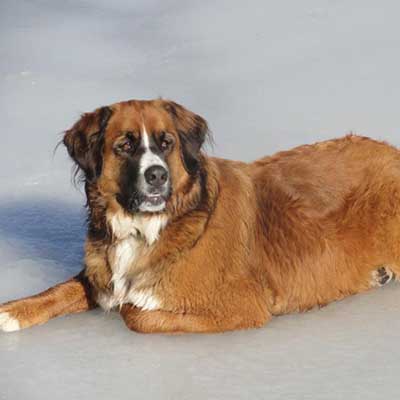
Mountain Mastiff
The Mountain Mastiff is a hybrid breed resulting from the combination of a Bernese Mountain Dog and a Mastiff. Weighing in at an impressive 150 to 200 pounds, these dogs are notable for their large stature. However, what truly sets them apart is their affectionate, gentle, and loyal nature towards their families. As guardians, their size and inherent caution around strangers equip them well for protection duties. They also demonstrate skills in tracking and weight pulling. Although they are intelligent, their sensitivity necessitates a gentle training approach. These devoted companions flourish in a family setting, making them exceptional pets.
Read more