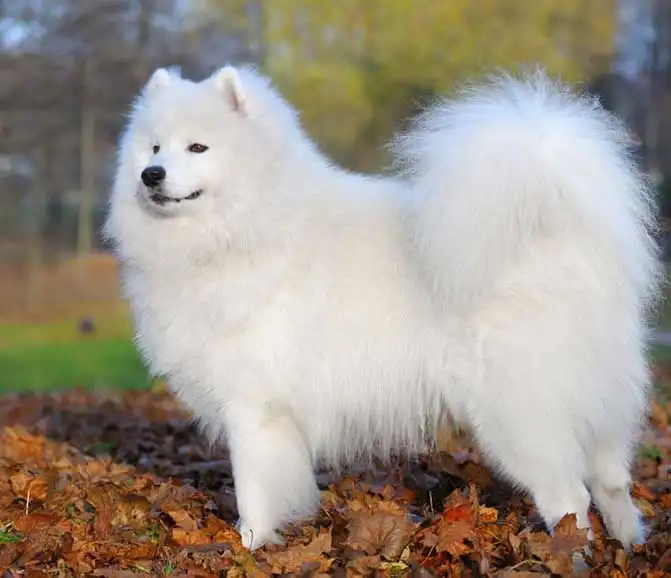
Samoyed
Samoiedskaia Sabaka, Samoyedskaya, Sami, Sammy
The Samoyed is a breed characterized by its gentle temperament, intelligence, and unwavering loyalty, thriving on close bonds with its family. Renowned for their affectionate nature, especially towards children, these dogs eagerly engage in family activities. With their distinctive ‘Sammy smile’ and a penchant for human interaction, they are charming companions full of personality. However, their stunning coat demands considerable maintenance, particularly during shedding periods, when you can expect fur to be found on your clothes, furniture, and bedding. While their friendly disposition is endearing, it’s important to remember that Samoyeds were initially bred for hunting, and this instinct is still very much alive. They may chase after small animals, including the neighbor’s cat. If you have a cat, it’s essential to introduce them to the Samoyed while the dog is still a puppy, and even then, close supervision is advisable. When taking them for walks, these spirited dogs should always be kept on a leash due to their strong chasing instincts. Samoyeds are also quite vocal, often communicating through howls, barks, or grumbles. They respond best to varied training techniques, as they can quickly lose interest in repetitive tasks, which can make training a bit more challenging. Activities that engage their minds, such as agility and tracking, are particularly beneficial. This breed is full of energy and always eager for adventure, requiring plenty of space to run and play, making them less suitable for small living environments. Although they may not be the simplest breed to care for, their delightful personalities more than make up for the grooming they require.
Breed Origin
The Samoyed is a breed with deep historical roots, closely resembling early canine forms. Its genetic background is devoid of any wolf or fox lineage. Hailing from Siberia, these dogs played a vital role in the lives of the Samoyed people, who were engaged in hunting and fishing. They fulfilled various roles, such as pulling sleds, protecting property, and herding reindeer. Renowned for their strong herding instincts, Samoyeds can even gently guide children to their intended destinations. Their thick fur not only provided insulation but also enabled them to share warmth with their human companions, often curling up beside them at night. The breed is characterized by a dense double coat, featuring a soft undercoat that makes them delightful companions. In 1889, explorer Robert Scott brought Samoyeds to England. Although it’s possible that fur traders seeking sable may have introduced the breed to the West earlier, there is no concrete evidence to support this. In England, the breed continued to develop and eventually spread worldwide. Today, only twelve dogs are recognized as the foundation of the Samoyed breed, which received official recognition from the AKC in 1906.
Breed Appearance
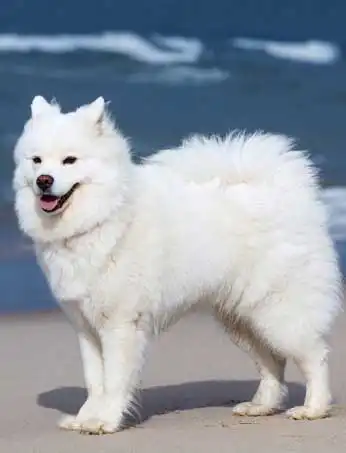
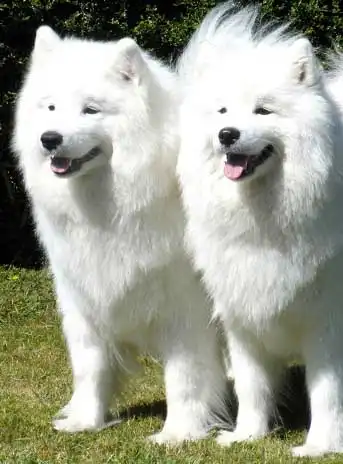
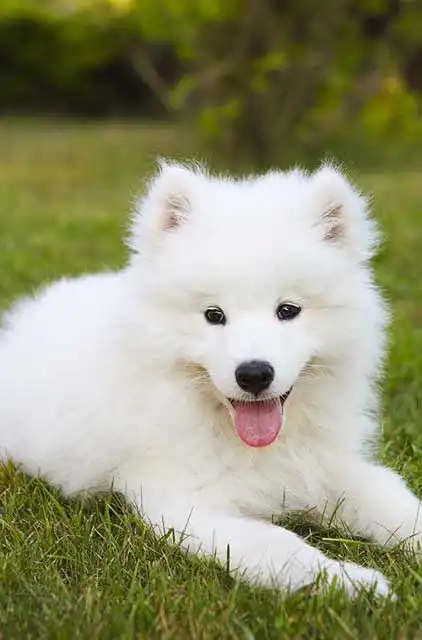
This breed is not only remarkably beautiful but also highly functional, having been originally developed for work purposes. The Samoyed is characterized by its dense, protective double coat, which allows it to excel in severe weather, particularly in cold environments. Its physique is compact and muscular, complemented by a broad, slightly rounded wedge-shaped head. The muzzle is proportionate to its overall size, featuring a tapering nose that can be black, brown, or liver-colored, paired with black lips. One of the breed's most endearing qualities is its constant smile, which serves a practical function: the upward-turned corners of its mouth help minimize drooling and prevent icicle formation in icy conditions, enhancing its friendly and charming appearance. The Samoyed's dark, almond-shaped eyes are set deep within slanting dark eye rims, while its ears are erect and triangular. Its moderately long, fur-covered tail is carried curled over its back, and its strong, muscular legs end in flat feet with short, thick hair. Together, these features, along with their distinctive thick double coat, create an impressive look. Samoyeds are available in various colors, including pure white, biscuit, yellow, and cream, and are further distinguished by a ruff of fur around their neck and shoulders that elegantly frames their head.
Care Routine
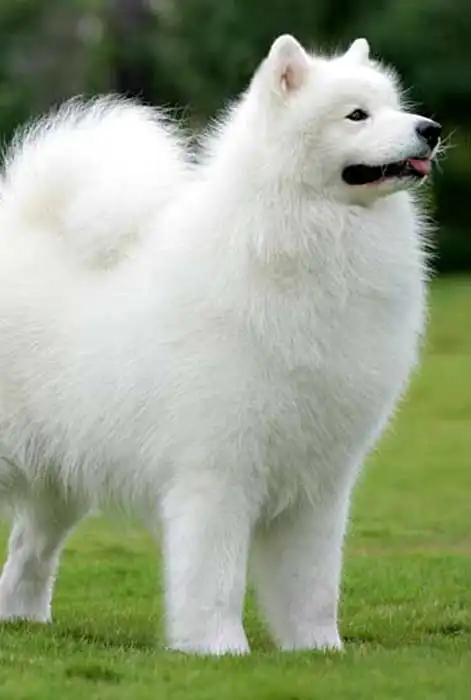
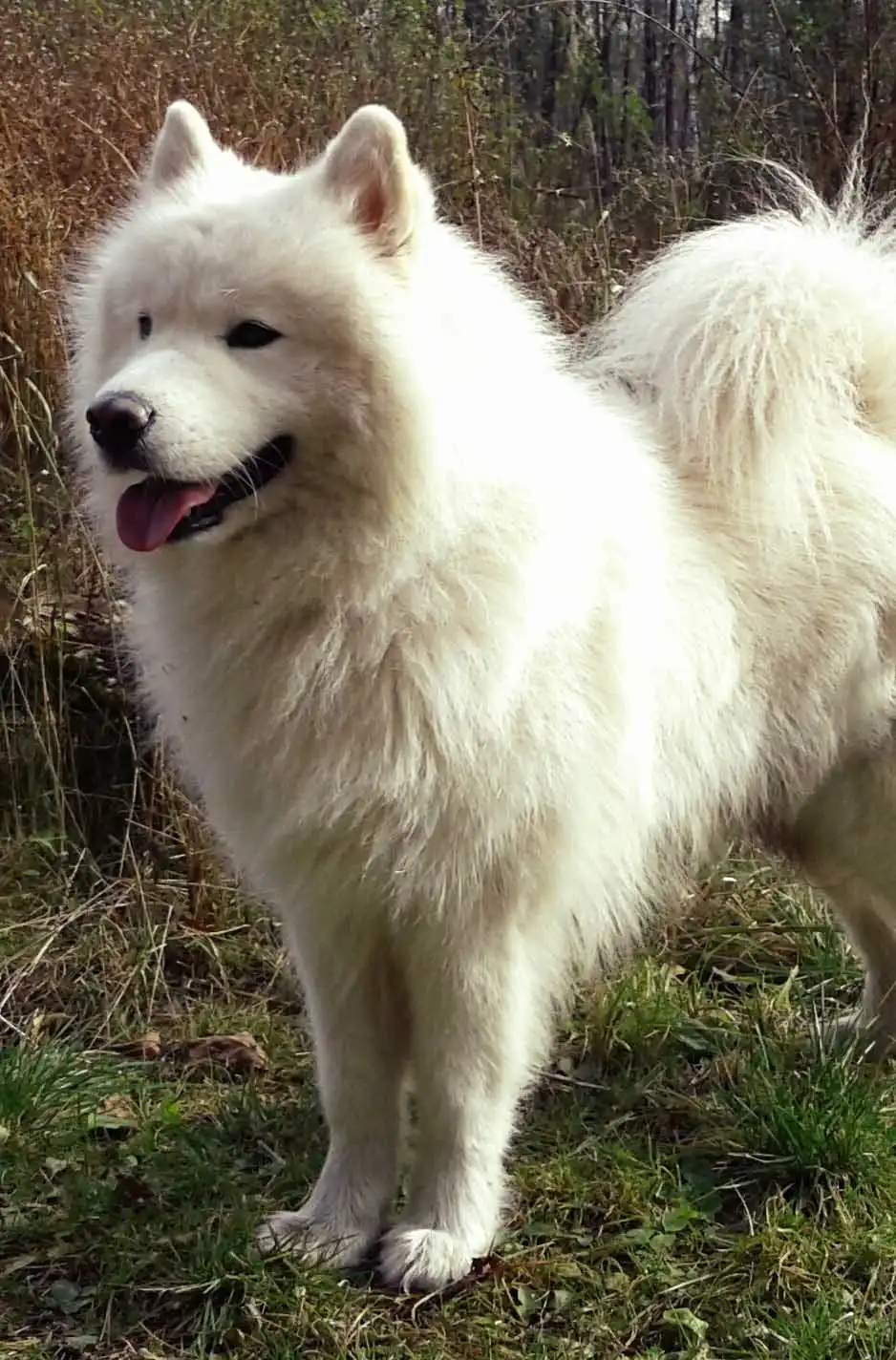
It is clear that their beautiful, thick fur demands considerable grooming. They undergo significant shedding during seasonal changes, making regular brushing crucial to avoid matting and to eliminate any debris that may get caught in their lush coat. In warmer climates, it’s vital to check their fur for ticks or fleas, as these dogs often remain stoic and may not show signs of illness. This behavior likely stems from a survival instinct; displaying signs of sickness could expose them to aggression from their pack. Typically, their coat stays white without the need for frequent baths, which are only required if they’ve rolled in mud or picked up unpleasant smells. These energetic dogs require daily exercise to support their physical and mental health. Additionally, routine care should involve inspecting their ears and eyes for potential health issues and trimming their nails if they grow too long. This breed does not adapt well to extremely hot environments.
Behavior & Temperament
This breed is celebrated for its loyalty, friendliness, and gentle demeanor, making them delightful and easygoing companions for all. Although Samoyeds are not ideal guard dogs, they will notify you of unfamiliar visitors. They have a particular affection for children and adapt seamlessly to family life. Highly intelligent, these dogs thrive under the guidance of a leader who is both firm and fair, highlighting the importance of early socialization and training. If granted too much freedom, they may exhibit behavioral issues, such as excessive barking. Samoyeds need plenty of mental stimulation and physical exercise. With appropriate direction and clear boundaries, they are joyful, lively, and sociable. While they generally prefer to avoid conflict, they can assert themselves when needed. However, they have a tendency to chew on various objects, especially in their younger years. When left alone for long periods, they can become quite destructive. Additionally, they have a strong hunting instinct, so caution is warranted around smaller animals, although they usually coexist well with them if raised together from an early age.
Play & Exercise
Things to Know
Cups Per Day
2.8 Cups
Daily Activity
60 Minutes
Average Lifespan
11 Years
Origin
ancient times
Type
Pure Breeds
Size
Medium
Origin Country
Russia (Siberia)
Brush Frequency
Weekly
Coat Texture
Straight
Register
Your kids have been begging for a pet forever, and you've recently decided that it's time for your family to get a new addition -- a dog! While everyone is excited for the new arrival, you're wondering if you need to have a dog license. How much does it cost? Is it required? Where do you get one?
Member Clubs

PETINNATE
Northern Breed

AKC
Working Group

UKC
Northern Breed
Height & Weight
Weight
49 lbs (22 kg)Male: 55 lbs (25 kg) , Female: 43 lbs (20 kg)
Height
21 inches (53 sm)Male: 22 inches (56 sm) , Female: 20 inches (51 sm)
6 Months
27 lbs ( m 27 lbs, f 27 lbs )
17 inches ( m 17 inches, f 17 inches )
12 Months
37 lbs ( m 37 lbs, f 37 lbs )
20 inches ( m 20 inches, f 20 inches )
18 Months
42 lbs ( m 42 lbs, f 42 lbs )
20 inches ( m 20 inches, f 20 inches )
Eye Colors
Brown

Nose Colors
Black
Coat Colors
White
Cream
Characteristics
Mixes
Golden Sammy
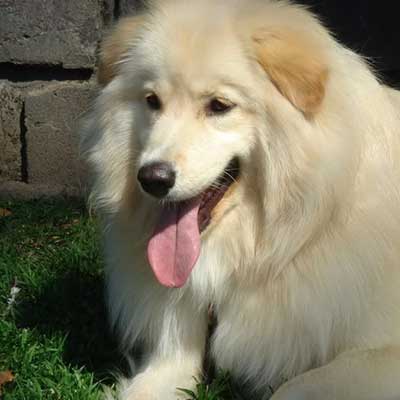
The Golden Sammy is a charming hybrid breed that emerges from the crossbreeding of a Samoyed and a Golden Retriever. Renowned for their friendly nature and well-rounded temperament, these dogs make for some of the most delightful companions available. They inherit the size and facial characteristics of the Golden Retriever while showcasing the luxurious coat typical of the Samoyed. This breed is known for its athleticism, loyalty, gentleness, high energy, playfulness, and a strong eagerness to please. Training a Golden Sammy is generally a simple endeavor, making it an ideal option for novice dog owners who will find the process both enjoyable and manageable. Both parent breeds are not prone to excessive barking, and the Golden Sammy usually barks only when necessary, which makes them suitable for smaller living environments or homes with nearby neighbors. It’s essential to keep in mind that these dogs have dense fur, which can cause them to overheat, so they thrive best in cooler climates. In summary, the Golden Sammy is an excellent family dog, perfectly suited for homes with children and other pets, and will undoubtedly be a wonderful addition to any household.
Read more