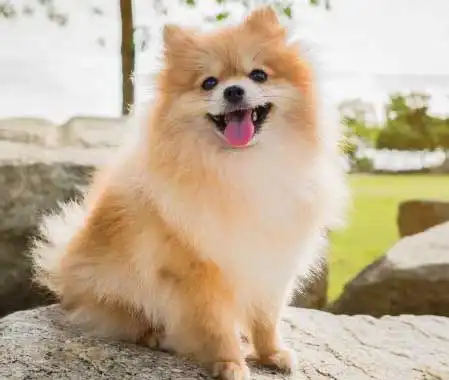
Pomeranian
Pom, Pom Pom, Zwergspitz, Zwers, Spitz Enano, Spitz Main, Deustche Spitze, Loulou
The Pomeranian is an enchanting little dog known for its lively character. Despite their petite size, they possess a boundless heart and spirit. These feisty pups often display such self-assurance that they will confront much larger dogs, seemingly oblivious to their own smallness. In addition to their bold nature, Pomeranians typically get along well with children and other pets. Their frequent and boisterous barking makes them excellent watchdogs, though they do need proper training to keep this behavior in check. With a variety of nicknames and coat colors, they are sure to add happiness to your life. Historically, Pomeranians could weigh as much as 30 pounds and were used as sheepdogs. Nowadays, they are much smaller but continue to excel in activities like obedience, agility, therapy, flyball, and tracking, all while being loving companions.
Breed Origin
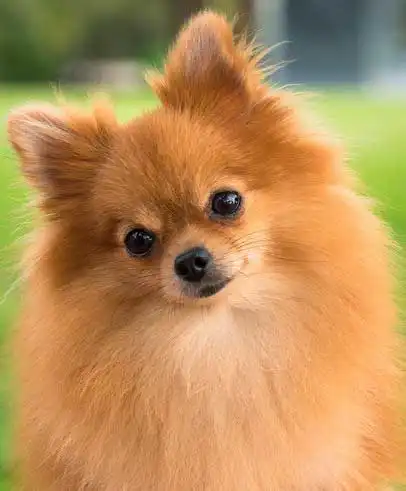
Pomeranians trace their roots back to the Pomerania region of Germany, which is where they derive their name. These dogs are descendants of ancient Spitz breeds from northern areas. Breeds closely related to Pomeranians include the Norwegian Elkhound, German Spitz, Samoyed, American Eskimo Dog, and Schipperke. Historically, Pomeranians were much larger than the ones we see today, weighing up to 30 pounds, and were primarily used as sheepdogs. Their journey to England began in 1761 when Queen Charlotte brought two Pomeranians with her after marrying King George III. However, it was during the reign of her daughter, Queen Victoria, that these dogs truly captured public attention. Queen Victoria developed a fondness for Pomeranians after visiting Italy in 1888, and the first Pomeranians to be exhibited at dog shows were hers, which significantly boosted their popularity. Between 1900 and 1930, Pomeranians became a staple at dog shows, during which time they also shrank in size, enhancing their unique coat and stature. The variety of colors expanded as well, with orange being added to the existing palette of black, white, chocolate, and blue. The American Kennel Club registered its first Pomeranian in 1888, and by 1900, the breed had rapidly gained popularity in the United States. The American Pomeranian Club was founded in 1909.
Breed Appearance
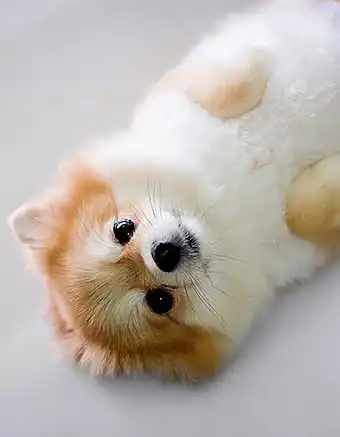
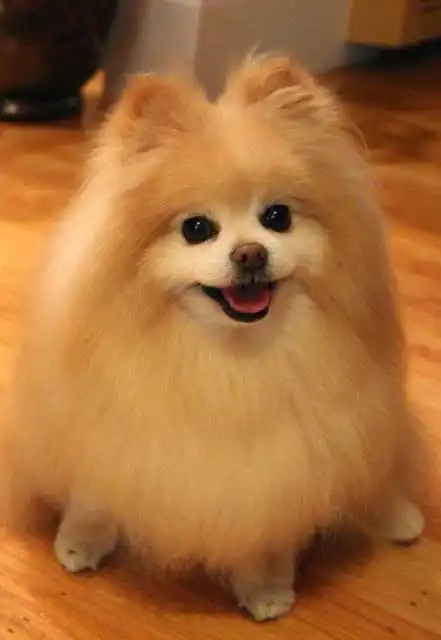
These petite, toy-like dogs are adorned with a luxurious double coat, consisting of a soft, fluffy undercoat and a long, glossy outer layer. The longest fur is prominently located around their neck and chest, creating an endearing ruff that beautifully frames their face. A distinctive feature of the breed, their tails lie flat and elegantly arch over their backs; however, it takes several months for these tails to reach their full fluffiness, as puppies are not born with this characteristic. Pomeranians come in a diverse range of patterns, including brindle and parti-color, showcasing a wide variety of color combinations. They can be found in shades such as chocolate, tan, sable, blue, orange, black, white, cream, red, silver, gray, fawn, brown, or a blend of these colors. Their heads are wedge-shaped, with high-set, erect ears, and their noses can either be dark or match the coat color. Pomeranians possess dark, almond-shaped eyes and straight muzzles with well-defined stops, and their teeth meet in a scissors bite.
Care Routine
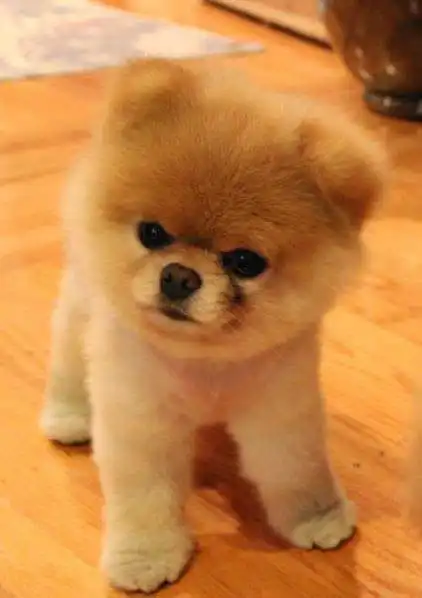
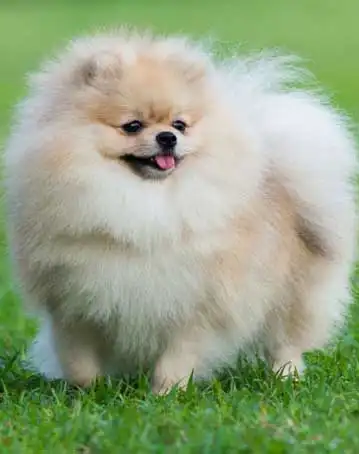
Due to their compact size, these dogs are well-suited for living in apartments or smaller homes that may not have fenced yards. They require a moderate level of daily exercise, which can be achieved through several walks or play sessions. While longer walks are advantageous, it’s important to keep in mind that their small size makes them vulnerable to extreme heat, so opting for shorter walks in such weather is advisable. These dogs love to play with toys but can lose interest quickly, so rotating their toys can help keep them stimulated. Choosing toys that present a challenge will further enhance their playtime enjoyment. Feeding should be done twice a day, providing a total of ¼ to ½ cup of food. Grooming is also essential; use a wire slicker brush and a metal comb twice a week to keep their coat in good condition. Make sure to brush down to the skin to effectively distribute natural oils and remove any undercoat. Begin at the head, part the hair, and brush it forward with the comb. While some owners opt to trim their Pomeranian’s fur around the ears, face, hindquarters, and feet, this is not a requirement. Regular bathing is not necessary; you can bathe them as often as you like. Additionally, it’s crucial to maintain dental hygiene and manage nail trimming. Aim to brush their teeth daily, or at least once a week, and take care of their nails as needed.
Behavior & Temperament
These lively little dogs are quite clever and love meeting new people and animals alike. Although they are small, they sometimes try to stand their ground against bigger dogs, a tendency that should be discouraged. Their petite size doesn’t prevent them from being effective watchdogs; they are quick to bark at any sign of potential danger thanks to their sharp instincts. However, this barking can become excessive, so it’s essential to train them to be quiet on command. Pomeranians are fast learners and can easily pick up new tricks, making training enjoyable for both you and your pet. Remember that their attention spans are short, so it’s best to keep training sessions brief and engaging. Always reward your Pomeranian with praise, treats, or playtime when they succeed. They typically get along well with children, but for their safety, it’s wise to have them around older kids who know how to interact gently. Their small size makes them susceptible to injury if mishandled, such as being dropped or stepped on. Additionally, they usually get along with other pets, including cats. The main concern is that Pomeranians might unintentionally provoke larger dogs, as they often don’t recognize their own size and may challenge them.
Play & Exercise
Things to Know
Cups Per Day
1.0 Cups
Daily Activity
40 Minutes
Average Lifespan
14 Years
Origin
1800s
Type
Pure Breeds
Size
Small
Origin Country
Germany
Brush Frequency
Daily
Coat Texture
Straight
Register
Your kids have been begging for a pet forever, and you've recently decided that it's time for your family to get a new addition -- a dog! While everyone is excited for the new arrival, you're wondering if you need to have a dog license. How much does it cost? Is it required? Where do you get one?
Member Clubs

PETINNATE
Companion Dog

AKC
Toy Group

UKC
Companion Dog
Height & Weight
Weight
5 lbs (2 kg)Male: 5 lbs (2 kg) , Female: 5 lbs (2 kg)
Height
10 inches (25 sm)Male: 10 inches (25 sm) , Female: 10 inches (25 sm)
6 Months
3 lbs ( m 3 lbs, f 3 lbs )
4 inches ( m 4 inches, f 4 inches )
12 Months
4 lbs ( m 4 lbs, f 4 lbs )
7 inches ( m 7 inches, f 7 inches )
18 Months
5 lbs ( m 5 lbs, f 5 lbs )
8 inches ( m 8 inches, f 8 inches )
Eye Colors
Blue

Brown
Nose Colors
Black
Brown
Isabella
Coat Colors
White
Black

Gray

Fawn

Brown

Characteristics
Mixes
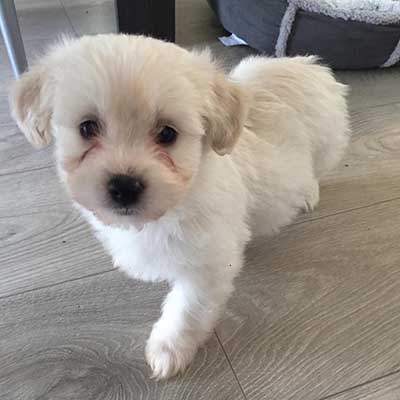
Bichon-A-Ranian
The Bichon-A-Ranian is an enchanting blend of two popular breeds: the spirited Pomeranian and the loving Bichon Frise. With both parent breeds being small and intelligent, you can anticipate that the Bichon-A-Ranian will inherit these qualities. They adapt well to apartment living, as long as they receive 40 to 60 minutes of exercise each day. It's crucial to keep an eye on their activity and diet, as they can easily become overweight if not exercised adequately or if overfed; a daily serving of ½ to 1 cup of dry kibble is advisable. While the Bichon Frise is recognized for its hypoallergenic properties, the Pomeranian lacks this trait, suggesting that the Bichon-A-Ranian may not be hypoallergenic either. These delightful little dogs are bound to win your affection and make excellent companions.
Read more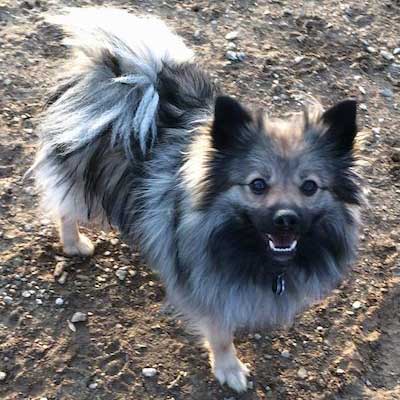
Black Mouth Pom Cur
The Black Mouth Pom Cur is a hybrid breed that emerges from the crossbreeding of the Black Mouth Cur and the Pomeranian. This distinctive mix combines the hunting prowess of the Black Mouth Cur with the playful demeanor of the small-sized Pomeranian. Generally, the Black Mouth Pom Cur tends to be larger than a Pomeranian, yet it often boasts the long, luxurious fur typical of its Pomeranian lineage. The Black Mouth Cur is a relatively new breed, originating in 1964, while the Pomeranian has a lineage that dates back to ancient Spitz breeds, including connections to the Samoyed, American Eskimo Dog, and German Spitz. Historically, early Pomeranians weighed around thirty pounds, which aligns closely with the anticipated weight of the Black Mouth Pom Cur. Both parent breeds are recognized for their intelligence and ease of training. The Pomeranian, in particular, is known for its spirited and sometimes audacious personality, often behaving as if it were a much larger dog, which can lead to altercations with other dogs. Additionally, Pomeranians are quite vocal. Given that the Black Mouth Pom Cur is likely to inherit a long coat, consistent grooming will be crucial to keep its fur healthy and well-maintained.
Read more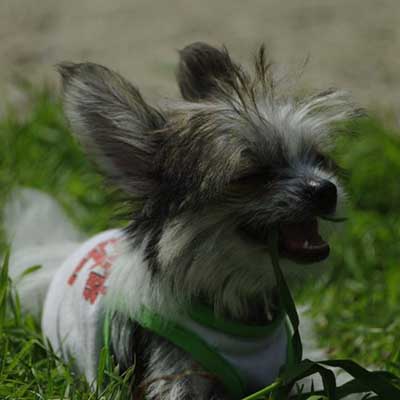
Chinaranian
The Chinaranian is a designer dog breed that emerges from the combination of a Chinese Crested and a Pomeranian. This breed is known for its diverse color palette, which can include shades like brown, black, cream, blue, and grey, often appearing in either solid or mixed patterns. Typically, the coat is short and its texture can range from thick to fine, influenced by the traits inherited from its parent breeds. Regular grooming is essential to keep the Chinaranian looking its best. Commonly known as a Crested Pom, this small and loving dog usually weighs around 10 pounds. Despite its diminutive stature, it needs regular exercise to stay healthy. While Chinaranians generally get along well with older children, they may not be the ideal pet for families with very young kids, as small children might accidentally injure them.
Read more
Cockeranian
The Cockeranian is an enchanting hybrid that merges the English Cocker Spaniel with the Pomeranian. This eye-catching breed is not only visually appealing but also requires a significant amount of care and attention. As an energetic and affectionate companion, the Cockeranian is bound to make a memorable impact. Being a small to medium-sized dog, it adapts well to different living environments; however, due to its high energy, having a yard is recommended to help channel its enthusiasm. Both parent breeds boast beautiful coats that necessitate regular grooming, so be ready for frequent brushing sessions. No matter your living situation or family structure, the Cockeranian can easily fit into any home. It’s essential to provide proper training and socialization, as without it, they may develop habits like excessive barking and other unwanted behaviors. In conclusion, if you’re looking for a loving and lively companion, the Cockeranian might just be the ideal choice for you.
Read more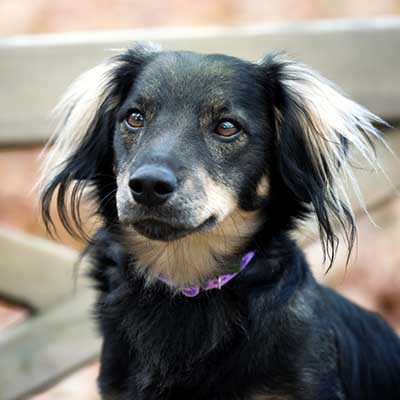
Dameranian
The Dameranian is a mixed breed resulting from the combination of a Dachshund and a Pomeranian. Typically, this dog falls within the small to medium size category, reflecting the dimensions of its parent breeds. Renowned for its loving disposition, the Dameranian often develops deep bonds with its family, frequently showing a preference for one specific individual. This breed is often characterized as "sociable." Although they do shed, their grooming needs are moderate to maintain a healthy coat. If left alone for long periods, they may suffer from separation anxiety. Thanks to their Pomeranian heritage, they can be quite vocal, yet they usually coexist harmoniously with other dogs and pets. The Dameranian is versatile and adapts well to different living situations.
Read more
Maltipom
The Maltipom is a charming blend of two loving purebred breeds: the attentive Maltese and the clever, gentle Pomeranian. This hybrid dog is recognized by five canine organizations and can be known by various names, including Maltipom, Malti-Pom, Pomanese, or Pomamees, depending on the association. Unlike its purebred lineage, the Maltipom does not have a well-documented history, which complicates efforts to determine when it first appeared as a designer breed.
Read more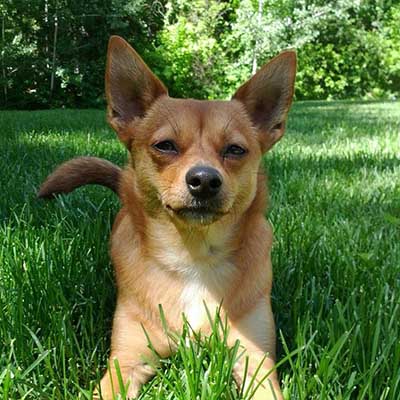
Pineranian
The Pineranian is an enchanting hybrid that results from the combination of two toy breeds: the Miniature Pinscher and the Pomeranian. Generally, this adorable mix reaches a height of about 10 inches and weighs around 10 pounds. Renowned for their friendly disposition, Pineranians are excellent family companions and can live peacefully with other pets, provided they receive proper socialization early on. However, they may show some nipping behavior towards small children if they feel threatened. These dogs are quick to learn and thrive in mastering various tricks, making them ideal candidates for activities such as agility, obedience, and tracking. Their willingness to please and capacity to learn have also made them popular as therapy dogs.
Read more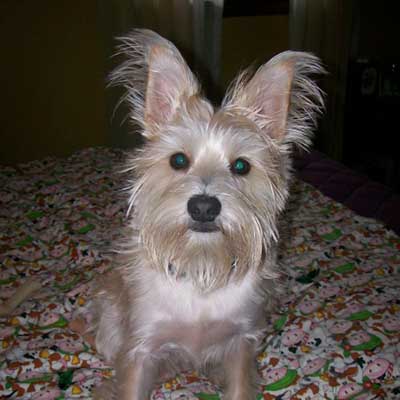
Pom-A-Nauze
The Pom-A-Nauze is an enchanting mix of the Miniature Schnauzer and the Pomeranian. This distinctive crossbreed brings together two German origins, both initially developed for their prowess in rat hunting and pest control, and both originally larger than the small sizes we recognize today. Additionally, these breeds are among the most cherished family pets across the United States. If you’re looking for a lively and compact companion full of personality, your search is over. Keep reading to uncover a treasure trove of fascinating information about this delightful little dog.
Read more
Pomeagle
The Pomeagle is an enchanting hybrid breed resulting from the cross between a Pomeranian and a Beagle. Generally small in stature, these dogs are celebrated for their intelligence, affection, and unwavering loyalty as companions. They enjoy following you around, though their inquisitive nature can sometimes lead them to become sidetracked by captivating sights or enticing scents. Much like young children, they have a strong urge to explore and discover new things. Pomeagles are well-suited for both apartment living and homes with secure, fenced yards—just ensure the fencing is robust enough to keep them from wandering off in search of interesting smells. Training a Pomeagle calls for a combination of firmness and patience, and it should be engaging to hold their attention; otherwise, they might lose interest and turn to other pursuits. They may inherit a touch of stubbornness from their Beagle ancestry, often preferring to follow their own instincts. However, with gentle guidance and understanding, you can earn their affection. When socialized properly from an early age, Pomeagles can become wonderful family pets.
Read more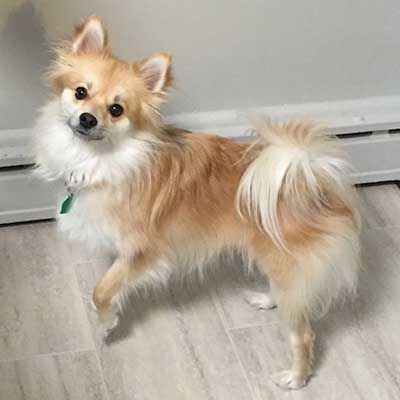
Pomimo
The Pomimo is a lively and spirited small dog that can be a fantastic addition to any household. They are especially great with children of all ages and are celebrated for their loving disposition. This hybrid breed results from crossing a purebred Pomeranian with a purebred American Eskimo, and they are also known as Eskiranians or Eskipoms. Despite their petite size, Pomimos serve as effective watchdogs, alerting their owners with barks at strangers. However, they are quick to warm up to new people and typically get along well with other dogs. These energetic pups need ample exercise and love to explore their surroundings, whether it’s a stroll through the neighborhood or a run on the beach. Their coats can differ, showcasing either the longer fur of the Pomeranian or the shorter, denser fur of the American Eskimo, and they do tend to shed quite a bit. Pomimos come in a wide range of colors, including orange, red, cream, white, black, blue, brown, sable, and tan, often featuring combinations of these hues and brindle patterns.
Read more
Pom-Kee
The Pom-Kee hybrid is an intriguing combination of the Pomeranian and the Keeshond, merging two unique purebred lineages, each with its own background and function. The Pomeranian, which initially originated as a larger herding breed, contrasts with the Keeshond, whose main purpose was to serve as a companion and a watchdog. Nevertheless, during the 17th and 18th centuries, the amiable Keeshond demonstrated its adaptability by also taking on hunting duties, assisting in the management of rat populations and other vermin while protecting ships and their cargo.
Read more
Pom-Silk
The Pom-Silk is a charming hybrid breed that emerges from the crossbreeding of a Silky Terrier and a Pomeranian, resulting in a small dog full of character. This lively and affectionate pet enjoys being close to its owner. Renowned for their intelligence and gentle nature, Pom-Silks are eager to make their owners happy. Their appealing appearance, highlighted by long, soft, and almost fluffy fur, adds to their allure. These spirited little dogs thrive on both physical activity and mental stimulation, which are vital for bringing out their best qualities. They relish engaging in problem-solving games, searching for hidden items, or taking part in agility exercises, all of which keep their minds active and help curb any mischievous tendencies. While they are loving companions, it’s essential not to indulge them excessively, as this can lead to demanding and possessive behaviors, causing them to think they are the leaders of the household. A balanced approach from their owner is key to fostering respect; without it, they may become overly dominant. Moreover, supervision around small children is important unless they have been raised together, ensuring that they understand the household rules and acceptable behaviors. Once they comprehend their place in the family, Pom-Silks can be incredibly affectionate and delightful companions, providing endless entertainment with their playful antics.
Read more
Pomsky
The Pomsky, a popular designer dog breed, is created by crossing a Siberian Husky with a Pomeranian. These dogs are celebrated for their intelligence, playful nature, and occasional stubbornness, often displaying a strong instinct to chase. To prevent potential aggression as they mature, it is crucial to socialize them early on. Generally, Pomskies are small to medium-sized, weighing between 20 and 30 pounds and standing up to 15 inches tall. They are characterized by their beautiful, silky medium-length coats, which typically showcase a combination of two colors. Their eyes can come in various shades, including brown, hazel, blue, or green, and some may even exhibit heterochromia, where each eye is a different color.
Read more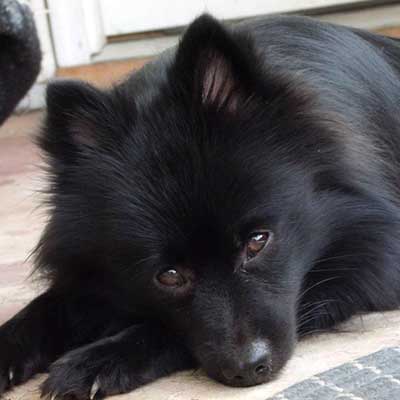
Schip-A-Pom
The Schip-A-Pom, commonly known as the Pomerke, is a meticulously bred designer dog that emerges from the combination of two spirited and inquisitive breeds: the Schipperke and the Pomeranian. These hybrids are celebrated for their energetic and friendly nature, making them excellent companions for adults and older children. However, they might not be the best fit for families with young children, as they can be sensitive to teasing and roughhousing. Grooming these dogs often requires more effort compared to many other breeds. Although they are highly intelligent, training them can sometimes be challenging; they may display stubbornness, distraction, or even manipulative tendencies when they are not motivated to learn.
Read more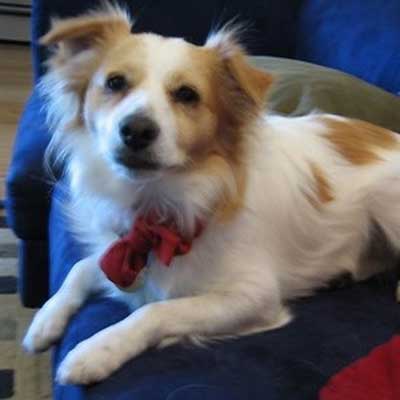
Toy Pom Terrier
The Toy Pom Terrier is a recent hybrid breed, resulting from the combination of a Pomeranian and a Toy Fox Terrier. Renowned for their loyalty and playful disposition, these dogs are wonderful companions but require considerable attention and consistent exercise. Their loving nature makes them perfect lapdogs, thriving on the affection they receive from their owners. However, their small stature may not make them the most suitable option for families with young kids. Many owners characterize the Toy Pom Terrier as an energetic and vibrant addition to the family.
Read more
Wire Pom Terrier
Wire Pom Terriers are a compact breed celebrated for their insatiable curiosity. With a strong desire for attention and a bold demeanor, these insightful companions will fill your home with happiness and vitality. This unique blend of the Pomeranian and Wire Fox Terrier—both of which have roots in hunting and herding—creates a dog that is not only inquisitive but also inherently brave, never letting their small stature deter them. Although they may show a hint of stubbornness from their Terrier ancestry, these dogs are remarkably intelligent and responsive, often deriving joy from following commands. As charming companions, Wire Pom Terriers are sure to bring joy and warmth into your life!
Read more