Pomeagle
Beagle Pom
The Pomeagle is an enchanting hybrid breed resulting from the cross between a Pomeranian and a Beagle. Generally small in stature, these dogs are celebrated for their intelligence, affection, and unwavering loyalty as companions. They enjoy following you around, though their inquisitive nature can sometimes lead them to become sidetracked by captivating sights or enticing scents. Much like young children, they have a strong urge to explore and discover new things. Pomeagles are well-suited for both apartment living and homes with secure, fenced yards—just ensure the fencing is robust enough to keep them from wandering off in search of interesting smells. Training a Pomeagle calls for a combination of firmness and patience, and it should be engaging to hold their attention; otherwise, they might lose interest and turn to other pursuits. They may inherit a touch of stubbornness from their Beagle ancestry, often preferring to follow their own instincts. However, with gentle guidance and understanding, you can earn their affection. When socialized properly from an early age, Pomeagles can become wonderful family pets.
Breed Origin
The Beagle's history is relatively brief, with the breed as we know it today emerging in the 19th century. References to dogs resembling Beagles date back to ancient Greece around 400 B.C. When the Romans invaded England, they introduced small hounds adept at rabbit hunting. A significant ancestor of the Beagle is thought to be the Talbot Hound, brought to England by William the Conqueror in 1066. Over the centuries, Beagles gained considerable popularity, especially between 1307 and 1509, during the reigns of Edward II and Henry VII, when they were favored for fox hunting. However, their appeal diminished as larger, faster Foxhounds became the preferred choice. Thankfully, farmers in England, Ireland, and Wales continued to breed Beagles for hunting rabbits and hares. In the 1800s, Beagles were introduced to America, where breeders sought to create a smaller variant of the English hound. During this period, Willet Randall in New York developed the Patch Beagle strain, characterized by its striking white coat adorned with large tri-colored spots. The American Kennel Club began registering Beagles in 1884, and since then, their popularity has surged, with Beagles now thriving in various roles, including search and rescue, drug detection, and therapy work. The Pomeranian hails from the Pomerania region and is descended from ancient Spitz breeds. These dogs are distinguished by their wedge-shaped heads, upright ears, and luxurious, fluffy coats. They have long been cherished companions, with notable admirers such as Isaac Newton and Mozart. The breed gained further attention when Princess Charlotte of Pomerania brought two white Pomeranians with her upon marrying an English prince, who would later ascend to the throne as King George III. This royal introduction piqued interest among the elite. However, it was Queen Victoria, a devoted dog lover, who truly elevated the Pomeranian's status as a beloved companion, selectively breeding them to be much smaller than the typical weight of 20 pounds. These tiny dogs quickly captured hearts and remain one of the most popular breeds today. The American Kennel Club officially recognized the Pomeranian in 1909.
Breed Appearance
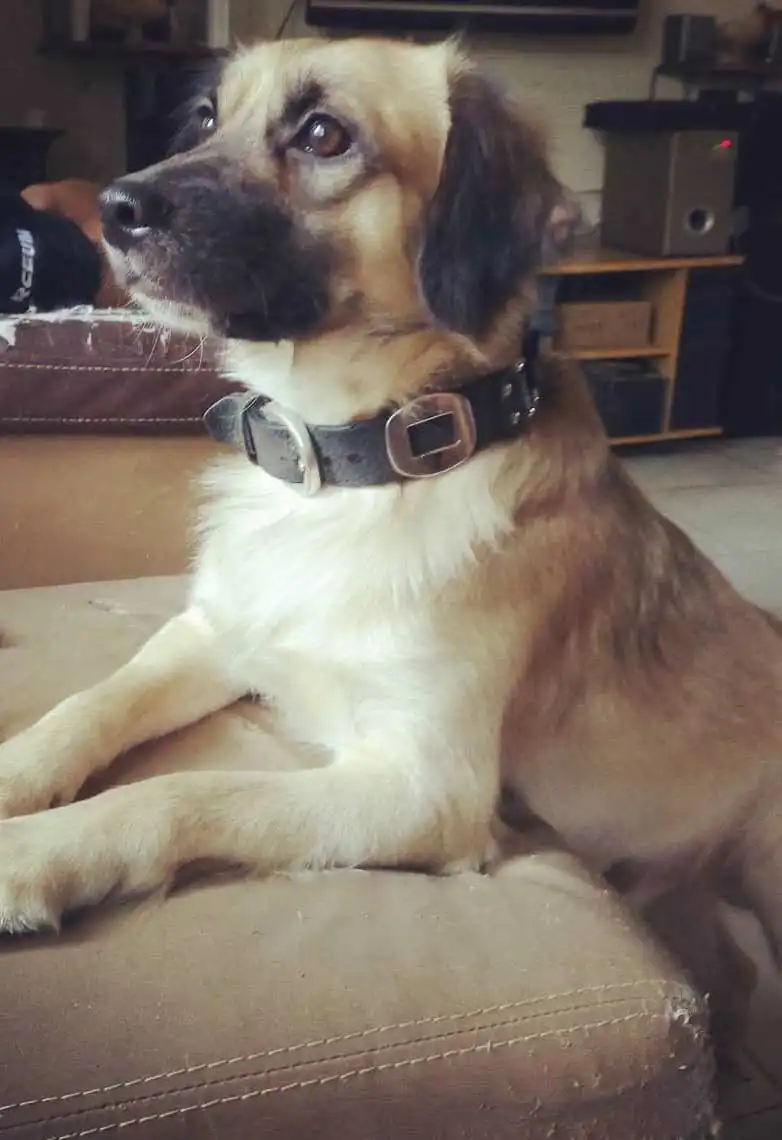
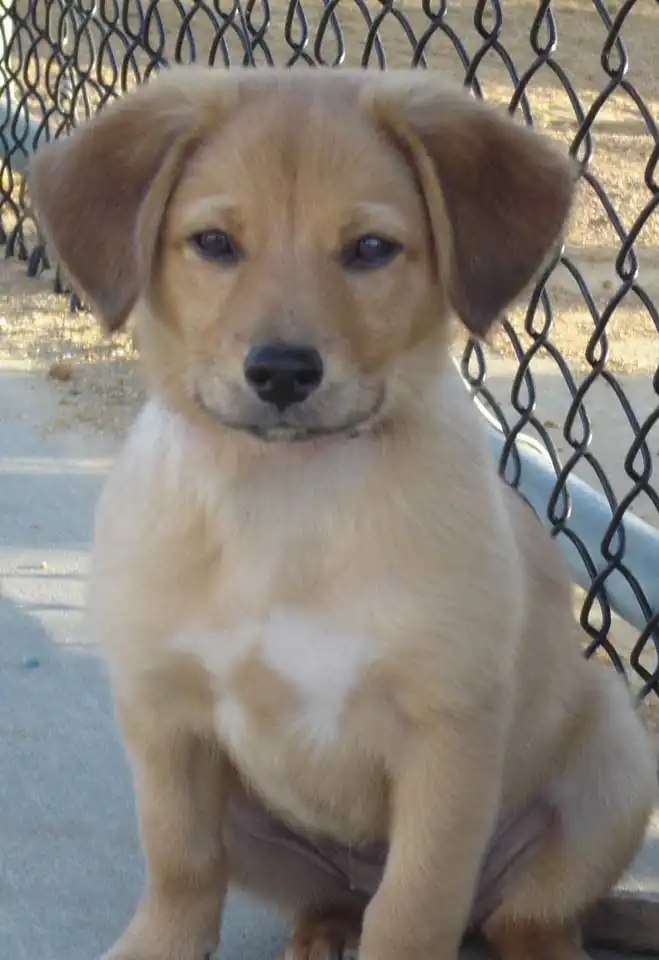
The Pomeagle's appearance can vary widely, even among siblings from the same litter. Some puppies may inherit traits from their Beagle parent, while others may show a stronger resemblance to their Pomeranian heritage. Generally, these dogs are small, though some can grow to sizes similar to that of a Beagle. Pomeagles are characterized by a well-proportioned, slightly squared muzzle, a black button nose, and large, expressive round eyes. Their ears can be either upright or floppy, depending on their genetic makeup. They have a body that is longer than it is tall, supported by slender yet robust legs and small, rounded paws. Their tails are often held high over their backs, and their coats can vary from the sleek fur of a Beagle to the soft, fluffy texture typical of a Pomeranian. Color options include shades like brown, tan, cream, red, brindle, orange, white, and sable. With their striking looks and gentle, affectionate nature, Pomeagles make delightful companions.

Care Routine
To keep your Pomeagle looking its best, it's advisable to brush them every other day. This helps remove loose fur and prevents matting, especially if they have inherited the Pomeranian's coat. A robust bristle brush works well for managing shedding, but be prepared to vacuum more often with a Pomeagle around. Although these small dogs don’t need frequent baths, when you do bathe them, choose a mild dog shampoo to maintain their natural skin oils. If their nails grow too long, trimming will be necessary, and regular brushing will contribute to their dental health. Additionally, it's crucial to check their ears regularly, as dirt and debris can build up and potentially cause infections; a quick wipe with a damp cloth will suffice. Your Pomeagle will likely enjoy this grooming routine and may even remind you when it’s time for another round of pampering.
Behavior & Temperament
The Pomeagle is a lively and affectionate small dog, celebrated for its unwavering loyalty to its owners. These clever pups shine in both show and agility events, demonstrating their quick learning abilities and eagerness to tackle challenges. They adapt well as long as training remains fun, but they are sensitive to their owners' tone, making positive reinforcement crucial. Pomeagles can become anxious if left alone for long periods, as they are social creatures that thrive on companionship and wish to be included in your daily activities. Their curious and energetic nature drives them to follow you closely, eager to participate in everything you do. Beyond their playful demeanor, Pomeagles inherit the Pomeranian trait of alerting their owners to the presence of strangers, barking to signal any potential intruders due to their sharp eyesight. They make excellent family pets and typically get along well with young children. However, because they are small as puppies, interactions between kids and the dog should be monitored to avoid any accidental rough play. Drawing from their Beagle heritage, they have strong hunting instincts, which can lead them to chase after quick-moving furry or feathered animals. While they can coexist with other pets, it’s important to be aware of this instinct to ensure the safety of all animals involved. With their delightful, humorous, and engaging personalities, Pomeagles are fantastic companions for both families and individuals alike. Having a Pomeagle by your side guarantees that you’ll always have company.


Play & Exercise
The Pomeagle remains lively by closely shadowing you as you navigate your home or yard. Nonetheless, they still need a daily walk, which is essential for their social development. Engaging with other dogs at the park or accompanying you on walks allows them to adjust to various canine companions while enhancing their physical health and overall happiness. These dogs are energetic and excel in activities such as agility training or scent games, making playtime at home particularly enjoyable for them. Given their strong hunting instincts, it’s advisable to keep them leashed during walks; otherwise, they may chase after a swiftly moving bird or small animal, disregarding your attempts to call them back. While they are enthusiastic about being active, they also cherish moments of relaxation, often curling up with you on the couch or resting in your lap. They are genuine companions, always happy to be by your side in all your endeavors.
Things to Know
Cups Per Day
1.0 Cups
Daily Activity
45 Minutes
Average Lifespan
14 Years
Origin
Unknown
Type
Crossbreeds
Size
Small
Origin Country
United States
Brush Frequency
Weekly
Coat Texture
Straight
Register
Your kids have been begging for a pet forever, and you've recently decided that it's time for your family to get a new addition -- a dog! While everyone is excited for the new arrival, you're wondering if you need to have a dog license. How much does it cost? Is it required? Where do you get one?
Member Clubs

PETINNATE
Other
Height & Weight
Weight
14 lbs (6 kg)Male: 16 lbs (7 kg) , Female: 13 lbs (6 kg)
Height
9 inches (23 sm)Male: 10 inches (25 sm) , Female: 9 inches (23 sm)
6 Months
2 lbs ( m 2 lbs, f 2 lbs )
4 inches ( m 4 inches, f 4 inches )
12 Months
6 lbs ( m 6 lbs, f 6 lbs )
8 inches ( m 8 inches, f 8 inches )
18 Months
14 lbs ( m 14 lbs, f 14 lbs )
8 inches ( m 8 inches, f 8 inches )
Eye Colors
Brown

Amber
Nose Colors
Black
Brown
Coat Colors
Brown
Red
Fawn
White
Brindle
Black

Sable