Schip-A-Pom
Pomerke
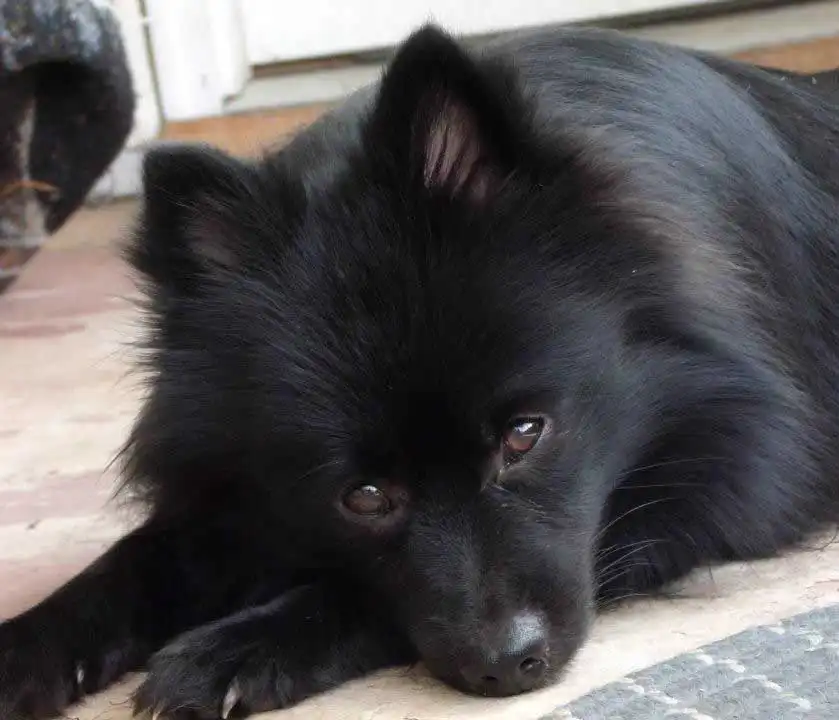
The Schip-A-Pom, commonly known as the Pomerke, is a meticulously bred designer dog that emerges from the combination of two spirited and inquisitive breeds: the Schipperke and the Pomeranian. These hybrids are celebrated for their energetic and friendly nature, making them excellent companions for adults and older children. However, they might not be the best fit for families with young children, as they can be sensitive to teasing and roughhousing. Grooming these dogs often requires more effort compared to many other breeds. Although they are highly intelligent, training them can sometimes be challenging; they may display stubbornness, distraction, or even manipulative tendencies when they are not motivated to learn.
Breed Origin
The Schip-A-Pom is a carefully crafted designer breed, often labeled as a boutique dog due to its hybrid nature. This unique combination merges two small companion breeds: the Schipperke, originating from Belgium, and the Pomeranian, which was developed in the historical area of Pomerania, now part of Poland and Germany. The Pomeranian is a small, fluffy dog celebrated for its spirited and inquisitive personality, making it a beloved pet since the 1800s. Interestingly, while today’s Pomeranians are the smallest of the spitz breeds, this was not always the case; in the 1800s, they typically weighed around thirty pounds, whereas modern Pomeranians weigh between three to seven pounds. The breed surged in popularity after Queen Victoria adopted a tiny red Pomeranian named Marco in 1888, prompting breeders to focus on creating smaller dogs with the signature "puffball" appearance. Conversely, the Schipperke, which shares a spitz-like look with its upright triangular ears and dense double coat, is not classified as a spitz breed. Instead, it traces its lineage back to the now-extinct Leauvenaar, a Belgian sheepdog. Many Schipperkes still display herding instincts today. This breed became popular among canal boat workers and craftsmen in the 1600s, leading to one of the earliest breed-specific dog shows in 1690, where numerous Schipperkes showcased their presence at the Grand Palace of Brussels, often wearing elaborately designed decorative collars made of carved or hammered brass. It wasn't until 1888 that Schipperkes made their way to the United States, gaining recognition from the American Kennel Club in 1904.
Breed Appearance
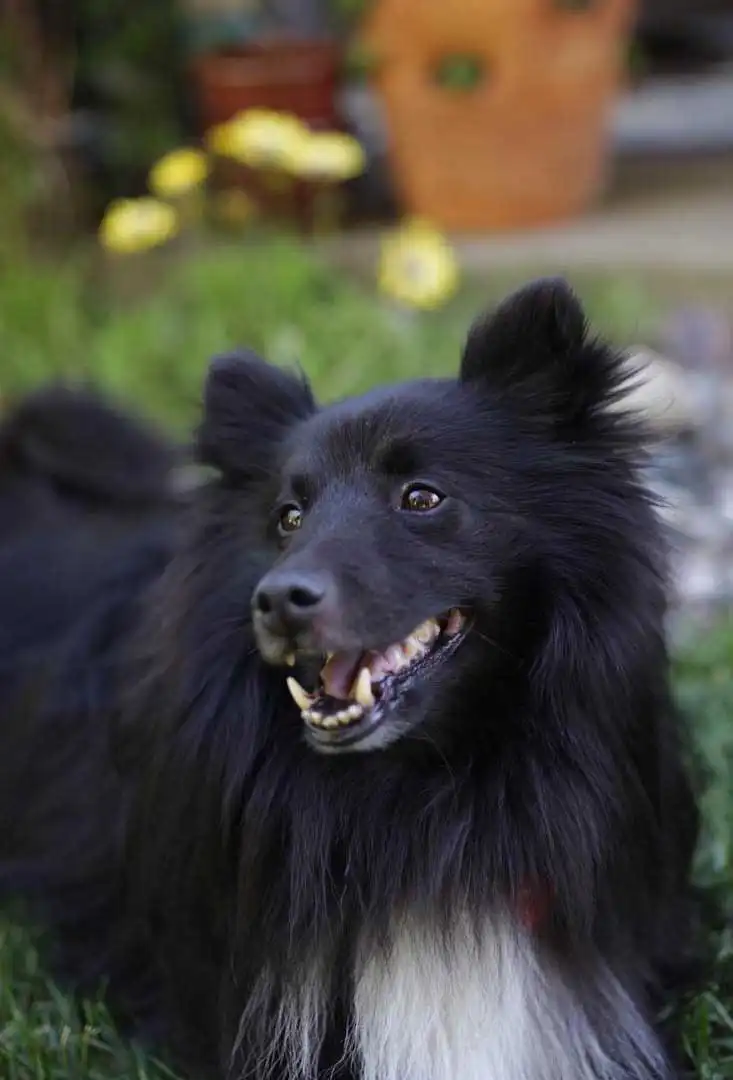
Despite the evident size difference between the two breeds, they possess a number of shared traits. The Schip-A-Pom typically measures between the Pomeranian and the Schipperke in size, weighing around six to twelve pounds and standing eight to ten inches tall when fully matured. Their physique is notably square, characterized by a well-balanced head that has a slightly rounded top and a face that resembles that of a fox. Dogs that exhibit more Schipperke characteristics often have longer muzzles, while those that lean towards Pomeranian traits display a more compact facial structure, with oval eyes instead of almond-shaped ones. The Schip-A-Pom is known for its strikingly dark eyes, and its small, triangular ears are positioned high on the head and stand upright. This hybrid features a thick, double coat, which includes a short, dense undercoat covered by a longer, coarser outer layer. Typically, dogs with more Pomeranian traits have a fuller outer coat, whereas those that take after the Schipperke may have shorter fur on their face, legs, and ears. Although Schip-A-Poms can be found in a variety of colors, black is the most commonly seen.


Care Routine
This hybrid breed requires more grooming than many other dogs, mainly because of its long, dense fur. It is generally recommended to bathe both parent breeds more often. For the Schip-A-Pom, regular grooming typically includes a bath every week or two, along with several thorough brushings each week. This routine helps remove dead hair, untangle knots, and evenly spread the dog’s natural oils across its coat. Furthermore, smaller breeds like the Schip-A-Pom are prone to dental problems, so it’s essential to regularly inspect and clean their teeth to avoid tooth loss and other oral health issues as they age.
Behavior & Temperament
The Schip-A-Pom, similar to its parent breeds, is an inquisitive and lively dog recognized for its keen intelligence and playful nature. These dogs tend to be more aware of their surroundings than many other breeds, which makes them excellent watchdogs, as they promptly notify their owners of any unusual activity. However, if not properly managed from an early age, their tendency to bark can become excessive. While they are meant to be companion animals, they might not be the best fit for families with young children due to their sensitivity and limited tolerance for teasing or roughhousing. With adequate socialization, most Schip-A-Poms can coexist peacefully with other dogs, although some may show signs of dominance or aggression. Training this hybrid can prove to be somewhat challenging, as they may display stubbornness and manipulative behaviors to get what they want. Therefore, it is recommended to implement consistent training that includes short, varied sessions along with ample positive reinforcement.


Play & Exercise
This dog is full of energy and requires around 45 minutes of intense exercise daily. However, it's more effective to divide this time into multiple shorter sessions throughout the day. They thrive on the chance to run freely, but it's essential to keep them leashed or monitored in a safe yard to avoid them pursuing fast-moving objects or animals. With sufficient outdoor activity and appropriate training to control their barking, they can adjust comfortably to life in an apartment.
Things to Know
Cups Per Day
1.0 Cups
Daily Activity
45 Minutes
Average Lifespan
14 Years
Origin
Unknown
Type
Crossbreeds
Size
Small
Origin Country
Unknown
Brush Frequency
Daily
Coat Texture
Straight
Ancestors
Pomeranian
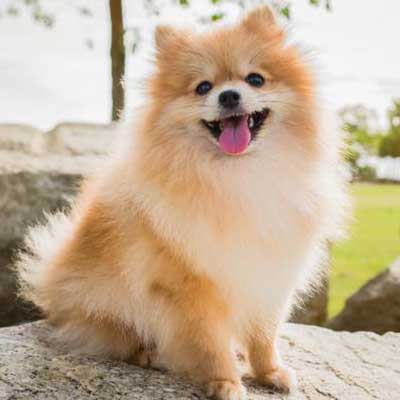
The Pomeranian is an enchanting little dog known for its lively character. Despite their petite size, they possess a boundless heart and spirit. These feisty pups often display such self-assurance that they will confront much larger dogs, seemingly oblivious to their own smallness. In addition to their bold nature, Pomeranians typically get along well with children and other pets. Their frequent and boisterous barking makes them excellent watchdogs, though they do need proper training to keep this behavior in check. With a variety of nicknames and coat colors, they are sure to add happiness to your life. Historically, Pomeranians could weigh as much as 30 pounds and were used as sheepdogs. Nowadays, they are much smaller but continue to excel in activities like obedience, agility, therapy, flyball, and tracking, all while being loving companions.
Read more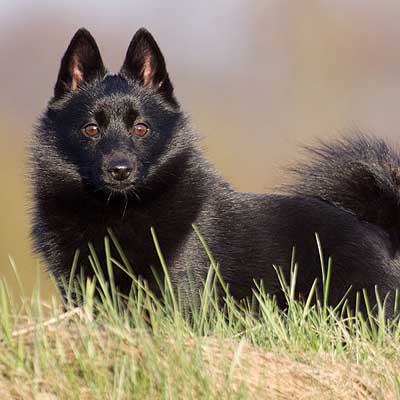
Schipperke
These small dogs exhibit a notable sense of independence, which can make them less ideal for first-time dog owners. Often referred to as "little black devils" or LBDs due to their curious and intelligent nature, Schipperkes are both courageous and devoted, acting as vigilant guardians for their families. They are versatile in their living situations, thriving on boats, farms, or in apartments, as long as they receive sufficient exercise and have neighbors who are either understanding or less sensitive to their barking. With a high energy level, these dogs need daily physical activity, and having a secure yard for them to play in is highly beneficial. The LBD is known for being a low shedder, with only two shedding seasons each year, and they typically require just occasional brushing instead of frequent baths. These dogs are affectionate towards children and can make wonderful family pets, particularly when raised under strong leadership and with proper training from a young age. They usually get along well with cats and visiting dogs. However, one minor drawback is their tendency to bark; they enjoy vocalizing and may do so for fun, not just as a means of alerting. While they flourish in rural environments, they can also adjust to city life if trained to control their barking, although this can prove to be a challenging endeavor.
Read moreRegister
Your kids have been begging for a pet forever, and you've recently decided that it's time for your family to get a new addition -- a dog! While everyone is excited for the new arrival, you're wondering if you need to have a dog license. How much does it cost? Is it required? Where do you get one?
Member Clubs

PETINNATE
Other
Height & Weight
Weight
9 lbs (4 kg)Male: 9 lbs (4 kg) , Female: 9 lbs (4 kg)
Height
9 inches (23 sm)Male: 9 inches (23 sm) , Female: 9 inches (23 sm)
6 Months
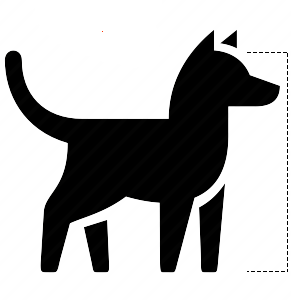
6 lbs ( m 6 lbs, f 6 lbs )
8 inches ( m 8 inches, f 8 inches )
12 Months
9 lbs ( m 9 lbs, f 9 lbs )
9 inches ( m 9 inches, f 9 inches )
18 Months
9 lbs ( m 9 lbs, f 9 lbs )
9 inches ( m 9 inches, f 9 inches )
Eye Colors
Brown

Nose Colors
Black
Coat Colors
Black

Blue
Sable
Brown
Cream
Red
Isabella
Cream