Pomsky
Husky Pom, Pom Husky
The Pomsky, a popular designer dog breed, is created by crossing a Siberian Husky with a Pomeranian. These dogs are celebrated for their intelligence, playful nature, and occasional stubbornness, often displaying a strong instinct to chase. To prevent potential aggression as they mature, it is crucial to socialize them early on. Generally, Pomskies are small to medium-sized, weighing between 20 and 30 pounds and standing up to 15 inches tall. They are characterized by their beautiful, silky medium-length coats, which typically showcase a combination of two colors. Their eyes can come in various shades, including brown, hazel, blue, or green, and some may even exhibit heterochromia, where each eye is a different color.
Breed Origin
The Pomsky is believed to have originated in the United States around 2009, with the first recorded litter appearing in 2012. This hybrid breed is created by crossing a Siberian Husky with a Pomeranian, primarily using artificial insemination to reduce potential health risks. The Pomsky rapidly gained traction in both Europe and North America, becoming the most popular designer dog by 2017. The Siberian Husky's lineage is thought to trace back to the Chukchi tribe, a nomadic community from Siberia. While much of its history is shrouded in mystery, DNA studies suggest that this breed is quite ancient. The Chukchi relied on Huskies as both companions and working animals, using them for transportation. These dogs were known to snuggle with children, offering warmth and comfort. In 1908, Huskies were brought to Alaska, where they became integral as sled dogs during the gold rush. They participated in the All-Alaska Sweepstakes, a challenging 408-mile race that remains a tradition today. The last Siberian Husky was exported from Siberia in 1930 due to border restrictions. Although the breed has adapted somewhat in America, it still retains many traits of the Chukchi Sled Dog. The American Kennel Club officially recognized the Siberian Husky in 1930. On the other hand, Pomeranians hail from the Pomerania region and are descended from various Spitz breeds, including the German Spitz, American Eskimo Dog, and Samoyed. Originally, Pomeranians were significantly larger, weighing up to 30 pounds, and enjoyed widespread popularity. Historical figures such as Michelangelo, who had a Pomeranian that watched him paint the Sistine Chapel, as well as Martin Luther, Isaac Newton, and Mozart, who even dedicated an aria to his Pom, cherished these dogs as companions. The Pomeranian trend reached England in 1761 when Sophie Charlotte, from a region near Pomerania, married the future King George III and brought along two 20-pound Pomeranians. Queen Victoria also developed a love for the breed, particularly for the smaller varieties, which led English breeders to create even tinier Pomeranians. Between 1900 and the 1930s, the breed was standardized, achieving its current size and a broader spectrum of colors. The American Kennel Club registered its first Pomeranian in 1888.
Breed Appearance
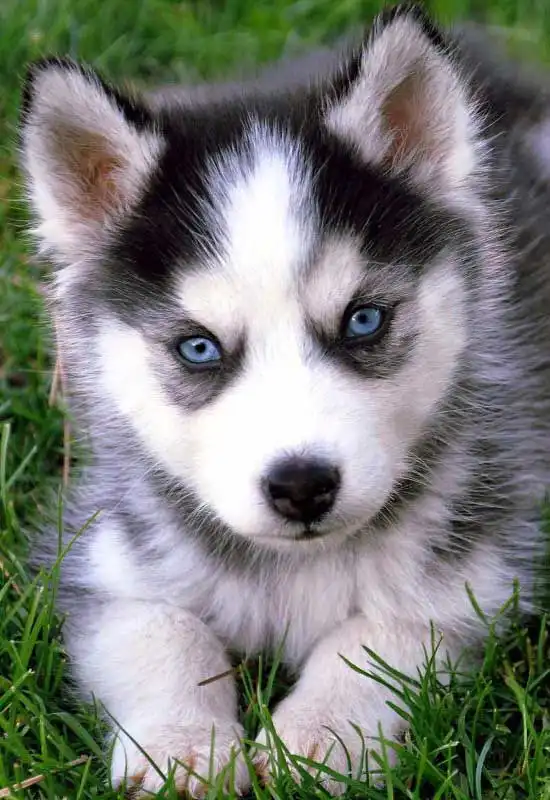
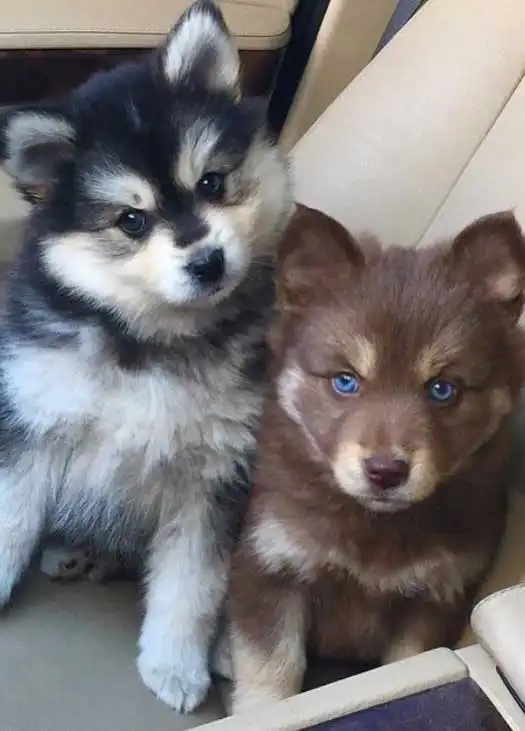
Pomskies are a hybrid breed of dog that typically fall within the small to medium size range, influenced by their parent breeds. They generally measure between 10 to 15 inches in height and weigh approximately 20 to 30 pounds. These dogs are known for their luxurious, double-layered coats that feel silky to the touch. Their fur comes in a variety of colors, such as black, gray, cream, white, fawn, and brown, often displaying a combination of two shades. Pomskies feature round eyes that can be brown, blue, hazel, or amber, and it’s not unusual for them to exhibit heterochromia, where each eye is a different color. Their build is muscular and well-proportioned, with strong legs and broad shoulders. They have a fluffy tail that curls over their back, a wedge-shaped head with a tapered muzzle, and a rounded nose that may be black or brown. Their ears are pointed, erect, and covered in fur.

Care Routine
Your Pomsky is likely to shed quite a lot, especially if she has a significant amount of Pomeranian ancestry. To keep this under control, it's best to brush her daily. A wire pin brush is effective for removing loose fur, while a slicker brush can help with any mats or tangles. Always tackle tangles before giving her a bath. Bathe her as necessary, particularly when she gets dirty, to keep her skin from drying out. Additionally, scheduling a grooming appointment every three months for a trim will make your grooming routine easier. It's also essential to clean her ears weekly to prevent infections and avoid moisture or wax buildup. Finally, brushing her teeth daily is vital, as these dogs are prone to dental problems.
Behavior & Temperament
The Pomsky is an endearing and intelligent breed known for its strong-willed personality. This hybrid dog is quite vocal, a trait inherited from both of its parent breeds, which is an important factor to consider if you reside in an apartment or condo. They thrive on love and attention, often forming a particularly close bond with one person while still being affectionate towards the whole family. Early socialization is essential for a Pomsky, as they can become anxious around strangers and may show aggression towards other animals. Although they typically do not interact well with children and might nip if they feel threatened, they can live harmoniously with kids and other pets if introduced at a young age and if the children learn to interact with the dog in a respectful manner. Given their strong prey drive, it's wise to exercise caution around smaller animals. Training a Pomsky can be a bit of a challenge due to their stubbornness, but with patience, consistent encouragement, and rewards, you can achieve positive outcomes over time.


Play & Exercise
Pomskies are lively dogs that require ample physical activity to effectively manage their energy levels and stay healthy. A daily walk of at least 30 minutes is recommended to meet their exercise needs. In addition, they thrive on playtime or running in a park or yard to fully release their energy. While these dogs often enjoy swimming, it’s crucial to never leave them unsupervised in the water. Given their intelligence, Pomskies also need mental stimulation; thus, engaging them with toys or activities that challenge their minds is essential. Consider offering them a treat-dispensing toy or a puzzle, and involve them in a treasure hunt for added fun. They adapt well to living in apartments, appreciating outdoor walks to stretch their legs, and they are well-suited for colder climates, as long as they are properly outfitted for severe weather.
Things to Know
Cups Per Day
2.5 Cups
Daily Activity
45 Minutes
Average Lifespan
14 Years
Origin
2009
Type
Crossbreeds
Size
Medium
Origin Country
United States
Brush Frequency
Daily
Coat Texture
Straight
Register
Your kids have been begging for a pet forever, and you've recently decided that it's time for your family to get a new addition -- a dog! While everyone is excited for the new arrival, you're wondering if you need to have a dog license. How much does it cost? Is it required? Where do you get one?
Member Clubs

PETINNATE
Other
Height & Weight
Weight
25 lbs (11 kg)Male: 27 lbs (12 kg) , Female: 23 lbs (10 kg)
Height
13 inches (33 sm)Male: 14 inches (36 sm) , Female: 12 inches (30 sm)
6 Months

15 lbs ( m 15 lbs, f 15 lbs )
7 inches ( m 7 inches, f 7 inches )
12 Months
21 lbs ( m 21 lbs, f 21 lbs )
10 inches ( m 10 inches, f 10 inches )
18 Months
23 lbs ( m 23 lbs, f 23 lbs )
11 inches ( m 11 inches, f 11 inches )
Eye Colors
Blue

Hazel
Brown
Amber
Nose Colors
Black
Brown
Coat Colors
Fawn
Pied
Gray

Black

Brown
Cream
White