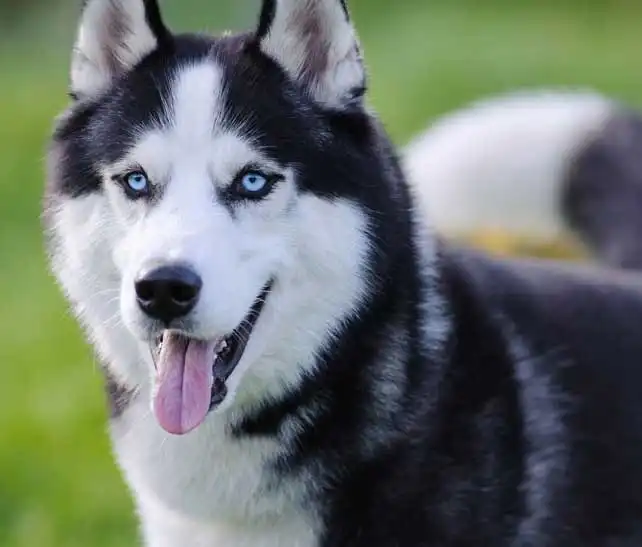
Siberian Husky
Arctic Husky, Siberian Dog, Husky, Chukchi, Chukchi Sled Dog
The Siberian Husky is a venerable breed that has likely developed alongside humans for thousands of years. Hailing from Russia, these dogs were cultivated by the Chukchi people, who depended on them for hauling supplies, which enabled their community to thrive in challenging environments. In addition to their transportation duties, Huskies were also bred to live harmoniously with Chukchi families. This selective breeding has resulted in a friendly and energetic breed renowned for its impressive stamina. Their dense double coat, which provides insulation against severe cold, requires regular grooming, although they do not need frequent baths. Despite their wolf-like appearance, which may intimidate some, Siberian Huskies are generally too friendly to be effective as guard dogs.
Breed Origin
Siberian Huskies were developed by the Chukchi people, an indigenous group in Russia, during a time that remains largely undocumented. These early canines, or their ancestors, were initially used for hunting before they evolved into sled-pulling companions for the nomadic tribes, enhancing their mobility and speed. Over time, they became integral to the Chukchi's daily existence, selectively bred for their endurance, vitality, and friendly disposition. In the early 20th century, Siberian Huskies made their way to Alaska to participate in the All Alaska Sweepstakes race, where they excelled. Numerous teams featuring these dogs achieved victory in the annual events until the races were suspended due to the United States' entry into World War I. However, it was in 1925, after the cessation of the races, that these sled dogs etched their name into American history. That winter, a diphtheria outbreak posed a grave threat to the small town of Nome, endangering approximately 10,000 residents. To deliver the crucial serum, twenty sled drivers and over a hundred dogs—mainly Siberian Huskies—embarked on a challenging 658-mile trek to fetch the medicine from Nulato and bring it back to Nome. What should have taken twenty-five days was accomplished in just under six, despite the brutal conditions. Drivers often ran alongside their sleds to keep warm, suffering severe frostbite on their faces and hands while ensuring the serum's delivery, with at least four dogs losing their lives during the journey. The final leg of the trip was led by Gunnar Kaasen, but it was the dogs who ultimately completed the mission, as visibility was so poor that he could barely see the two closest to the sled. Balto, a mixed breed with Siberian Husky ancestry and the lead dog for this last segment, received the most public acclaim, yet it is essential to recognize all the dogs that played a vital role in this heroic effort. In 1930, shortly after these events, the American Kennel Club officially acknowledged the Siberian Husky, which has since become the 12th most popular dog breed as of this writing.
Breed Appearance
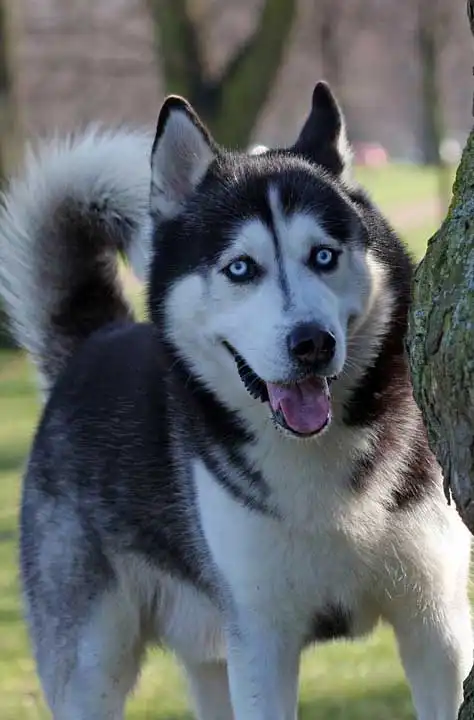
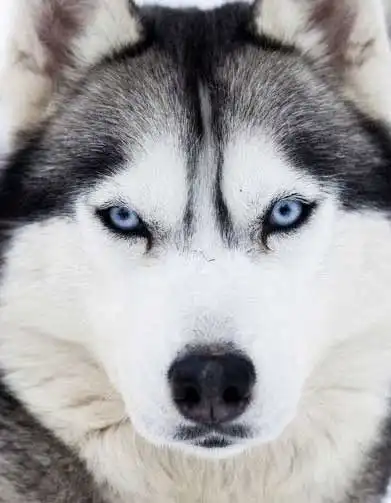
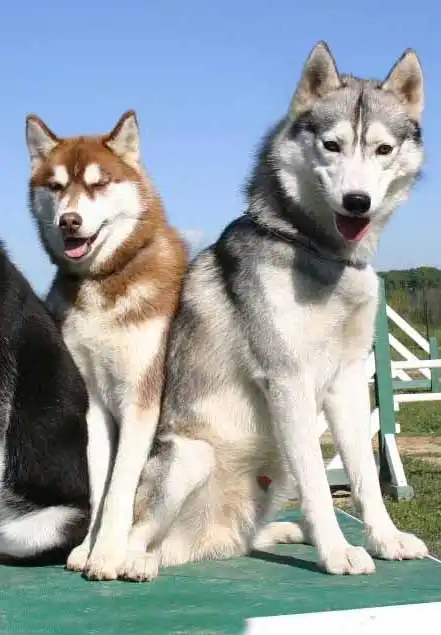
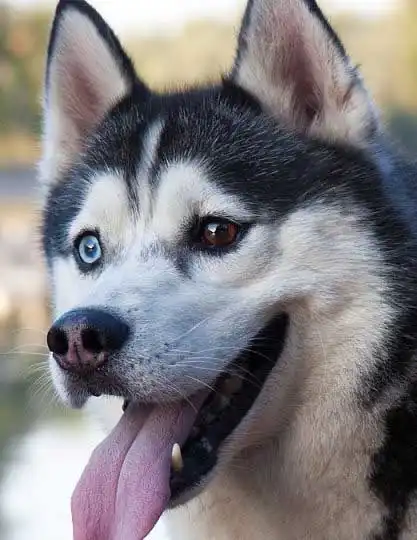
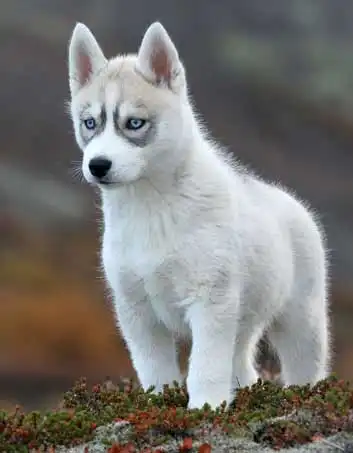
The Siberian Husky is a medium-sized, graceful working dog celebrated for its dense coat and sturdy physique. This breed is characterized by its upright, triangular ears and a tail that resembles a fox's plume. Typically, the tail hangs down or trails behind, but when the dog is alert, it curls over its back in a sickle shape. The muzzle is moderately long and slightly tapered, while the almond-shaped eyes can be blue, brown, or a mix of both, all reflecting a keen intelligence. The American Kennel Club (AKC) recognizes several colors for Siberian Huskies, including agouti, black, gray, red, and sable, each often featuring striking white markings on the face, chest, underbelly, legs, and parts of the tail, as well as entirely white individuals. It is also common for Siberian Huskies to display non-standard colors, with some being born completely black or exhibiting various combinations of black, white, tan, copper, and brown.
Care Routine
This breed was intentionally created for an active lifestyle, requiring significant physical activity to maintain their health, energy, and your peace of mind. Huskies that do not receive enough exercise or mental stimulation can become overly hyperactive and may engage in destructive behaviors at home. The Siberian Husky's fur needs regular grooming, ideally at least once a week for most of the year. However, during the spring and, to a lesser extent, the fall, daily brushing is necessary due to the heavy shedding that occurs with seasonal changes. Bathing should be limited to no more than once a month, as frequent washing can lead to dry skin. When you do bathe your Husky, it’s important to rinse and dry their thick coat thoroughly; neglecting this can cause skin issues and may promote mold growth if the undercoat stays damp for too long.
Behavior & Temperament
Although they may resemble wolves, Siberian Huskies were intentionally bred to thrive in large groups and live harmoniously with human families. This breeding has led to their development as a friendly and sociable breed, known for getting along well with family members, other animals, and even strangers. While they usually exhibit a good-natured tolerance towards children, it’s crucial to supervise their interactions with younger kids, as these dogs are sturdy and full of energy. Renowned for their spirited nature and athletic abilities, Huskies are also famous for their talent in escaping. To deter your Husky from trying to break free, it’s important to provide them with plenty of exercise and mental engagement. If they will be spending time outdoors, consider installing a fence that is at least six feet tall and designed to prevent climbing or digging.
Play & Exercise
Things to Know
Cups Per Day
3.0 Cups
Daily Activity
90 Minutes
Average Lifespan
14 Years
Origin
ancient times
Type
Pure Breeds
Size
Medium
Origin Country
Siberia
Brush Frequency
Weekly
Coat Texture
Straight
Register
Your kids have been begging for a pet forever, and you've recently decided that it's time for your family to get a new addition -- a dog! While everyone is excited for the new arrival, you're wondering if you need to have a dog license. How much does it cost? Is it required? Where do you get one?
Member Clubs

PETINNATE
Northern Breed

AKC
Working Group

UKC
Northern Breed
Height & Weight
Weight
48 lbs (22 kg)Male: 52 lbs (24 kg) , Female: 43 lbs (20 kg)
Height
22 inches (56 sm)Male: 23 inches (58 sm) , Female: 22 inches (56 sm)
6 Months
21 lbs ( m 21 lbs, f 21 lbs )
16 inches ( m 16 inches, f 16 inches )
12 Months
38 lbs ( m 38 lbs, f 38 lbs )
19 inches ( m 19 inches, f 19 inches )
18 Months
42 lbs ( m 42 lbs, f 42 lbs )
21 inches ( m 21 inches, f 21 inches )
Eye Colors
Blue

Hazel
Brown
Nose Colors
Black
Brown
Coat Colors
White
Black
Gray
Brown
Red
Silver

Pied
Sable
Characteristics
Mixes
Ausky
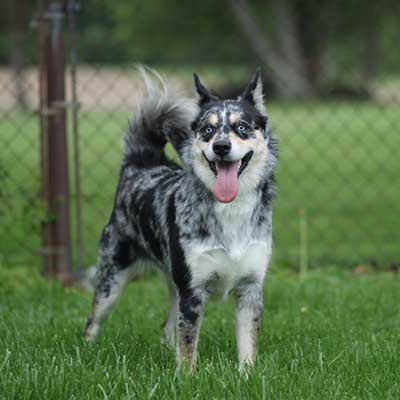
The Ausky is a hybrid breed created by crossing an Australian Cattle Dog with a Siberian Husky, both renowned for their intelligence, high energy levels, and resilience. This combination results in a dog that requires ample mental stimulation and physical activity, making early socialization and engagement crucial. Fortunately, Auskies excel in various activities, including running, agility training, and the herding and pulling tasks typical of their parent breeds. They need significant daily exercise; without it, they may display uncooperative or destructive behaviors. Moreover, they may inherit a tendency to nip from the Australian Cattle Dog and exhibit the high prey drive associated with the Siberian Husky, which can render some Auskies less suitable as companions for small children or fast-moving pets.
Read more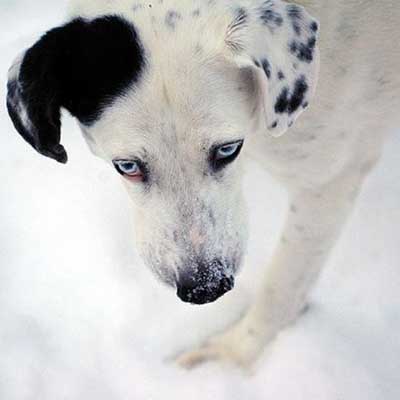
Dalmatian Husky
The Dalmatian Husky is a mixed breed that emerges from the combination of a Dalmatian and a Siberian Husky. Renowned for their energetic and playful demeanor, these dogs often require extra patience during training. They are affectionate and spirited, making them excellent companions for children. Their grooming requirements are moderate, especially if they take after the thick coat of their Husky ancestry. Regular exercise is crucial for this breed, as a lack of physical activity can result in weight gain. While many Dalmatian Huskies tend to resemble their Siberian Husky parent, some may also exhibit the unique spots typical of Dalmatians.
Read more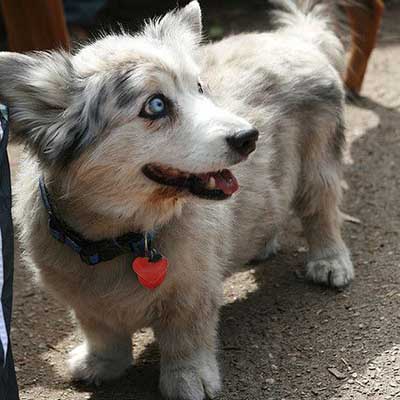
Dusky
A Dusky is a hybrid dog that results from crossing a Dachshund with a Siberian Husky. The specific traits of a Dusky can differ significantly, depending on which parent breed's characteristics are more dominant. Dachshunds are small, typically weighing between 16 and 33 pounds, while Siberian Huskies are medium-sized, with weights ranging from 35 to 60 pounds. The coat colors of a Dusky can be quite diverse, including options like black, black and tan, chocolate, cream, blue, white, silver, copper, brown, agouti, sable, and grey. Siberian Huskies are recognized for their thick fur, which consists of a dense undercoat and a longer layer of straight guard hairs. In contrast, Dachshunds can have either smooth or wiry coats. Both breeds are known for their intelligence and loving disposition. For families with young children, it’s important to prioritize socialization and training for the Dusky during its puppy stage. Since both parent breeds are generally easy to train and require moderate care, it’s likely that a Dusky will inherit these qualities as well.
Read more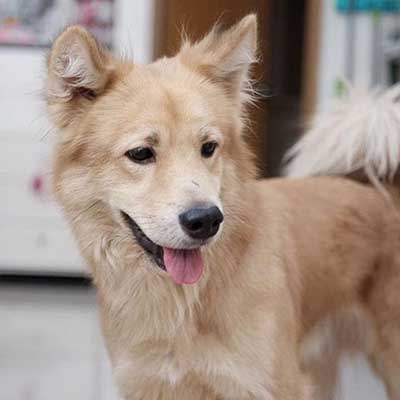
Goberian
The Goberian is a hybrid breed created by crossing a Golden Retriever with a Siberian Husky. This large dog is recognized for its affectionate nature and strong loyalty to its designated leader. Goberians are bright, lively, and keen to satisfy their owners. They tend to be gentle with humans and are usually straightforward to train.
Read more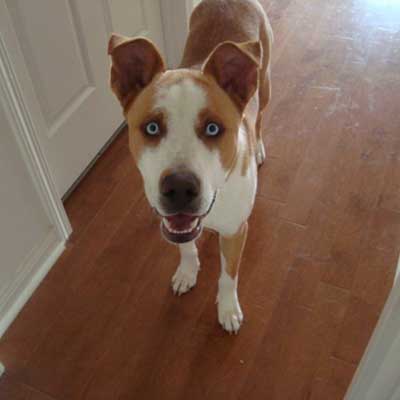
Husker
The Husker, commonly known as the Boxsky or Bosky, is a large hybrid breed that results from crossing a Boxer with a Siberian Husky. Typically, they display the Boxer’s shorter coat and robust build, while also showcasing traits from both parent breeds. These dogs are known for their high energy and need for significant daily exercise, making them ideal companions for active families who enjoy engaging in play, whether inside or outside. Huskers are extremely affectionate and crave human interaction, often striving to be the focal point of attention and going to great lengths to achieve this. However, their need for companionship can lead to undesirable behaviors if they are left alone for long periods. When outdoors, they may try to escape from a tall-fenced yard, and indoors, they might become noisy or destructive if they experience boredom or frustration. Generally, Huskers are good with children and can be moderately friendly with other dogs, especially if they receive proper training and socialization from an early age. Nonetheless, training can be a challenge due to their intelligence and occasional stubbornness, so they need an owner who is experienced, patient, and firm to guide them effectively.
Read more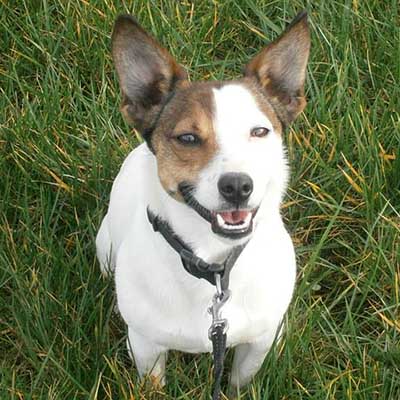
Husky Jack
The Husky Jack is an energetic hybrid breed created by crossing a Siberian Husky with a Jack Russell Terrier. Renowned for their spirited personalities, these dogs exhibit traits of boldness, loyalty, and affection. Generally, they are medium-sized, weighing between 30 and 40 pounds and standing 17 to 19 inches tall, with a lifespan of approximately 11 to 16 years. Their coats are short and smooth, showcasing a variety of colors, including white, black, gray, red, sable, and agouti, often highlighted by markings in shades of black, brown, tan, cream, or even tri-color combinations. While the Husky Jack has become increasingly popular since the late 20th century, it is not officially recognized as a breed by the American Kennel Club (AKC) due to its ongoing development and lack of standardization.
Read more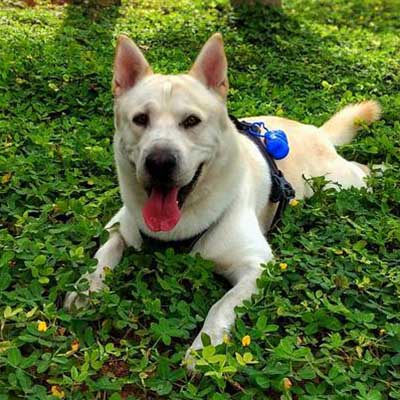
Sharberian Husky
The Sharberian Husky is a mixed breed that emerges from the combination of a Shar-Pei and a Siberian Husky. Renowned for their intelligence and loving demeanor, these dogs make excellent family pets. However, they can be quite headstrong, which means they are ideally suited for owners who have some experience with dog training. They generally do well in homes with older children and can get along with other dogs, especially if they are socialized early on. Training them requires a consistent and firm approach, but they tend to respond well to positive reinforcement and encouragement. Their natural caution around strangers gives them a somewhat formidable presence, making them effective as watchdogs. Their coats can come in various colors, including cream, tan, brown, white, and black, with fur that typically ranges from short to medium length.
Read more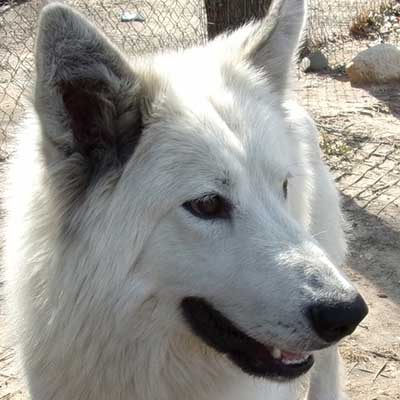
Sibercaan
The Sibercaan is a hybrid dog breed, though there is some disagreement about its parentage. All breed registries acknowledge that one of its progenitors is the Canaan dog, which has been domesticated since approximately 2200 to 2000 BC. This breed made its way back to the Negev Desert around 2000 years ago after the Romans displaced the Israelites. However, opinions vary regarding the second parent breed. The American Canine Hybrid Club and the International Designer Canine Registry recognize the Siberian Husky as the other parent, while the Designer Breed Registry asserts that it is the Native American Indian Dog. This latter breed is noted for its intelligence and energetic nature, making it highly trainable when the right techniques are employed. Conversely, if subjected to harsh or repetitive training, it may become stubborn and manipulative. Overall, the Sibercaan is a loyal and devoted companion, making it a good fit for families with members of all ages, although it may be cautious around strangers. This hybrid does not do well in confined spaces and requires plenty of daily exercise and attention, rendering it unsuitable for small living conditions.
Read more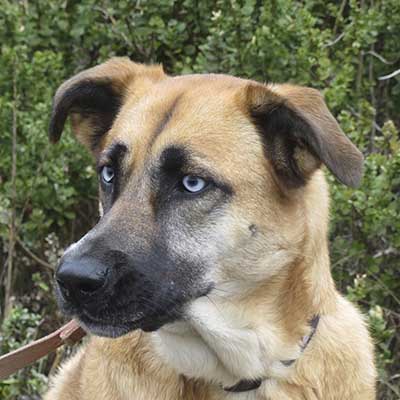
Siberian Black Mouth Cur
The Siberian Black Mouth Cur is a hybrid dog breed, created by crossing a Siberian Husky with a Black Mouth Cur. This robust dog usually weighs about seventy pounds at maturity. Renowned for his strong work ethic and enthusiasm for various activities, he has a natural talent for hunting. His Siberian Husky heritage contributes to his determination and enhances his abilities in the field. Furthermore, he makes a formidable watchdog; his large size can deter potential intruders, and he often displays a cautious attitude towards strangers. However, with proper socialization, he generally shows a friendly and gentle nature, especially around children.
Read more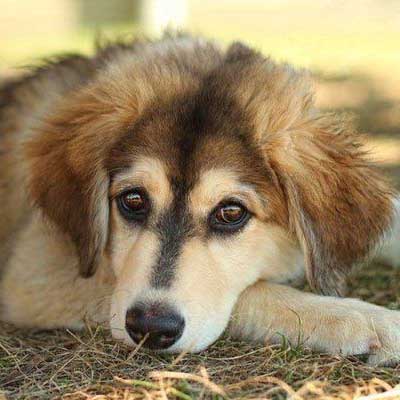
Siberian Cocker
The Siberian Cocker is a designer breed created by crossing the American Cocker Spaniel with the Siberian Husky. This medium-sized dog showcases the delightful characteristics of both parent breeds. Males usually stand between 13 and 20 inches tall, while females are typically 14 to 16 inches. In terms of weight, Siberian Cockers range from 26 to 40 pounds, with females generally being slightly lighter than males. Their coat is soft and dense, though it is not overly long. With moderate energy levels, Siberian Cockers are wonderful companions, especially for families, as they are particularly fond of children. They can thrive in apartment settings as long as they receive sufficient exercise.
Read more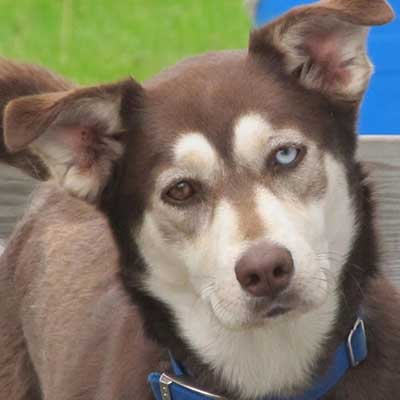
Siberian Retriever
The Siberian Retriever, commonly known as the Husky Lab or Lab Husky Mix, is a breed that typically ranges from medium to large in size, standing up to 25 inches tall. These dogs are celebrated for their friendly, playful, and loving demeanor, making them excellent companions. Their intelligence and obedience allow them to excel in roles such as guide dogs and in law enforcement. Due to their inherent hunting instincts, it is recommended to socialize them early on. With appropriate training and ample opportunities for social interaction, they generally thrive in households with children and other pets. This attractive hybrid boasts a silky coat that can display a variety of colors, including black, white, gray, chocolate, or combinations of these hues.
Read more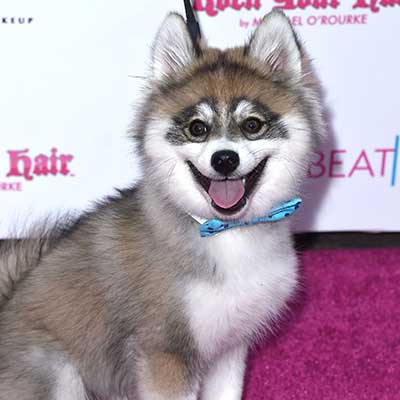
Pomsky
The Pomsky, a popular designer dog breed, is created by crossing a Siberian Husky with a Pomeranian. These dogs are celebrated for their intelligence, playful nature, and occasional stubbornness, often displaying a strong instinct to chase. To prevent potential aggression as they mature, it is crucial to socialize them early on. Generally, Pomskies are small to medium-sized, weighing between 20 and 30 pounds and standing up to 15 inches tall. They are characterized by their beautiful, silky medium-length coats, which typically showcase a combination of two colors. Their eyes can come in various shades, including brown, hazel, blue, or green, and some may even exhibit heterochromia, where each eye is a different color.
Read more