
Husker
Boxsky, Bosky
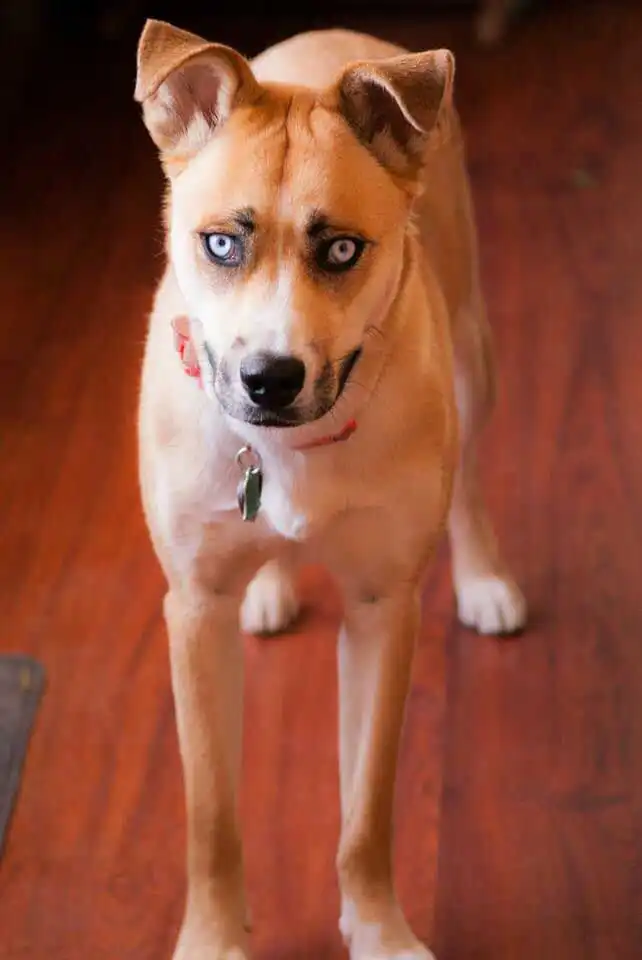
The Husker, commonly known as the Boxsky or Bosky, is a large hybrid breed that results from crossing a Boxer with a Siberian Husky. Typically, they display the Boxer’s shorter coat and robust build, while also showcasing traits from both parent breeds. These dogs are known for their high energy and need for significant daily exercise, making them ideal companions for active families who enjoy engaging in play, whether inside or outside. Huskers are extremely affectionate and crave human interaction, often striving to be the focal point of attention and going to great lengths to achieve this. However, their need for companionship can lead to undesirable behaviors if they are left alone for long periods. When outdoors, they may try to escape from a tall-fenced yard, and indoors, they might become noisy or destructive if they experience boredom or frustration. Generally, Huskers are good with children and can be moderately friendly with other dogs, especially if they receive proper training and socialization from an early age. Nonetheless, training can be a challenge due to their intelligence and occasional stubbornness, so they need an owner who is experienced, patient, and firm to guide them effectively.
Breed Origin
The Husker is a relatively recent addition to the canine world, and as a result, its origins are not well-documented. In stark contrast, both the Boxer and the Siberian Husky have rich and established histories. The Boxer’s ancestry can be traced back several centuries, initially bred for the brutal sport of bullbaiting. However, by the 19th century, their role shifted to that of herding dogs, showcasing impressive abilities in guiding cattle through slaughterhouses and managing them during grazing. This versatility proved essential for butchers and cattle ranchers alike. By 1895, the breed experienced a surge in popularity, leading to the formation of a German breed club and the establishment of the first official breed standard. Shortly after, Boxers were introduced to the United States, where they received recognition from the American Kennel Club in 1904, and their popularity has continued to rise ever since. In contrast, the Siberian Husky has a much more extensive history, dating back thousands of years to the Chukchi people of Siberia. This breed was created as a multifunctional working dog, adept at pulling sleds, herding animals, and protecting homes from both wildlife and human intruders. With some believed wolf ancestry, the Husky arrived in America in 1908, primarily via Alaska, where it was introduced to the sport of sled dog racing. While they remain popular as sled dogs in their native regions, Huskies have also become cherished pets throughout the United States and beyond. Although they can present training challenges, their affectionate demeanor and protective instincts make them wonderful companions and effective guard dogs.
Breed Appearance
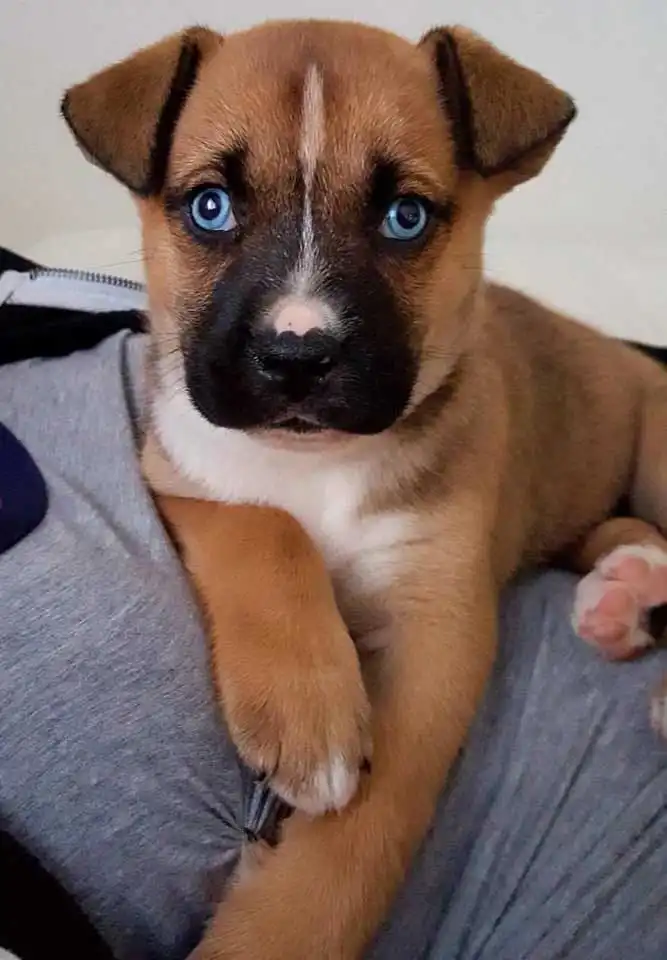
According to the limited information available, these dogs generally share a physique and coat similar to that of Boxers. They have a short to medium-length, dense fur typical of Boxers, while also featuring the Husky’s waterproof qualities. Their shoulder height ranges from 18 to 25 inches, with an average weight around 50 pounds; however, some may weigh as little as 35 pounds or exceed 70 pounds. The appearance of their faces can vary widely, displaying either the Boxer’s striking dark eyes or the Husky’s alluring blue ones. Ears can be found in different positions—partially folded, fully folded, or standing erect—and the length of their facial fur can also vary significantly, much like their coats. The coats themselves come in various lengths and colors, showcasing a blend of shades such as black, white, gray, fawn, and brown.

Care Routine
While these pets typically need little upkeep, their fur can become a daily task. Shedding varies based on coat type, ranging from moderate to heavy, which means daily brushing with a rubber or slicker brush is essential to control loose hair. During peak shedding seasons or when their coat changes, a deshedder might also be necessary. For those with folded or semi-erect ears, it’s crucial to check for moisture buildup regularly, as this can lead to ear infections; in contrast, fully erect ears usually do not have this concern. Furthermore, it’s important to keep an eye on their nails, trimming them regularly to prevent cracking or breaking, and to brush their teeth at least once a week to maintain good dental health.
Behavior & Temperament
Due to the naturally affectionate characteristics of their parent breeds, Huskers tend to display similar qualities. These dogs are recognized for their lively and playful personalities, along with a strong need for companionship and attention. They often devise inventive ways to capture the spotlight, which can occasionally result in unwanted behaviors. Despite their size, Huskers are typically gentle and friendly with children and usually get along well with other dogs, particularly when they have been properly socialized to meet their social needs. If they lack sufficient training or are unsure how to react to outside stimuli, they may instinctively alert their owners by barking or howling when they detect something unusual, such as unfamiliar people. Fortunately, this behavior can be adjusted through effective training. While Huskers are intelligent, they can also be quite headstrong, often choosing to rely on their instincts over commands. Once they receive thorough training, they show impressive loyalty and are more likely to follow commands, especially when they expect rewards like attention, treats, or praise. These active dogs need plenty of physical and mental engagement to flourish. Ideally, they should belong to an active family with access to a large yard, dog park, or open space where they can run freely. Without adequate exercise, they may become bored and frustrated, leading to noisy or destructive behaviors. Although they can be a demanding breed, owners who possess the patience and determination to navigate the initial challenges of ownership will ultimately be rewarded with the companionship of a loving and attentive dog capable of performing a variety of tasks.


Play & Exercise
Huskies are recognized for their vibrant energy and require a daily exercise regimen that includes at least 2 to 3 miles of running and walking, equating to about 60 to 80 minutes of physical activity. To effectively wear them out, they need plenty of space to run, which can be provided by a large yard, an open field (if they are well-trained), or a dog park. Owners should actively involve them in activities that encourage running, such as playing fetch or jogging alongside them. Moreover, Huskies generally enjoy playtime, so having a spacious indoor area for them to move around in can help them burn off excess energy. They tend to stay quite lively indoors unless they are truly fatigued.
Things to Know
Cups Per Day
3.5 Cups
Daily Activity
70 Minutes
Average Lifespan
13 Years
Origin
Unknown
Type
Crossbreeds
Size
Medium
Origin Country
Unknown
Brush Frequency
Daily
Coat Texture
Straight
Ancestors
Boxer
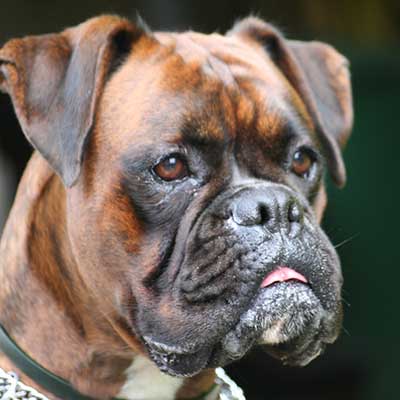
The Boxer breed traces its roots back to Germany in the early 19th century, where it was originally developed for use as a bait and fighting dog, as well as a loyal guardian. Its strong, muscular, and agile build made it ideal for these roles until the prohibition of bull baiting and dog fighting. Since then, the Boxer has gained immense popularity around the globe, renowned for its loyalty, playful nature, and high energy, which make it an excellent family pet. Furthermore, Boxers are recognized for their self-grooming tendencies, resulting in relatively low grooming needs. However, it is crucial to provide them with sufficient mental and physical stimulation; without it, they may exhibit undesirable behaviors.
Read more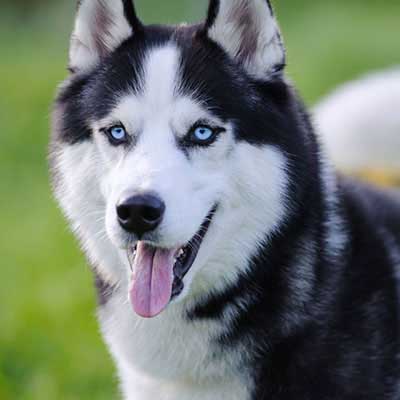
Siberian Husky
The Siberian Husky is a venerable breed that has likely developed alongside humans for thousands of years. Hailing from Russia, these dogs were cultivated by the Chukchi people, who depended on them for hauling supplies, which enabled their community to thrive in challenging environments. In addition to their transportation duties, Huskies were also bred to live harmoniously with Chukchi families. This selective breeding has resulted in a friendly and energetic breed renowned for its impressive stamina. Their dense double coat, which provides insulation against severe cold, requires regular grooming, although they do not need frequent baths. Despite their wolf-like appearance, which may intimidate some, Siberian Huskies are generally too friendly to be effective as guard dogs.
Read moreRegister
Your kids have been begging for a pet forever, and you've recently decided that it's time for your family to get a new addition -- a dog! While everyone is excited for the new arrival, you're wondering if you need to have a dog license. How much does it cost? Is it required? Where do you get one?
Member Clubs

PETINNATE
Other
Height & Weight
Weight
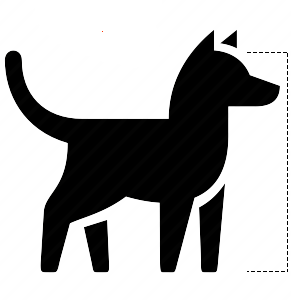
53 lbs (24 kg)Male: 53 lbs (24 kg) , Female: 53 lbs (24 kg)
Height
22 inches (56 sm)Male: 22 inches (56 sm) , Female: 22 inches (56 sm)
6 Months
38 lbs ( m 38 lbs, f 38 lbs )
15 inches ( m 15 inches, f 15 inches )
12 Months
45 lbs ( m 45 lbs, f 45 lbs )
18 inches ( m 18 inches, f 18 inches )
18 Months
53 lbs ( m 53 lbs, f 53 lbs )
21 inches ( m 21 inches, f 21 inches )
Eye Colors
Blue

Brown
Nose Colors
Black
Coat Colors
Fawn
Brown
White
Gray
Black