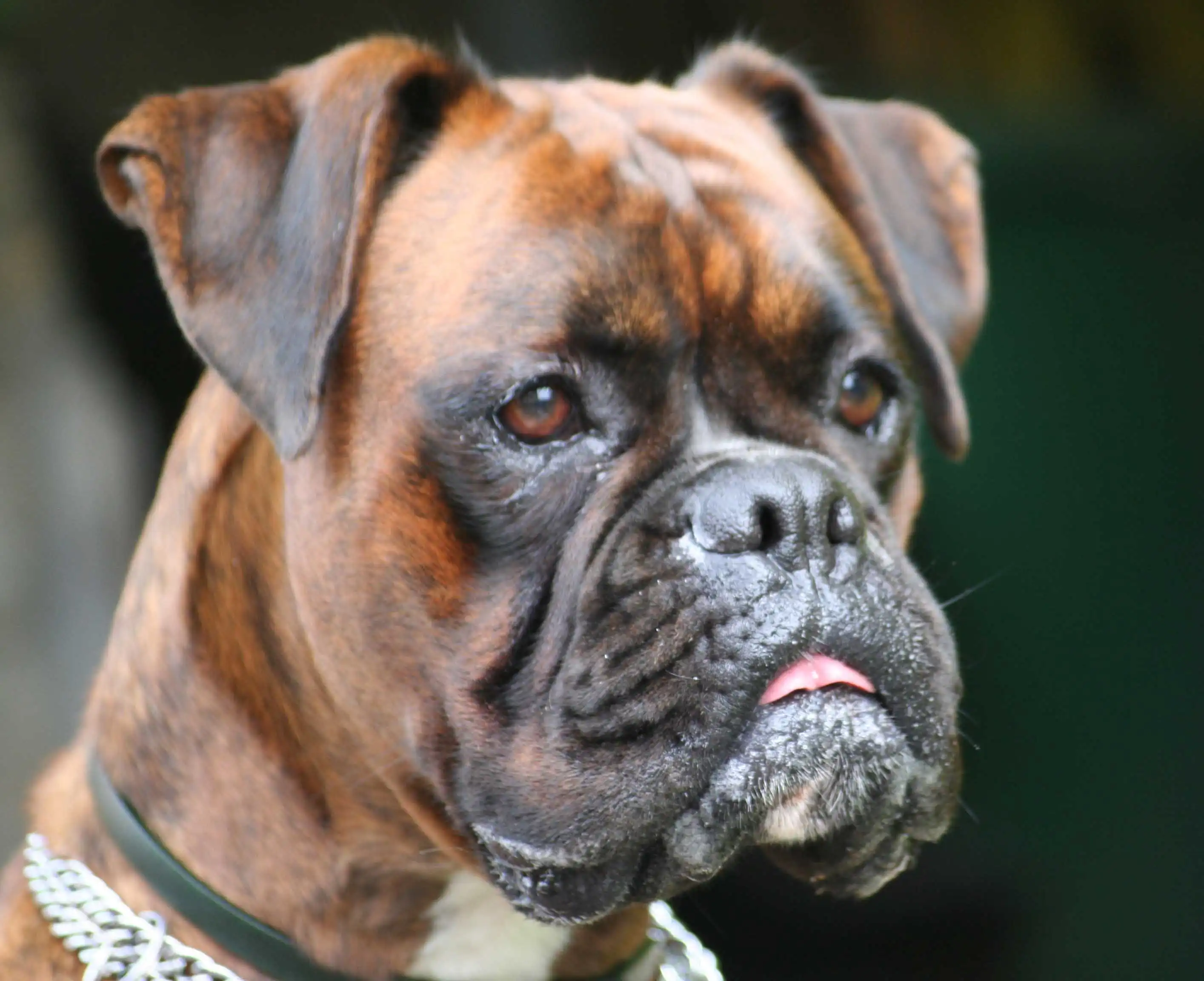
Boxer
The Boxer breed traces its roots back to Germany in the early 19th century, where it was originally developed for use as a bait and fighting dog, as well as a loyal guardian. Its strong, muscular, and agile build made it ideal for these roles until the prohibition of bull baiting and dog fighting. Since then, the Boxer has gained immense popularity around the globe, renowned for its loyalty, playful nature, and high energy, which make it an excellent family pet. Furthermore, Boxers are recognized for their self-grooming tendencies, resulting in relatively low grooming needs. However, it is crucial to provide them with sufficient mental and physical stimulation; without it, they may exhibit undesirable behaviors.
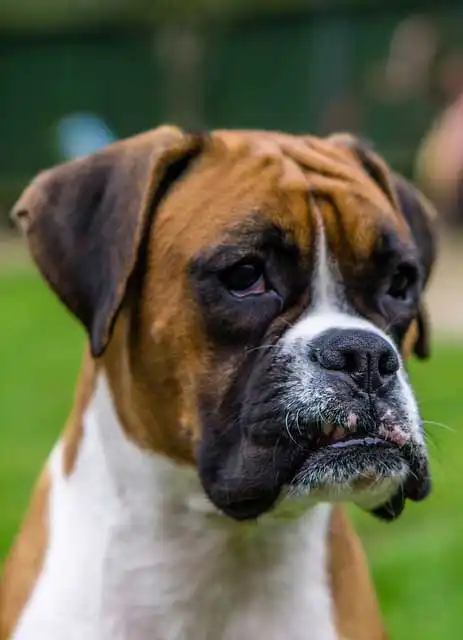
Breed Origin
The history of the Boxer breed has generated significant debate among both enthusiasts and experts. Some believe that the Boxer descends from the Tibetan Mastiff, a fighting dog that was well-known in the 16th century. Others, however, argue that its origins are European, possibly linked to the Dogue de Bordeaux from France. A widely accepted view is that the Boxer is related to all Bulldog breeds, which can trace their ancestry back to the Molossoid dogs that the ancient Greeks and Romans bred for combat. The hunting and fighting abilities of these early dogs are well-documented, appearing in Flemish tapestries from the 16th and 17th centuries that depict boar and stag hunts. The contemporary Boxer, as we know it today, was developed in Germany, likely from two now-extinct breeds: the Danziger Bullenbeisser and the Brabanter Bullenbeisser. In the 1830s, German hunters began to cross these Bullenbeissers with Bulldogs and Mastiffs to create a robust and agile dog, characterized by a strong jaw suitable for hunting, fighting, or baiting. By 1895, this new breed was officially named the Boxer, a name that may have originated from the German word "boxl," which reflects the dog's unique tendency to stand on its hind legs and "box" with its front paws. As dogfighting and bull baiting were eventually outlawed, the Boxer evolved into a cherished family companion by the early 1900s, also gaining recognition as a show dog and one of the first breeds employed in military and police roles. The American Kennel Club (AKC) registered the Boxer in 1904, and it earned its first championship title in 1915. By 1940, the breed had made a notable impact, winning awards in both the Best in Show and Group categories, capturing the admiration of dog lovers throughout America.
Breed Appearance
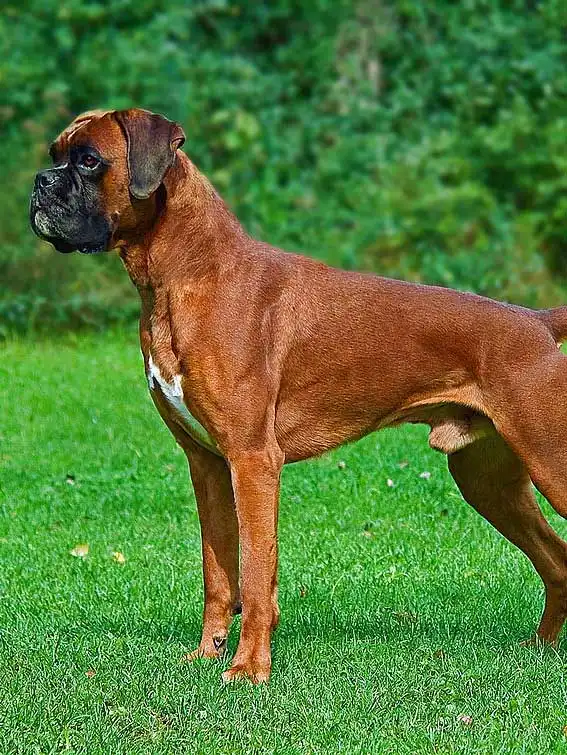
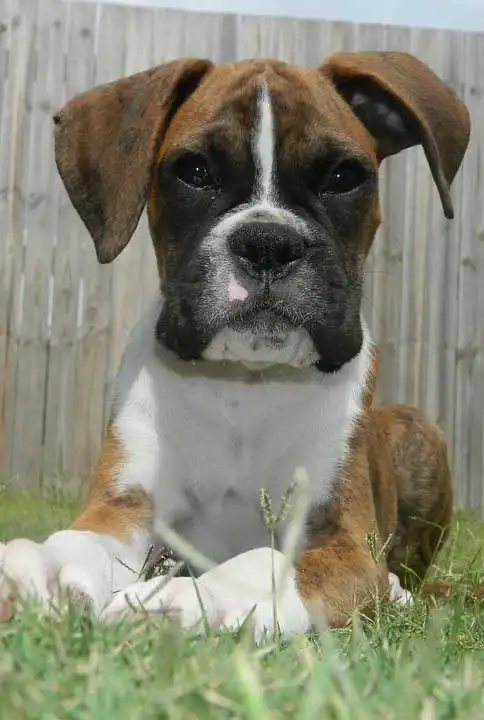
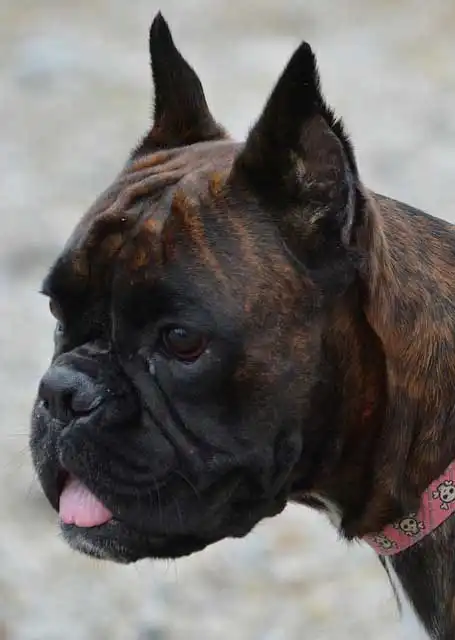
The Boxer is a medium-sized dog known for its strong and agile build, which is well-suited for quick movements and power, making it ideal for activities like hunting and baiting. Its long, sloping shoulders flow into a distinctly arched neck, leading to a straight and compact back. The breed has straight front legs and broad, rounded hindquarters, giving it a square appearance. Boxers move with a combination of grace and strength. Their heads are well-defined and proportionate to their bodies, with forehead wrinkles becoming visible when the ears are raised. The ears can be either thin and flat or cropped. The breed's dark brown eyes convey a sense of intelligence, complemented by a black nose and a blunt muzzle, which are key features. Typically, the tail is docked. The coat is short and smooth, often exhibiting a glossy finish, and comes in various shades of fawn and brindle. Fawn can range from light tan to rich mahogany red, while brindle displays different levels of black over a fawn background. Some Boxers may also have white markings, and in rare cases, the coat can be completely white.
Care Routine
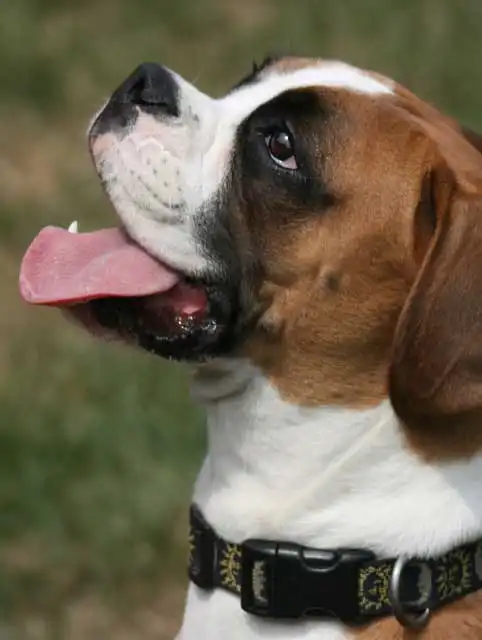
Regular grooming is crucial for ensuring your Boxer looks its finest. While Boxers naturally groom themselves, much like cats do, a weekly brushing with a soft bristle brush is beneficial for maintaining a healthy coat. Baths should be reserved for when absolutely necessary, as frequent washing can deplete the skin of its natural oils. Shedding is a normal occurrence and may happen seasonally. Additionally, routine care should encompass brushing their teeth twice a week, trimming their nails to avoid cracking, and regularly cleaning their ears to eliminate debris. In general, Boxers are a clean breed and typically do not have an unpleasant odor. As a highly active breed, Boxers need daily mental engagement and physical exercise to stave off boredom. Activities such as running in a yard or going for daily walks can satisfy this requirement, but it’s essential to have a secure fence due to their strong prey drive. With sufficient exercise, Boxers can adapt well to living in apartments. However, this breed, with its short coat, struggles in extreme temperatures, and prolonged exposure to very hot or cold weather can lead to stress on their bodies.
Behavior & Temperament
The Boxer is an energetic, affectionate, and easygoing breed that forges deep bonds with its family members. Renowned for their courage, Boxers take their protective duties seriously and may exhibit caution around strangers. Nevertheless, they are also very friendly and can quickly become comfortable with new acquaintances. These dogs thrive on companionship and need significant interaction and attention from their families. Generally, they are gentle and patient with children and tend to get along well with other pets in the home, though they might be wary of unfamiliar dogs. To foster their friendly nature, early socialization with a variety of people and animals is essential. While Boxers can show a degree of stubbornness, they respond positively to training when it is consistent and firm. They are independent thinkers and may lose interest in repetitive commands. Full of vitality and playfulness, Boxers require ample daily exercise and stimulating activities to keep them engaged. Originally bred for hunting, they particularly enjoy challenges that involve running and jumping. In their younger years, they can be quite exuberant, and if left alone for long periods, they may experience separation anxiety.
Play & Exercise
Things to Know
Cups Per Day
2.5 Cups
Daily Activity
90 Minutes
Average Lifespan
12 Years
Origin
1800s
Type
Pure Breeds
Size
Large
Origin Country
Germany
Brush Frequency
Daily
Coat Texture
Straight
Register
Your kids have been begging for a pet forever, and you've recently decided that it's time for your family to get a new addition -- a dog! While everyone is excited for the new arrival, you're wondering if you need to have a dog license. How much does it cost? Is it required? Where do you get one?
Member Clubs

PETINNATE
Guardian Dog

AKC
Working Group

UKC
Guardian Dog
Height & Weight
Weight
65 lbs (29 kg)Male: 73 lbs (33 kg) , Female: 58 lbs (26 kg)
Height
23 inches (58 sm)Male: 24 inches (61 sm) , Female: 22 inches (56 sm)
6 Months
37 lbs ( m 37 lbs, f 37 lbs )
19 inches ( m 19 inches, f 19 inches )
12 Months
47 lbs ( m 47 lbs, f 47 lbs )
21 inches ( m 21 inches, f 21 inches )
18 Months
57 lbs ( m 57 lbs, f 57 lbs )
22 inches ( m 22 inches, f 22 inches )
Eye Colors
Brown

Nose Colors
Black
Coat Colors
Black

White
Fawn

Brindle
Characteristics
Mixes
Bogle
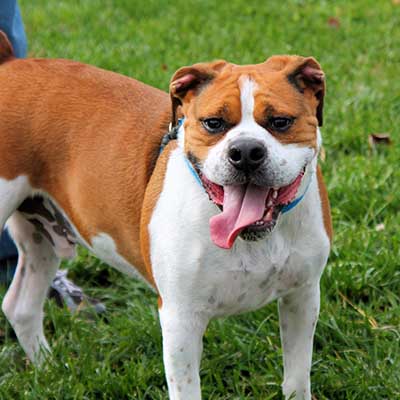
The Bogle is a hybrid breed resulting from the combination of a Boxer and a Beagle. Although the exact origins of this mix are not well-documented, exploring the traits of its parent breeds can offer valuable insights into the Bogle's characteristics and history. With its Boxer heritage, this breed is typically energetic and thrives in environments where it has plenty of room to play and release its high energy levels. Furthermore, the Bogle is recognized for its alertness and tends to be wary of strangers. As a designer dog, it has been specifically developed to be a loyal companion.
Read more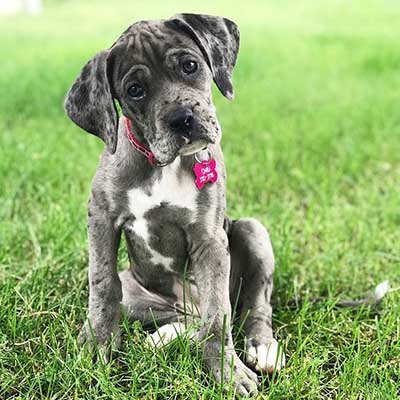
Boxane
Numerous owners consider the Boxane, a crossbreed between the Boxer and Great Dane, to be a remarkable combination of both parent breeds. The characteristics and behavior of these hybrids can vary widely, even among puppies born in the same litter, primarily due to the dominance of certain genes. Typically categorized as a large breed, Boxanes usually weigh anywhere from 60 to 150 pounds. Renowned for their lively disposition, these dogs need consistent exercise, which includes long walks and trips to the dog park. If you are in search of a devoted companion with a notable presence, the Boxane might be the ideal choice for you.
Read more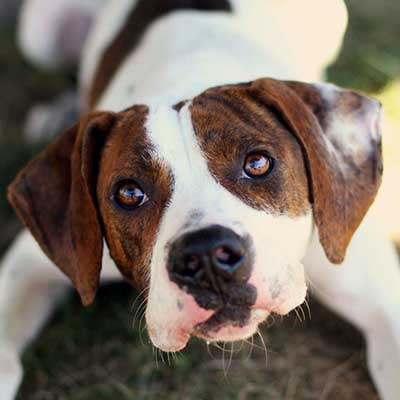
Boxapoint
The Boxapoint is a medium-sized hybrid dog known for its friendly, intelligent, patient, and gentle nature, making it a wonderful companion at home. This breed showcases a variety of colors, primarily seen in shades of brown, black, tan, and red, often appearing in different combinations. Their coat is generally short and fine, designed to withstand various weather conditions, which allows them to thrive outdoors. Boxapoints need plenty of exercise and may require some patience during training due to their occasional stubbornness. They are social animals that enjoy the company of other pets and children. To keep your Boxapoint healthy, it is crucial to provide at least an hour of vigorous exercise each day.
Read more
Box-a-Pug
The Box-a-Pug is a hybrid breed that emerges from the crossbreeding of a Boxer and a Pug. Their size can range from small to medium, influenced by the dominant traits of either parent breed. Often called Poxers, these dogs typically feature short coats that may be light brown, black, or brindle. They usually have curly tails, though some may have straight ones. Their muzzles are intermediate in length, being longer than a Pug's but shorter than a Boxer's. Renowned for their intelligence and lively disposition, Box-a-Pugs make wonderful companions and tend to get along well with children. They love to snuggle but can also act as vigilant watchdogs, despite their compact size.
Read more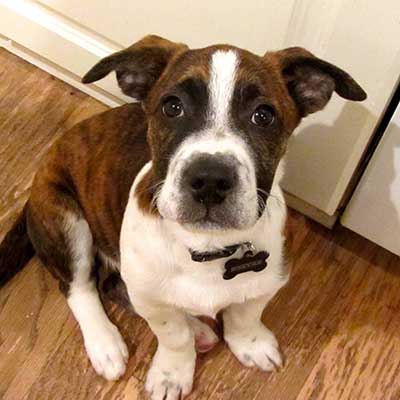
Boxer Basset
The Boxer Basset is an excellent choice for a family pet, known for its loving and loyal disposition, playful nature, and fondness for cuddling. This breed is perfectly content to spend hours relaxing on the couch with you while watching TV, but once they step outside, they become enthusiastic trackers. Their exceptional sense of smell enables them to detect nearby animals, often just for the excitement of the chase. With a robust physique, the Boxer Basset features a long body, large floppy ears, and a short coat. Although they may show a bit of stubbornness and sulk at times, their overall demeanor is friendly and cheerful, earning them affection from everyone around.
Read more
Boxerdoodle
The Boxerdoodle is a cherished hybrid breed celebrated for its intelligence, friendly demeanor, and family-friendly qualities. The size of a Boxerdoodle can vary widely, depending on whether its Poodle parent is a toy, miniature, or standard type, resulting in dogs that range from small to large. Generally, these amiable canines stand between 10 and 25 inches tall and weigh between 12 and 70 pounds. Their coats are dense and can feature either curly or wavy textures, primarily in dark brown, but they can also come in white, tan, and black hues. While Boxerdoodles can comfortably adapt to both indoor and outdoor settings, they tend to flourish in indoor environments, especially the miniature and toy versions.
Read more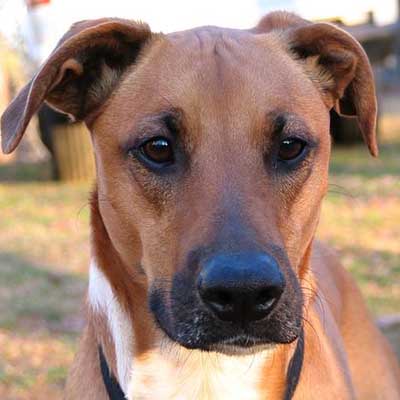
Boxerman
The Boxerman is a large breed that emerges from the combination of a Boxer and a Doberman Pinscher. These dogs are celebrated for their friendly and sociable demeanor, while also exhibiting the traits of a strong protector, thanks to their bravery and loyalty. Weighing approximately 60 pounds and standing around 24 inches tall, the Boxerman can have a rather imposing appearance. However, beneath this intimidating exterior lies a gentle companion, especially fond of children and other pets when monitored. They thrive on both play and work. Their coat is short and sleek, coming in various colors, though it often showcases blends of brown and white, black and white, or black and brown. It’s essential to remember that their fur lacks weather resistance, so they should not be left outside during extreme weather conditions.
Read more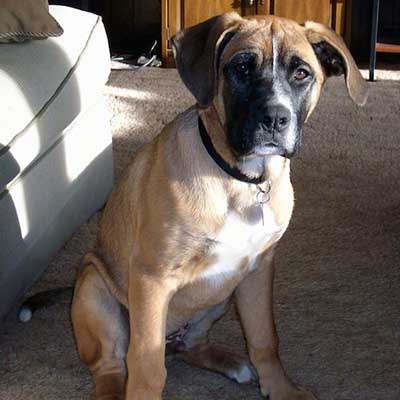
Boxer Shepherd
The Boxer Shepherd is a remarkable crossbreed that combines the traits of the Boxer and the German Shepherd. Due to the size of its parent breeds, you can anticipate that a Boxer Shepherd will be quite substantial, generally weighing between 65 and 95 pounds. This energetic and enthusiastic hybrid needs ample daily exercise to maintain both its physical health and mental stimulation. Some Boxer Shepherds may display high energy levels, making it essential to provide suitable activities to channel their vigor. Even with a yard at their disposal, it's crucial for your dog to enjoy at least one walk each day. Renowned for their intelligence, Boxer Shepherds also excel as protective companions.
Read more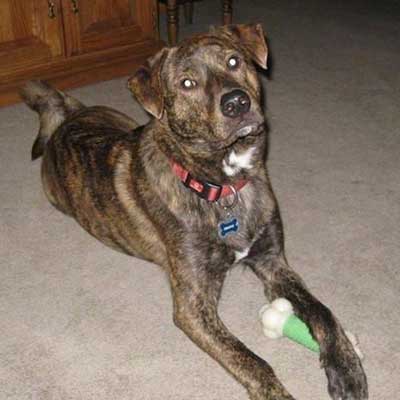
Box Heeler
The Box Heeler is a hybrid breed that emerges from the combination of a Boxer and a Blue Heeler. As a relatively new addition to the dog world, there is not much information available about this mix. To better understand what to expect from a Box Heeler puppy, it’s essential to look at the characteristics of its parent breeds. The Boxer, which typically weighs between 50 and 80 pounds, is a large dog celebrated for its playful and inquisitive demeanor. On the other hand, the Blue Heeler, also known as the Australian Cattle Dog, is a medium-sized breed known for its high energy levels. This breed is characterized by its independence and occasional stubbornness, thriving when given specific tasks. Consequently, a Box Heeler is likely to inherit a combination of these traits, resulting in a lively and agile dog full of vigor.
Read more
Boxmas
The Boxmas, a hybrid breed resulting from the combination of a Boxer and a Mastiff, is known for its affectionate nature, loyalty, and strong devotion to its family. If not trained properly from a young age, this breed can develop a strong attachment to one particular owner. Typically calm and not prone to excessive barking, the Boxmas is a well-mannered companion. Although its origins are not thoroughly documented, this breed has gained recognition in Europe in recent years. With a sharp awareness of its surroundings, the Boxmas is skilled at monitoring its environment and effectively guarding against potential threats. While it may seem intimidating at first, its endearing personality is likely to win you over. The breed boasts a short, dense coat that is water-resistant, making grooming easy, provided it receives regular exercise and energetic playtime.
Read more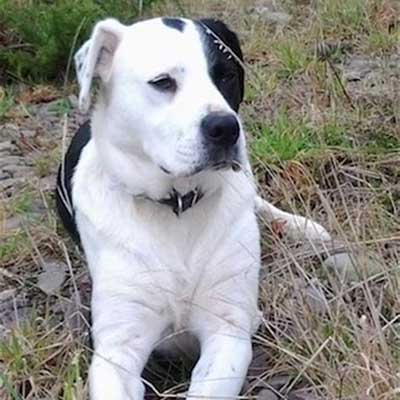
Boxollie
The Boxollie, a lively and affectionate breed, is cherished for its deep bond with family. This hybrid dog results from crossing a Boxer with a Border Collie. Although the precise origins and date of its development are not well-documented, it is thought that the Boxollie emerged in Europe during the era of hybrid breeds. Renowned for its keen awareness and courage, this spirited dog is perpetually curious and active. With a combination of loyalty and intelligence, the Boxollie thrives in various pursuits, such as agility, competitive obedience, herding, and even roles in law enforcement. Its coat typically ranges from short to medium length and is available in several colors, including brown, white, and black. Keeping a Boxollie fit is quite manageable, requiring just regular grooming and daily exercise.
Read more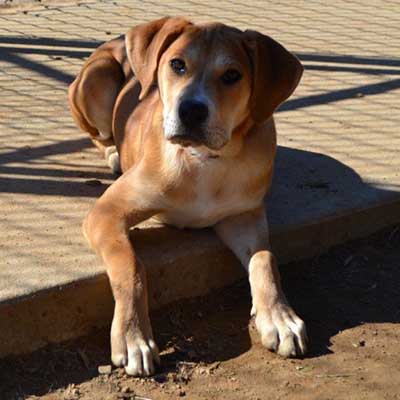
BT Walker
The BT Walker is a hybrid dog resulting from the crossbreeding of the Treeing Walker Coonhound and the Boxer. This robust breed boasts short, coarse fur that adapts well to different weather conditions. Both of its parent breeds are celebrated for their hunting and working skills, which contribute to the BT Walker's energetic disposition and desire for activity. Due to its heritage, this breed is likely to be quite vocal, reflecting the Treeing Walker Coonhound's propensity to bark often. If you're in search of a companion that not only excels in hunting but also serves as a vigilant guardian against unusual occurrences around your home, the impressive BT Walker may be the perfect fit. This breed is known for its friendly, loyal, playful, and protective characteristics. While it can make a formidable guard dog, the BT Walker may also display territorial and stubborn behaviors, highlighting the importance of early socialization.
Read more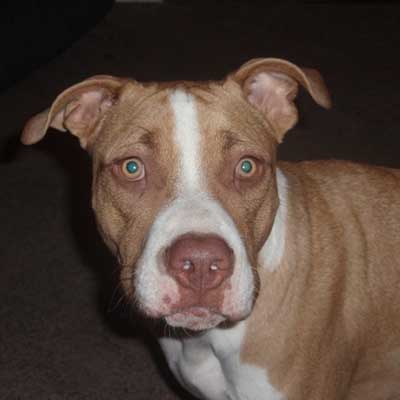
Bullboxer Pit
The Bullboxer Pit, commonly known as the American Bullboxer, is a popular mixed breed. This hybrid is created by crossing a Boxer with an American Pit Bull Terrier, both of which were originally bred for bull and bear baiting because of their impressive strength. While these dogs can make excellent family pets, it is essential to start training and socialization early to develop a calm and self-assured demeanor. Continuous training throughout their lives will lead to the most favorable results. Their short, smooth coats require minimal upkeep, although they do shed year-round and are prone to drooling.
Read more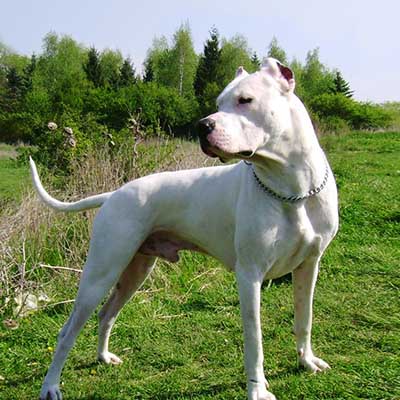
Dogue Brasileiro
The Dogue Brasileiro is a loyal and courageous hybrid breed, born from the union of a Bull Terrier and a Boxer. This large dog serves excellently as both a family pet and a vigilant protector. Renowned for their affectionate nature towards children, they can also live peacefully with other animals if they are socialized properly from an early age. Generally, the Dogue Brasileiro reaches a height of about 22 inches and weighs around 80 pounds. Their coat is thick and shiny, available in a range of colors such as brown, black, brindle, tan, or red, often adorned with white markings on the chest, face, tail, and paws. Due to their intelligence and desire to please, they are relatively straightforward to train, making them easier to manage compared to many other breeds.
Read more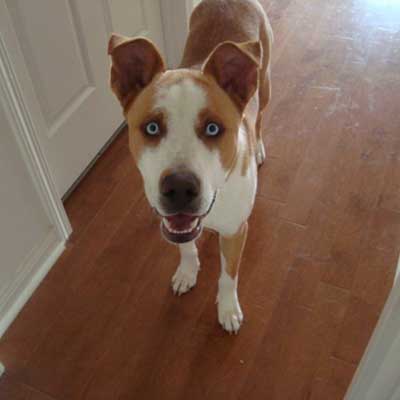
Husker
The Husker, commonly known as the Boxsky or Bosky, is a large hybrid breed that results from crossing a Boxer with a Siberian Husky. Typically, they display the Boxer’s shorter coat and robust build, while also showcasing traits from both parent breeds. These dogs are known for their high energy and need for significant daily exercise, making them ideal companions for active families who enjoy engaging in play, whether inside or outside. Huskers are extremely affectionate and crave human interaction, often striving to be the focal point of attention and going to great lengths to achieve this. However, their need for companionship can lead to undesirable behaviors if they are left alone for long periods. When outdoors, they may try to escape from a tall-fenced yard, and indoors, they might become noisy or destructive if they experience boredom or frustration. Generally, Huskers are good with children and can be moderately friendly with other dogs, especially if they receive proper training and socialization from an early age. Nonetheless, training can be a challenge due to their intelligence and occasional stubbornness, so they need an owner who is experienced, patient, and firm to guide them effectively.
Read more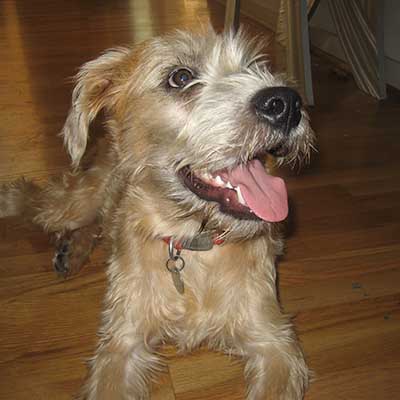
Soft Coated Woxer
When you think of the Soft Coated Woxer, terms like endearing and loving immediately come to mind. This breed is not only clever but also full of playfulness, making them wonderful companions. They thrive on human companionship and can become anxious if left alone for long stretches. With their plush, huggable look, they often maintain a youthful spirit, overflowing with energy and a hint of mischief reflected in their dark, expressive eyes. While they need a moderate amount of exercise, a spacious yard isn’t a requirement; a daily walk paired with some playtime at home is enough to keep them content. The Soft Coated Woxer can exhibit a strong-willed nature, so it’s crucial for their owner to be both assertive and fair. They require a leader they can respect; without proper training, they may become noisy and disruptive, and could resort to digging or chewing on anything they can find. These dogs are quick to learn and respond well to training, although their independent streak can lead to resistance against harsh commands or tones. As a hybrid breed, their appearance can vary widely due to their mixed heritage, typically displaying the muscular physique of a Boxer along with the softer, longer coat of the Soft Coated Wheaten Terrier. Their gentle nature, loyalty, and affectionate disposition make these big softies truly exceptional and cherished companions.
Read more