
Boxerman
Boxerman Pinscher
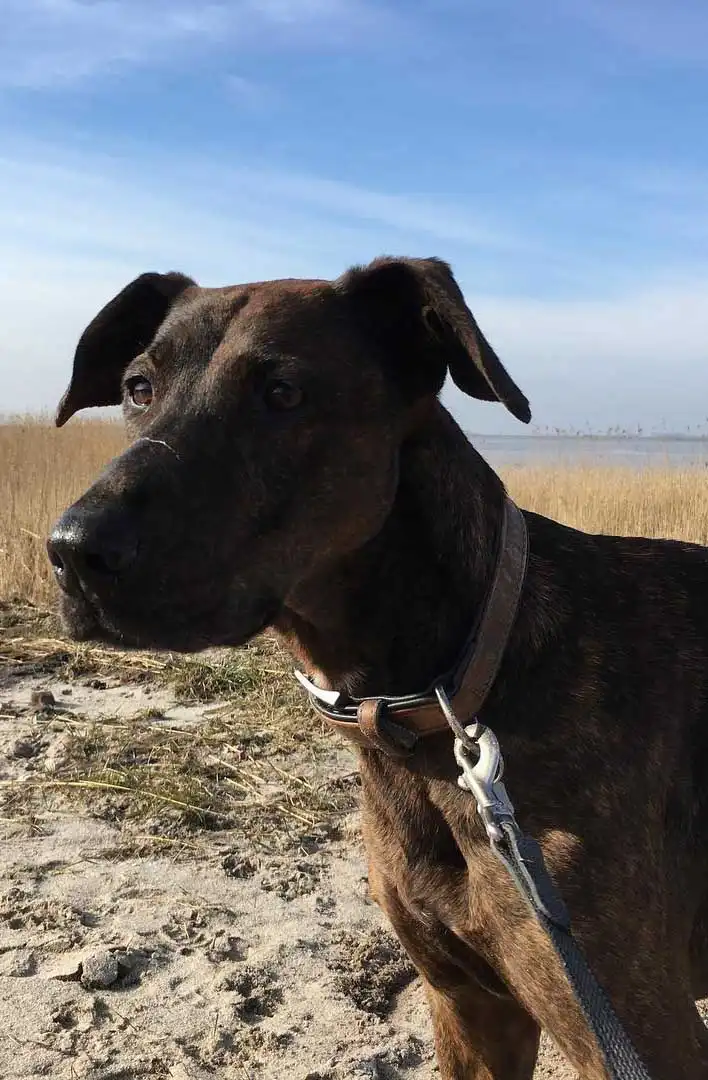
The Boxerman is a large breed that emerges from the combination of a Boxer and a Doberman Pinscher. These dogs are celebrated for their friendly and sociable demeanor, while also exhibiting the traits of a strong protector, thanks to their bravery and loyalty. Weighing approximately 60 pounds and standing around 24 inches tall, the Boxerman can have a rather imposing appearance. However, beneath this intimidating exterior lies a gentle companion, especially fond of children and other pets when monitored. They thrive on both play and work. Their coat is short and sleek, coming in various colors, though it often showcases blends of brown and white, black and white, or black and brown. It’s essential to remember that their fur lacks weather resistance, so they should not be left outside during extreme weather conditions.
Breed Origin
The Boxer breed originated in Germany in the 1800s, initially serving as a guard dog before being repurposed for fighting and bull baiting, activities that were eventually banned. Some enthusiasts trace the Boxer’s ancestry to a collection of European dogs involved in dog fighting in Tibet, while others propose that it shares roots with the Bulldog and Tibetan Mastiff, suggesting a wider connection among various European dog breeds. In the 16th and 17th centuries, the ancestors of Boxers were also used for hunting stags and boars. Renowned for their strength and bravery, Boxers were the first breed officially recognized as police dogs. They were registered with the American Kennel Club (AKC) in 1904 and currently hold the position of the 10th most popular dog in the United States. In a similar vein, the Doberman Pinscher was also developed in Germany during the 1800s and is named after Louis Dobermann from Thuringen, who bred the dog to accompany him on his tax-collecting rounds. This breed quickly gained popularity and was registered with the AKC upon its arrival in America in 1908, where it is now the 15th most common dog. The Doberman is thought to be a mix of Manchester Terriers, Greyhounds, Great Danes, and Rottweilers, with some accounts also including German Shepherds, Weimaraners, and Schnauzers in its lineage. During World War II, Dobermans earned the nickname "Devil Dog" for their role in locating enemy forces. A Boxerman, a hybrid of these two impressive breeds, is likely to inherit a combination of their commendable traits.
Breed Appearance
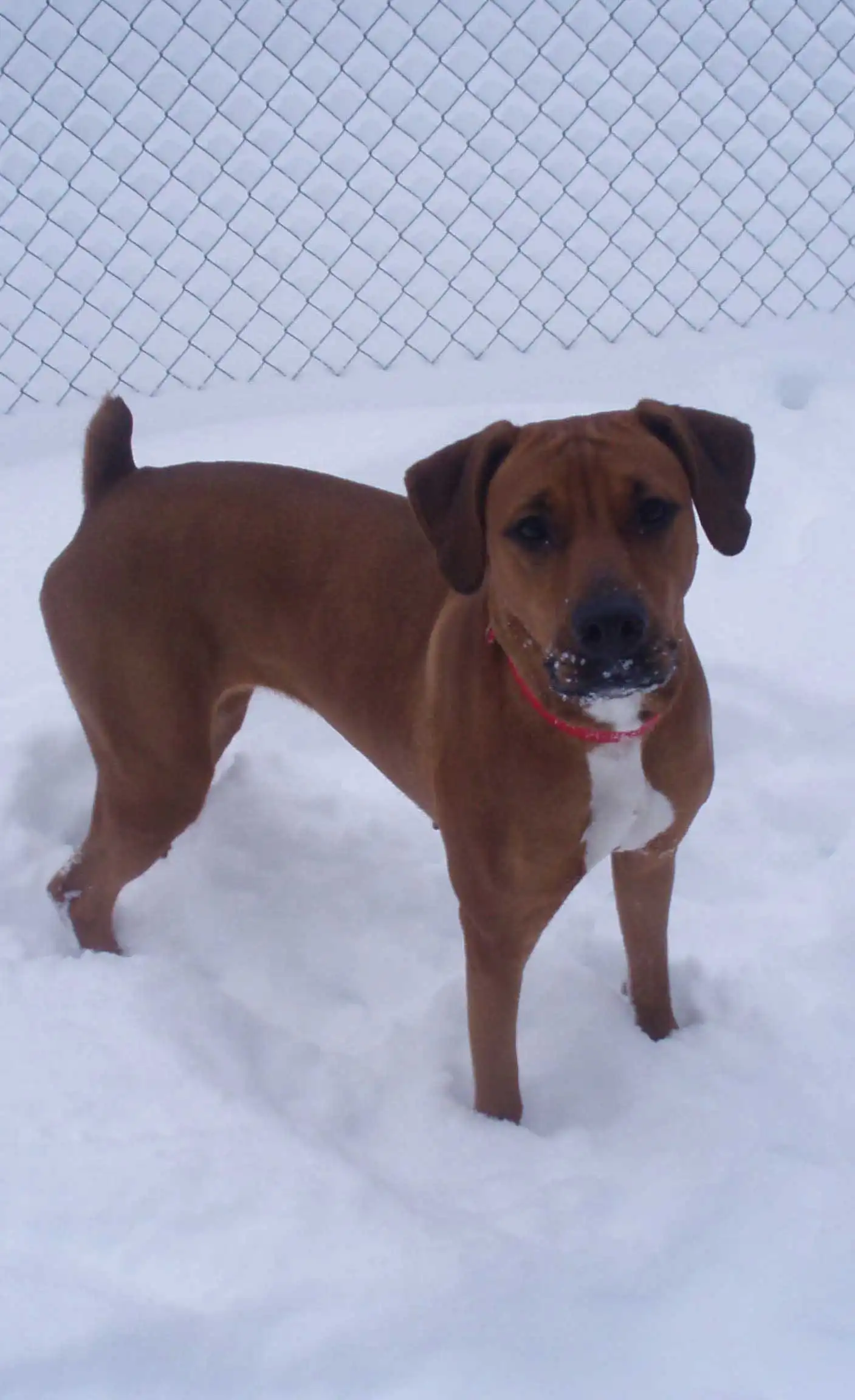
The Boxerman is a sturdy breed known for its muscular build and long, powerful legs. They typically have a square head with an elongated snout, a short coat, and floppy triangular ears, all of which contribute to their wise expression. This breed is characterized by large paws and a long tail that often wags, except when they are on high alert. Although they may bear a resemblance to the Doberman Pinscher, their physique is more akin to that of a Boxer. Boxermans usually stand between 21 and 25 inches tall and weigh between 50 and 70 pounds. These intelligent dogs come in a variety of colors, with the most common combinations being brown and white, black and white, or black and brown.

Care Routine
The Boxerman's short coat means that their grooming needs are quite minimal. A gentle brushing with either a soft or hard bristle brush, or a slicker brush, once or twice a week is adequate, along with occasional baths when absolutely necessary. It's essential to limit shampooing, as frequent washing can remove the vital oils that keep their skin and coat healthy. Regular brushing is also important to manage shedding, which tends to increase during the summer months. Additionally, their nails should be trimmed regularly, and it's recommended to brush their teeth several times a week to prevent dental problems. Ears should be cleaned weekly, and any signs of redness or irritation should be monitored closely.
Behavior & Temperament
This breed is exceptionally intelligent and can be trained fairly easily, although they may show some stubbornness, which requires a steady training approach. It's best to utilize positive reinforcement rather than punishment, as is recommended for all dogs. Renowned for their loyalty and watchfulness, they serve as wonderful family pets and reliable guard dogs. Despite their heritage linked to fighting breeds, neither parent breed exhibits aggressive tendencies. The Boxerman enjoys engaging with children and other animals; however, like all dogs, they should not be left alone with young kids. They have a passion for running and display a playful, humorous personality similar to that of the Boxer.


Play & Exercise
Boxermans are not only enthusiastic about running and playing, but they also relish relaxing and being in your company. They thrive on long walks, jogs, or engaging games of fetch, yet they tend to shy away from extreme weather conditions because of their short fur. Having a fenced yard is a wonderful advantage, as it provides them with a space to burn off energy on nice days while you take a break. Moreover, outings to the dog park or beach make for fantastic adventures for your Boxerman.
Things to Know
Cups Per Day
0.0 Cups
Daily Activity
0 Minutes
Average Lifespan
12 Years
Origin
Unknown
Type
Crossbreeds
Size
Not Set
Origin Country
United States
Brush Frequency
Daily
Coat Texture
Straight
Ancestors
Boxer
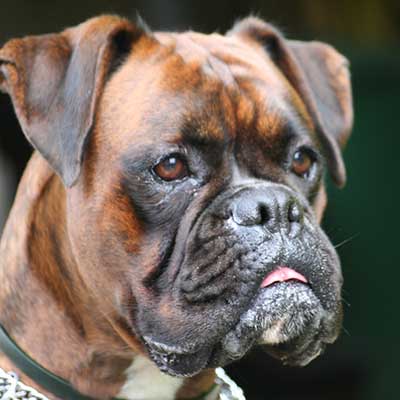
The Boxer breed traces its roots back to Germany in the early 19th century, where it was originally developed for use as a bait and fighting dog, as well as a loyal guardian. Its strong, muscular, and agile build made it ideal for these roles until the prohibition of bull baiting and dog fighting. Since then, the Boxer has gained immense popularity around the globe, renowned for its loyalty, playful nature, and high energy, which make it an excellent family pet. Furthermore, Boxers are recognized for their self-grooming tendencies, resulting in relatively low grooming needs. However, it is crucial to provide them with sufficient mental and physical stimulation; without it, they may exhibit undesirable behaviors.
Read more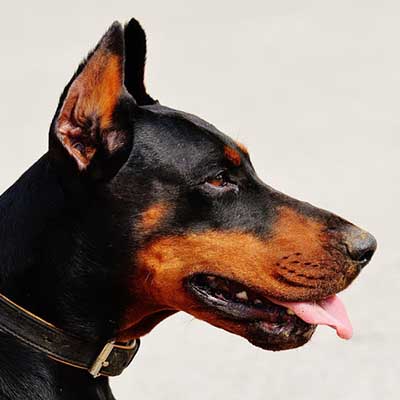
Doberman Pinscher
The Doberman Pinscher is a relatively recent breed, having been developed just over a hundred years ago. Founded by Karl Friedrich Louis Dobermann, this breed was designed to serve as a personal protection dog to aid him during tax collection. Dobermans are medium to large-sized dogs, known for their muscular physique and sleek, shiny coats, often exhibiting a watchful demeanor on their strong, wedge-shaped heads. While they require minimal grooming to keep their coats in good condition, they do need regular, vigorous exercise and mental stimulation due to their athletic nature and intelligence. These dogs are typically very trainable; however, without proper socialization, they may develop dominant or undesirable guarding behaviors that necessitate intervention. Renowned for their remarkable loyalty and alertness, Doberman Pinschers are not only excellent family companions but also excel in roles within the military, police work, and search and rescue operations.
Read moreRegister
Your kids have been begging for a pet forever, and you've recently decided that it's time for your family to get a new addition -- a dog! While everyone is excited for the new arrival, you're wondering if you need to have a dog license. How much does it cost? Is it required? Where do you get one?
Member Clubs

PETINNATE
Other
Height & Weight
Weight
60 lbs (27 kg)Male: 65 lbs (29 kg) , Female: 55 lbs (25 kg)
Height
23 inches (58 sm)Male: 24 inches (61 sm) , Female: 22 inches (56 sm)