Doberman Pinscher
Doberman, Dobermann, Dobie, Dobe
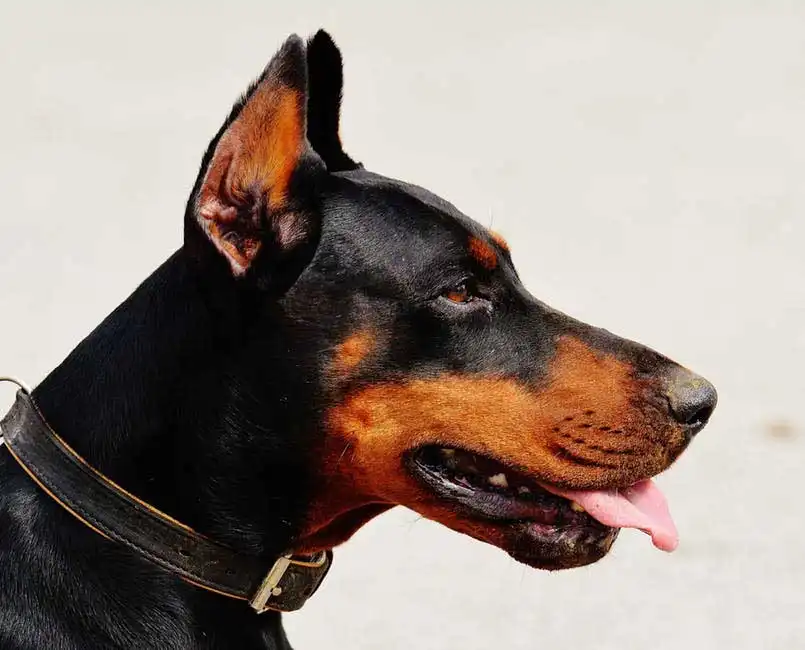
The Doberman Pinscher is a relatively recent breed, having been developed just over a hundred years ago. Founded by Karl Friedrich Louis Dobermann, this breed was designed to serve as a personal protection dog to aid him during tax collection. Dobermans are medium to large-sized dogs, known for their muscular physique and sleek, shiny coats, often exhibiting a watchful demeanor on their strong, wedge-shaped heads. While they require minimal grooming to keep their coats in good condition, they do need regular, vigorous exercise and mental stimulation due to their athletic nature and intelligence. These dogs are typically very trainable; however, without proper socialization, they may develop dominant or undesirable guarding behaviors that necessitate intervention. Renowned for their remarkable loyalty and alertness, Doberman Pinschers are not only excellent family companions but also excel in roles within the military, police work, and search and rescue operations.
Breed Origin
The Doberman Pinscher is a relatively recent breed that originated in Germany in the 1890s. Its founder, Karl Friedrich Louis Dobermann, was a dogcatcher and tax collector who aimed to create a canine partner to assist him in his duties. He envisioned a dog that was not only intelligent and loyal but also courageous and instinctively protective. Unfortunately, Mr. Dobermann did not keep thorough records of the dogs he used for breeding, leaving many of the contributing breeds unknown. Nonetheless, it is thought that the Doberman's ancestry includes several breeds, such as the Thueringen breed (or Thueringen Shepherd), German Pinschers, local sheepdogs, butcher’s dogs, and Black and Tan Terriers. Since their inception, Dobermans have thrived in various capacities, including as guard dogs, police dogs, and military animals. They played crucial roles during World War II, serving as sentries, messengers, and scouts. Notably, Dobermans were vital in supporting U.S. forces during the Battle of Okinawa in 1945, and a memorial statue commemorating the 25 marine war dogs that lost their lives stands in Guam. Despite their strong reputation, these courageous dogs also possess a gentle nature, making them loving pets and devoted companions to those they cherish.
Breed Appearance
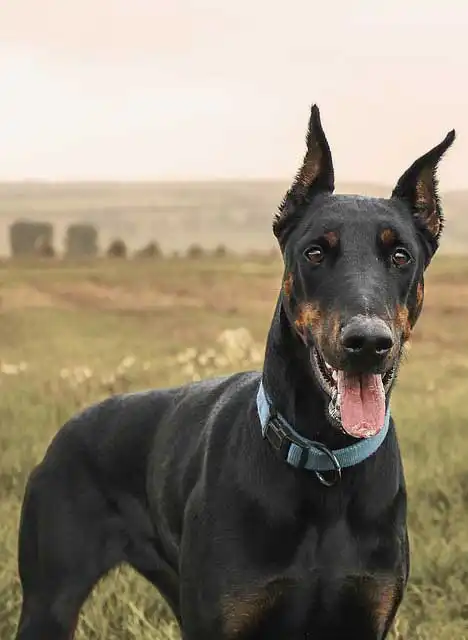
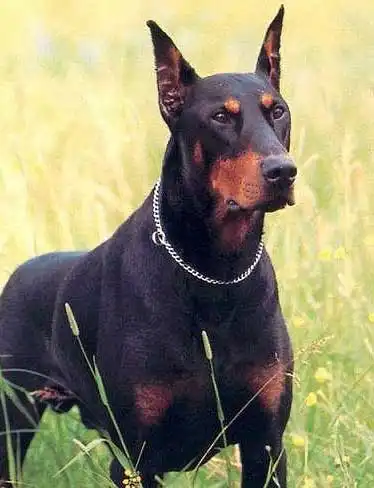
The Doberman is a medium to large breed renowned for its elegant yet athletic build, featuring short, smooth, and glossy fur that accentuates its muscular form. Its head is well-balanced with a wedge shape and a flatter skull compared to many other breeds. The breed is characterized by almond-shaped eyes that express a lively and alert personality, paired with strong jaws. A notable aspect of the Doberman is its triangular ears, which stand upright, along with a short tail; however, these dogs are typically born with longer tails that tend to curl and ears that droop. These features are often altered when the puppies are quite young, generally between seven and twelve weeks old. While the American Kennel Club recognizes the cropped look as the breed standard, many Doberman owners who do not engage in dog shows prefer to leave their pets' tails and ears in their natural state. Doberman Pinschers are officially recognized in four colors: black, red, blue, and fawn, each featuring unique rust-colored markings on their face, chest, and legs. In rare cases, a Doberman may be born albino, displaying a pale cream color referred to as white, or entirely black without any tan markings. It is crucial to understand that albino and white Dobermans may face increased health risks and should be protected from sun exposure, unlike their all-black counterparts, who do not have this sensitivity.

Care Routine
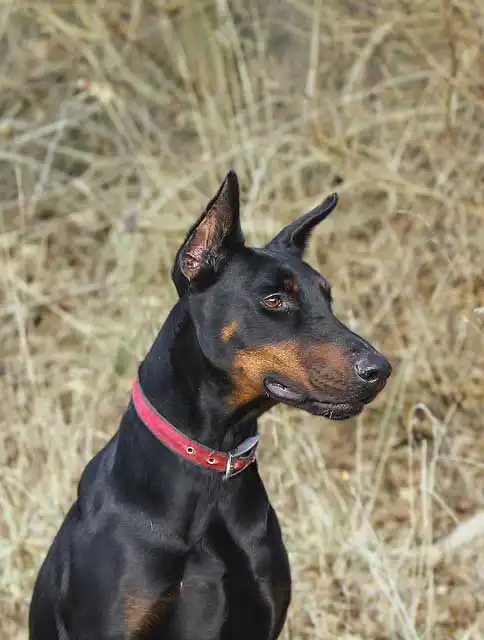
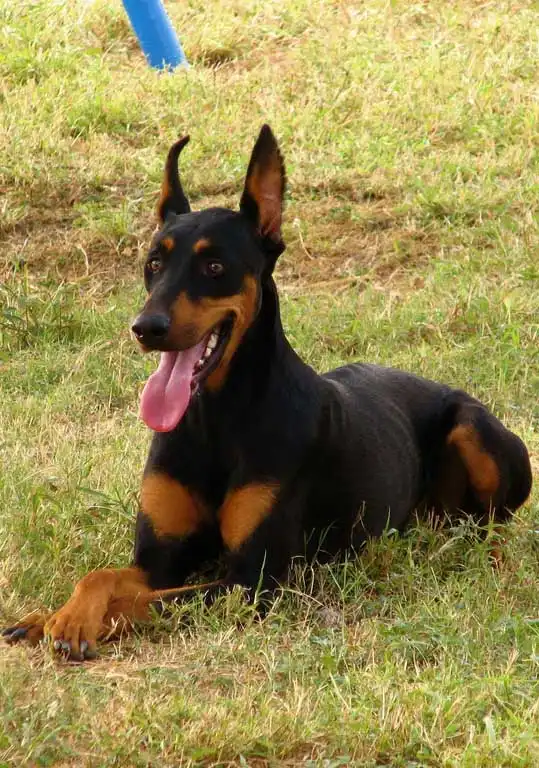
This breed of dog does shed, but not in large amounts, and it is not classified as hypoallergenic. Nevertheless, Doberman Pinschers are recognized for their cleanliness and minimal odor, which translates to lower grooming requirements. To effectively manage shedding and keep them smelling fresh, it is advisable to brush them regularly with a slicker brush and occasionally wipe them down with a damp cloth, while baths are generally only needed every few months. Additionally, it is important to routinely inspect and clean your dog’s ears and brush their teeth to avoid any potential bacterial or fungal infections. These dogs are quite athletic; although they may not have the same high energy levels as some other breeds, they still require a good amount of vigorous exercise each day to maintain their strength and health. Dobermans thrive in spacious areas where they can run and play, but they can also adapt well to apartment living if they receive adequate exercise and consistent training. Moreover, this intelligent breed greatly benefits from mental stimulation, which can be achieved through training sessions or interactive puzzle and foraging toys. Early socialization is especially beneficial for Doberman Pinschers, as a lack of it can lead to heightened anxiety in the dog.
Behavior & Temperament
The temperament of this breed can vary, particularly in terms of dominance and aggression. Dobermans were originally bred for their loyalty and protective nature, which made them popular among families, law enforcement, and military organizations. Unfortunately, during the 1970s, they were also sought after by dog fighting rings, junkyard owners, and drug dealers, who often prioritized breeding for aggression. Fortunately, responsible breeding and proper socialization have greatly reduced the prevalence of aggressive traits in Dobermans. Nowadays, most Dobermans are dignified and friendly companions, showing their protective instincts only when necessary. They thrive as active family members rather than being kept in kennels, although they tend to experience less separation anxiety compared to some other breeds. While they are loving towards their families, they may be wary of strangers. Generally, Dobermans are good with children, but due to their strength, interactions with infants and small kids should always be supervised. They usually get along well with other dogs and pets in the household, particularly if the other dog is of the opposite gender.
Play & Exercise
Things to Know
Cups Per Day
3.0 Cups
Daily Activity
90 Minutes
Average Lifespan
12 Years
Origin
1900s
Type
Pure Breeds
Size
Large
Origin Country
Germany
Brush Frequency
Monthly
Coat Texture
Wiry
Register
Your kids have been begging for a pet forever, and you've recently decided that it's time for your family to get a new addition -- a dog! While everyone is excited for the new arrival, you're wondering if you need to have a dog license. How much does it cost? Is it required? Where do you get one?
Member Clubs

PETINNATE
Guardian Dog

AKC
Working Group

UKC
Guardian Dog
Height & Weight
Weight
74 lbs (34 kg)Male: 80 lbs (36 kg) , Female: 68 lbs (31 kg)
Height
26 inches (66 sm)Male: 27 inches (69 sm) , Female: 25 inches (64 sm)
6 Months
33 lbs ( m 33 lbs, f 33 lbs )
17 inches ( m 17 inches, f 17 inches )
12 Months
55 lbs ( m 55 lbs, f 55 lbs )
23 inches ( m 23 inches, f 23 inches )
18 Months
67 lbs ( m 67 lbs, f 67 lbs )
25 inches ( m 25 inches, f 25 inches )
Eye Colors
Hazel

Brown
Nose Colors
Black
Brown
Coat Colors
Black
Brown
Red
Blue
Fawn
Characteristics
Mixes
Boxerman
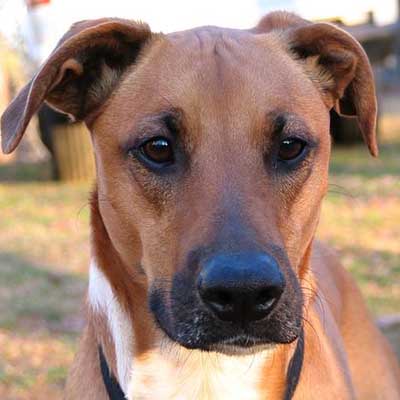
The Boxerman is a large breed that emerges from the combination of a Boxer and a Doberman Pinscher. These dogs are celebrated for their friendly and sociable demeanor, while also exhibiting the traits of a strong protector, thanks to their bravery and loyalty. Weighing approximately 60 pounds and standing around 24 inches tall, the Boxerman can have a rather imposing appearance. However, beneath this intimidating exterior lies a gentle companion, especially fond of children and other pets when monitored. They thrive on both play and work. Their coat is short and sleek, coming in various colors, though it often showcases blends of brown and white, black and white, or black and brown. It’s essential to remember that their fur lacks weather resistance, so they should not be left outside during extreme weather conditions.
Read more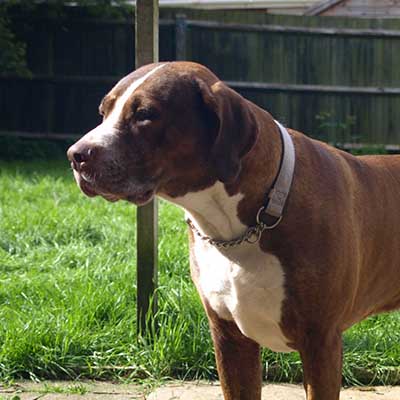
Doberman Bulldog
The Doberman Bulldog is a hybrid breed that emerges from the union of the lively Doberman Pinscher and the fashionable Bulldog. The Doberman Pinscher, a robust dog weighing between 40 and 90 pounds, is celebrated for its loyalty and adventurous nature. With a demeanor that balances calmness and dignity, the Doberman Bulldog can make an excellent family pet. To ensure this breed thrives, it is crucial to engage in early socialization and obedience training.
Read more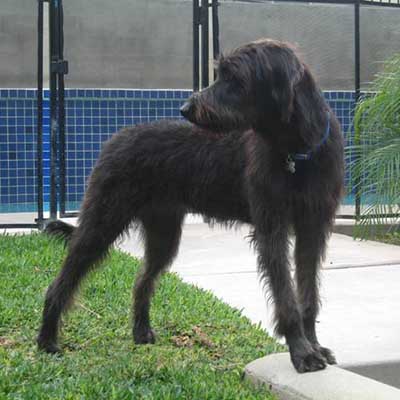
Doodleman Pinscher
The Doodleman Pinscher is a large hybrid breed created by crossing a Doberman Pinscher with a Standard Poodle. This breed is characterized by its thick, wavy coat, which comes in a variety of colors, including black and white, and typically ranges from short to medium in length. Weighing around 75 pounds on average and standing about 26 inches tall, they are generally easy to train. However, they may show signs of stubbornness if not managed with a consistent and firm approach. It's crucial to avoid using physical punishment, as this can provoke aggressive tendencies. Thanks to their Poodle heritage, Doodleman Pinschers require regular grooming and thrive as family pets, especially when they have access to a yard for exercise.
Read more