Doberman Bulldog
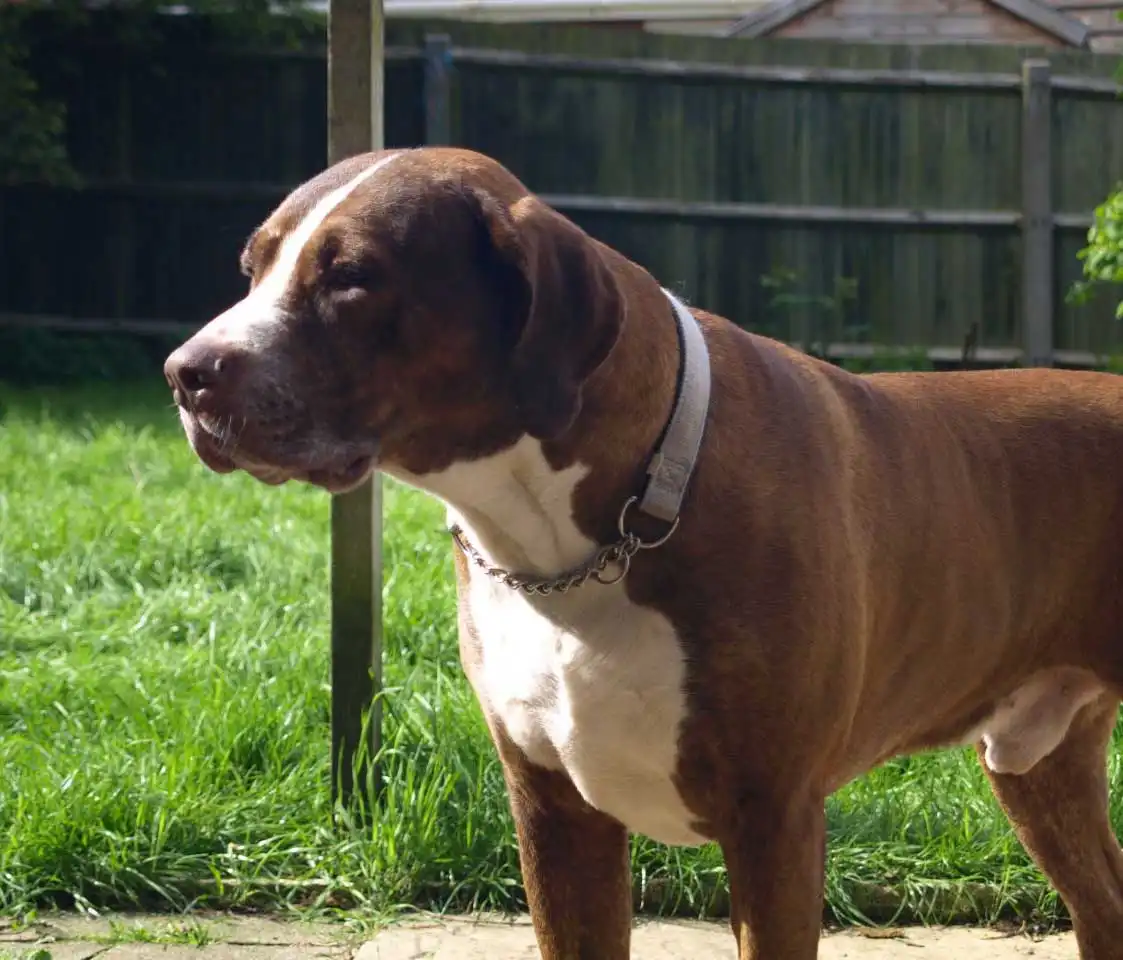
The Doberman Bulldog is a hybrid breed that emerges from the union of the lively Doberman Pinscher and the fashionable Bulldog. The Doberman Pinscher, a robust dog weighing between 40 and 90 pounds, is celebrated for its loyalty and adventurous nature. With a demeanor that balances calmness and dignity, the Doberman Bulldog can make an excellent family pet. To ensure this breed thrives, it is crucial to engage in early socialization and obedience training.
Breed Origin
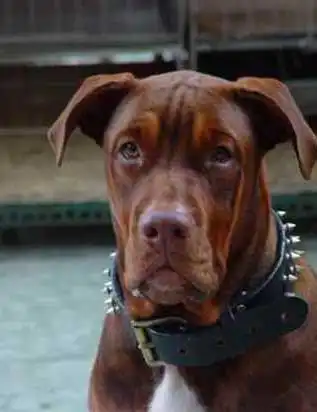
The Doberman Bulldog is a relatively recent hybrid breed that lacks an extensive historical background, unlike its parent breeds, which have rich histories. The Doberman Pinscher was developed by Louis Dobermann, a German tax collector who wanted a dependable guard dog for his safety during his rounds. The initial breeding likely involved a mix of breeds, including the Rottweiler, German Pinscher, Weimaraner, Manchester Terrier, and Beauceron. By 1908, the Doberman Pinscher had gained considerable popularity and was officially recognized by the American Kennel Club. Renowned for its intelligence and ease of training, this breed quickly became a preferred option for military and law enforcement roles. In contrast, the Bulldog has its roots in the ancient Asiatic mastiff and was developed in England. Historical texts, including references in Shakespeare’s "King Henry VI," underscore the breed's long-standing existence. The Bulldog first appeared in the 13th century, originally bred for the cruel sport of bull-baiting, which was introduced by the Earl of Warren. These dogs were trained to grab a bull by the nose and hold on, as it was believed that this practice enhanced the meat's flavor. However, with the eventual ban on bull-baiting, efforts to provoke fights among Bulldogs were largely unsuccessful, as the dogs showed little interest in such behavior. By the mid-1800s, the Bulldog's popularity had significantly declined. To avert extinction, enthusiasts began selectively breeding the dogs to temper their aggressive tendencies while maintaining their unique physical characteristics, leading to the gentle Bulldog we know today.
Breed Appearance
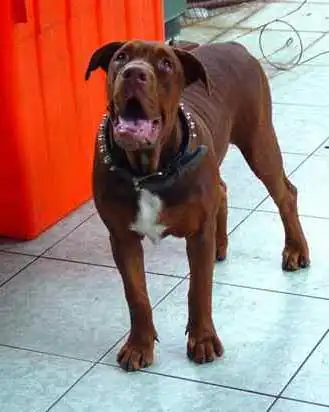
The Doberman Pinscher parent is characterized by a robust and compact build. Its front legs are straight and muscular, while the hind legs also maintain a straight alignment, contributing to a harmonious overall look. This breed typically has compact, well-arched feet and ears that are frequently cropped and held upright; if left natural, the ears adopt a more hound-like appearance. The eyes can vary from fawn to dark brown, and the muzzle is distinguished by strong jaws and well-aligned teeth. In contrast, the Bulldog parent has a stocky physique with broad, muscular shoulders and shorter front legs, while the hind legs are longer. Bulldog feet are characterized by short toes and thick nails. This breed features a notably large head with round, dark eyes that are widely spaced, accompanied by small, thin ears that sit high on the head. Its face is marked by a short, broad muzzle and a prominent nose. The Doberman Bulldog hybrid typically exhibits a short, straight, and fine coat that comes in a variety of colors. It often showcases markings similar to those of the Doberman parent, usually in well-defined rust tones located above the eyes, on the muzzle, throat, chest, legs, feet, and under the tail. Overall, the body shape tends to closely resemble that of the Doberman.

Care Routine
Maintaining your Doberman Bulldog's coat is quite simple; a gentle wipe with a soft cloth or brush a few times each week is usually enough. If your dog has the typical Bulldog wrinkles, it's crucial to clean the folds around his face and near his tail every day to avoid infections. Bathing should be done only when absolutely necessary, as Bulldogs can be prone to skin sensitivities. Also, be ready for some drooling, so having a towel on hand can be very helpful.
Behavior & Temperament
The temperament of the Doberman Bulldog is significantly influenced by its parent breeds. This hybrid is recognized for its intelligence, loyalty, and alertness, making it an excellent choice for a guard dog. While it may show aggression towards unfamiliar dogs and be somewhat reserved around strangers, it is incredibly loving towards its family. Once it gets to know new individuals, its friendly disposition shines through. Generally, this mix is marked by determination, assertiveness, and a fearless attitude, thriving on mental challenges. It is vital to set clear boundaries for your Doberman Bulldog, as the traits inherited from the Doberman can result in overly assertive behavior without proper guidance. Many owners find that this breed is good with children, but, as with any dog, supervision is always necessary.


Play & Exercise
The exercise requirements of a Doberman Bulldog can be understood by examining the characteristics of its parent breeds. The Doberman Pinscher is recognized for its high energy and needs significant physical activity to maintain its health and happiness. These dogs also excel when provided with mental challenges. On the other hand, the Bulldog is generally less active, yet it’s still important to take them on daily walks to promote their overall well-being. Long-distance running or extensive walks are not ideal for Bulldogs, particularly in hot and humid weather, due to their short snouts, which can make breathing difficult. Therefore, a Doberman Bulldog should ideally have at least 45 minutes of exercise each day. A secure yard for running and exploring will greatly enhance its quality of life, and visits to the dog park can foster better socialization. Additionally, since this breed may be sensitive to colder temperatures, it’s advisable to outfit them in a warm sweater during walks in the fall and winter.
Things to Know
Cups Per Day
3.0 Cups
Daily Activity
45 Minutes
Average Lifespan
10 Years
Origin
Unknown
Type
Crossbreeds
Size
Large
Origin Country
Unknown
Brush Frequency
Weekly
Coat Texture
Straight
Ancestors
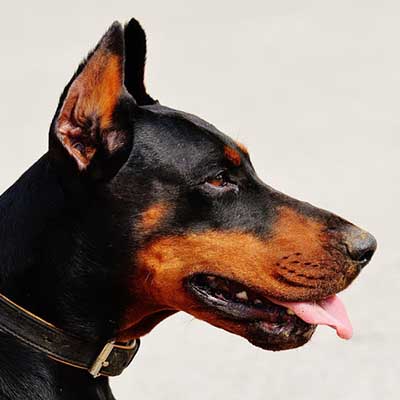
Doberman Pinscher
The Doberman Pinscher is a relatively recent breed, having been developed just over a hundred years ago. Founded by Karl Friedrich Louis Dobermann, this breed was designed to serve as a personal protection dog to aid him during tax collection. Dobermans are medium to large-sized dogs, known for their muscular physique and sleek, shiny coats, often exhibiting a watchful demeanor on their strong, wedge-shaped heads. While they require minimal grooming to keep their coats in good condition, they do need regular, vigorous exercise and mental stimulation due to their athletic nature and intelligence. These dogs are typically very trainable; however, without proper socialization, they may develop dominant or undesirable guarding behaviors that necessitate intervention. Renowned for their remarkable loyalty and alertness, Doberman Pinschers are not only excellent family companions but also excel in roles within the military, police work, and search and rescue operations.
Read more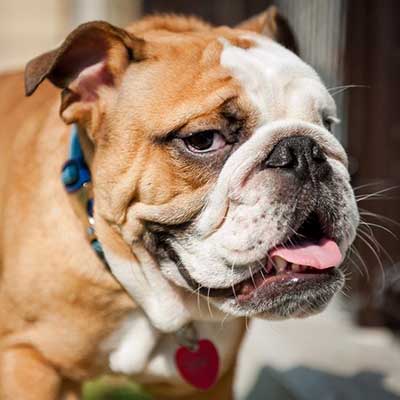
English Bulldog
The Bulldog often reveals a surprising contrast between its fierce, intimidating look and its true character. Beneath that tough facade lies a gentle and loving nature; these dogs are remarkably friendly and deeply value their human companions, all while exhibiting a playful streak of stubbornness. Above all, their loyalty to their families is steadfast. As puppies, Bulldogs are brimming with energy, but they gradually evolve into more laid-back adults. They have a special affinity for children, showcasing impressive patience; when they’ve had enough excitement, they simply relocate to a quieter area. Bulldogs also get along well with other pets, making them one of the most versatile breeds for households with multiple animals. As they age, Bulldogs tend to become a bit more sedentary, preferring to relax by your side and observe their surroundings. While they enjoy playtime with kids, it won’t be long before they seek out their favorite sunny spot for a nap. It’s essential to keep in mind that Bulldogs can easily overheat, so they need a cool retreat during the hot summer months. Additionally, they are known for their drooling and snoring, and their short snouts can lead to specific health concerns. Nonetheless, they are charming and devoted companions that bring joy and laughter to any household.
Read moreRegister
Your kids have been begging for a pet forever, and you've recently decided that it's time for your family to get a new addition -- a dog! While everyone is excited for the new arrival, you're wondering if you need to have a dog license. How much does it cost? Is it required? Where do you get one?
Member Clubs

PETINNATE
Other
Height & Weight
Weight
64 lbs (29 kg)Male: 65 lbs (29 kg) , Female: 63 lbs (29 kg)
Height
21 inches (53 sm)Male: 22 inches (56 sm) , Female: 20 inches (51 sm)
Eye Colors
Brown
Nose Colors
Black
Coat Colors
Black
Gray
Red
Fawn
White
Brindle