
English Bulldog
English Bulldog, British Bulldog
The Bulldog often reveals a surprising contrast between its fierce, intimidating look and its true character. Beneath that tough facade lies a gentle and loving nature; these dogs are remarkably friendly and deeply value their human companions, all while exhibiting a playful streak of stubbornness. Above all, their loyalty to their families is steadfast. As puppies, Bulldogs are brimming with energy, but they gradually evolve into more laid-back adults. They have a special affinity for children, showcasing impressive patience; when they’ve had enough excitement, they simply relocate to a quieter area. Bulldogs also get along well with other pets, making them one of the most versatile breeds for households with multiple animals. As they age, Bulldogs tend to become a bit more sedentary, preferring to relax by your side and observe their surroundings. While they enjoy playtime with kids, it won’t be long before they seek out their favorite sunny spot for a nap. It’s essential to keep in mind that Bulldogs can easily overheat, so they need a cool retreat during the hot summer months. Additionally, they are known for their drooling and snoring, and their short snouts can lead to specific health concerns. Nonetheless, they are charming and devoted companions that bring joy and laughter to any household.
Breed Origin
The Bulldog's ancestry can be traced back to ancient Mastiffs from Asia, which nomadic tribes introduced to Europe. Through careful breeding practices, these Mastiffs transformed into the Bulldog we know today. With their short muzzles and broad lower jaws, Bulldogs were ideally suited for the harsh sport of bull baiting. They would keep a low profile to avoid being tossed by the bull, using their strong jaws to grip its nose. Their uniquely upturned noses allowed them to breathe while holding on, which is how they acquired the name "Bulldog." Despite their high tolerance for pain, many Bulldogs faced injuries or even death in this brutal activity. In 1835, bull baiting was outlawed in England, raising concerns about the Bulldog's future. At that time, Bulldogs were recognized for their aggression, a trait honed through breeding with other fierce dogs, which made them less suitable as pets. Before the ban, they were also used in bear baiting, but later breeding efforts focused on fostering a more gentle disposition. The breed eventually spread to America and Germany, where they became cherished companions and played a role in the development of the Boxer breed. Bulldogs are now celebrated for their steadfast loyalty and determination, earning them the role of mascots for various colleges and the United States Marine Corps. Over the years, the breed's once fearsome image has faded, and today, Bulldogs are adored for their loving and gentle temperament.
Breed Appearance
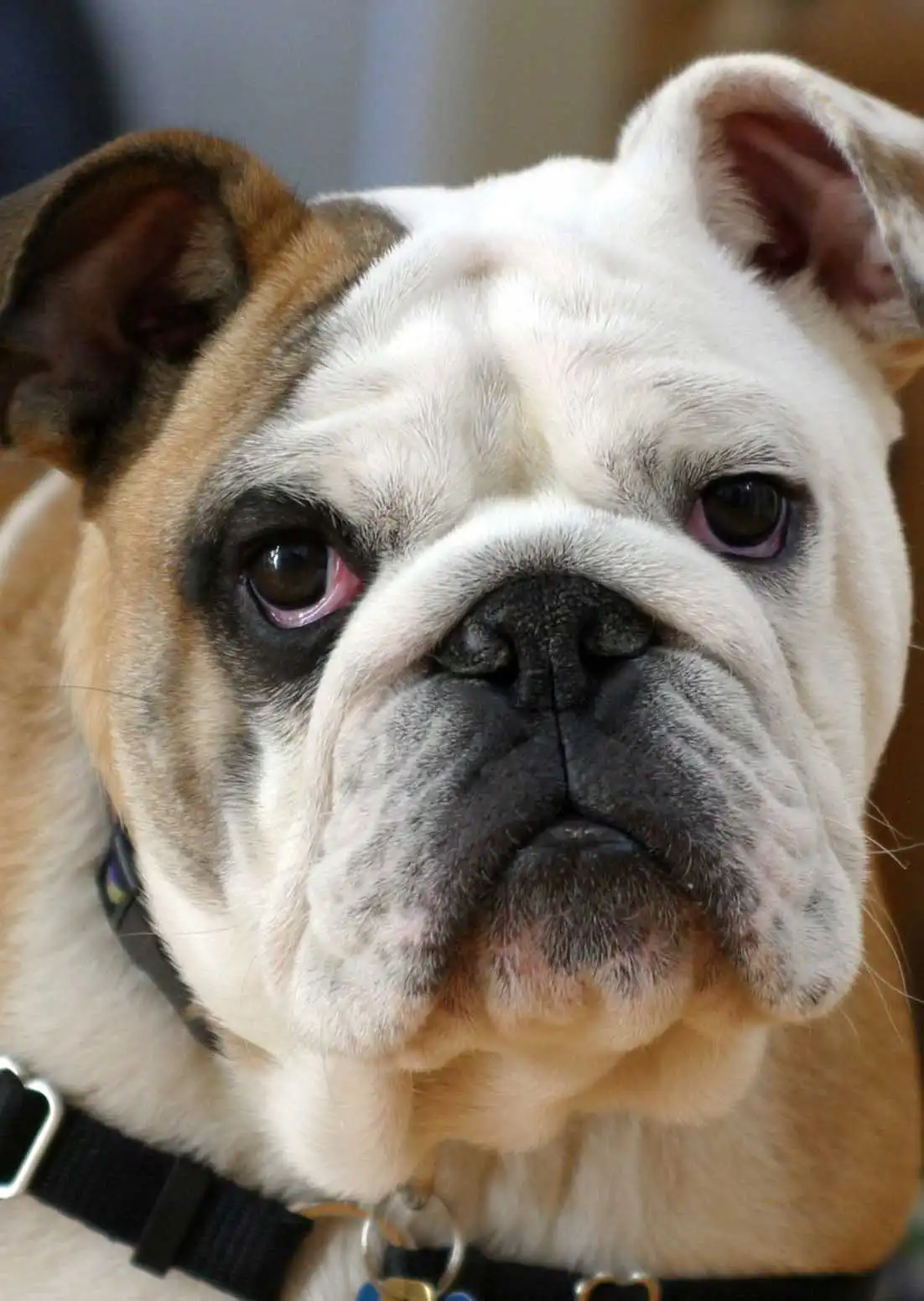
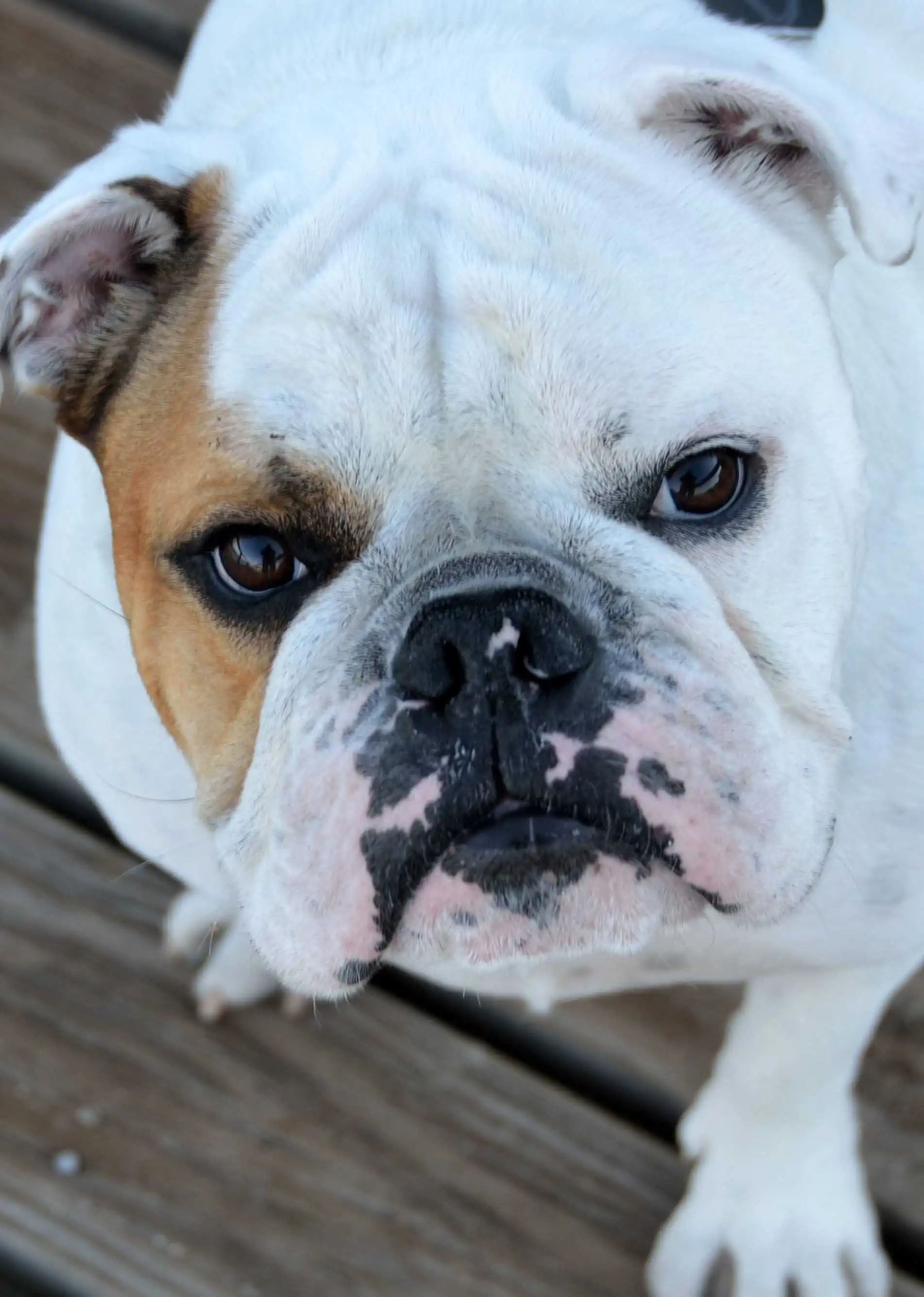
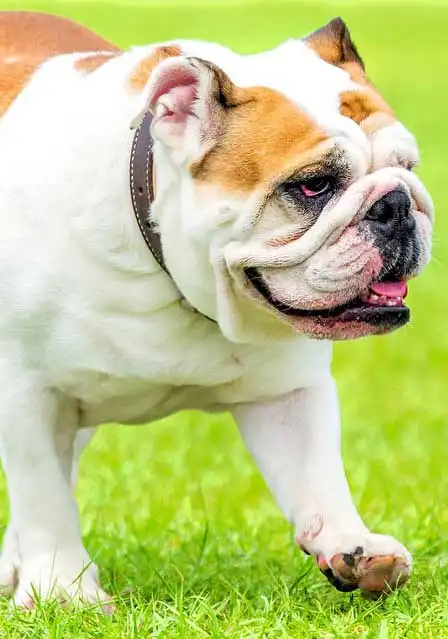
The Bulldog is a robust and compact breed, known for its medium stature and short legs. This breed has a distinctive way of moving, often shuffling in a loose-jointed manner that can resemble a sideways roll. Once they reach maturity, Bulldogs become quite substantial, making them more challenging to lift. They have a large body and head, featuring excess skin on the skull along with those signature facial folds and wrinkles. Their cheeks protrude outward beside their eyes, while their short, wide muzzle is pug-like, characterized by a broad, deep stop. Although their broad black noses have sizable nostrils, the short muzzle can sometimes cause breathing issues. Bulldogs have dark, deeply set eyes and small, thin ears that are positioned high on their heads. Their jaws are particularly striking—broad, square, and powerful, with upper lips that hang down. Typically, Bulldogs display an underbite, a feature that was essential during their historical role in bull baiting, as it enabled them to grip the bull’s nose firmly. While this aggressive instinct has largely faded in contemporary Bulldogs, they still possess the impressive physical traits that once served them well. Their tails can be straight or corkscrew-shaped and are carried low. With their soft, smooth coats, Bulldogs are undeniably adorable as puppies, coming in a range of colors such as red brindle, white, piebald, and more.
Care Routine
The Bulldog is a breed that demands relatively little upkeep, primarily due to its short, soft coat, which only needs to be brushed with a firm bristle brush once a week and wiped down daily with a damp cloth. It's important to pay special attention to the skin folds, ensuring they are cleaned to remove any debris and to check for signs of inflammation, sores, or parasites. After cleaning, make sure to dry these folds thoroughly. Other grooming responsibilities include trimming their nails and maintaining dental hygiene; starting these routines early will help your Bulldog adapt to them. Regular ear inspections are also necessary; gently wipe away any dirt and wax with a cloth, but refrain from inserting anything into the ear canal. Bulldogs tend to be quite sedentary indoors, making them ideal companions for apartment living, and they exhibit a low to moderate energy level. Nonetheless, they do need a daily walk to stay fit, as they can easily gain weight due to their fondness for food. Their brachycephalic (short-nosed) anatomy makes them particularly vulnerable to extreme temperatures; they require air conditioning during hot weather, as even a short exposure to 85-degree heat can pose serious risks. It's vital to ensure they have access to plenty of fresh water and a shallow kiddie pool for cooling off, but caution is advised around deeper water, as their large heads hinder their swimming ability, increasing the risk of drowning.
Behavior & Temperament
The Bulldog is known for its calm demeanor and dignified presence, making it a delightful companion. While this breed can be trained, it often displays a stubborn nature, so patience is key during obedience training. It’s recommended to enroll your Bulldog in obedience classes for both its safety and your own reassurance; however, socialization is just as important. This ensures that your Bulldog can interact positively with other dogs at parks or daycare. Generally, Bulldogs get along well with other pets, but a well-trained Bulldog is usually a better fit for households with cats or new animals. They are affectionate towards children, though they may not have the high energy that kids often desire in a playmate. Bulldogs enjoy spending their afternoons relaxing with their families, whom they protect fiercely. This breed thrives on attention and requires ongoing training, making them a wonderful addition to any home.

Play & Exercise
Things to Know
Cups Per Day
2.0 Cups
Daily Activity
30 Minutes
Average Lifespan
9 Years
Origin
1200s
Type
Pure Breeds
Size
Medium
Origin Country
England
Brush Frequency
Weekly
Coat Texture
Straight
Register
Your kids have been begging for a pet forever, and you've recently decided that it's time for your family to get a new addition -- a dog! While everyone is excited for the new arrival, you're wondering if you need to have a dog license. How much does it cost? Is it required? Where do you get one?
Member Clubs

PETINNATE
Companion Dog

AKC
Non-Sporting Group

UKC
Companion Dog
Height & Weight
Weight
51 lbs (23 kg)Male: 52 lbs (24 kg) , Female: 50 lbs (23 kg)
Height
13 inches (33 sm)Male: 14 inches (36 sm) , Female: 13 inches (33 sm)
6 Months

37 lbs ( m 37 lbs, f 37 lbs )
8 inches ( m 8 inches, f 8 inches )
12 Months
46 lbs ( m 46 lbs, f 46 lbs )
9 inches ( m 9 inches, f 9 inches )
18 Months
49 lbs ( m 49 lbs, f 49 lbs )
12 inches ( m 12 inches, f 12 inches )
Eye Colors
Brown

Nose Colors
Black
Coat Colors
Red
Brindle
White
Fawn
Pied
Characteristics
Mixes
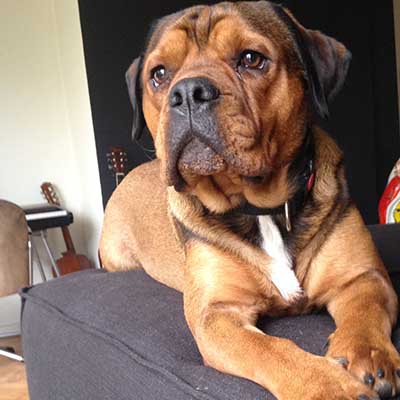
Bullador
The Bullador is a hybrid breed that combines the English Bulldog and the Labrador Retriever, creating a dog that typically ranges from medium to large in size and is celebrated for its friendly and outgoing personality. Although they can act as guard or watch dogs, this behavior is largely attributed to their imposing physical stature rather than their inherent temperament. On rare occasions, the Bulldog's original aggressive instincts might emerge, particularly if the dog is in severe pain or has endured a traumatic event. This mixed breed is known for its intelligence, which usually facilitates an easy training process; however, if they do not receive enough mental stimulation, they may engage in playful antics.
Read more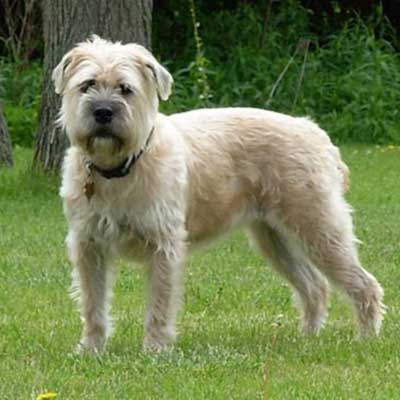
Bully Wheaten
The Bully Wheaten is a medium-sized dog resulting from the crossbreeding of the Bulldog and the Soft Coated Wheaten Terrier. This breed is known for its strong health, often living up to 15 years with few genetic health issues. They have a medium-length, fluffy coat that comes in a variety of colors, such as white, black, brown, or red. Bully Wheatens are recognized for their friendly and gentle demeanor, making them great companions for children and compatible with other pets. However, they can be challenging to train, which may pose difficulties for first-time dog owners. While generally calm and not overly active, they do require encouragement to participate in regular exercise.
Read more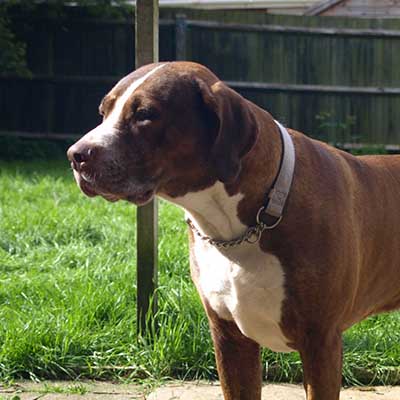
Doberman Bulldog
The Doberman Bulldog is a hybrid breed that emerges from the union of the lively Doberman Pinscher and the fashionable Bulldog. The Doberman Pinscher, a robust dog weighing between 40 and 90 pounds, is celebrated for its loyalty and adventurous nature. With a demeanor that balances calmness and dignity, the Doberman Bulldog can make an excellent family pet. To ensure this breed thrives, it is crucial to engage in early socialization and obedience training.
Read more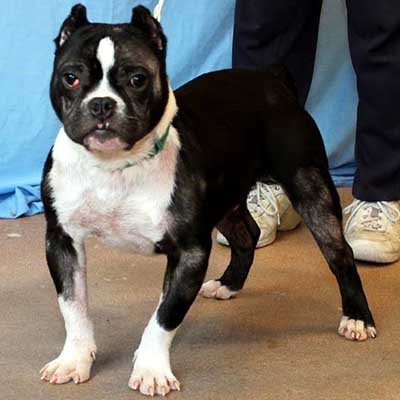
English Boston-Bulldog
The English Boston Bulldog is an endearing and loving companion that typically falls within the small to medium size category, distinguished by its robust and compact physique. This delightful hybrid, a blend of the Boston Terrier and the English Bulldog, is celebrated for its loyalty and deep connections with family members. They are quite sensitive and do not thrive when left alone for long periods. While they relish spending time lounging with their owners, they also eagerly engage in activities like fetch. However, they are vulnerable to extreme weather conditions; high temperatures can result in heatstroke, and they are not particularly fond of severe cold either. Although these dogs are lively during their puppy years, they generally become more relaxed as they grow older.
Read more
English Bull Springer
The English Bull Springer is a gentle and somewhat reserved breed, making it an excellent companion for families. This hybrid was created by crossing the English Bulldog with the English Springer Spaniel. Often characterized as a calm and easygoing dog, the English Bull Springer thrives on living harmoniously with its family. While its specific history is not well-documented, it shares the rich backgrounds of its parent breeds. This breed tends to bark occasionally but is not known for excessive vocalization. Its coat can be either short and sleek or soft and fluffy, with both variations being low-maintenance and requiring minimal grooming. The English Bull Springer possesses a moderate level of energy.
Read more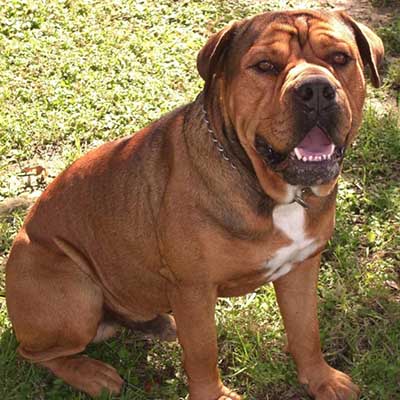
English Bullweiler
The English Bullweiler is a charming and affectionate breed, known for its playful nature and delightful sense of humor, though it can also be quite stubborn. This sociable dog thrives on human interaction and prefers to be in the company of people to stave off loneliness. While he may bark out of boredom, implementing early and consistent training can help mitigate this tendency. The breed's origins are somewhat ambiguous, lacking comprehensive records, but it is recognized as a mix between the English Bulldog and the Rottweiler. Despite being a large breed, weighing between 70 to 110 pounds and standing 18 to 25 inches tall, the English Bullweiler remains active and playful. With a short coat that requires minimal grooming and moderate energy levels that can be easily managed through regular exercise, this breed makes for both a delightful companion and a dependable guard dog.
Read more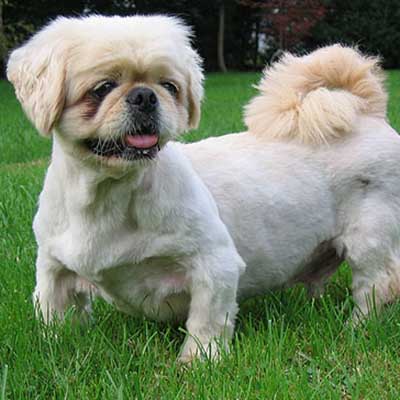
English Lhasa Bull
The English Lhasa Bull is a thoughtfully designed hybrid breed, created through the deliberate pairing of the Bulldog—historically bred for bull-baiting and recognized for its friendly nature—and the ancient Lhasa Apso, a small dog esteemed as a guardian of temples. This mix is anticipated to display a more relaxed temperament and be quieter than the Lhasa Apso. Unlike the typical English Bulldog, the English Lhasa Bull is likely to retain its playful and lively spirit well into its adult years. Generally, these dogs are gentle in nature, although they may feel apprehensive around strangers. In summary, they can make wonderful, enduring companions, fitting for households of any size.
Read more
Miniature English Bulldach
The Miniature English Bulldach is a thoughtfully designed hybrid breed, created by combining the English Bulldog—originally developed as a companion for bull baiting—with the Dachshund, a tenacious hunting dog known for pursuing badgers and foxes in their dens. Like many mixed breeds, the Miniature English Bulldach can inherit various characteristics from both parent breeds. Typically, this breed is more robust and relaxed than the Dachshund, showcasing a longer muzzle, back, and tail than the English Bulldog, along with a bit more vitality. They are generally friendly with individuals of all ages, but it’s crucial to monitor their interactions with other dogs and children. While they usually coexist peacefully with other pets, some male Miniature English Bulldachs may display aggression towards other dogs, and their Dachshund heritage may lead them to chase small or fast-moving animals.
Read more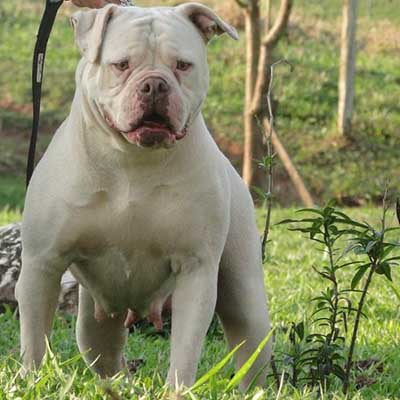
Mountain Bulldog
The Mountain Bulldog is a large hybrid breed created by crossing the English Bulldog with the Bernese Mountain Dog. Since these breeds are mainly acknowledged by American dog organizations, it is probable that the Mountain Bulldog was developed in the United States. These hybrids have a strong and muscular physique, which can appear intimidating to those unfamiliar with them. However, they are recognized for their friendly and playful demeanor, making them excellent companions for families with children and other animals. This breed is quite versatile and can flourish in different living situations, although their dense coats indicate a preference for cooler weather.
Read more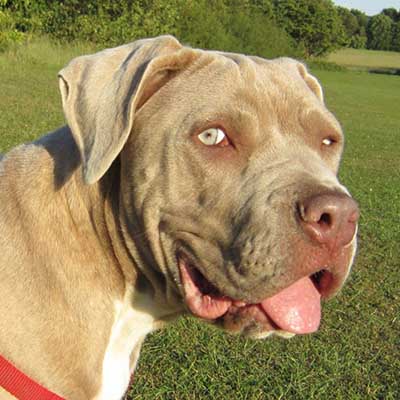
Presa Bulldog
The Presa Bulldog is a sturdy and well-built hybrid, resulting from the combination of the Perro de Presa Canario and the English Bulldog. It’s clear that merging a Mastiff with a Bulldog creates a powerful and resilient canine. This breed boasts an impressive physique and is recognized for its attentiveness, confidence, and obedience, often showing a healthy caution around unfamiliar people. However, the affectionate and playful nature inherited from the Bulldog means that the Presa Bulldog is not just an intimidating figure. Prospective owners must dedicate themselves to effective training and socialization to avoid the development of any negative traits. With its history as a working dog and a deep, commanding bark, the Presa Bulldog makes an excellent choice for those in search of a loyal and dependable protector. This breed is fiercely devoted to its family, a trait that reflects the strong loyalty found in its Presa Canario ancestry. While this loyalty is a valuable quality, it can pose challenges if not properly managed, as both parent breeds have a background that includes aggression suited to their original purposes. Thus, early socialization and consistent training are vital to keep these instincts in check, ensuring that this large dog remains calm and well-behaved.
Read more