Presa Bulldog
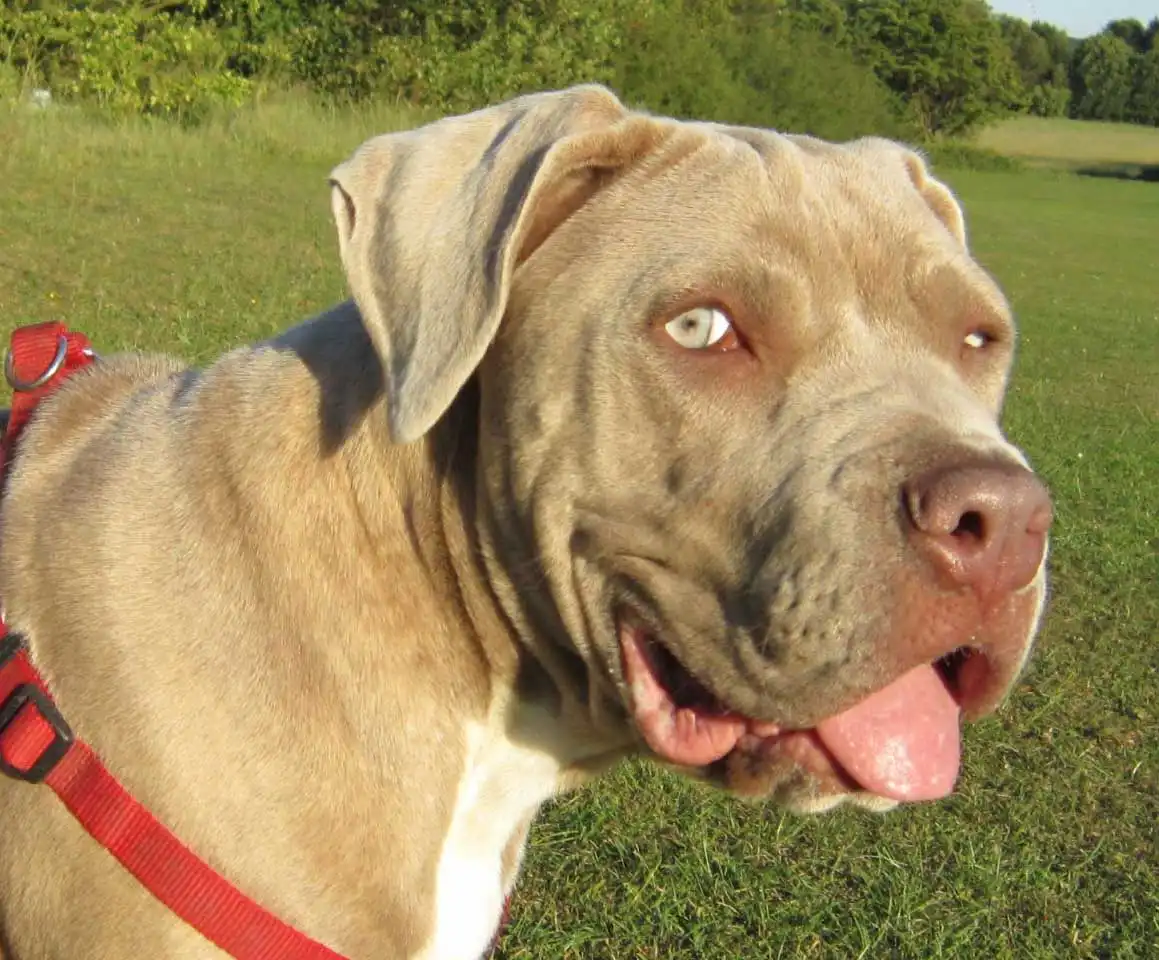
The Presa Bulldog is a sturdy and well-built hybrid, resulting from the combination of the Perro de Presa Canario and the English Bulldog. It’s clear that merging a Mastiff with a Bulldog creates a powerful and resilient canine. This breed boasts an impressive physique and is recognized for its attentiveness, confidence, and obedience, often showing a healthy caution around unfamiliar people. However, the affectionate and playful nature inherited from the Bulldog means that the Presa Bulldog is not just an intimidating figure. Prospective owners must dedicate themselves to effective training and socialization to avoid the development of any negative traits. With its history as a working dog and a deep, commanding bark, the Presa Bulldog makes an excellent choice for those in search of a loyal and dependable protector. This breed is fiercely devoted to its family, a trait that reflects the strong loyalty found in its Presa Canario ancestry. While this loyalty is a valuable quality, it can pose challenges if not properly managed, as both parent breeds have a background that includes aggression suited to their original purposes. Thus, early socialization and consistent training are vital to keep these instincts in check, ensuring that this large dog remains calm and well-behaved.
Breed Origin
The Presa Bulldog, which emerged in the early 2000s, does not have a clearly defined origin story, but its parent breeds certainly do. To appreciate what sets this hybrid apart and the rationale behind its creation, we need to delve into the histories of the Bulldog and the Perro de Presa Canario individually. Understanding their distinct backgrounds will illuminate the motivations that led to the development of the Presa Bulldog. Let’s start with the Perro de Presa Canario. This breed's ancestry is thought to date back to the 15th and 16th centuries, likely originating from mastiff-type dogs that Spanish explorers brought to the Canary Islands. The initial breeds that contributed to the Presa Canario included the Iberian Presa, a variant of mastiff, along with various Bulldog breeds. A notable addition to this lineage was the Bardino Majorero, a sheepdog recognized for its intelligence and bravery. The Presa Canario was bred to protect family farms from stray or wild animals and to help manage livestock. However, its strength and formidable appearance made it a target for dog fighting, which led to a significant decline in its population over a short period. It wasn't until dog fighting was outlawed and the breed returned to its original farming role that the Presa Canario began to rebound. By the 1970s, interest in the breed surged as its reputation as a strong, loyal, and calm guardian dog attracted families. The breed has maintained its popularity since then and was officially recognized by the American Kennel Club in 1996. In contrast, the Bulldog has a history that spans at least 500 years. While modern Bulldogs are small and friendly, their ancestors were quite different—tall and fierce. This imposing stature was crucial for their original role in bull baiting, a brutal sport that served both as entertainment and a practical function, with Bulldogs gripping bulls by the nose to restrain them for procedures like castration or breeding. Such a demanding role required a dog that was strong, fierce, and fearless. Although the Bulldog's physical characteristics remained consistent for centuries, they began to evolve with the advent of dog shows. As these events gained popularity, Bulldogs were selectively bred for shorter legs, larger heads, and stockier bodies. Alongside these physical changes, their temperament also transformed; the fierce nature of the past gave way to a gentler and more courageous demeanor, marked by a calm yet dignified presence. Eventually, Bulldogs made their way to the United States, where they were recognized as an official breed by the American Kennel Club in 1886. They quickly became successful show dogs and beloved family companions, a status they continue to enjoy today.
Breed Appearance
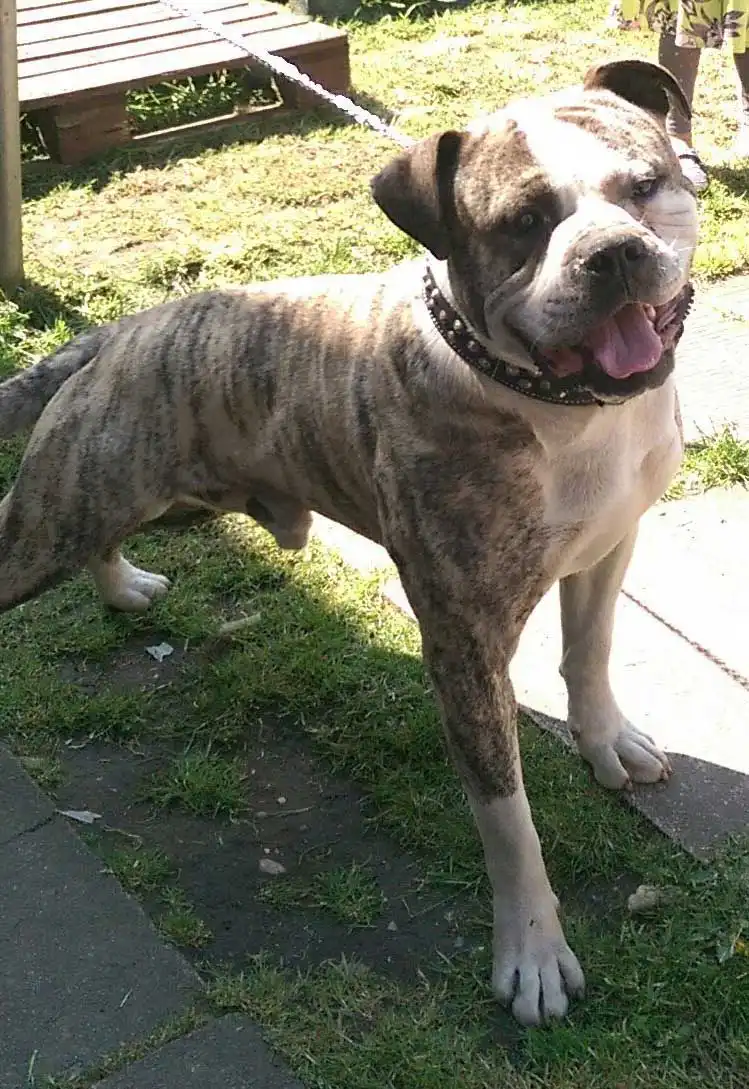
The Presa Bulldog is a hybrid breed that combines traits from both the Presa Canario and the Bulldog. This genetic diversity leads to a variety of physical appearances, even among puppies from the same litter, with differences in coat color and body shape. Generally, the Presa Bulldog is a large dog characterized by a broad head, a rectangular body with well-defined shoulders, and medium to short legs. Its large, expressive eyes and droopy ears reflect the characteristics of both parent breeds, while the skin around its face often shows slight wrinkling. Overall, the Presa Bulldog typically has the robust body structure of the Presa Canario, complemented by a facial appearance that is more reminiscent of the Bulldog. With a short coat that can vary widely in color, this breed is particularly well-suited for warmer climates.

Care Routine
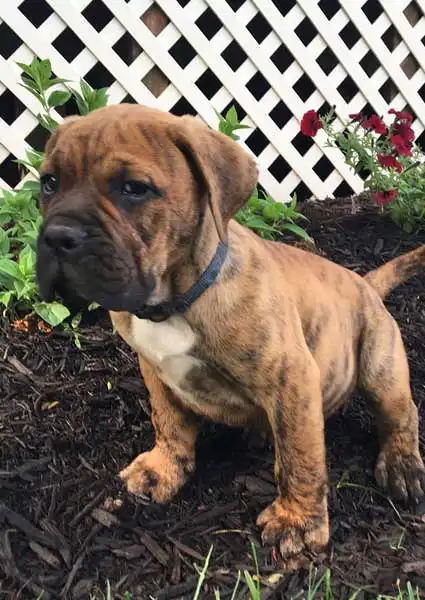
The Presa Bulldog is a relatively easy breed to care for, primarily due to its short coat and minimal doggy odor. While this breed does experience regular shedding, especially during seasonal changes, a weekly grooming session is usually enough to control shedding and keep its coat looking healthy. Bathing should be reserved for instances when your Presa Bulldog gets particularly dirty, as frequent baths are not necessary. Because of its folded ears and loose skin on the face, these areas need special attention. Regular ear cleaning is essential, and it's crucial to ensure they are completely dry after baths or swimming to avoid any ear irritations or infections from trapped moisture. If you see dirt building up in the facial wrinkles from food, a simple wipe will suffice to keep this area clean, although it typically remains tidy on its own. Lastly, don’t forget to trim your dog’s nails every few weeks to keep them at a healthy length and prevent excessive scratching when the dog jumps up.
Behavior & Temperament
This distinctive hybrid breed is definitely not ideal for inexperienced owners. The Presa Bulldog is a large, resolute, and strong-willed dog that often shows a limited tolerance for children and other animals. While these traits require careful thought before bringing one into your home, this breed also has numerous positive attributes. They are loyal, affectionate, intelligent, easy-going, and playful, making them a great option for families in search of a trainable guard dog. Many of these favorable qualities are derived from the Bulldog's playful disposition, which complements the serious nature of the Presa Canario. Merging the strengths of these two powerful breeds, the Presa Bulldog requires considerable attention and training from the beginning. Families with young children or other pets should proceed with caution before adopting this breed; however, with early socialization and exposure to kids or other animals, the Presa Bulldog can adjust more readily. In conclusion, while this breed may not be suitable for first-time dog owners, with the right person, the Presa Bulldog can become a loyal companion who fiercely protects you and enjoys a range of activities, from leisurely runs to cozy snuggles.


Play & Exercise
The Presa Bulldog, a hybrid of the laid-back Bulldog and the more energetic Presa Canario, occupies a middle ground in terms of energy levels. To keep this breed healthy and happy, a couple of hours of exercise each day is adequate. Moreover, due to its intelligence and background as a working dog, the Presa Bulldog needs significant mental engagement to help burn off energy. Activities like engaging training sessions and interactive toys that stimulate problem-solving—such as retrieving treats or searching for a hidden toy—can effectively provide the necessary mental exercise. While the Presa Bulldog is typically calm and can adapt to smaller living environments like apartments or townhouses, it is still a larger breed. Therefore, regular physical activities, including short jogs, extended walks, or playtime in the yard, are crucial for its overall health and fitness.
Things to Know
Cups Per Day
3.0 Cups
Daily Activity
120 Minutes
Average Lifespan
10 Years
Origin
2000's
Type
Crossbreeds
Size
Large
Origin Country
United States
Brush Frequency
Weekly
Coat Texture
Straight
Register
Your kids have been begging for a pet forever, and you've recently decided that it's time for your family to get a new addition -- a dog! While everyone is excited for the new arrival, you're wondering if you need to have a dog license. How much does it cost? Is it required? Where do you get one?
Member Clubs

PETINNATE
Other
Height & Weight
Weight
75 lbs (34 kg)Male: 80 lbs (36 kg) , Female: 70 lbs (32 kg)
Height
20 inches (51 sm)Male: 20 inches (51 sm) , Female: 20 inches (51 sm)
6 Months
60 lbs ( m 60 lbs, f 60 lbs )
14 inches ( m 14 inches, f 14 inches )
12 Months
80 lbs ( m 80 lbs, f 80 lbs )
18 inches ( m 18 inches, f 18 inches )
18 Months
95 lbs ( m 95 lbs, f 95 lbs )
22 inches ( m 22 inches, f 22 inches )
Eye Colors
Brown

Amber
Nose Colors
Black
Brown
Isabella
Coat Colors
White
Gray
Pied
Brindle
Fawn
Brown