English Bull Springer
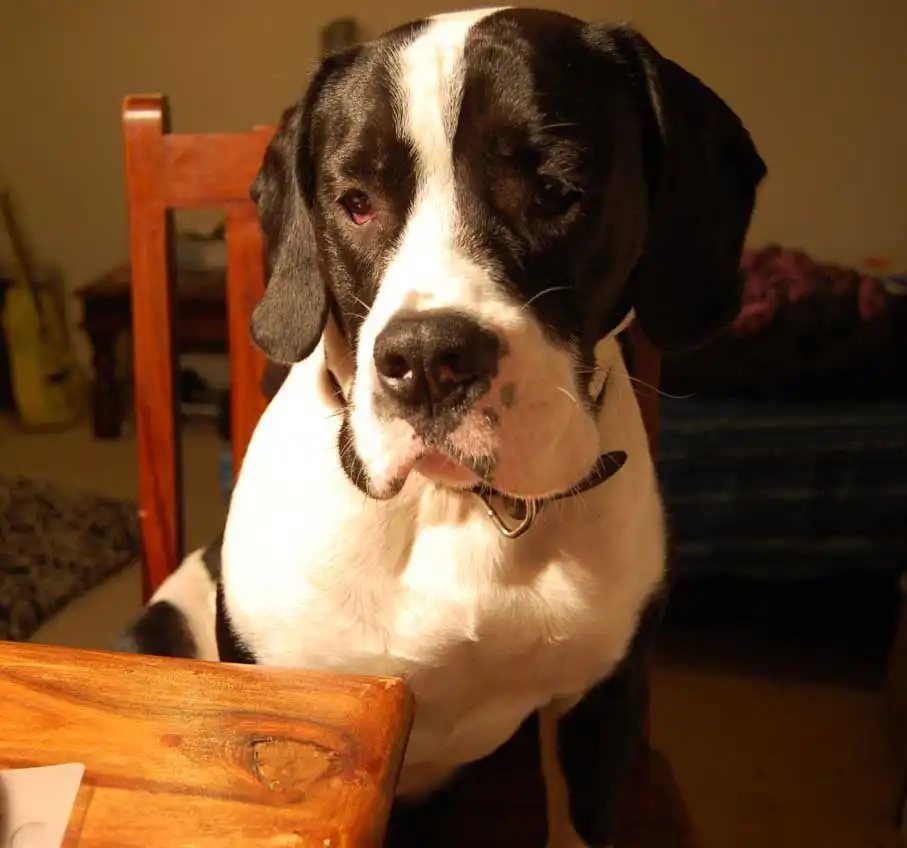
The English Bull Springer is a gentle and somewhat reserved breed, making it an excellent companion for families. This hybrid was created by crossing the English Bulldog with the English Springer Spaniel. Often characterized as a calm and easygoing dog, the English Bull Springer thrives on living harmoniously with its family. While its specific history is not well-documented, it shares the rich backgrounds of its parent breeds. This breed tends to bark occasionally but is not known for excessive vocalization. Its coat can be either short and sleek or soft and fluffy, with both variations being low-maintenance and requiring minimal grooming. The English Bull Springer possesses a moderate level of energy.
Breed Origin
The origins of the English Bull Springer are somewhat ambiguous, with limited historical records available. This breed is a hybrid of two distinct parent breeds: the English Bulldog and the English Springer Spaniel. The English Bulldog is believed to have descended from Mastiffs that were brought from Asia by nomadic tribes who traded them throughout Europe. Over the years, this breed underwent modifications, resulting in a shorter muzzle and a wider lower jaw, traits that were advantageous for bull-baiting. Originally bred for its aggressive nature to participate in bull and boar-baiting, the breed's purpose diminished after bull-baiting was banned in England in 1835. As a result, breeders shifted their focus towards cultivating a more gentle temperament. When the English Bulldog made its way to America and Germany, it became known for its amiable and kind disposition. Conversely, the English Springer Spaniel is thought to trace its roots back to the 16th century, as indicated by various artistic depictions. This breed was initially employed to flush out game birds and small animals, later evolving to assist in hunting hawks with the use of nets. By the 17th century, the English Springer Spaniel had established itself as an effective game-flushing companion for hunters. It received official recognition in the Stud Book of England’s Kennel Club in 1902, and the following year, it gained prominence at a Kennel Club show, which significantly boosted its popularity. In 1913, a Canadian breeder introduced the alert English Springer Spaniel to America. The breed solidified its standing when the English Springer Spaniel Field Trial Association was established in 1934, enabling it to participate in field trials.
Breed Appearance
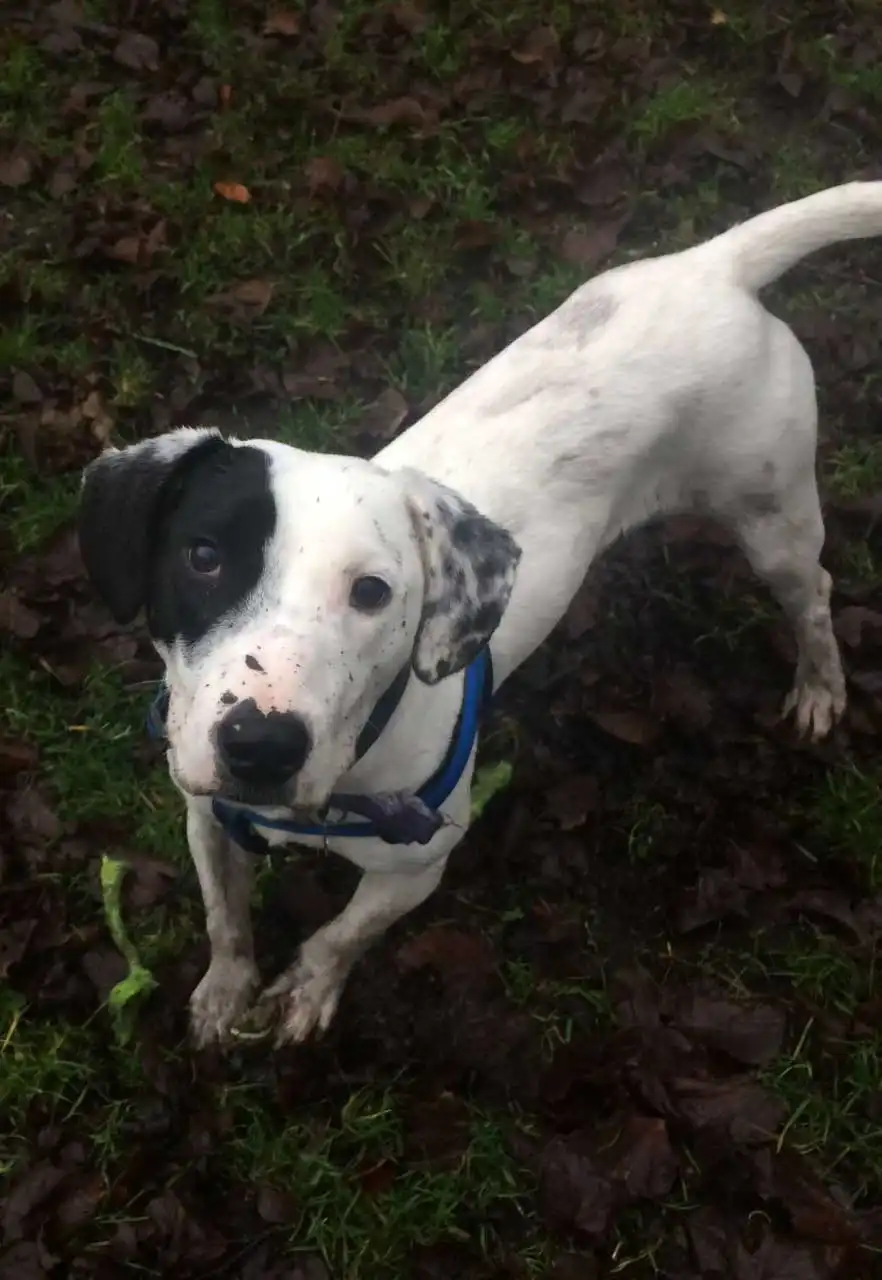
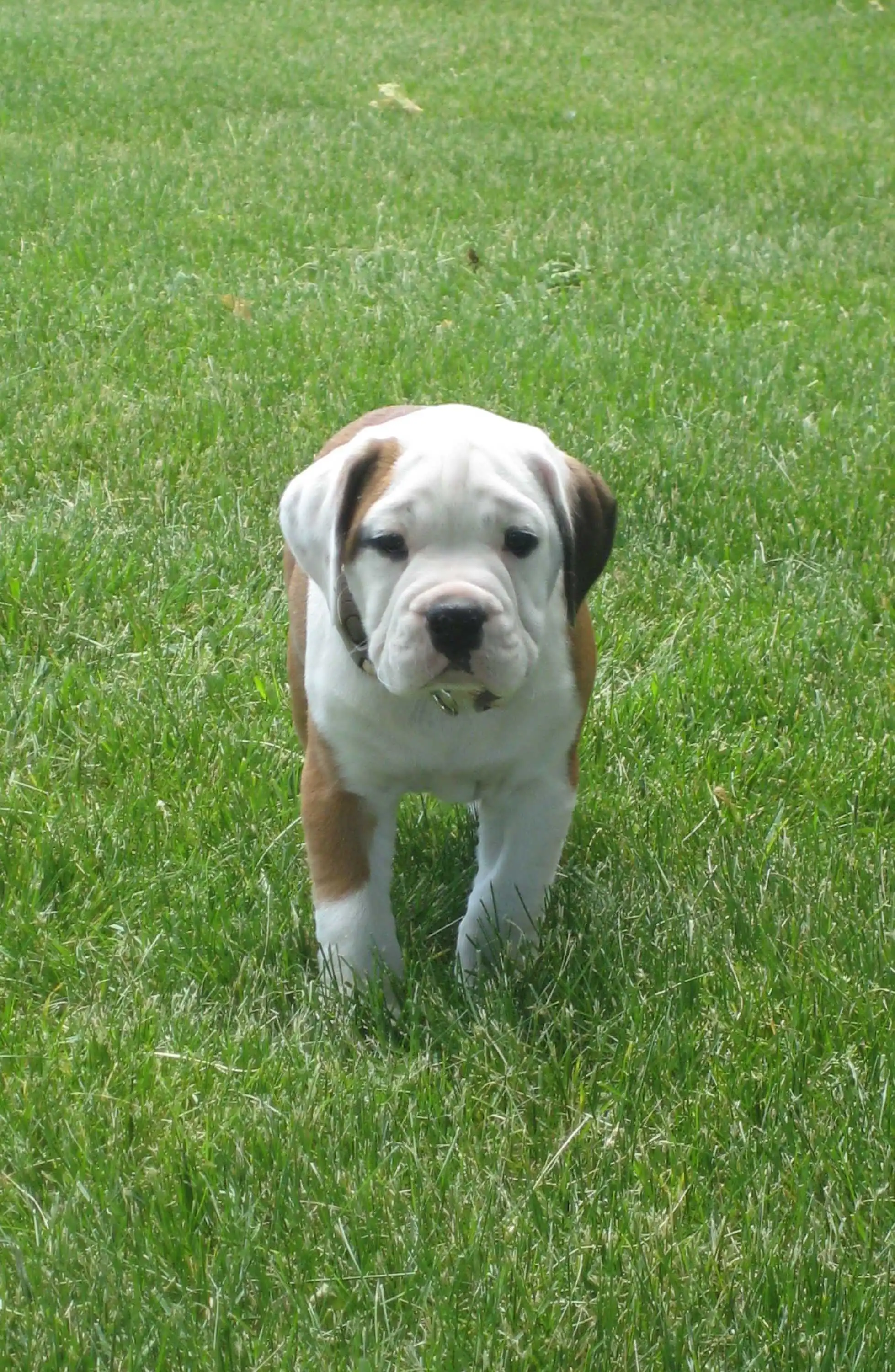
The English Bull Springer exhibits a wide range of appearances due to the absence of a defined breed standard. This hybrid breed results from crossing the English Bulldog with the English Springer Spaniel, allowing it to inherit various characteristics from both parent breeds. Generally, its face is more akin to that of the English Springer Spaniel, showcasing a longer muzzle, while the ears often adopt the folded shape typical of the English Bulldog. The dog's overall demeanor conveys curiosity and attentiveness. Its sturdy, muscular build is primarily derived from its Springer Spaniel ancestry. Coat colors can be quite diverse, featuring combinations of white, brown, tan, and black. Moreover, the tail is typically slender and may exhibit some feathering.

Care Routine
The English Bull Springer is not considered a hypoallergenic hybrid breed, though it does experience moderate shedding. To keep its coat looking tidy, a daily brushing session of about 10 to 15 minutes is advisable. Bathing should be restricted to every 6 to 8 weeks to prevent the skin from producing too much oil. When you do bathe your English Bull Springer, it's important to use a veterinarian-recommended shampoo to avoid skin irritation caused by harsh chemicals. Regular ear cleaning is crucial, with attention given to any signs of excess moisture. Daily brushing of the teeth is also necessary to prevent tartar buildup. Furthermore, nails should be trimmed or filed every 2 to 3 weeks. This breed generally has low drooling tendencies and does not have a significant odor.
Behavior & Temperament
The English Bull Springer is not known for excessive barking; he tends to bark only when he senses a threat. This breed is characterized by its affectionate and loving nature, along with a remarkable adaptability, making it a wonderful companion for families, including those with young children. While generally sociable, he may exhibit some wariness around strangers. To help your English Bull Springer thrive, it’s crucial to engage in early training and socialization to mitigate any anxiety. Once properly trained, he becomes a reliable and eager-to-please pet. He usually gets along well with other dogs, although he might require some time to acclimate to smaller animals. It’s wise to be cautious when introducing him to small pets, but with the right training, he can learn to accept them. Employing positive reinforcement techniques, such as treats, can enhance your relationship with him. With a moderate level of energy, he needs daily exercise to maintain his happiness and health.


Play & Exercise
Your English Bull Springer possesses a moderate level of energy that can be effectively managed through activities such as running, park walks, and playing fetch. To meet his fundamental exercise requirements, it’s recommended to take him on two brisk walks each day; these outings not only provide physical activity but also enhance the bond between you and your pet. While he can adapt to apartment living, it’s crucial that he has daily opportunities to enjoy the outdoors. Ideally, a home in an urban setting with a fenced yard would provide the best environment for him. He flourishes in warm weather, so always ensure he has access to fresh water when outside. Furthermore, it’s important to avoid leaving him alone for long periods, as this may result in destructive behaviors.
Things to Know
Cups Per Day
3.0 Cups
Daily Activity
40 Minutes
Average Lifespan
10 Years
Origin
Unknown
Type
Crossbreeds
Size
Giant
Origin Country
Unknown
Brush Frequency
Daily
Coat Texture
Straight
Register
Your kids have been begging for a pet forever, and you've recently decided that it's time for your family to get a new addition -- a dog! While everyone is excited for the new arrival, you're wondering if you need to have a dog license. How much does it cost? Is it required? Where do you get one?
Member Clubs

PETINNATE
Other
Height & Weight
Weight
117 lbs (53 kg)Male: 117 lbs (53 kg) , Female: 117 lbs (53 kg)
Height
25 inches (64 sm)Male: 25 inches (64 sm) , Female: 25 inches (64 sm)
Eye Colors
Brown

Nose Colors
Black
Coat Colors
White
Brown
Black