Miniature English Bulldach
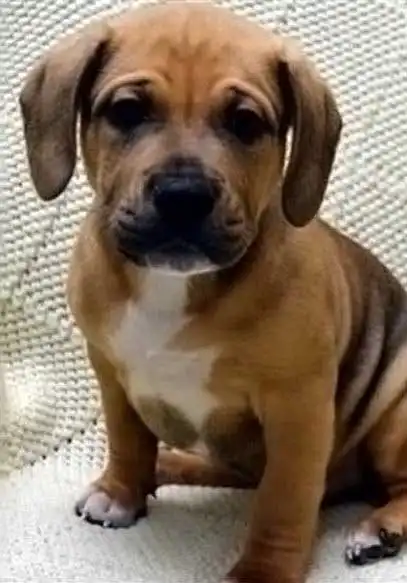
The Miniature English Bulldach is a thoughtfully designed hybrid breed, created by combining the English Bulldog—originally developed as a companion for bull baiting—with the Dachshund, a tenacious hunting dog known for pursuing badgers and foxes in their dens. Like many mixed breeds, the Miniature English Bulldach can inherit various characteristics from both parent breeds. Typically, this breed is more robust and relaxed than the Dachshund, showcasing a longer muzzle, back, and tail than the English Bulldog, along with a bit more vitality. They are generally friendly with individuals of all ages, but it’s crucial to monitor their interactions with other dogs and children. While they usually coexist peacefully with other pets, some male Miniature English Bulldachs may display aggression towards other dogs, and their Dachshund heritage may lead them to chase small or fast-moving animals.

Breed Origin
The Miniature English Bulldach is a meticulously designed hybrid, often labeled as a designer or boutique dog. This breed combines the English Bulldog, known for its historical role in managing bulls, with the Dachshund, a lively and determined breed originally developed in Germany for hunting badgers. The Dachshund, with its elongated body and low profile, was created in Germany before the 15th century to be both sturdy and tenacious, allowing it to track and dispatch pests like foxes and badgers while being small enough to maneuver through their burrows. Throughout the 18th and 19th centuries, German farmers and foresters refined these brave dogs, emphasizing characteristics such as a long, strong tail for easy retrieval from dens, a deep chest for stamina, and large, paddle-like paws for effective digging. The American Kennel Club recognized the first eleven Dachshunds in 1885, and by 1914, their popularity soared, placing them among the top ten breeds in the United States. Conversely, the English Bulldog is a compact molosser breed, distinguished by its prominent large head, short, muscular neck, and sturdy bone structure. Initially bred to assist farmers and butchers in guarding, baiting, and controlling bulls, these dogs were selected for traits such as tenacity, aggression, and a strong-willed disposition, making them adept not only at handling bulls but also in dog fighting. This fighting heritage played a role in the emergence of breeds like the American Pit Bull and the American Staffordshire Terrier. It wasn't until dog fighting was banned in 1885 that breeders began to focus on developing a more affectionate companion animal.
Breed Appearance
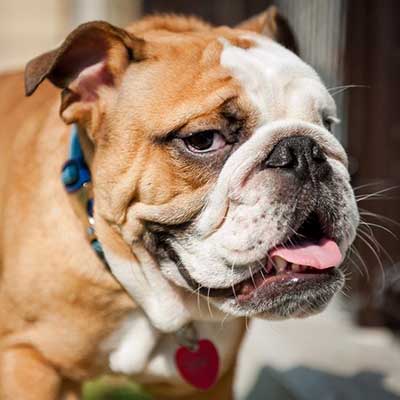
The English Bulldog and the Dachshund represent two distinctly different dog breeds, each showcasing unique differences in temperament, appearance, and body structure. These variations can result in considerable differences among individual dogs, even those born from the same litter. The English Bulldog is known for its robust physique, characterized by a wide skull, an undershot jaw, and a short, curled tail. In contrast, the Dachshund is recognized for its elongated shape, featuring a long back, a lengthy tail, an extended skull, and a tapered muzzle. While both breeds have dark eyes, the Dachshund's are almond-shaped, while the Bulldog's are round. Their ears also exhibit notable differences: Bulldogs have short, high-set ears that fold down to align with their skull, whereas Dachshunds have rounded drop ears that hang forward, elegantly framing their faces. The Miniature English Bulldach, a crossbreed of these two types, may inherit a mix of physical characteristics from either parent. Typically, these hybrids display the short, single-layer coat common to both the smooth-haired Dachshund and the English Bulldog. However, if the genetics of a long-haired or wire-haired Dachshund are involved, there is a chance they may have a double-layer coat with longer hair that can be either silky or wiry.

Care Routine
Caring for a Miniature English Bulldach is quite simple. Bathing is usually required only every few months or whenever the dog gets dirty. A quick weekly brushing with a slicker brush, bristle brush, or grooming glove is generally enough to remove dead and loose hair while helping to distribute the dog’s natural oils evenly across its coat. However, if the dog has inherited the less common long-haired or wire-haired coat from the Dachshund, more frequent brushing may be needed. It's also important to regularly clean the facial wrinkles, particularly after meals, to avoid the growth of mold or mildew in those areas.
Behavior & Temperament
The Miniature English Bulldach is widely recognized for its brave and tenacious spirit, yet it also has a playful, almost goofy side that emerges occasionally. These dogs are very sociable and flourish when they are close to their families, which can sometimes result in separation anxiety if they are left alone for long stretches. Generally, they are friendly with individuals of all ages and most other pets, but it’s important to supervise their interactions with young children and larger, more energetic animals to avoid any potential misunderstandings or roughhousing that could lead to injuries for anyone involved. At times, Dachshunds can display a feisty attitude towards other dogs, a characteristic that may also appear in the Miniature English Bulldach. Training these dogs can be somewhat challenging, as they tend to rely on their instincts and can be stubborn or defensive. However, once they decide to learn, they quickly grasp new concepts. For the best results, it’s recommended to use patient and consistent training methods from an early age.


Play & Exercise
The inclusion of the Dachshund in this hybrid breed may introduce a touch more vitality to the Miniature English Bulldog compared to a traditional English Bulldog, yet overall, this breed remains quite composed. These dogs are not likely to push you towards increased physical activity; however, it is essential for them to engage in at least 30 minutes of vigorous exercise daily to prevent obesity, a prevalent concern among English Bulldogs. Due to their elongated backs, as seen in the Miniature English Bulldachs, they should avoid activities that could stress their spines, such as jumping or leaping onto hard surfaces. Furthermore, dogs with shorter snouts require careful supervision during exercise in warm weather. While they do bark from time to time, it is generally less frequent than that of a standard Dachshund, making them excellent companions in both larger homes and smaller spaces like apartments.
Things to Know
Cups Per Day
0.8 Cups
Daily Activity
30 Minutes
Average Lifespan
11 Years
Origin
Unknown
Type
Crossbreeds
Size
Medium
Origin Country
Unknown
Brush Frequency
Weekly
Coat Texture
Straight
Ancestors
English Bulldog
The Bulldog often reveals a surprising contrast between its fierce, intimidating look and its true character. Beneath that tough facade lies a gentle and loving nature; these dogs are remarkably friendly and deeply value their human companions, all while exhibiting a playful streak of stubbornness. Above all, their loyalty to their families is steadfast. As puppies, Bulldogs are brimming with energy, but they gradually evolve into more laid-back adults. They have a special affinity for children, showcasing impressive patience; when they’ve had enough excitement, they simply relocate to a quieter area. Bulldogs also get along well with other pets, making them one of the most versatile breeds for households with multiple animals. As they age, Bulldogs tend to become a bit more sedentary, preferring to relax by your side and observe their surroundings. While they enjoy playtime with kids, it won’t be long before they seek out their favorite sunny spot for a nap. It’s essential to keep in mind that Bulldogs can easily overheat, so they need a cool retreat during the hot summer months. Additionally, they are known for their drooling and snoring, and their short snouts can lead to specific health concerns. Nonetheless, they are charming and devoted companions that bring joy and laughter to any household.
Read more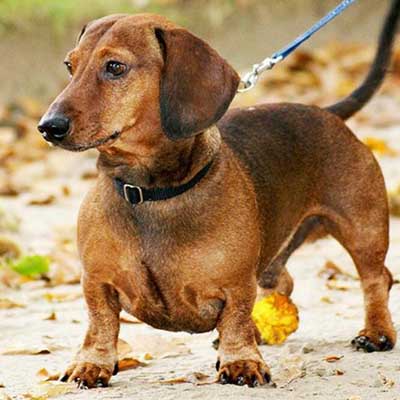
Dachshund
Since the 1950s, Dachshunds have consistently been among the most beloved dog breeds. With their distinctive long bodies and short legs, these dogs are not only charming but also exhibit a spirited and courageous personality. Although they possess intelligence, training can be challenging, especially if the techniques used become repetitive. Their inherent stubbornness often leads them to prefer their own methods. Originally developed in Germany for hunting small game, these characteristics are still apparent in their behavior today, which may manifest as a tendency to chase smaller animals or dig in the yard. Dachshunds are lively both indoors and outdoors, allowing them to adapt well to a variety of living environments.
Read moreRegister
Your kids have been begging for a pet forever, and you've recently decided that it's time for your family to get a new addition -- a dog! While everyone is excited for the new arrival, you're wondering if you need to have a dog license. How much does it cost? Is it required? Where do you get one?
Member Clubs

PETINNATE
Other
Height & Weight
Weight
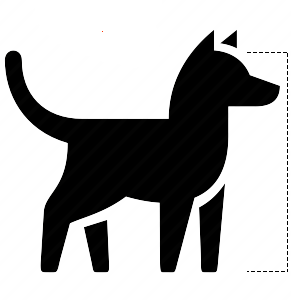
33 lbs (15 kg)Male: 35 lbs (16 kg) , Female: 30 lbs (14 kg)
Height
12 inches (30 sm)Male: 12 inches (30 sm) , Female: 12 inches (30 sm)
6 Months
21 lbs ( m 21 lbs, f 21 lbs )
10 inches ( m 10 inches, f 10 inches )
12 Months
30 lbs ( m 30 lbs, f 30 lbs )
11 inches ( m 11 inches, f 11 inches )
18 Months
30 lbs ( m 30 lbs, f 30 lbs )
11 inches ( m 11 inches, f 11 inches )
Eye Colors
Brown

Nose Colors
Black
Coat Colors
Brindle
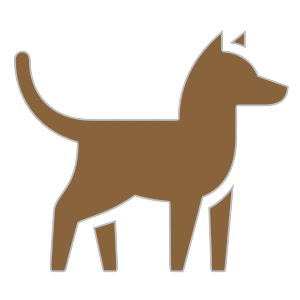
Isabella
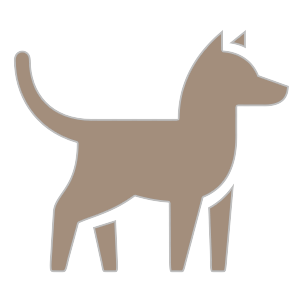
Fawn
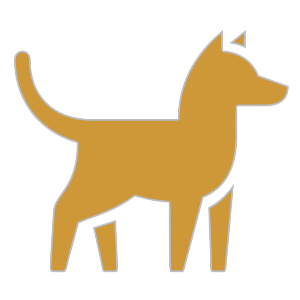
Cream
Brown
Black