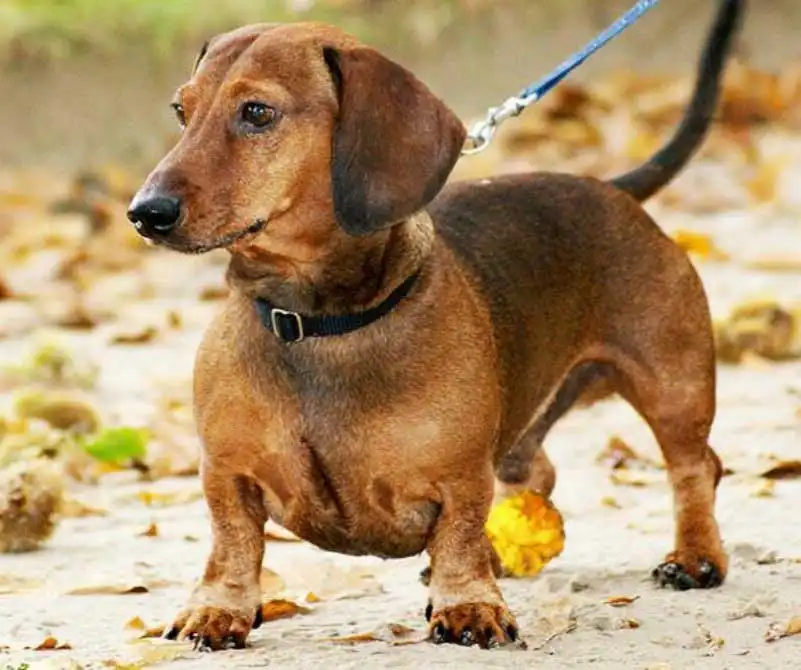
Dachshund
Teckels, Dachels, Dachsels, Bassotto, Worshond
Since the 1950s, Dachshunds have consistently been among the most beloved dog breeds. With their distinctive long bodies and short legs, these dogs are not only charming but also exhibit a spirited and courageous personality. Although they possess intelligence, training can be challenging, especially if the techniques used become repetitive. Their inherent stubbornness often leads them to prefer their own methods. Originally developed in Germany for hunting small game, these characteristics are still apparent in their behavior today, which may manifest as a tendency to chase smaller animals or dig in the yard. Dachshunds are lively both indoors and outdoors, allowing them to adapt well to a variety of living environments.
Breed Origin
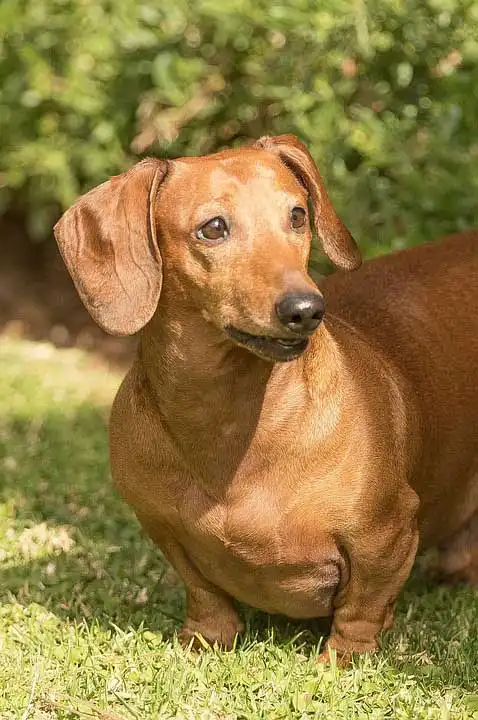
Originally hailing from Germany, these dogs were first referred to as badger dogs, specifically bred for hunting small game. In the 18th and 19th centuries, German foresters sought to create a dog that was both brave and compact enough to navigate badger burrows, resulting in the Dachshund's development. The initial variety to appear was the smooth-coated Dachshund, which emerged from the crossbreeding of the Braque and the Pinscher, and possibly included the French Basset Hound as well. The other types, wirehaired and longhaired, likely developed through breeding with Spaniels and Terriers, respectively. With their elongated bodies and sturdy, small feet designed for digging, these dogs excelled at entering badger holes to hunt and eliminate their prey. Their loud barks would indicate their whereabouts, enabling hunters to retrieve them from the dens. By 1800, the Dachshund began its evolution from a hunting dog to a cherished companion, gaining favor in royal courts throughout Europe, including that of Queen Victoria. This rising popularity spurred the creation of the miniature Dachshund. The American Kennel Club officially recognized the breed in 1885, followed by the formation of the German Dachshund Club in 1888, and later, the Dachshund Club of America in 1895. The breed faced challenges during World War I due to its German heritage, but post-war, some Dachshunds were brought to the United States, leading to a resurgence in their population. Although they faced similar issues during World War II, the effects were less pronounced. Today, Dachshunds are beloved family pets in the United States and Great Britain, while still being valued as effective hunting dogs in certain parts of Europe.
Breed Appearance
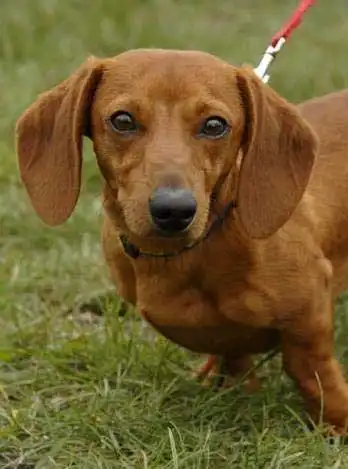
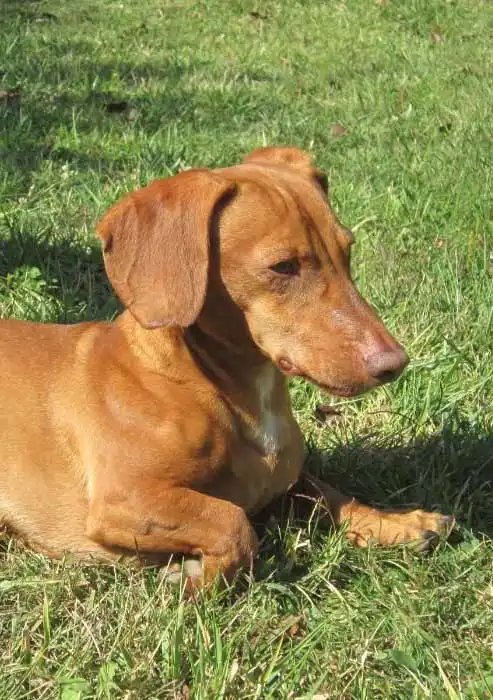
These charming little dogs come in three distinct coat varieties: smooth, wirehaired, and longhaired. Additionally, they are categorized into three sizes: miniature, tweenie, and standard, with the miniature being the smallest and the standard the largest, while the tweenie serves as a middle ground. Miniature Dachshunds weigh 11 pounds or less, standard Dachshunds range from 16 to 32 pounds, and tweenies fall within this weight spectrum. Their coats can showcase a wide array of colors and patterns, and their eyes may be brown, light gray, light hazel, green, or blue, with some individuals having one brown eye and one blue eye, depending on their coat type. Smooth Dachshunds have short, glossy fur, while longhaired ones feature slightly wavy, longer hair. Wirehaired Dachshunds are characterized by a thick, coarse outer coat paired with a soft undercoat. These dogs are easily recognized by their unique and endearing physique, which includes short legs and elongated bodies. Despite their small size, they possess surprising strength, equipped with powerful jaws. Their feet are relatively large in proportion to their legs, and they have loose, elastic skin that helps them burrow into badger holes. Dachshunds have an elongated head with a convex, arched skull and prominent eyebrows. Their long muzzles and oval eyes are complemented by a strong jaw that displays a scissor bite. The large, droopy ears hang down to their cheeks, while their bodies feature pronounced sternums and moderately retracted abdomens. Typically, their tails are held straight, in line with their back and spine.
Care Routine
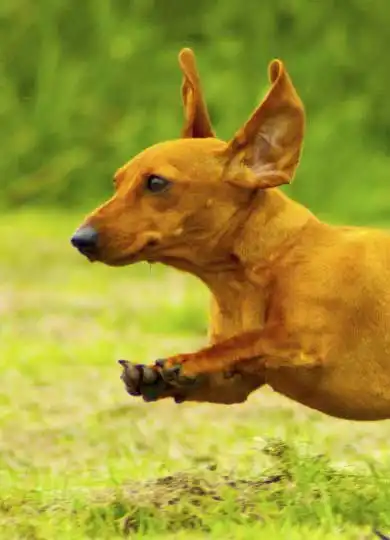
The delightful Dachshund is a lively breed that needs a moderate amount of play and exercise each day. They adapt well to different living environments, including smaller spaces, as long as they have sufficient opportunities to run and play. If daily short walks are not possible, a spirited game of fetch can be an excellent way to help them burn off energy. Due to their long backs, they are susceptible to injuries or health problems from jumping onto high surfaces like couches or beds, so it’s wise to invest in a ramp to prevent serious issues. When lifting your Dachshund, be sure to support both their back and hindquarters. These dogs respond well to positive reinforcement, such as treats or toys, when learning new commands. Keeping training sessions short, fun, and varied will help your Dachshund learn quickly. If you live in a colder area, your dog may need a sweater for winter walks. House training can be a bit challenging for Dachshunds, requiring patience and consistency. Using a crate can be helpful in teaching them to go outside for bathroom breaks. While Dachshunds can make good watchdogs, they tend to be quite vocal, which may be a concern in apartment living. Like all dogs, they do shed, but not excessively. Regular baths are usually unnecessary unless they get into something dirty. Wirehaired Dachshunds require brushing and occasional stripping once or twice a year, while longhaired ones need more frequent grooming to prevent knots and tangles, along with regular baths and blow-drying. Their droopy ears should be checked regularly, as they can be prone to fungus, mites, and bacteria. It’s advisable to clean your Dachshund's ears weekly with an ear cleaner on a cotton ball, but avoid inserting anything deep into the ear canal. Nail trimming should be done once or twice a month; if you hear their nails clicking on the floor, it’s time for a trim. Regular dental care is also important; while daily brushing is ideal, brushing two to three times a week is sufficient.
Behavior & Temperament
These small, elongated dogs are well-known for their intelligence, courage, and lively disposition. Bred for stamina, they can sometimes show a stubborn streak, often choosing to follow their own instincts. Their personalities vary depending on their specific breed type. For example, wirehaired Dachshunds, with their Terrier lineage, may exhibit a playful sense of mischief, while longhaired Dachshunds are generally more calm and gentle. The smooth-coated variety tends to fall somewhere in between these two personalities. Regardless of their type, these dogs primarily seek companionship from their owners. A Dachshund's individual temperament is shaped by its upbringing, social experiences, and training. It is essential to socialize your Dachshund during its early years to help it develop into a well-adjusted and friendly adult. Although Dachshunds are not typically known for their fondness for children, they can get along with them if introduced at a young age. However, if they are not accustomed to children, interactions may not be as smooth. They usually have better relationships with other pets, particularly fellow Dachshunds, but may display dominant behavior as they try to establish themselves as the leader. Additionally, they can be possessive of their toys and often crave constant attention. If they feel neglected, they might resort to barking.

Play & Exercise
Things to Know
Cups Per Day
1.4 Cups
Daily Activity
60 Minutes
Average Lifespan
14 Years
Origin
1500s
Type
Pure Breeds
Size
Small
Origin Country
Germany
Brush Frequency
Monthly
Coat Texture
Straight
Register
Your kids have been begging for a pet forever, and you've recently decided that it's time for your family to get a new addition -- a dog! While everyone is excited for the new arrival, you're wondering if you need to have a dog license. How much does it cost? Is it required? Where do you get one?
Member Clubs

PETINNATE
Scenthound

AKC
Hound Group

UKC
Scenthound
Height & Weight
Weight
22 lbs (10 kg)Male: 22 lbs (10 kg) , Female: 22 lbs (10 kg)
Height
9 inches (23 sm)Male: 9 inches (23 sm) , Female: 9 inches (23 sm)
6 Months
10 lbs ( m 10 lbs, f 10 lbs )
5 inches ( m 5 inches, f 5 inches )
12 Months
18 lbs ( m 18 lbs, f 18 lbs )
8 inches ( m 8 inches, f 8 inches )
18 Months
21 lbs ( m 21 lbs, f 21 lbs )
8 inches ( m 8 inches, f 8 inches )
Eye Colors
Blue

Hazel
Brown
Nose Colors
Black
Brown
Isabella
Coat Colors
Black
Brown
Red
Cream
Isabella
Sable
Brindle
Pied
Characteristics
Mixes
Bo-Dach
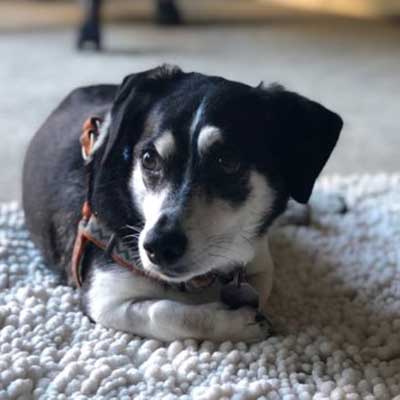
The Bo-Dach is a breed that falls within the small to medium size range and has a moderate level of energy. They don’t need extensive exercise to stay fit, and their compact build allows them to enjoy indoor playtime. However, it’s important to ensure they get regular outdoor exercise to avoid weight gain. Their short coat comes in various colors and is easy to care for, requiring just weekly brushing and occasional baths. This breed is known to bark more than many others, particularly when they are excited or happy, but this tendency can be controlled with effective training. While the Bo-Dach is capable of learning, it may take a bit more patience to train them successfully.
Read more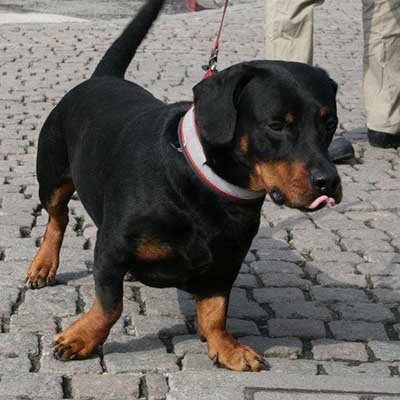
Dachsweiler
The Dachsweiler is a rare hybrid breed resulting from the crossbreeding of a Dachshund and a Rottweiler. As a relatively new breed, detailed information about its characteristics is still scarce. However, it is observed that Dachsweiler puppies can display a diverse array of appearances, sizes, and traits due to their mixed heritage. Many people note that they resemble Rottweilers but have shorter legs. By looking at the characteristics of their parent breeds, we can gain some understanding of the Dachsweiler's temperament. These dogs are recognized for their intelligence, balanced nature, playful spirit, and strong loyalty and protectiveness towards their families. Their coats usually showcase a bi-color pattern, such as black and chocolate or black and tan, although other colors may also be present. Physically, they typically have a long body similar to that of a Dachshund, paired with the robust build of a Rottweiler. With their loving nature, dependability, and lively energy, Dachsweilers can be wonderful family companions, particularly when they are socialized from a young age.
Read more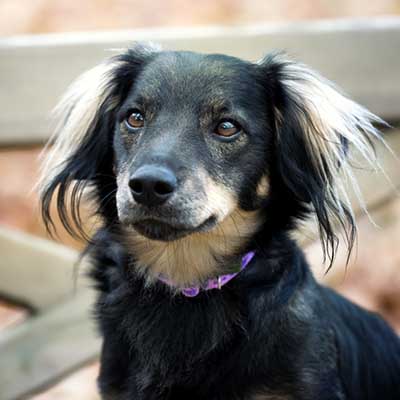
Dameranian
The Dameranian is a mixed breed resulting from the combination of a Dachshund and a Pomeranian. Typically, this dog falls within the small to medium size category, reflecting the dimensions of its parent breeds. Renowned for its loving disposition, the Dameranian often develops deep bonds with its family, frequently showing a preference for one specific individual. This breed is often characterized as "sociable." Although they do shed, their grooming needs are moderate to maintain a healthy coat. If left alone for long periods, they may suffer from separation anxiety. Thanks to their Pomeranian heritage, they can be quite vocal, yet they usually coexist harmoniously with other dogs and pets. The Dameranian is versatile and adapts well to different living situations.
Read more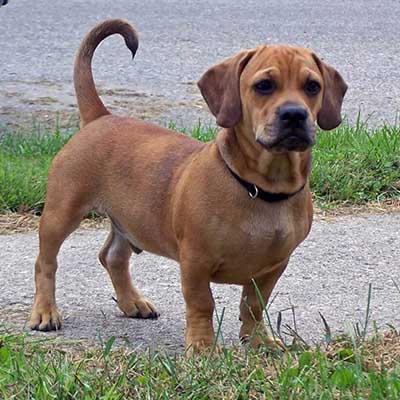
Daug
The Daug is an endearing and laid-back hybrid breed, a cross between a Dachshund and a Pug. This small to medium-sized dog originated in the United States around 15 to 20 years ago. Renowned for their loyalty, Daug dogs possess a robust and muscular physique relative to their size. They usually have rounded faces characterized by the unique wrinkles and folds passed down from their Pug ancestry. Additionally, these dogs are typically low-maintenance, making them ideal companions for individuals seeking a pet that is not excessively active.
Read more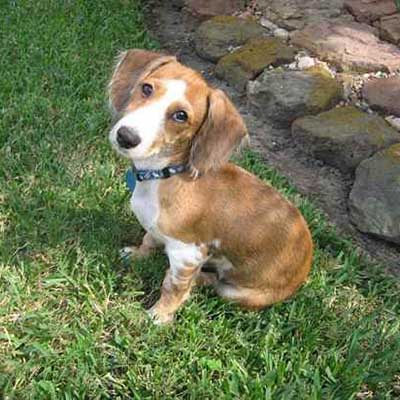
Doxie-Chon
The Doxie-Chon is an enchanting hybrid breed that emerges from the union of a Dachshund and a Bichon Frise. This lively and affectionate dog typically features a wiry coat. Renowned for their bravery, loyalty, and intelligence, Doxie-Chons can also exhibit a touch of stubbornness. They make for both playful and devoted companions. However, families with young children may encounter some difficulties, as the Doxie-Chon can be easily startled by quick and sometimes rough movements, which may result in anxiety or nervousness. Furthermore, this breed is quite vocal, so it’s important for them to be in an environment where they are not left alone for long stretches.
Read more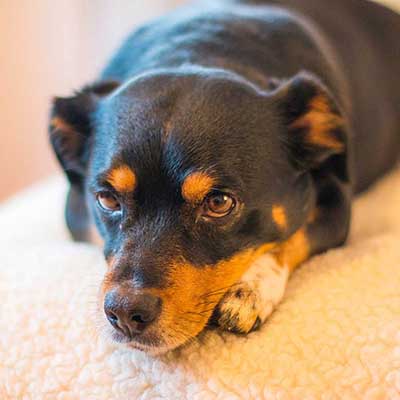
Doxie-Pin
The Doxie-Pin is a hybrid breed that emerges from the union of a Dachshund and a Miniature Pinscher. Generally categorized as a small to medium-sized dog, the Doxie-Pin may take on characteristics from either parent, though it typically stands taller than the Dachshund. Renowned for its loyalty and affection, this mix can also display moments of shyness and timidity. While detailed information about the Doxie-Pin is somewhat scarce, it is officially acknowledged by various organizations, such as the American Canine Hybrid Club, the Designer Breed Registry, the Designer Dogs Kennel Club, the Dog Registry of America, and the International Designer Canine Registry. With its inquisitive nature, this breed is bound to keep you entertained as it explores its surroundings.
Read more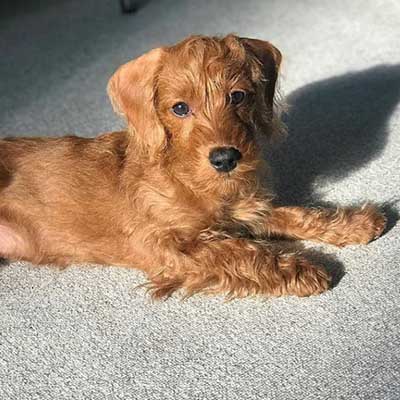
Doxiepoo
The Doxiepoo is an enchanting mix of the Dachshund and the Miniature Poodle, both of which fall into the small to medium-sized category. The Miniature Poodle is often chosen for crossbreeding because of its amiable disposition, sharp intellect, and hypoallergenic fur. On the other hand, the Dachshund is cherished for its companionship qualities. While both breeds are intelligent, they can show a touch of stubbornness, especially the Dachshund. Although Doxiepoos generally have a consistent temperament, their looks and size may vary depending on the characteristics they inherit from their parent breeds.
Read more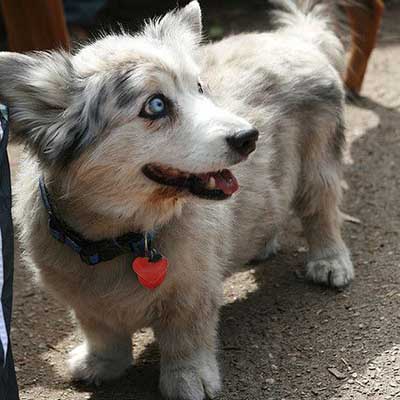
Dusky
A Dusky is a hybrid dog that results from crossing a Dachshund with a Siberian Husky. The specific traits of a Dusky can differ significantly, depending on which parent breed's characteristics are more dominant. Dachshunds are small, typically weighing between 16 and 33 pounds, while Siberian Huskies are medium-sized, with weights ranging from 35 to 60 pounds. The coat colors of a Dusky can be quite diverse, including options like black, black and tan, chocolate, cream, blue, white, silver, copper, brown, agouti, sable, and grey. Siberian Huskies are recognized for their thick fur, which consists of a dense undercoat and a longer layer of straight guard hairs. In contrast, Dachshunds can have either smooth or wiry coats. Both breeds are known for their intelligence and loving disposition. For families with young children, it’s important to prioritize socialization and training for the Dusky during its puppy stage. Since both parent breeds are generally easy to train and require moderate care, it’s likely that a Dusky will inherit these qualities as well.
Read more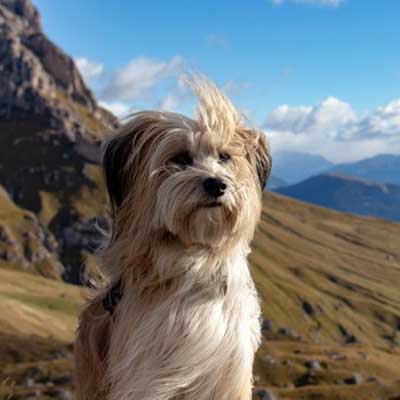
Mauxie
The Mauxie is an endearing and lively designer breed that emerges from the crossbreeding of a Dachshund and a Maltese. Celebrated for their long, silky coats and slender builds, these dogs make an excellent choice for first-time pet owners. Mauxies are characterized by their playful demeanor and versatility, allowing them to thrive in a variety of living situations and climates. However, they do demand considerable care, including daily brushing and grooming every few months. While Mauxies are known for their affectionate, courageous, and loyal nature, they may not be ideal for households with young children and should be supervised around little ones.
Read more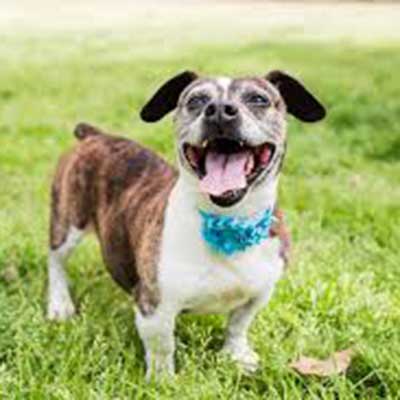
Miniature English Bulldach
The Miniature English Bulldach is a thoughtfully designed hybrid breed, created by combining the English Bulldog—originally developed as a companion for bull baiting—with the Dachshund, a tenacious hunting dog known for pursuing badgers and foxes in their dens. Like many mixed breeds, the Miniature English Bulldach can inherit various characteristics from both parent breeds. Typically, this breed is more robust and relaxed than the Dachshund, showcasing a longer muzzle, back, and tail than the English Bulldog, along with a bit more vitality. They are generally friendly with individuals of all ages, but it’s crucial to monitor their interactions with other dogs and children. While they usually coexist peacefully with other pets, some male Miniature English Bulldachs may display aggression towards other dogs, and their Dachshund heritage may lead them to chase small or fast-moving animals.
Read more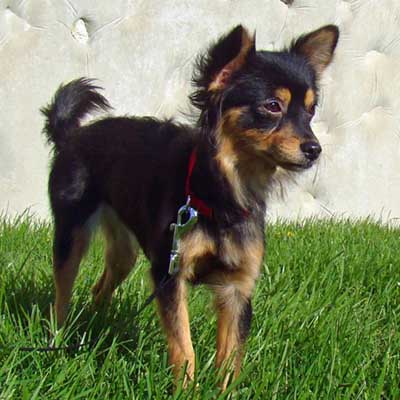
Papshund
The Papshund is an enchanting hybrid that merges the purebred Papillon with the Dachshund. These adorable, toy-sized dogs often inherit the Papillon's signature butterfly ears along with the Dachshund's elongated body. While this mix is not very common, it is acknowledged by five different breed organizations. Papshunds are excellent companions and make perfect lapdogs, yet they also have a lively disposition that necessitates regular exercise. They adapt well to both city and country living; however, they should not be left outdoors unsupervised and are not suited for cold climates. Furthermore, the Papshund is a sensitive breed that flourishes with attention and gentle care from its owners.
Read more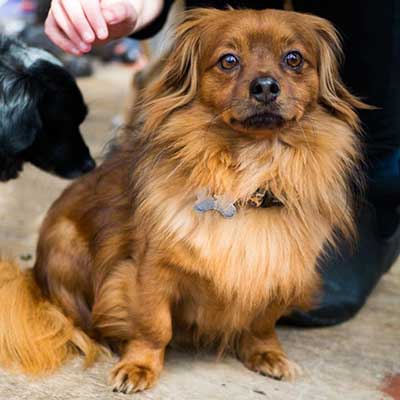
Pekehund
Pekehunds are a delightful and curious hybrid breed, created by crossing a Dachshund—commonly known as a “Doxie”—with a Pekingese. This unique combination brings together a variety of traits from both breeds, especially regarding their energy levels. Furthermore, qualities such as loyalty, intelligence, and a strong attachment to humans are heightened in these dogs. The size and appearance of Pekehunds can differ widely, depending on the type of Dachshund parent—be it standard, miniature, smooth-haired, long-haired, or wire-haired. Generally, these dogs weigh between 10 and 22 pounds and reach a height of about 7 to 9 inches. Although they possess an endearing personality, Pekehunds are not as common as other Pekingese-Dachshund mixes and have not yet received official recognition from the American Kennel Association.
Read more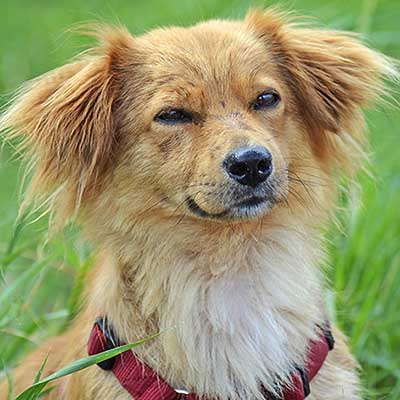
Shethund
The Shethund is an enchanting hybrid resulting from the crossbreeding of the Shetland Sheepdog and the Dachshund. This distinctive mix merges two purebred breeds, each originally bred for hunting and herding tasks. While these functions have historical roots, the Shethund continues to exhibit these inherent characteristics, often leading to spirited interactions at home, especially in the presence of smaller animals such as cats, gerbils, or other dogs. With its appealing blend of loyalty, intelligence, and a protective instinct, this breed is well-suited to thrive in various household environments, regardless of their size or setting.
Read more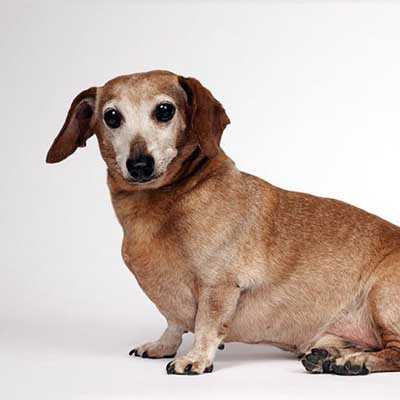
Shibadox
The Shibadox is a hybrid breed that results from the combination of the purebred Shiba Inu and the Dachshund. While its appearance can differ, it generally reflects the Shiba Inu's lively and joyful personality, paired with the Dachshund's elongated body. This crossbreed is not widely recognized and is officially acknowledged by only two breed registries: the Designer Dog Registry and the International Designer Canine Registry. Although both parent breeds were initially bred for hunting small game and have unique physical traits, the Shibadox is now mainly seen as a companion animal. Its Shiba Inu heritage also contributes to its reputation as a healthy hybrid.
Read more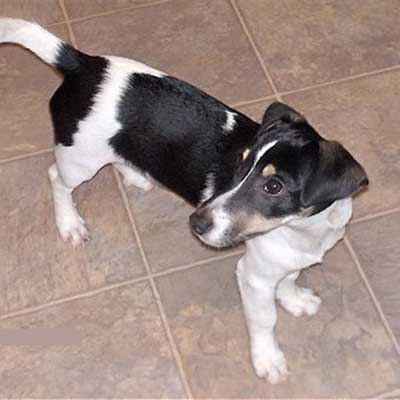
Toy Rat Doxie
The Toy Rat Doxie is a mixed breed that typically falls within the small to medium size range, drawing from both German and American ancestry. With a height of 8 to 18 inches, they may not seem like fierce hunters at first glance, yet these dogs are equipped with sharp senses and a natural instinct to pursue, making them adept hunters even if their owners do not actively seek out those traits. Although they relish the excitement of the chase, their energy levels are moderate, and their compact stature enables them to adapt well to various living environments. This breed is known for its combination of affection and independence, along with intelligence that can sometimes come with a hint of stubbornness. As a result, they are generally more suitable for experienced dog owners; however, with the right training, they can become wonderful companions for both individuals and families alike.
Read more