Doxie-Pin
Doxiepin, Doxpin
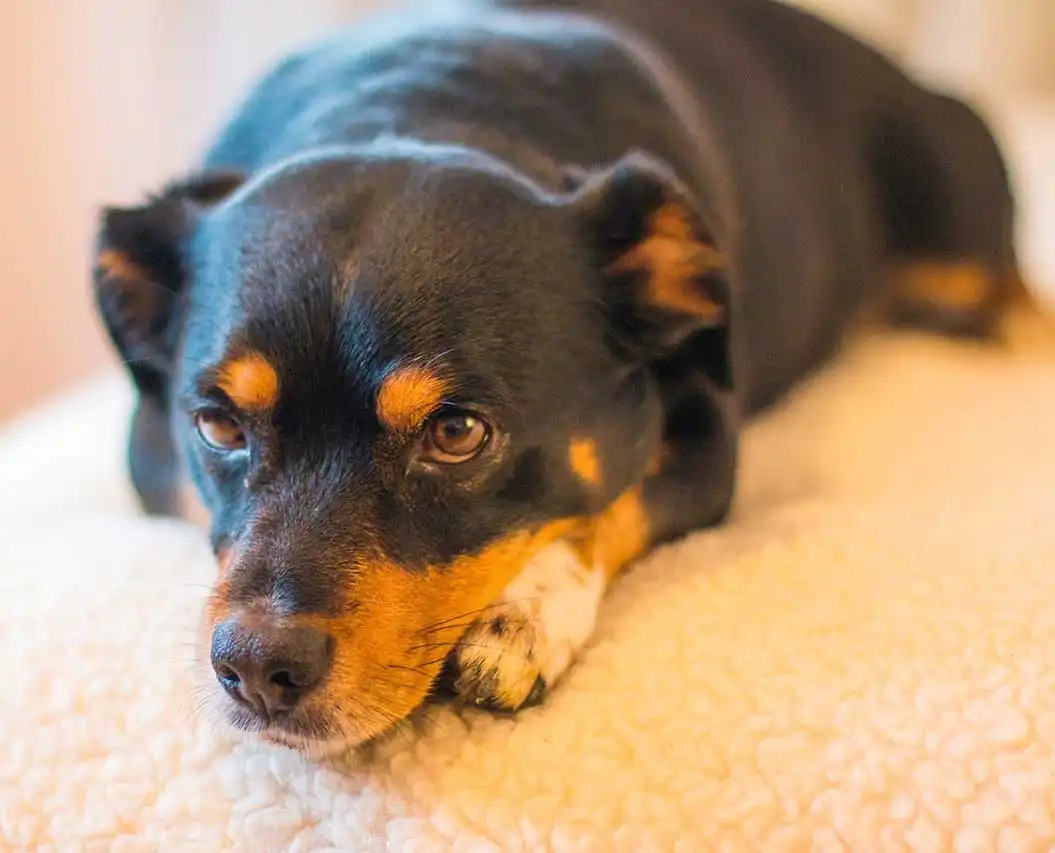
The Doxie-Pin is a hybrid breed that emerges from the union of a Dachshund and a Miniature Pinscher. Generally categorized as a small to medium-sized dog, the Doxie-Pin may take on characteristics from either parent, though it typically stands taller than the Dachshund. Renowned for its loyalty and affection, this mix can also display moments of shyness and timidity. While detailed information about the Doxie-Pin is somewhat scarce, it is officially acknowledged by various organizations, such as the American Canine Hybrid Club, the Designer Breed Registry, the Designer Dogs Kennel Club, the Dog Registry of America, and the International Designer Canine Registry. With its inquisitive nature, this breed is bound to keep you entertained as it explores its surroundings.

Breed Origin
The Doxie-Pin is a modern hybrid breed that merges the Dachshund with the Miniature Pinscher. Unlike its parent breeds, this mix does not have a well-documented lineage. Both the Dachshund and the Miniature Pinscher boast rich histories, potentially linked to crossbreeding practices in Germany. It’s crucial to clarify that the Miniature Pinscher, often called the Min-Pin, should not be confused with the Doberman Pinscher, even though it resembles a smaller version of that breed. In reality, the Doberman Pinscher is a more recent breed, while the Min-Pin is believed to be around 2,000 years old, tracing its ancestry back to the German Pinscher. Some theories propose that the Min-Pin may have been crossbred with either the Dachshund or the Italian Greyhound. Detailed breeding records began in the 19th century in Germany, and by 1929, the American Kennel Club recognized the Miniature Pinscher as a separate breed. Originally bred to manage rat populations, the Min-Pin has transformed into a refined companion dog, often dubbed the King of Toys. The Dachshund, which translates to "badger dog," also originates from Germany and was specifically developed for hunting badgers and other burrowing animals like hares and foxes. Its elongated body was designed for digging. The Dachshund's ancestry can be traced back to the 15th century in Germany, influenced by the French Basset Hound and various Terrier breeds. The breed standard for Dachshunds was established in 1879, and they were first registered with the American Kennel Club in 1888.
Breed Appearance
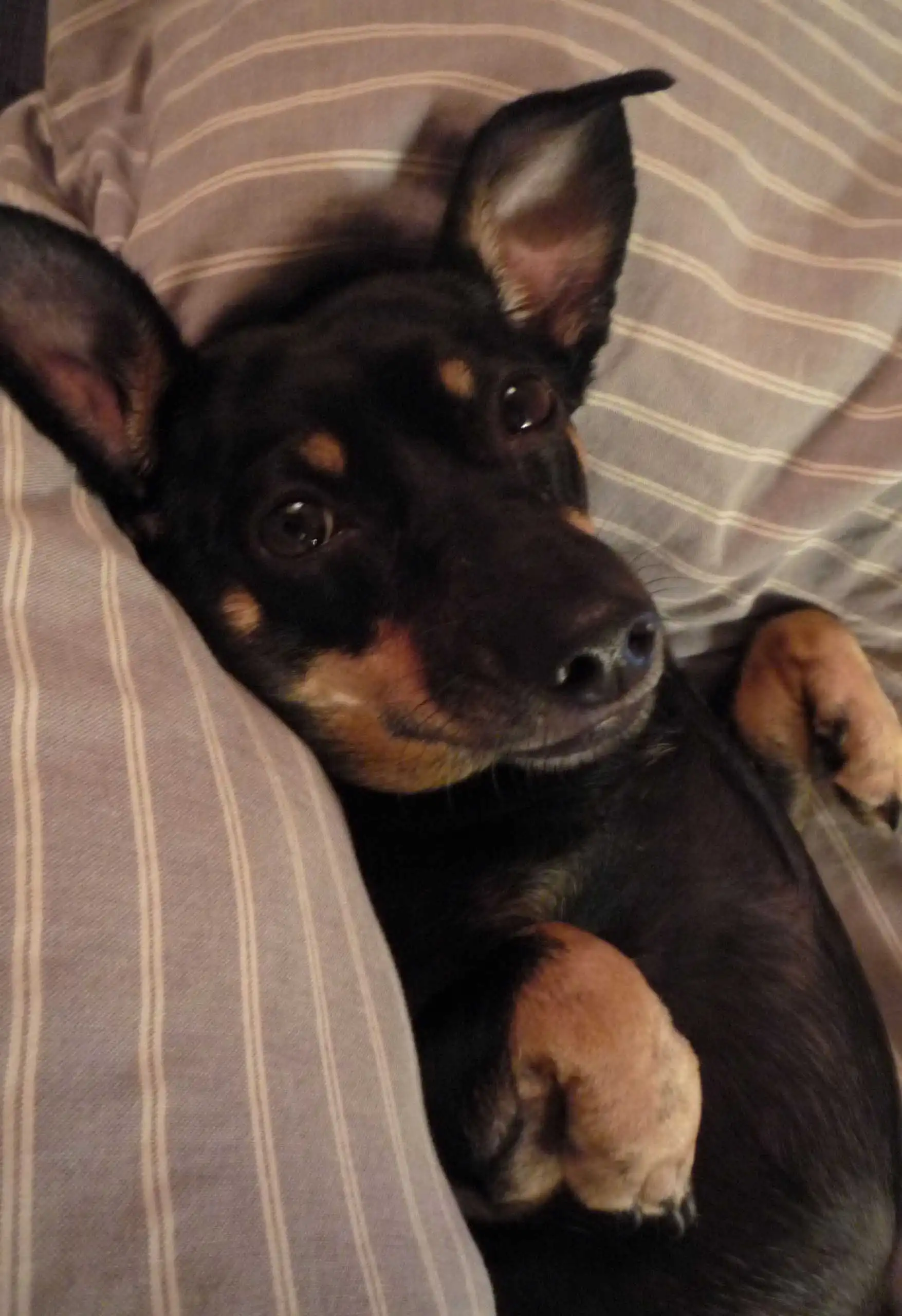
The Doxie-Pin is a mixed breed resulting from the combination of the Dachshund and the Miniature Pinscher, generally classified as small to medium in size. This breed showcases characteristics inherited from both parent breeds, which exhibit several similarities. The Doxie-Pin's coat is mainly black and tan, but it can also come in various shades, including red and chocolate, reflecting its genetic background. Notably, this breed features large ears that sit lower on the head, and its nose is slightly larger than that of the Miniature Pinscher, typically appearing in black. In contrast to the Dachshund, the Doxie-Pin has a more proportionate physique, with robust legs and a body that is somewhat longer than that of the Miniature Pinscher. Its tail usually rests along the back and resembles a cord when not docked, but it can also stand upright when the dog is excited, similar to the behavior of its Miniature Pinscher lineage.

Care Routine
The Dachshund and Miniature Pinscher are both considered to have low to moderate shedding levels, and their hybrid, the Doxie-Pin, typically sheds very little. However, it’s crucial to understand that this mix is not hypoallergenic. To keep the Doxie-Pin looking good and feeling comfortable, regular brushing is necessary. Instead of full baths, which can irritate their sensitive skin, many pet owners prefer using a warm washcloth or dog-safe wet wipes to remove mud, dirt, and other residues. The Doxie-Pin also inherits the larger, floppy ears from its Dachshund parent, which require regular cleaning to prevent the accumulation of dirt, debris, and wax. Furthermore, consistent dental care is vital to avoid gum disease and maintain fresh breath and healthy teeth.
Behavior & Temperament
The Doxie-Pin is an energetic hybrid that draws its spirited nature from its Miniature Pinscher ancestry, although it may also show some signs of shyness. The Dachshund influence helps create a more even-tempered personality, making this breed calmer than the often high-strung Miniature Pinscher. Doxie-Pins thrive on companionship and are likely to seek out your lap for comfort. While they can be wary of strangers, they typically reserve barking for alerting you to potential threats, otherwise remaining relatively quiet. This breed is intelligent but can occasionally exhibit a bit of stubbornness. Thanks to its Dachshund roots, the Doxie-Pin is usually open to training, and using positive reinforcement can enhance their willingness to learn, resulting in a more cooperative companion.


Play & Exercise
The Doxie-Pin is a lively breed that doesn't require extensive exercise. A daily regimen of two 30-minute walks or some fun playtime in the yard, such as chasing a ball, will sufficiently stimulate both its mind and body. With the right level of activity, your Doxie-Pin can flourish indoors and is well-suited for apartment living. Both parent breeds, the Miniature Pinscher and the Dachshund, have a natural tendency to dig and explore, making it crucial to offer them both physical and mental stimulation to keep them content. This hybrid is versatile in various weather conditions, thriving in both cold and warm climates, provided that extreme temperatures are avoided. Ideally, a temperate environment and a home with a yard are most suitable for this small to medium-sized dog.
Things to Know
Cups Per Day
1.0 Cups
Daily Activity
60 Minutes
Average Lifespan
13 Years
Origin
Unknown
Type
Crossbreeds
Size
Small
Origin Country
United States
Brush Frequency
Weekly
Coat Texture
Straight
Ancestors
Dachshund
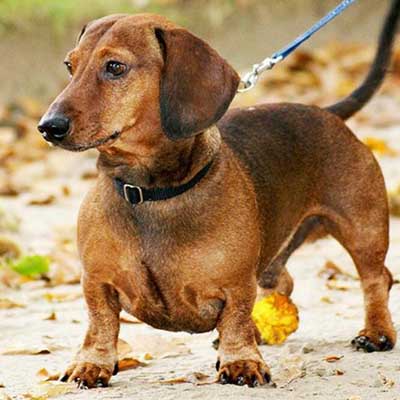
Since the 1950s, Dachshunds have consistently been among the most beloved dog breeds. With their distinctive long bodies and short legs, these dogs are not only charming but also exhibit a spirited and courageous personality. Although they possess intelligence, training can be challenging, especially if the techniques used become repetitive. Their inherent stubbornness often leads them to prefer their own methods. Originally developed in Germany for hunting small game, these characteristics are still apparent in their behavior today, which may manifest as a tendency to chase smaller animals or dig in the yard. Dachshunds are lively both indoors and outdoors, allowing them to adapt well to a variety of living environments.
Read more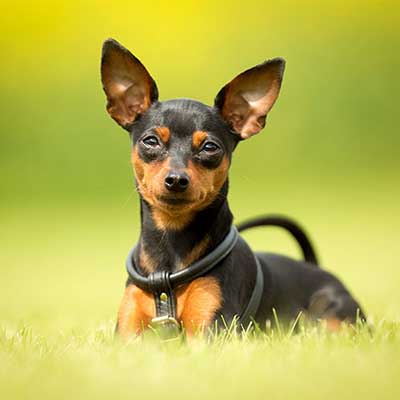
Miniature Pinscher
The Miniature Pinscher should not be mistaken for a diminutive version of the Doberman Pinscher; instead, it is more accurately described as a small-scale likeness of its larger relative. Interestingly, the Miniature Pinscher actually predates the Doberman. Often referred to as the Min Pin, this breed originates from the German Pinscher lineage and may also share ancestry with the Italian Greyhound and Dachshund. While the Miniature Pinscher has been officially recognized for over two centuries, the specifics of its ancestral background continue to spark discussion among enthusiasts. Nevertheless, this distinguished breed has been featured in Renaissance art, and artifacts from as far back as 2,000 years ago attest to its enduring existence.
Read moreRegister
Your kids have been begging for a pet forever, and you've recently decided that it's time for your family to get a new addition -- a dog! While everyone is excited for the new arrival, you're wondering if you need to have a dog license. How much does it cost? Is it required? Where do you get one?
Member Clubs

PETINNATE
Other
Height & Weight
Weight
18 lbs (8 kg)Male: 18 lbs (8 kg) , Female: 18 lbs (8 kg)
Height
10 inches (25 sm)Male: 10 inches (25 sm) , Female: 10 inches (25 sm)
Eye Colors
Brown

Nose Colors
Black
Coat Colors
Brown
Black
Red