English Bullweiler
Bullweiler, Rottbull
The English Bullweiler is a charming and affectionate breed, known for its playful nature and delightful sense of humor, though it can also be quite stubborn. This sociable dog thrives on human interaction and prefers to be in the company of people to stave off loneliness. While he may bark out of boredom, implementing early and consistent training can help mitigate this tendency. The breed's origins are somewhat ambiguous, lacking comprehensive records, but it is recognized as a mix between the English Bulldog and the Rottweiler. Despite being a large breed, weighing between 70 to 110 pounds and standing 18 to 25 inches tall, the English Bullweiler remains active and playful. With a short coat that requires minimal grooming and moderate energy levels that can be easily managed through regular exercise, this breed makes for both a delightful companion and a dependable guard dog.

Breed Origin
The exact origins of the English Bullweiler are somewhat ambiguous and not well-documented, which has led to confusion regarding its background. To gain a clearer understanding of this breed, it is important to explore its parent breeds: the English Bulldog and the Rottweiler. The English Bulldog's ancestry can be traced back to the ancient Mastiff, as illustrated by historical art and literature, although it was fully developed in England. Originally, Bulldogs were bred for their aggressive nature to participate in bull-baiting events, a practice thought to tenderize the meat of bulls. Their sturdy and compact physique allowed them to engage effectively during these contests. However, with the ban on bull-baiting in 1835, the once-aggressive Bulldog found itself without a purpose. Breeders then focused on softening the breed's temperament, transforming it into a loving and gentle companion. The English Bulldog was officially recognized by the American Kennel Club in 1890. Conversely, the Rottweiler has its origins in Roman times, where it was bred to assist in herding livestock that supplied food for the military. As time passed, these dogs intermingled with local breeds in Rottweil, resulting in a strong breed that butchers relied on for transporting cattle to market. Rottweilers not only served as herders but also protected the butcher's income. They were also employed for pulling carts and delivering meat and milk. However, as their original functions declined, the Rottweiler faced the threat of extinction. Thankfully, German breeders intervened to revive the breed, ensuring its continuation. The American Kennel Club recognized the Rottweiler in 1931.
Breed Appearance
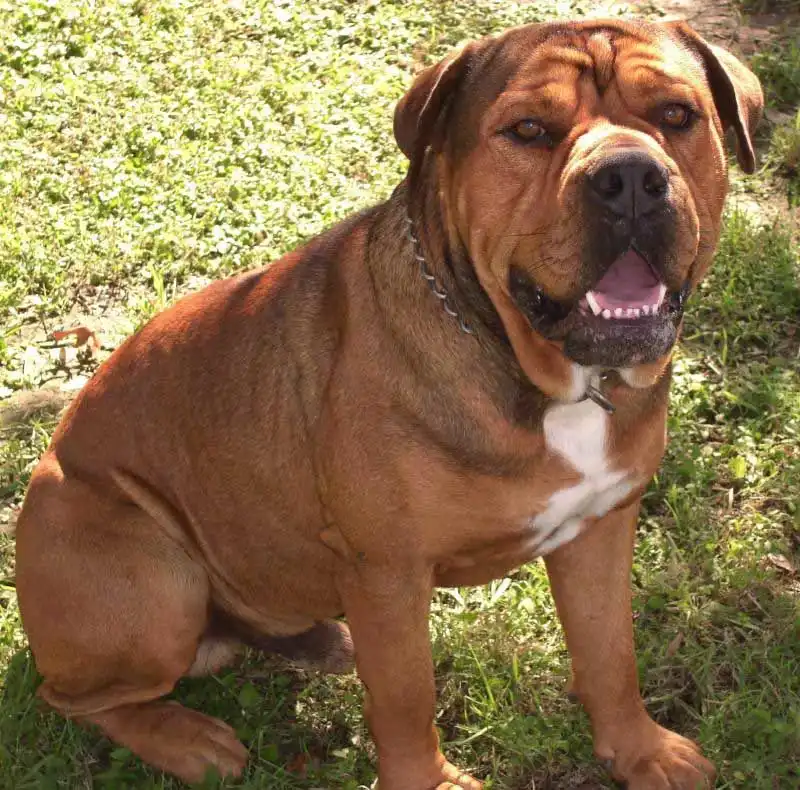
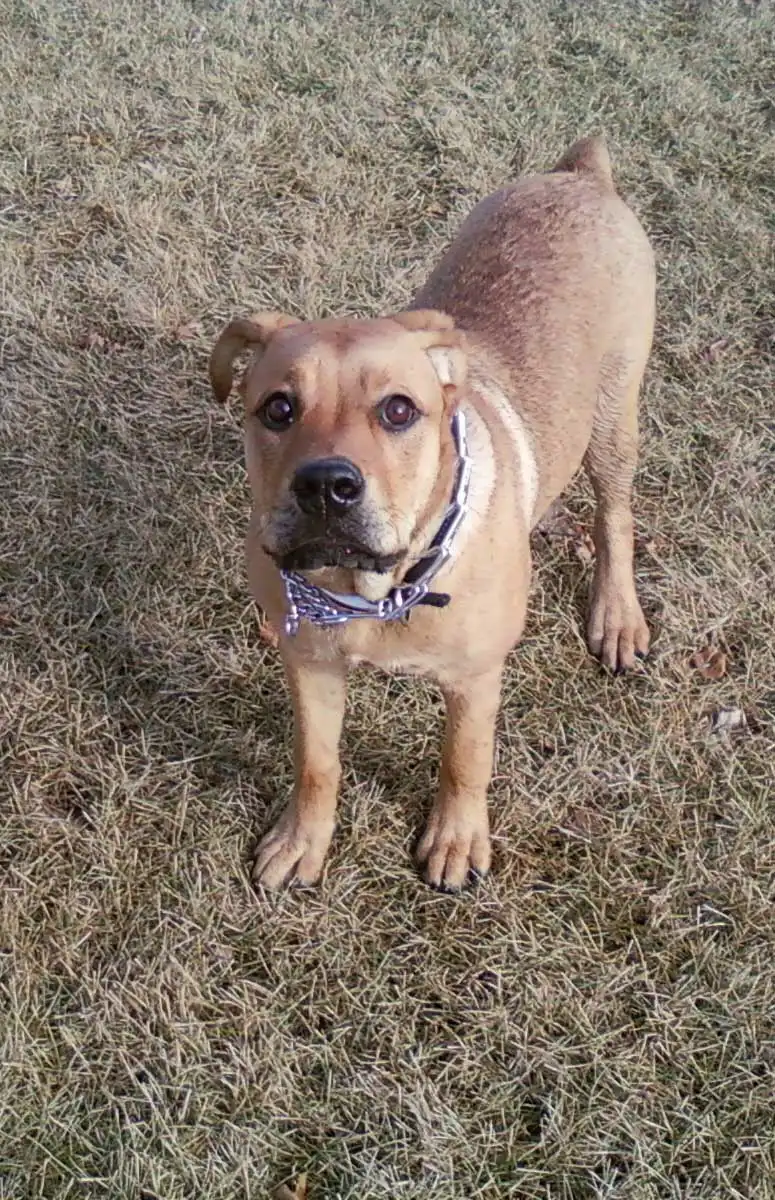
The English Bullweiler is a sizable hybrid breed created by crossing the English Bulldog with the Rottweiler. This breed is distinguished by a face that bears a strong resemblance to that of the Rottweiler, often showcasing a curious expression. Typically, Bullweilers possess a full-length tail and a short coat, with facial features that include the prominent wrinkles typical of the English Bulldog. Their ears are floppy, hanging down alongside the face, and they have a relatively short muzzle akin to that of the Rottweiler. With a robust head and a muscular, athletic build, this breed radiates strength. Its dark eyes are paired with a similarly dark nose, while the legs are straight and powerful, culminating in large paws. The coat can vary in texture, being either short and slightly wavy or short and dense, with color patterns that may include black, brown, tan, red, and white.

Care Routine
The English Bullweiler is not recognized as a hypoallergenic breed and typically experiences moderate shedding. To help reduce this shedding, it is recommended to brush its sleek coat daily for approximately 10 to 15 minutes with a rubber curry brush. Bathing should be done every 6 to 8 weeks, paying particular attention to the folds on its head to prevent bacteria from becoming trapped. This breed is also known for drooling moderately, so it’s important to wipe its mouth with a damp cloth several times throughout the day. Generally, the English Bullweiler does not emit a strong odor. Regular nail care is crucial, necessitating trimming or filing every 2 to 3 weeks. Furthermore, the ears should be cleaned weekly to prevent earwax accumulation, and daily tooth brushing is advisable to avoid tartar buildup.
Behavior & Temperament
The English Bullweiler is a gentle giant, always ready to be your cuddly companion. With a lively personality and a keen sense of humor, he ensures that life with him is full of excitement. Families often see this breed as a devoted friend, eager to partake in various adventures. Alert and attentive, he is committed to protecting his home from any intruders. While he is known to be great with families and young children, caution is advised around smaller kids due to his large stature. To help him grasp boundaries and develop a sense of caution, early training and socialization are crucial. The English Bullweiler also gets along well with other dogs and small animals. Given his protective nature, it’s important to start training early to help him distinguish between friendly visitors and potential threats. Although he can be a bit headstrong, with patience and consistent effort, he can learn new commands effectively. His moderate energy levels require regular exercise to keep him active and prevent lethargy.


Play & Exercise
The English Bullweiler possesses a moderate level of energy, requiring approximately 30 to 40 minutes of exercise each day. This energetic breed enjoys activities like swimming, running, walking, and agility training. To promote their health and prevent boredom, it is recommended to take them on two walks daily. The best living environment for an English Bullweiler is a spacious home in a rural area with a fenced yard, preferably in a warmer climate. Due to their size, living in an apartment is not ideal, as it may restrict their movement and ability to expend energy. Additionally, it’s essential to avoid leaving them alone for long periods; keeping them stimulated and happy throughout the day is vital.
Things to Know
Cups Per Day
4.0 Cups
Daily Activity
40 Minutes
Average Lifespan
10 Years
Origin
Unknown
Type
Crossbreeds
Size
Large
Origin Country
Unknown
Brush Frequency
Daily
Coat Texture
Wavy
Register
Your kids have been begging for a pet forever, and you've recently decided that it's time for your family to get a new addition -- a dog! While everyone is excited for the new arrival, you're wondering if you need to have a dog license. How much does it cost? Is it required? Where do you get one?
Member Clubs

PETINNATE
Other
Height & Weight
Weight
90 lbs (41 kg)Male: 90 lbs (41 kg) , Female: 90 lbs (41 kg)
Height
21 inches (53 sm)Male: 22 inches (56 sm) , Female: 19 inches (48 sm)
Eye Colors
Brown

Nose Colors
Black
Coat Colors
Black
Brown
Red
White