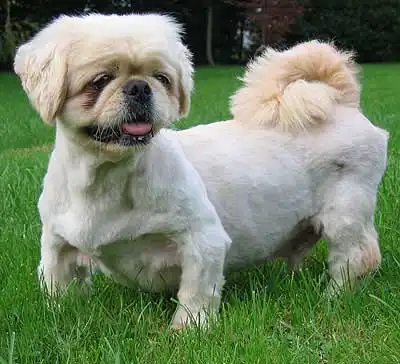
English Lhasa Bull
Lhasa Bull, Bull-Apso, Bullapso
The English Lhasa Bull is a thoughtfully designed hybrid breed, created through the deliberate pairing of the Bulldog—historically bred for bull-baiting and recognized for its friendly nature—and the ancient Lhasa Apso, a small dog esteemed as a guardian of temples. This mix is anticipated to display a more relaxed temperament and be quieter than the Lhasa Apso. Unlike the typical English Bulldog, the English Lhasa Bull is likely to retain its playful and lively spirit well into its adult years. Generally, these dogs are gentle in nature, although they may feel apprehensive around strangers. In summary, they can make wonderful, enduring companions, fitting for households of any size.
Breed Origin
The English Lhasa Bull is a hybrid dog breed that emerges from the crossbreeding of the bulldog, which historically served as a companion animal for bull baiting and control, and the Lhasa Apso, a small guardian dog native to Tibet. The exact origins of the English Bulldog are somewhat unclear; some scholars propose that it evolved from a Mastiff crossed with a smaller breed like the Pug, while others contend that the Bulldog itself is the ancestor of the Mastiff. Nevertheless, historical documentation reveals that Bulldogs were utilized in England for purposes such as controlling, guarding, and baiting bulls. In the 19th century, selective breeding aimed to enhance their aggression and resilience, resulting in dogs with a high pain tolerance, which made them suitable for dog fighting. This trait significantly influenced the creation of breeds like the American Pit Bull Terrier and the American Staffordshire Terrier. After the prohibition of such cruel practices in 1885, Bulldog enthusiasts shifted their focus to breeding for a more gentle disposition, leading to the modern English Bulldog, recognized for its calm and adaptable temperament. Conversely, the Lhasa Apso is an ancient breed that traces its roots to the rugged terrains of Tibet, where Buddhist monks bred them as temple guardians thousands of years ago. The exact lineage of the Lhasa Apso remains a topic of debate; some experts suggest a connection to larger Tibetan Terriers, while others propose a northern ancestry. Recent genetic studies reveal that the Lhasa Apso shares a close relationship with its wolf ancestors, indicating a potential descent from mountain wolves. Tibetan monks cherished these dogs for their ability to withstand cold climates, their acute hearing, and their skill in distinguishing between familiar faces and strangers. They were carefully safeguarded from external influences and were never sold, although they were occasionally gifted to distinguished guests, including members of royal families. It is believed that these gifted dogs played a role in the development of smaller Chinese breeds such as the Pekingese and Shih Tzu. The English Lhasa Bull, as a hybrid, is slightly larger than the Lhasa Apso and tends to be more energetic than the English Bulldog, while still requiring similar levels of exercise.
Breed Appearance
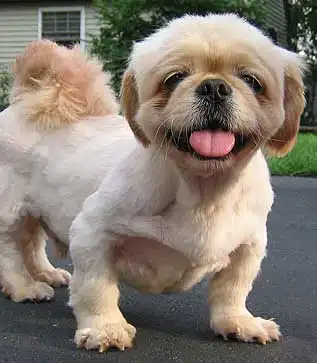
The English Lhasa Bull, a hybrid breed, exhibits a remarkable range of structural and aesthetic diversity due to its two distinct parent breeds. This variability can result in significant differences among individual dogs, even those born in the same litter. Generally, this hybrid is characterized by a broad, slightly rounded head and a short to medium-length muzzle that is notably wide. Dogs that exhibit more traits from their Bulldog ancestry typically have shorter, broader muzzles and heads compared to those that take after the Lhasa Apso. Their dark brown eyes are usually round and set low, while their ears are positioned high on the head, either falling in a pendant style or curling back in a “rose ear” formation. Both parent breeds are sturdy, but the English Bulldog is particularly more robust than the Lhasa Apso, and the hybrid may inherit the body shape from either lineage. The most prominent distinction is found in their coats: the Lhasa Apso features a long, flowing coat with a coarse texture and a thick, dense undercoat, while the English Bulldog has a short, smooth coat that lies flat against the skin. Consequently, the English Lhasa Bull may inherit either type of coat or a blend of characteristics from both breeds.

Care Routine
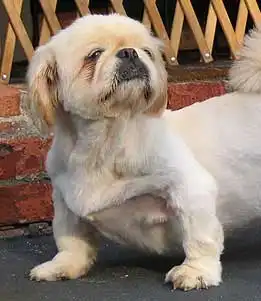
The grooming requirements for this hybrid breed can differ greatly, depending on the coat type it has inherited. Generally, these dogs should be bathed regularly—approximately once or twice a month—to keep them clean and smelling fresh. Breeds resembling the Bulldog, which have short, single-layer coats, are relatively easy to care for; they typically need just a quick grooming with a slicker brush or a rubber grooming glove a few times a week to remove loose hair and distribute natural oils evenly. On the other hand, hybrids that take after the Lhasa Apso, known for their more complex coats, require daily brushing to prevent tangles and matting, and owners may choose to have them professionally trimmed or clipped. Furthermore, maintaining good dental hygiene is essential for these dogs, as their small mouths can lead to dental problems.
Behavior & Temperament
The English Lhasa Bull, a mixed breed, can inherit various personality traits from its parent breeds. The English Bulldog, originally bred for its tenacity and aggression in bullfighting, has undergone significant changes through selective breeding, resulting in a dog that is now more gentle and affectionate, recognized for its friendly demeanor towards both humans and other animals. On the other hand, the Lhasa Apso maintains strong protective instincts, often showing caution around strangers and, at times, being possessive of food or personal items. This tendency is particularly evident in dogs that have not received adequate socialization during their early development. If the hybrid leans more towards the Bulldog's temperament, it can be an excellent companion for families with children of all ages. Conversely, those that take after the Lhasa Apso may not be suitable for households with very young kids. Training an English Lhasa Bull can be challenging, as the modern Bulldog is known for its stubbornness, while the Lhasa Apso is typically quite independent.


Play & Exercise
These dogs are quite content and healthy with minimal exercise requirements; usually, 20 to 40 minutes of energetic activity each day is adequate. Besides short walks, they relish playing games like fetch and hide-and-seek with treats. This crossbreed often has a shorter snout, which can increase their sensitivity to extreme temperatures, particularly heat. As a result, it's advisable to walk them during the cooler parts of the day, such as in the morning or evening during summer. Due to their Bulldog heritage, these small dogs are generally quiet and not prone to excessive barking, making them excellent companions for both apartment dwellers and those living in larger homes.
Things to Know
Cups Per Day
1.5 Cups
Daily Activity
20 Minutes
Average Lifespan
11 Years
Origin
Unknown
Type
Crossbreeds
Size
Medium
Origin Country
Unknown
Brush Frequency
Daily
Coat Texture
Straight
Ancestors
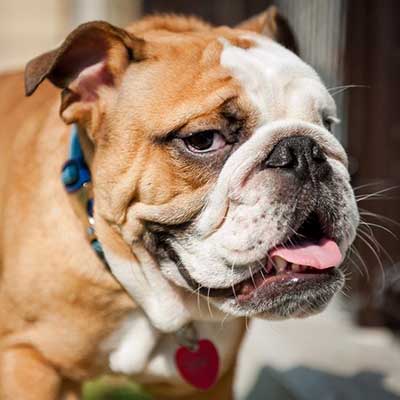
English Bulldog
The Bulldog often reveals a surprising contrast between its fierce, intimidating look and its true character. Beneath that tough facade lies a gentle and loving nature; these dogs are remarkably friendly and deeply value their human companions, all while exhibiting a playful streak of stubbornness. Above all, their loyalty to their families is steadfast. As puppies, Bulldogs are brimming with energy, but they gradually evolve into more laid-back adults. They have a special affinity for children, showcasing impressive patience; when they’ve had enough excitement, they simply relocate to a quieter area. Bulldogs also get along well with other pets, making them one of the most versatile breeds for households with multiple animals. As they age, Bulldogs tend to become a bit more sedentary, preferring to relax by your side and observe their surroundings. While they enjoy playtime with kids, it won’t be long before they seek out their favorite sunny spot for a nap. It’s essential to keep in mind that Bulldogs can easily overheat, so they need a cool retreat during the hot summer months. Additionally, they are known for their drooling and snoring, and their short snouts can lead to specific health concerns. Nonetheless, they are charming and devoted companions that bring joy and laughter to any household.
Read more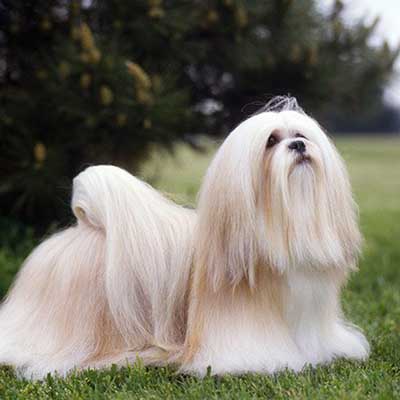
Lhasa Apso
These small but impressive dogs were initially bred to act as guardians in the temples and monasteries located in the Tibetan mountains thousands of years ago. Their popularity in the United States, however, only began in 1933 when the Dalai Lama presented several of these dogs to Mr. and Mrs. Suydam Cutting from New Jersey. Renowned for their joyful nature, these dogs are often playful and even a bit goofy at home, although they tend to be more reserved with unfamiliar faces and may display protective behaviors over their food and toys. Their beautiful, flowing coats require considerable maintenance, necessitating daily brushing and combing, even if kept relatively short.
Read moreRegister
Your kids have been begging for a pet forever, and you've recently decided that it's time for your family to get a new addition -- a dog! While everyone is excited for the new arrival, you're wondering if you need to have a dog license. How much does it cost? Is it required? Where do you get one?
Member Clubs

PETINNATE
Other
Height & Weight
Weight
30 lbs (14 kg)Male: 33 lbs (15 kg) , Female: 28 lbs (13 kg)
Height
12 inches (30 sm)Male: 13 inches (33 sm) , Female: 12 inches (30 sm)
Eye Colors
Brown

Nose Colors
Black
Coat Colors
Black
Blue
Cream
Fawn
Brindle
White
Red
Silver