Bullador
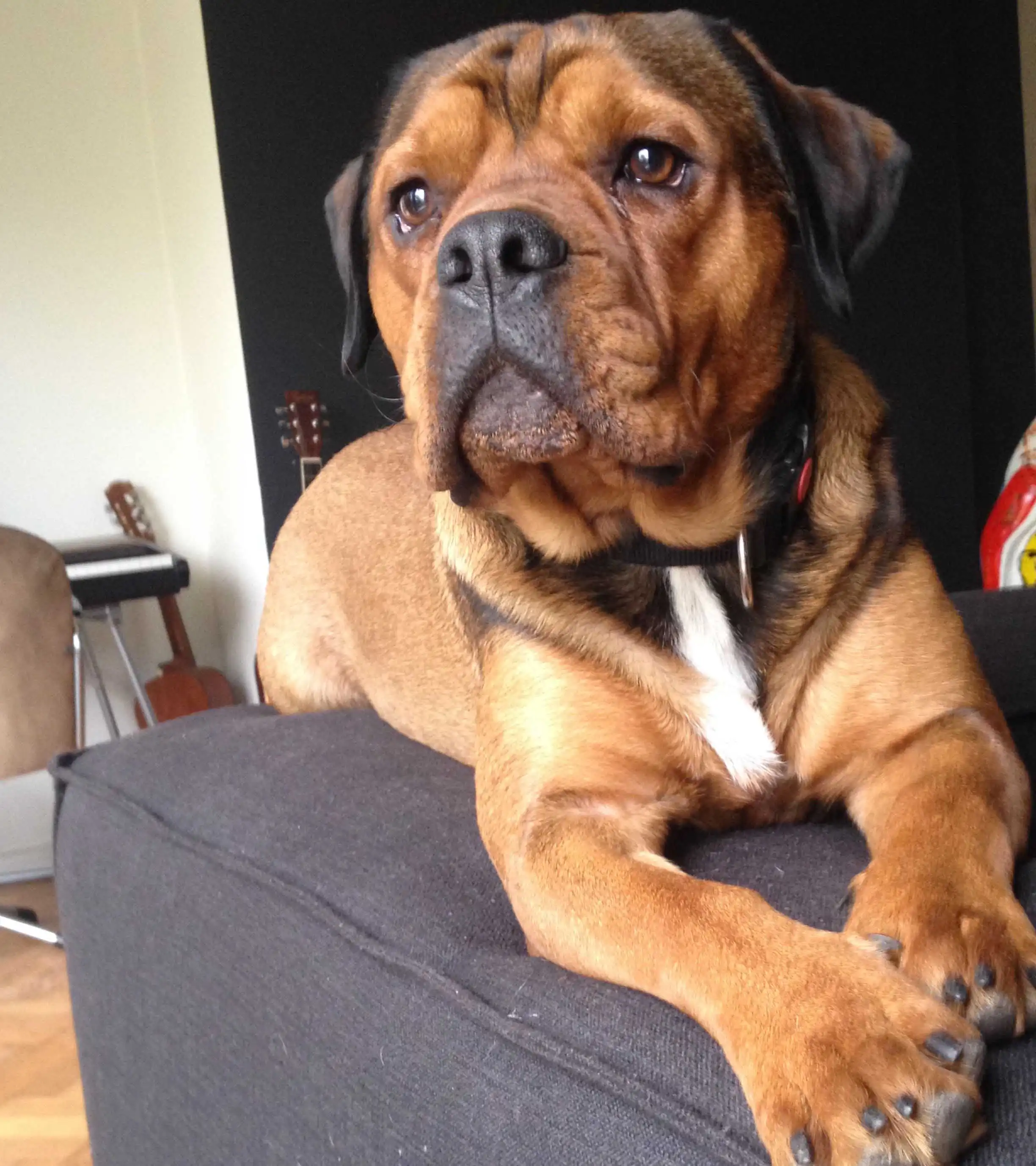
The Bullador is a hybrid breed that combines the English Bulldog and the Labrador Retriever, creating a dog that typically ranges from medium to large in size and is celebrated for its friendly and outgoing personality. Although they can act as guard or watch dogs, this behavior is largely attributed to their imposing physical stature rather than their inherent temperament. On rare occasions, the Bulldog's original aggressive instincts might emerge, particularly if the dog is in severe pain or has endured a traumatic event. This mixed breed is known for its intelligence, which usually facilitates an easy training process; however, if they do not receive enough mental stimulation, they may engage in playful antics.
Breed Origin
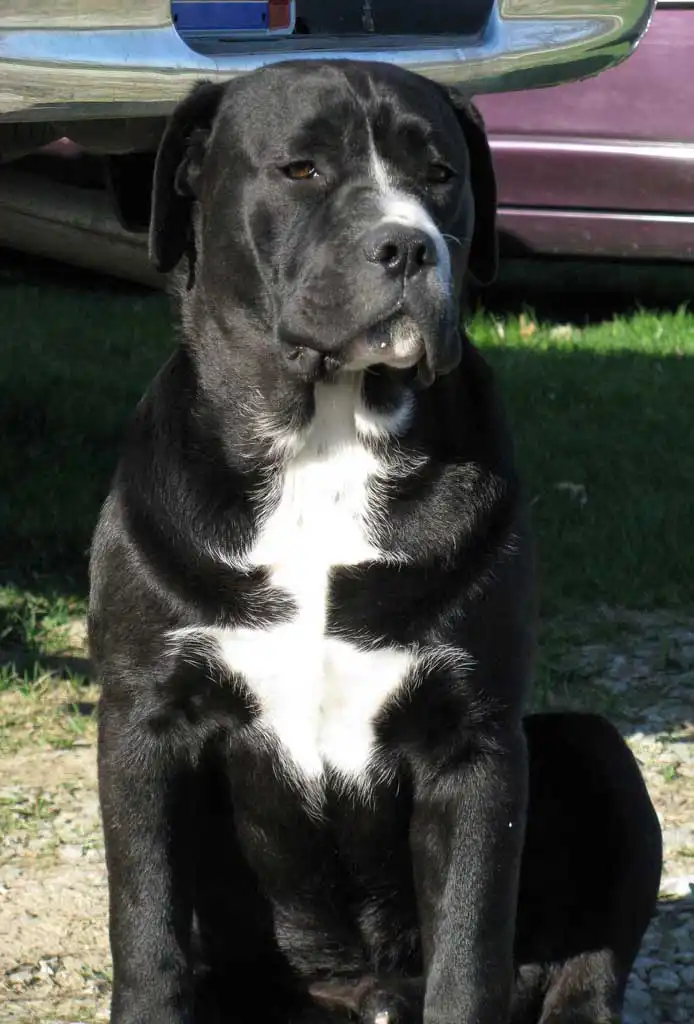
The Balladur is a hybrid breed that merges the English Bulldog, which was originally bred for bull control and baiting, with the Labrador Retriever, a friendly and active gun dog known for its retrieving skills, particularly with waterfowl and tennis balls. The English Bulldog has a complex and somewhat mysterious history. Some experts believe it is a descendant of a combination of Mastiff and Pug breeds, while others contend that the Bulldog itself is the ancestor of the Mastiff. Historically, these dogs were bred for their fierce and determined nature, possessing a remarkable ability to endure pain, which made them suitable for dog fighting. This trait significantly influenced the development of breeds such as the American Pit Bull Terrier and the American Staffordshire Terrier. After the prohibition of such cruel practices in 1885, breeders shifted their focus to creating Bulldogs with a gentler temperament, resulting in the typically calm English Bulldog we recognize today, which adapts well to various living situations. Similarly, the Labrador Retriever has a rich and complex heritage. Most scholars agree that the now-extinct St. John’s dog, a water dog that vanished in the 1980s, was the precursor to the Labrador breed. However, there is ongoing debate about whether the Newfoundland dog played a role in the development of the St. John’s dog or emerged alongside it. The St. John’s dog, characterized by its short, water-resistant coat, excelled in both aquatic and terrestrial environments, aiding fishermen along the Newfoundland coast by retrieving nets, ropes, and even fish. In the 1800s, breeders James Harris and Walter Scott, who were working with St. John’s dogs to develop gun dogs, met during a shooting expedition. Mr. Harris presented Mr. Scott with two of his male retrievers, which were subsequently bred with Scott's dogs, leading to the lineage of modern Labradors. The combination of these two breeds produces a highly intelligent, energetic dog with a friendly disposition and a strong work ethic.
Breed Appearance
The Bullador is a medium-sized breed known for its broad head and wide-set dark brown or hazel eyes. Depending on its ancestry, the ears can be positioned either high on the head or lower down, resembling the Bulldog's triangular ears that may fold forward or to the side, or the Labrador's rounded, drooping ears. While the Bulldog's head and muzzle are relatively short compared to many other breeds, the Labrador's influence often adds some length. Bulladors typically have longer legs than Bulldogs, though they may still display the Bulldog's characteristic elevated hindquarters. Both breeds feature short, weather-resistant coats, but only Labradors possess an insulating undercoat. Consequently, Bulladors can have either a single or double coat, with the distinction often becoming apparent after a few months. Dogs with double coats tend to shed more but may be better adapted to cooler climates than those with single coats.

Care Routine
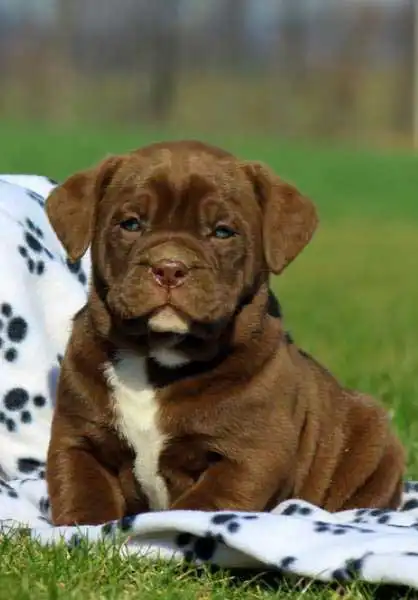
This hybrid, which sheds moderately, typically needs a bath only once every month or two. However, regular brushing is vital to remove loose fur and to evenly spread natural oils, keeping the coat clean and healthy. The Bullador may inherit the distinctive wrinkles and folds of the English Bulldog, which can trap moisture and dirt if not cleaned and dried regularly. If moisture and debris build up, it can lead to itchy or oily skin, rashes, and even mold or mildew growth. It's also important to maintain good dental hygiene, particularly for dogs with shorter snouts, as this can help prevent bacterial growth. Although these dogs do drool, it is usually less than that of a purebred English Bulldog.
Behavior & Temperament
The English Bulldog's once tumultuous history has largely transformed, leading to a breed that is now known for its affectionate and gentle demeanor. In contrast, the Labrador is celebrated for its friendly and sociable character. The hybrid breed, called the Bullador, benefits from the Labrador's lively energy and intelligence, which can enhance the typically calm nature of the Bulldog, making it more playful and easier to train. On the flip side, the Bulldog helps to moderate the Labrador's propensity to be excessively vocal and mouthy. Although Bulladors may initially exhibit some wariness towards strangers, early socialization can significantly mitigate this behavior. They may also have a natural instinct to chase smaller animals, so it’s crucial to ensure that any play area is securely fenced. Furthermore, this breed can struggle with extreme weather conditions, so they should not be left outdoors for long periods. Generally, Bulladors are good with children, but interactions with younger kids should always be monitored, particularly when the dog is in its more energetic stages.
Play & Exercise
The Labrador Retriever is often recognized for its energetic nature, whereas the English Bulldog is more inclined towards a relaxed way of life. As a result, a mix of these two breeds usually exhibits a balance between the two extremes. On average, these dogs need around 60 to 80 minutes of intense exercise daily; however, if you want your dog to adjust well to living in an apartment, you may need to increase this duration. Activities such as tracking, swimming, agility training, and playing fetch are excellent for keeping your dog both physically active and mentally engaged. With consistent training and extra exercise, these dogs can adapt well to apartment living, although they typically feel more comfortable in homes that have a yard.
Things to Know
Cups Per Day
0.0 Cups
Daily Activity
0 Minutes
Average Lifespan
14 Years
Origin
Unknown
Type
Crossbreeds
Size
Not Set
Origin Country
Unknown
Brush Frequency
Daily
Coat Texture
Straight
Register
Your kids have been begging for a pet forever, and you've recently decided that it's time for your family to get a new addition -- a dog! While everyone is excited for the new arrival, you're wondering if you need to have a dog license. How much does it cost? Is it required? Where do you get one?
Member Clubs

PETINNATE
Other
Height & Weight
Weight
70 lbs (32 kg)Male: 70 lbs (32 kg) , Female: 70 lbs (32 kg)
Height
19 inches (48 sm)Male: 19 inches (48 sm) , Female: 19 inches (48 sm)